

Introduction
Flexible transparent LED film can revolutionize your displays by turning standard glass surfaces into dynamic, high-visibility digital platforms that maintain near-complete see-through quality while delivering vibrant content. In retail environments where foot traffic drives revenue, this technology shifts static window setups into interactive experiences that pull in passersby without obstructing views of merchandise inside. As 2026 approaches, the transparent display sector shows strong momentum, with projections placing the broader transparent display market well into billions by the early 2030s, fueled heavily by retail and commercial applications that demand seamless integration and eye-catching visuals.
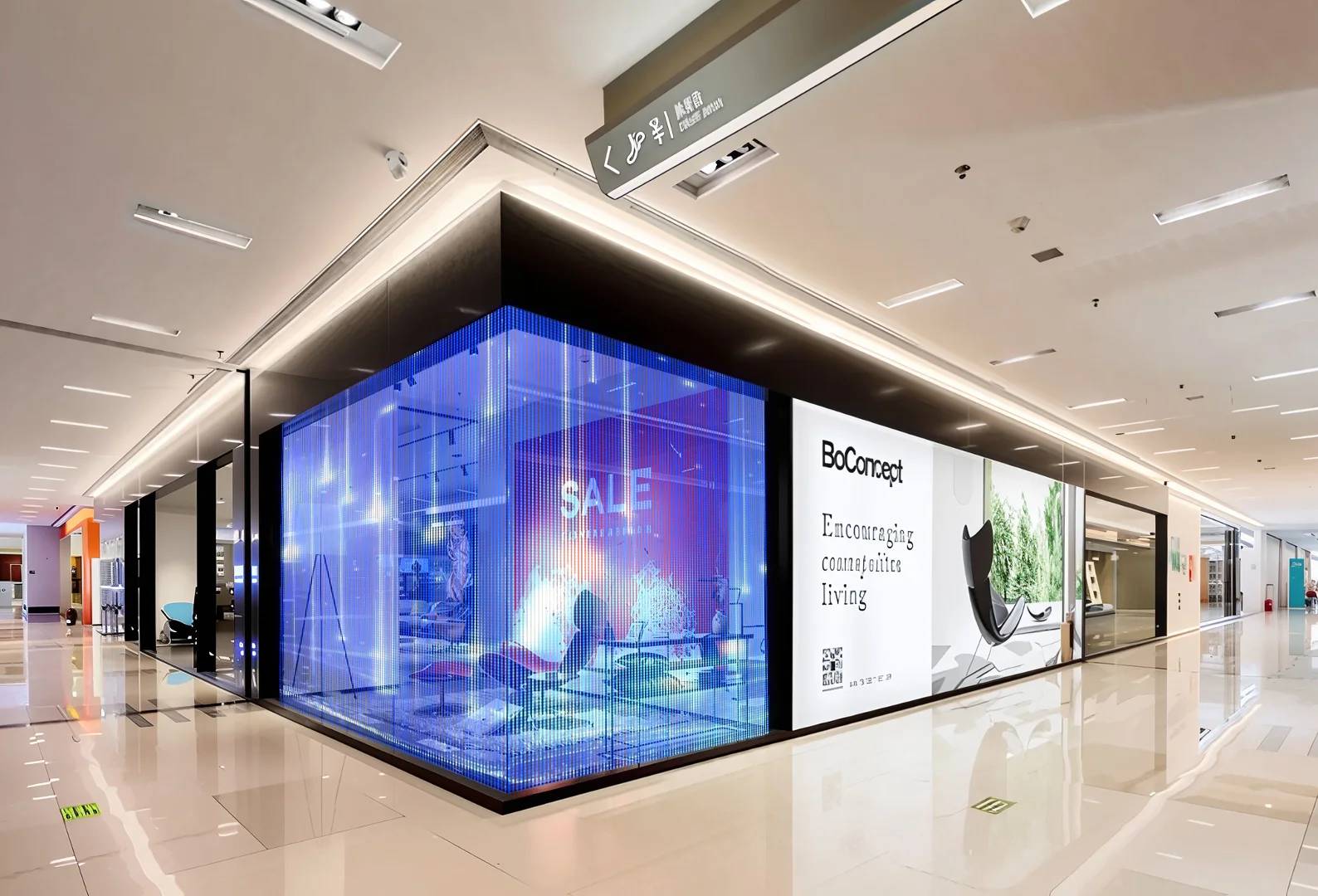
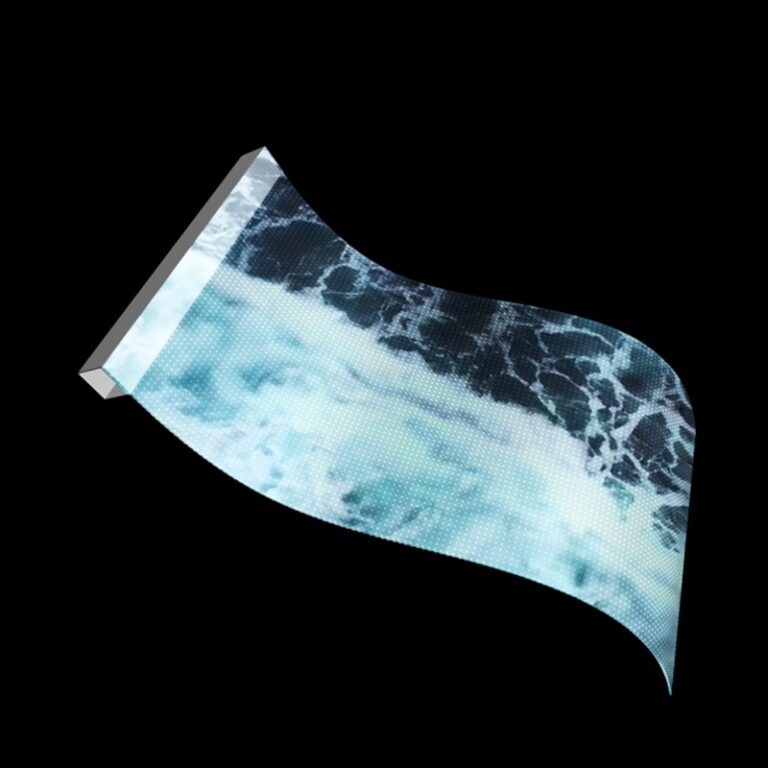
The core appeal rests in the film’s ultra-thin profile, often under 3mm, combined with self-adhesive backing that sticks directly to existing glass. High transparency levels, frequently exceeding 90 percent in practical setups, allow natural light to flood interiors while LED elements render full-color videos or graphics. Retailers in high-traffic urban areas have seen noticeable lifts in engagement—some reports from recent implementations point to 30-40 percent increases in window-gazing time leading to higher store entries. Architects and store designers appreciate how this avoids bulky frames or heavy structures that disrupt building aesthetics.
This piece breaks down the trends shaping 2026 adoption, explores specific ways the film changes display strategies across sectors, provides clear implementation steps, and draws from field examples to illustrate outcomes. Understanding these elements helps professionals decide if and how to incorporate flexible transparent LED film into upcoming projects.
2026 Trends: Why Flexible Transparent LED Film Is Set to Dominate Displays
Key Trends Driving the Revolution in 2026
The transparent LED film segment continues to gain traction as retail and architectural demands push for displays that blend function with minimal visual intrusion. Market analyses indicate steady growth in transparent technologies, with retail applications accounting for a substantial portion of new deployments. By 2026, expectations center on expanded use in storefronts and commercial glass, where the film supports dynamic promotions that adapt to real-time conditions.
One prominent direction involves smarter content delivery through integration with sensors and basic AI elements. Displays adjust brightness or switch messages based on ambient light or detected foot traffic patterns. In a busy shopping district, for instance, the film might brighten promotional clips during peak pedestrian hours and dim to subtle branding at quieter times. This responsiveness cuts energy draw while keeping content relevant, a practical edge over fixed signage.
Sustainability factors weigh heavily too. Low-power consumption becomes standard in newer film designs, with efficient LED nodes that run cooler and last longer under continuous operation. For outdoor-facing windows exposed to sun and weather, UV-resistant coatings and robust adhesives extend service life without frequent replacements. Industry patterns show a shift toward materials that align with green building requirements, reducing overall environmental impact in large-scale rollouts.
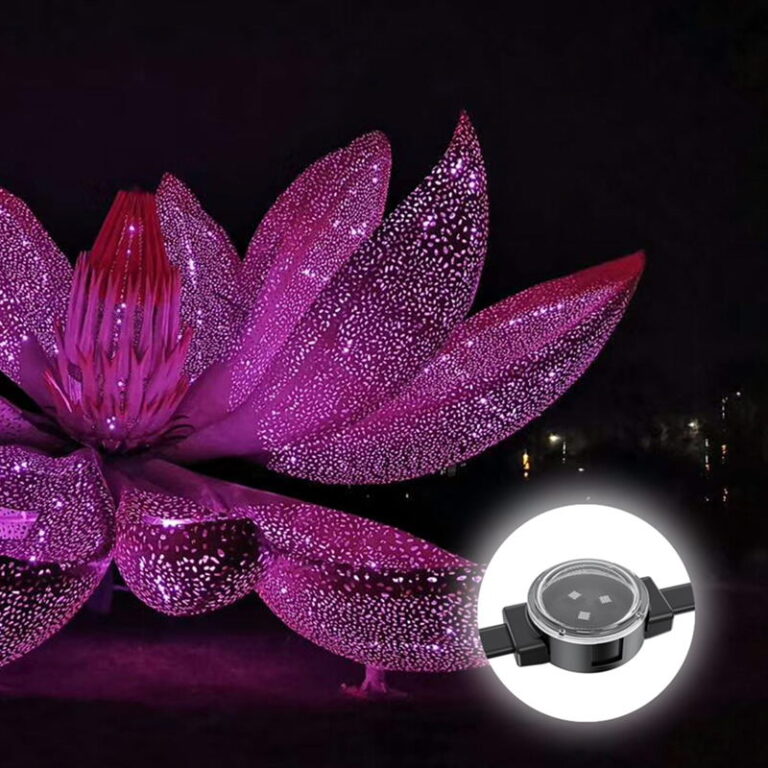
Curved and irregular surface compatibility stands out as another forward push. The film’s inherent flexibility allows it to conform to rounded glass in escalators, columns, or custom architectural features. This opens doors for creative installations in malls or flagship stores where straight panels fall short. Projections suggest curved applications will see sharper uptake by mid-decade as costs stabilize and installers gain familiarity.
Automotive showrooms and hospitality spaces extend the reach beyond pure retail. Car dealerships use the film on large viewing windows to overlay specs or animations on displayed vehicles, maintaining an open, premium feel. Hotels apply it to lobby partitions for welcome messages or event info without dividing the space visually.
| Aspecto | Current Focus (Pre-2026) | 2026 Direction | Practical Impact |
|---|---|---|---|
| Content Adaptation | Manual scheduling | Sensor-triggered changes | Higher relevance, lower waste |
| Energy & Durability | Basic efficiency | UV protection + extended lifespan | Reduced maintenance in exposed locations |
| Form Factor | Flat glass only | Curved & irregular surfaces | Fits complex architecture |
| Sector Expansion | Retail windows dominant | Automotive, hospitality growth | Broader commercial adoption |
These shifts build on established strengths, positioning flexible transparent LED film as a versatile tool for evolving display needs.
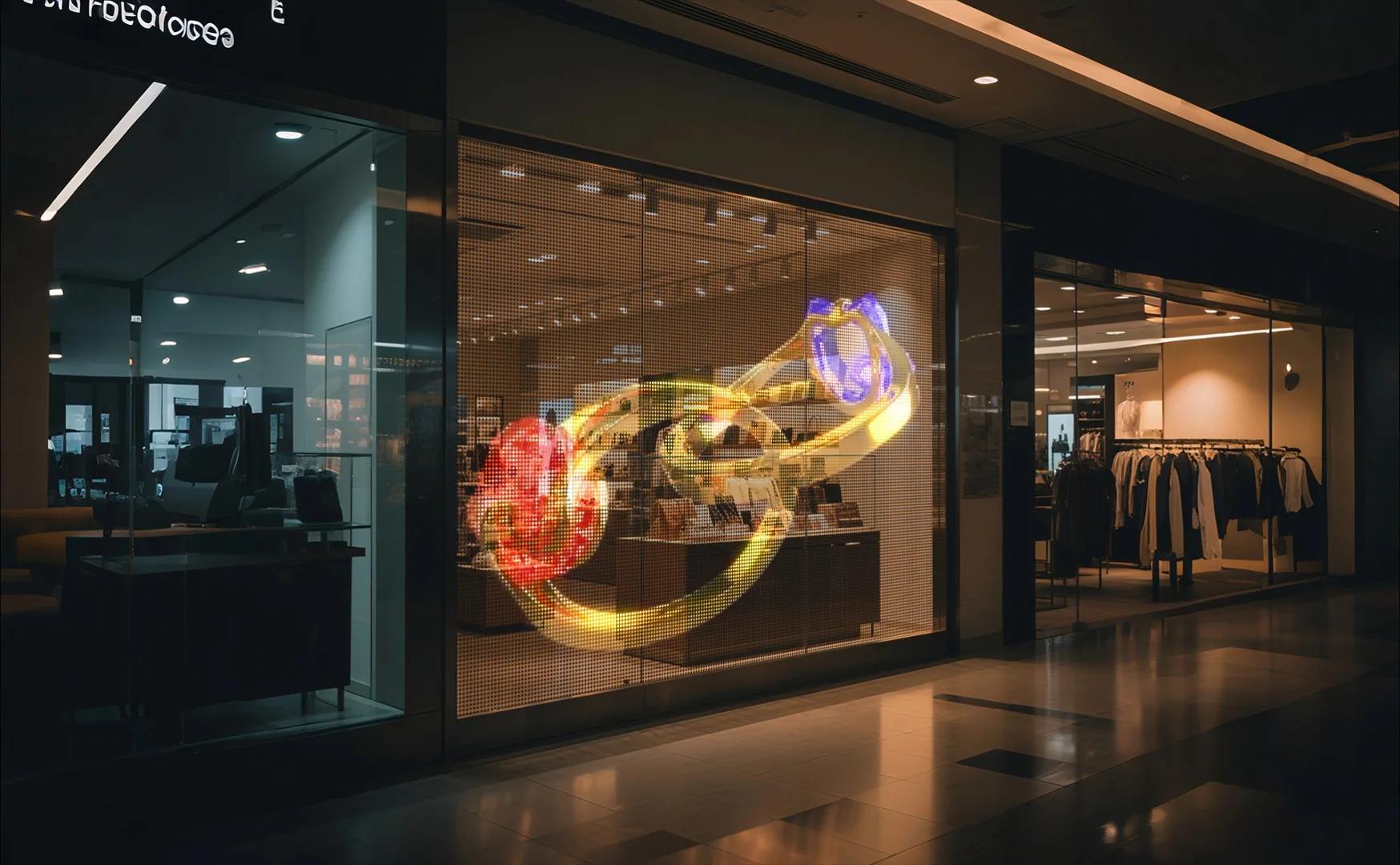
Retailers face constant pressure to stand out in crowded markets. The film’s ability to layer digital over physical products creates compelling stories—imagine a fashion boutique where models in the window appear to interact with overlaid animations. Such setups draw longer looks from the street, translating to measurable store visits in competitive zones.
How Flexible Transparent LED Film Revolutionizes Specific Displays
Game-Changing Applications Across Industries
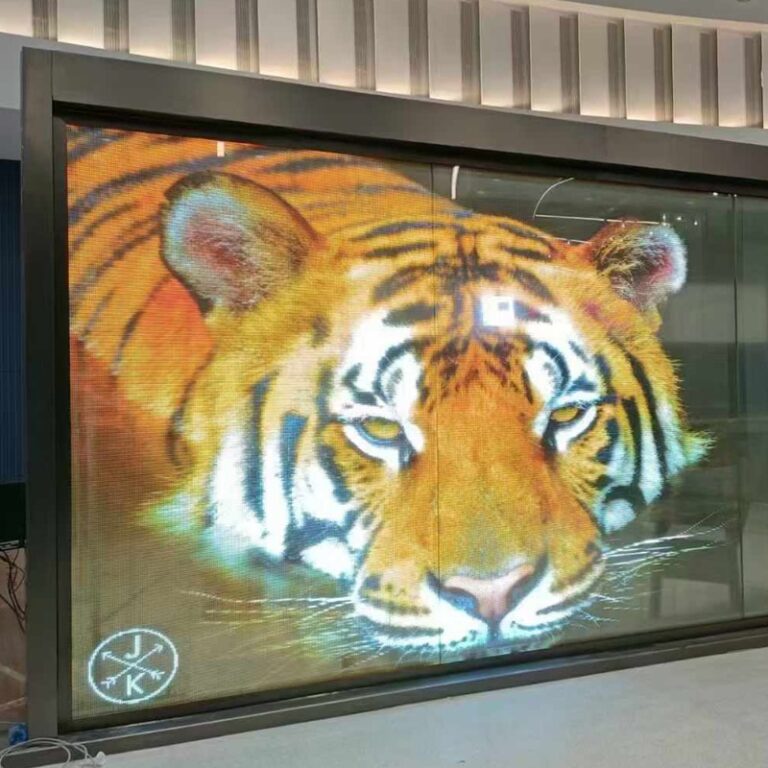
Retail storefronts benefit most directly from the film’s capabilities. Conventional window displays rely on posters or rigid screens that block light and limit merchandise visibility. Flexible transparent LED film changes that equation by adhering directly to glass, allowing full daylight penetration while running high-definition promotions. In a typical urban retail scenario, the film displays seasonal sales videos or product close-ups during daytime hours, switching to ambient branding after dark. Studies from active installations note increased dwell time at windows, often correlating with higher footfall inside.
Glass doors and interior partitions offer another strong use case. Offices or showrooms apply the film to create semi-private zones with informational content—company timelines, product highlights, or directional cues—without making spaces feel closed off. The high transparency preserves an open atmosphere, crucial in modern workspace designs that prioritize natural light.
High-end display cabinets in luxury boutiques or museums gain from the film’s subtlety. Curved glass cases wrap with the material to showcase jewelry or artifacts alongside explanatory graphics. The thin profile avoids adding bulk, keeping focus on the items themselves. Brightness levels sufficient for indoor viewing ensure content remains clear even under ambient lighting.
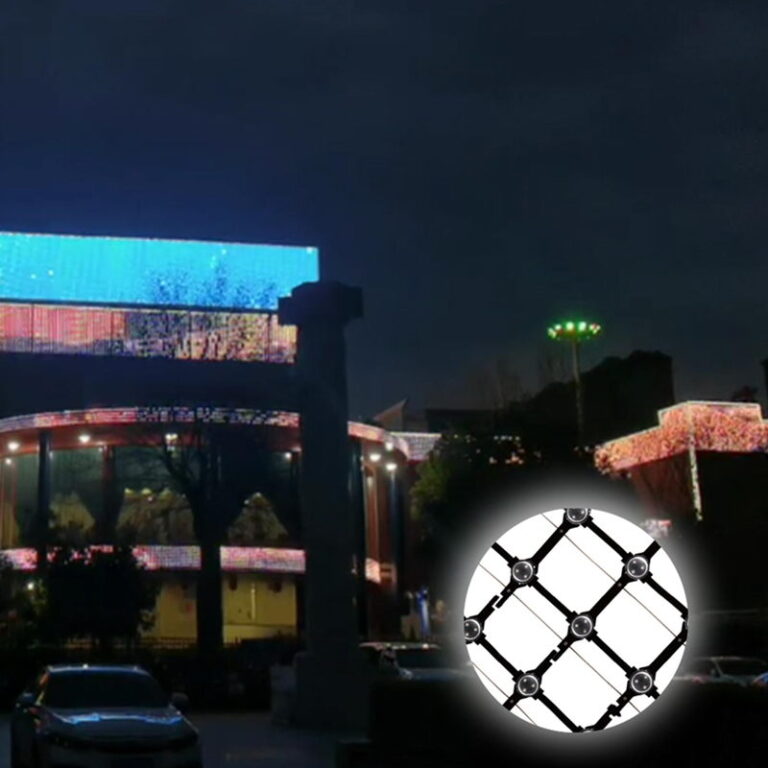
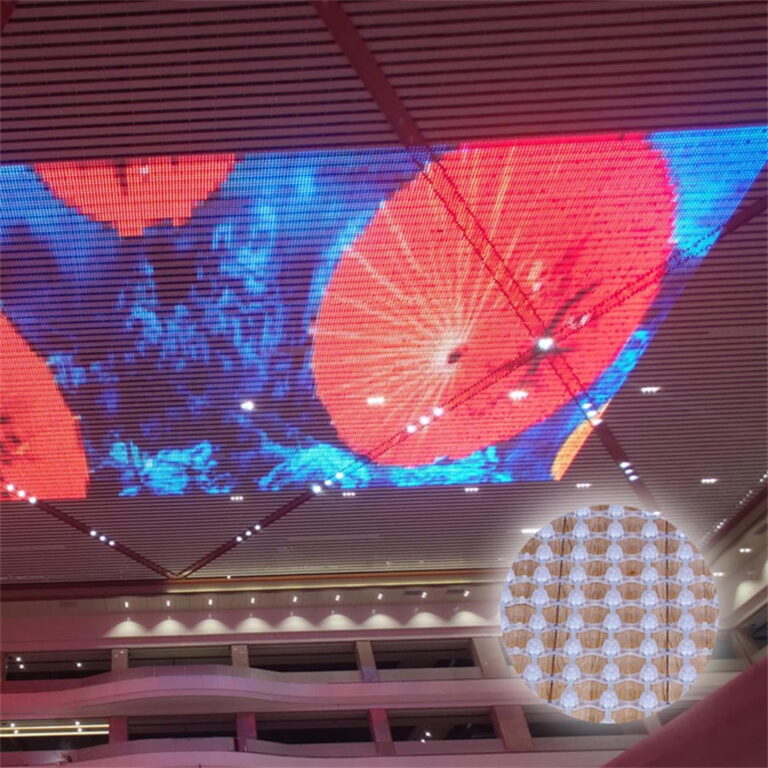
Architectural glass in commercial buildings extends applications to larger scales. Facades or atrium walls incorporate the film for branding or public art without altering the building’s exterior profile. In mixed-use developments, this supports tenant promotions while maintaining aesthetic harmony.
Temporary setups for events or pop-up shops highlight practicality. The adhesive nature allows quick application and removal, ideal for short-term campaigns. Rollable variants store compactly between uses, cutting logistics costs compared to traditional modular screens.
Each application demonstrates clear shifts from static to engaging displays. Retail conversions improve when content overlays real products, creating a sense of immediacy. Architectural integrations preserve design intent while adding functionality. Temporary uses provide flexibility without long-term commitment.
Revolution Impact in Practice
In retail windows, the overlay effect turns passive viewing into active interest. A clothing store might show fabric textures or styling tips directly on mannequins, prompting quicker decisions. Energy savings come from targeted brightness—dimming during low-traffic periods reduces bills without sacrificing visibility.
For interior partitions, the film supports wayfinding in large spaces. Conference centers use it on glass walls to display schedules, keeping areas airy. Durability matters here; adhesives hold firm through temperature swings common in public buildings.
Showcase cabinets see enhanced storytelling. A watch retailer layers animations explaining mechanisms, drawing customers closer without physical barriers. Indoor brightness requirements stay moderate, focusing on color accuracy over sheer output.
Larger architectural uses demand weather resistance. Outdoor-facing films incorporate protective layers against UV fade and moisture, ensuring consistent performance year-round. Content management systems allow remote updates, minimizing on-site work.
Event applications prioritize speed. Installers apply sections in hours rather than days, enabling last-minute changes. Post-event removal leaves no residue on most glass types.
Step-by-Step Solutions: Implementing Flexible Transparent LED Film in Your Project
Practical Guide to Adoption and Success
Start with a thorough site evaluation. Measure the target glass area precisely, noting any curves or irregularities. Assess ambient light conditions—daylight intensity affects required brightness, while indoor setups prioritize color fidelity. Determine content type: short loops for promotions or longer videos for storytelling influence pixel pitch selection.
Product selection follows closely. Pixel pitches like P4 for closer viewing or P6 for standard distances balance resolution and transparency. Consider power needs—DC5V options suit many indoor setups. Adhesive strength and flexibility radius matter for curved surfaces. Custom configurations from manufacturers accommodate non-standard dimensions.
Installation proceeds methodically. Clean the glass thoroughly to remove dust or oils that compromise adhesion. Align film sections carefully, working from center outward to avoid bubbles. Connect power and data cables with attention to routing that stays discreet. Test uniformity across the surface, adjusting brightness if needed.
Content creation and control require planning. Use compatible software for scheduling and synchronization across multiple panels. Dynamic playlists respond to time of day or external triggers. High-quality source material prevents pixelation on larger areas.
Maintenance routines keep performance steady. Periodic cleaning with approved solutions removes fingerprints or smudges. Monitor for edge lifting in high-humidity spots, addressing promptly. Remote diagnostics catch issues early, extending overall lifespan.
Budget considerations vary by scale. Small window projects run lower due to minimal cabling, while full-facade applications factor in structural support. Return periods often fall in the 18-24 month range for high-traffic retail, driven by increased customer draw and reduced signage costs.
Common pitfalls include improper surface prep leading to detachment. Prevention starts with thorough cleaning and test patches. Brightness inconsistencies arise from uneven voltage—use quality power supplies and check connections. Overheating in enclosed spaces calls for ventilation planning.
Decision points hinge on project goals. High-traffic retail favors brighter, finer-pitch options. Architectural priorities lean toward maximum transparency. Pilot small sections first to validate performance before full commitment.
Real-World Examples & XinHe Insights
Case Studies and Lessons from the Field
A mid-sized fashion retailer applied flexible transparent LED film across storefront windows spanning several meters. The setup ran promotional loops during business hours, overlaying outfits with styling details. Foot traffic rose noticeably in the weeks following activation, with staff reporting more inquiries tied to window content. Key lesson: content refresh frequency keeps engagement high—weekly updates prevented viewer fatigue.
In a shopping mall interior, glass partitions received the film for brand messaging. The transparent quality maintained open sightlines between stores while displaying event calendars. Durability held through seasonal temperature changes. Takeaway: adhesive selection suited to glass type prevents long-term issues.
A temporary pop-up in a high-end district used rollable film for a seasonal campaign. Quick install and removal aligned with short lease terms. Visual impact drew crowds despite limited space. Insight: modular sizing eases logistics for event-based deployments.
These examples underscore reliability in varied conditions. Consistent brightness and adhesion prove critical in real use. Content strategy amplifies results—targeted, timely material drives stronger outcomes.
About Shenzhen XinHe Lighting Optoelectronics Co., Ltd
Shenzhen XinHe Lighting Optoelectronics Co., Ltd, founded in 2004, operates from a dedicated facility in Shenzhen with a focus on advanced LED solutions. The company specializes in point light sources and grid screens, supported by extensive patents and certifications including ISO9001 and ISO14001. With a strong emphasis on innovation and quality manufacturing, XinHe delivers reliable products suited to demanding architectural and display applications, including flexible transparent configurations.
Conclusión
Flexible transparent LED film stands ready to transform display approaches in 2026 and beyond, offering retailers and designers a practical path to dynamic, unobtrusive visuals. Trends toward smarter integration, curved adaptability, and sustainable performance open new possibilities for storefronts, interiors, and beyond. Through careful evaluation, selection, and implementation, projects achieve lasting impact with measurable returns. Exploring these options positions forward-thinking operations to capture attention in competitive environments.
FAQs
How does flexible transparent LED film improve retail window displays?
Flexible transparent LED film adheres directly to glass, maintaining high transparency while showing full-color content that overlays products. This draws more attention from passersby compared to static signage, often leading to increased store visits in busy retail settings.
What steps are needed to install flexible transparent LED film on glass?
Begin by cleaning the glass surface thoroughly, then align and apply the self-adhesive film carefully to avoid bubbles. Connect power and data lines, followed by testing for even brightness and content playback before full operation.
Why choose flexible transparent LED film for curved or irregular glass surfaces?
The film’s inherent bendability conforms to curved or non-flat glass without distortion, making it suitable for escalators, columns, or custom architectural features where rigid panels cannot fit properly.
How long does flexible transparent LED film typically last in retail use?
With proper installation and maintenance, flexible transparent LED film achieves extended service life, often exceeding standard expectations for continuous operation in indoor and protected outdoor environments.
What factors affect the cost of flexible transparent LED film for storefront projects?
Cost depends on area size, pixel pitch for resolution needs, brightness requirements for ambient light conditions, and any custom shaping for irregular surfaces. Larger or higher-spec setups increase investment but deliver stronger visual impact.



 Spanish
  English
  Arabic
  Russian
  French