
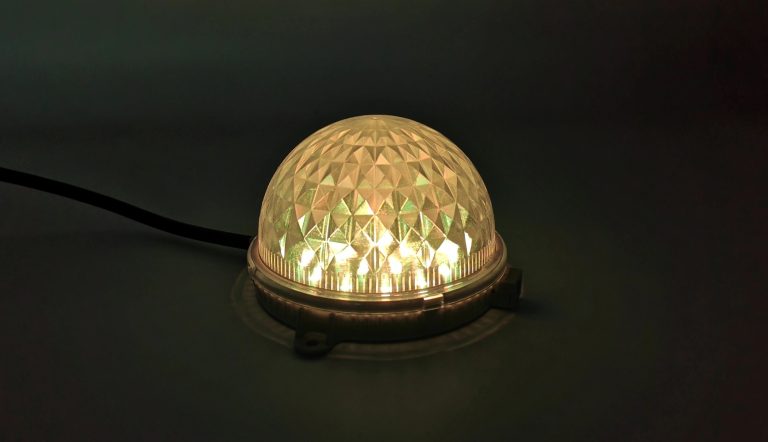
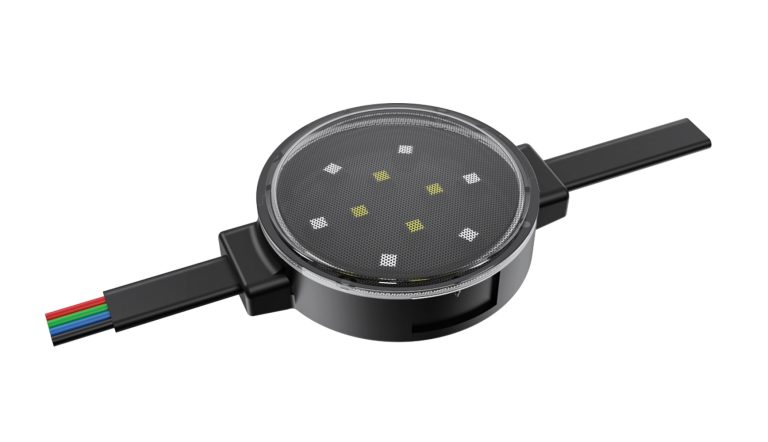
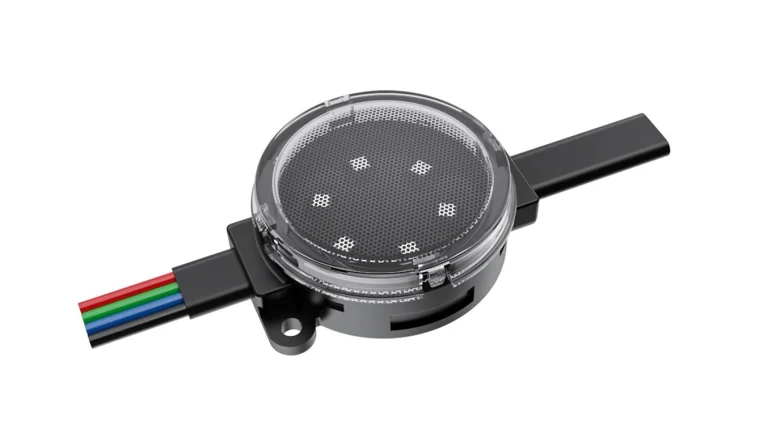
Bean LED point light and mesh screen trends 2026 keep showing the industry leaning hard into pixel arrays and open-grid layouts that run circles around old-school neon for efficiency, control, and field life on facades, signage, and landscape jobs. The Bean series sticks with addressable RGB nodes and spaced-out mesh grids to give exact color work, solid see-through percentages, and almost no extra structural burden, while dodging the headaches neon always carried—high-voltage transformers, constant heat, breakable tubes, and mercury cleanup. Those traits put Bean products front and center for architects, developers, and signage crews who want programmable output, lower bills over time, and installs that don’t fight the building.
The switch off neon picks up speed in new work and refits alike. Standard neon pulls 10–15 watts per linear foot and starts fading after 10,000–20,000 hours, but Bean LED point lights and mesh screens stay consistent past 50,000 hours with brightness that doesn’t drift much. Energy math alone usually shows 60–80% cuts, and ownership breakdowns put payback in two to three years once service calls and tube swaps get counted.
Market Outlook: The Shift from Neon to LED Point Lights and Mesh Screens in 2026
Neon hangs on in some vintage setups, but fresh bids and upgrades turn to LED options almost every time. The LED neon replacement space—flex strips through pixel nodes—grows at a steady clip, with market value expected to roughly double over the next decade as energy rules get stricter and sustainability scores start mattering more in approvals. Bean LED point lights hold a specific slot with per-node control for media walls and pattern work, while mesh screens bring big-area openness neon could never touch without killing views or piling on framing weight.
A handful of forces keep the momentum going. City codes in denser markets clamp down on high-voltage neon for safety and draw reasons. Retail and hotel owners see straight revenue from displays that change content remotely and react to foot traffic—something neon never did. Architectural specs now call for Bean systems because wind load stays low, generally under 0.5 kg per square meter on mesh setups, which fits high-rise glazing or exposed spots where neon’s glass tubes would force heavy bracing. By 2026 those pieces lock Bean LED point lights and mesh screens in as the baseline pick for any programmable exterior lighting that needs to last.
2026 Trends Driving Bean LED Point Light and Mesh Screen Adoption
Programmable RGB Pixel Effects Replacing Static Neon Glow
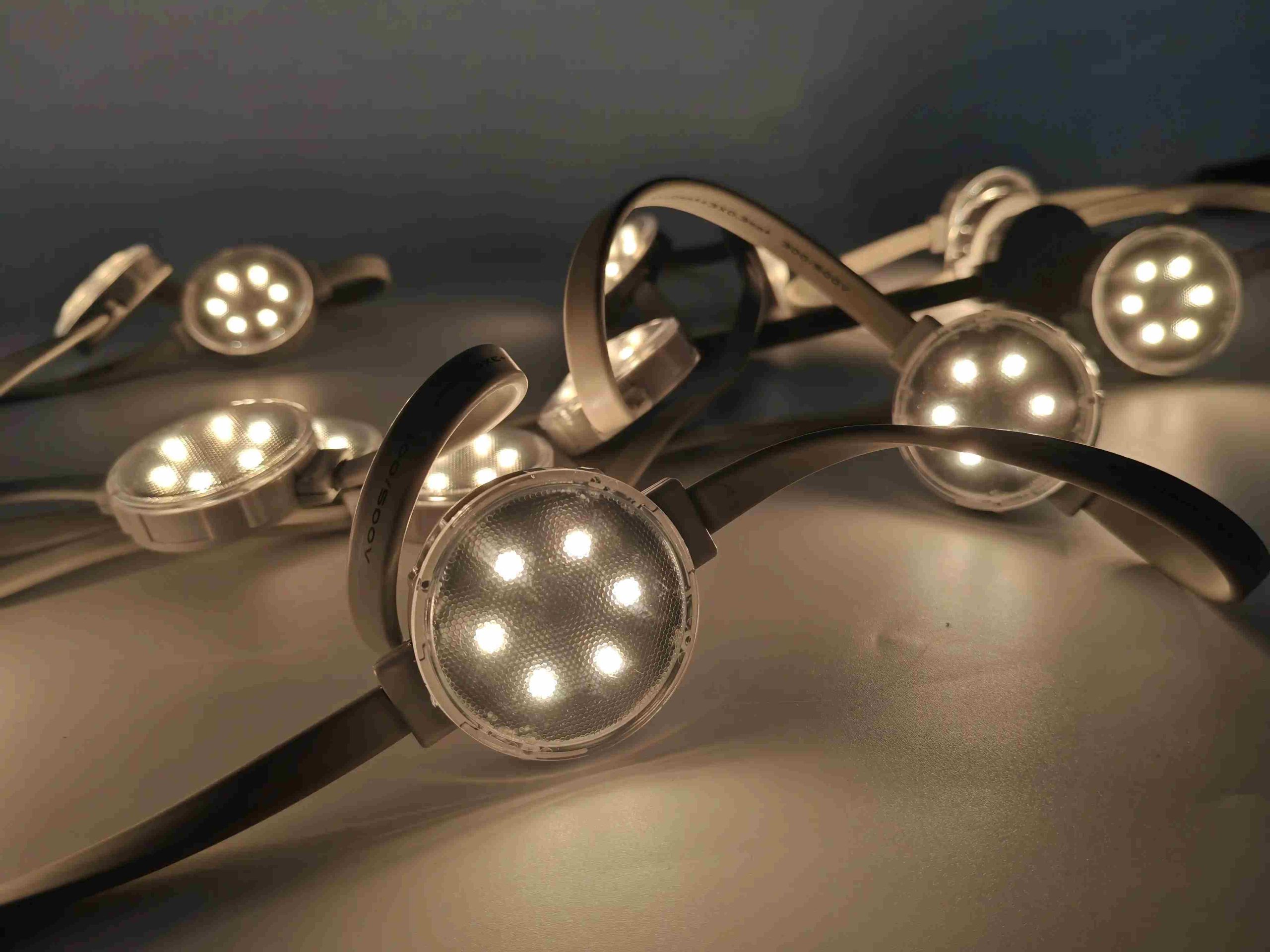
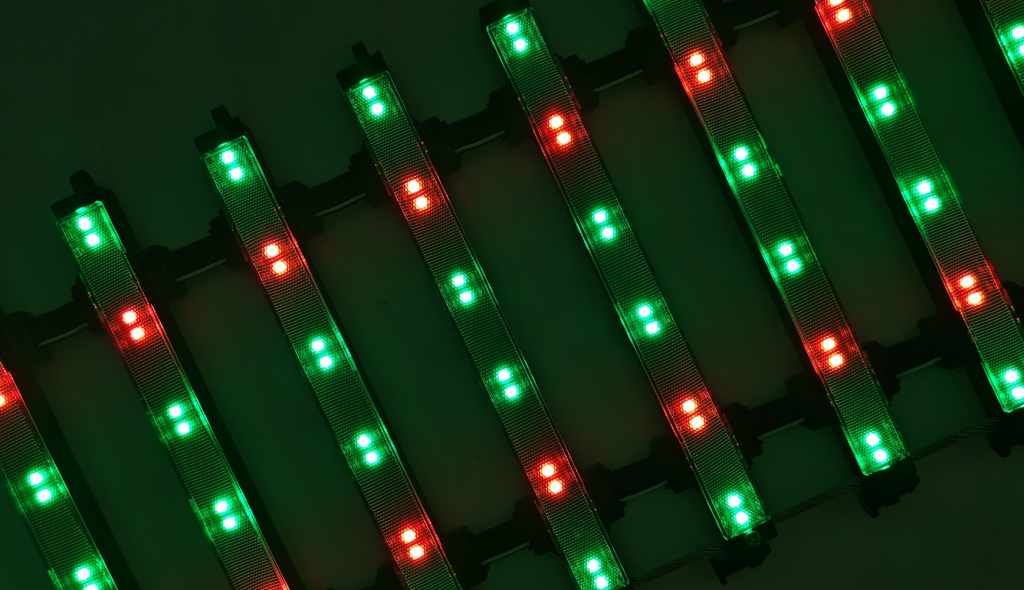
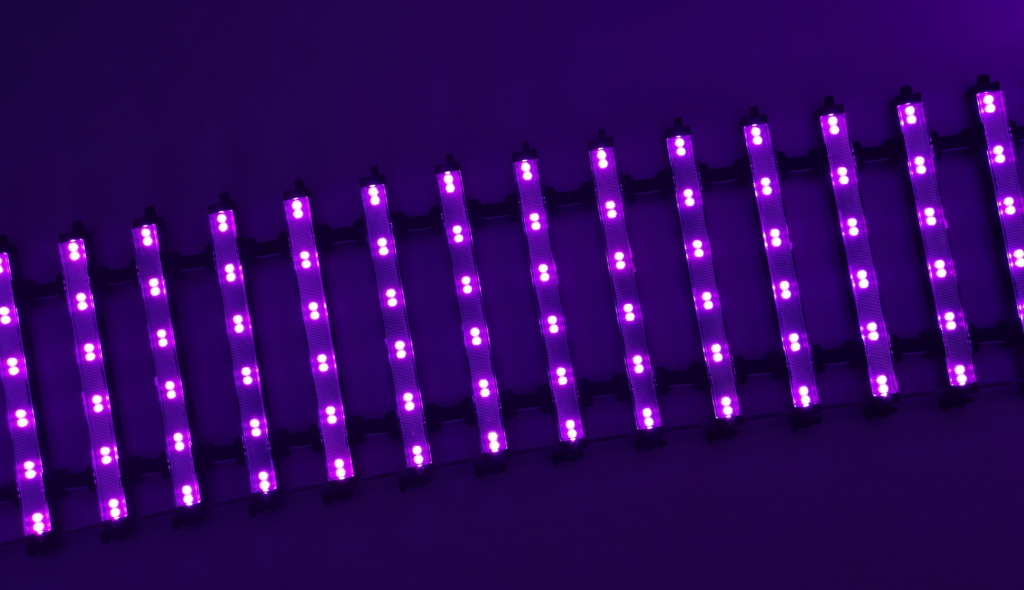
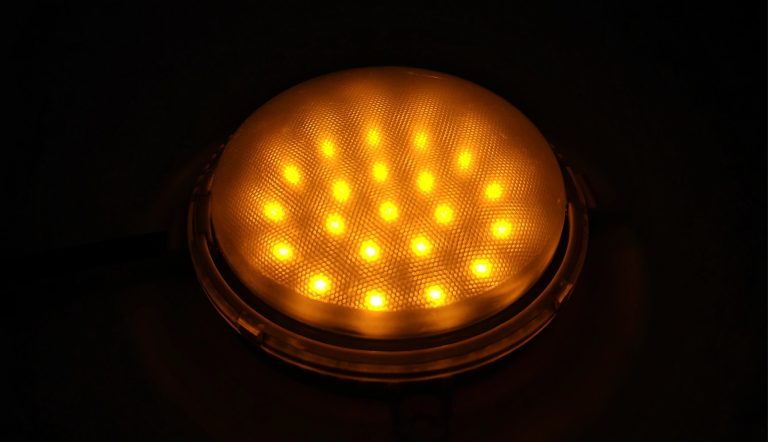
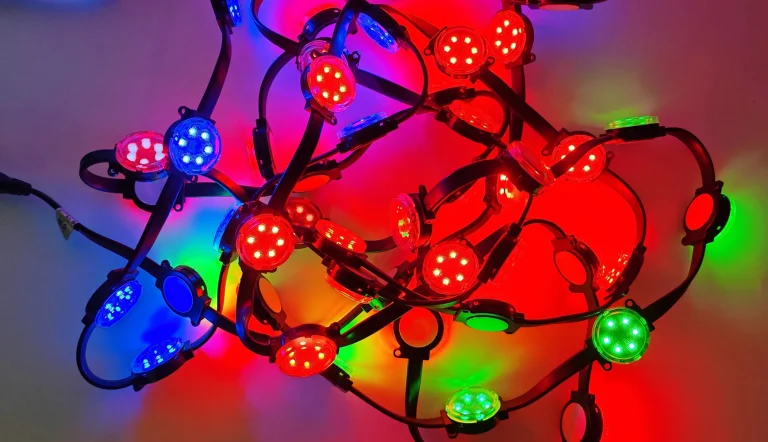
Bean LED point lights in 2026 run full DMX512 and Art-Net chains, handling smooth gradients, video mapping, animations, and event-tied sequences that neon’s single-color gas glow can’t get near. Nodes sit on DC12V or DC24V with dedicated ICs, so thousands of pixels can build clean imagery across elevations or signage runs without the voltage sag long neon chains always fought.
Storefronts and landmark borders make the case clear. A Bean setup rotates branding blocks, holiday looks, or light-level tweaks, pulling viewer attention neon never reached. Power drops 60–80% while the full RGBW range opens up colors neon couldn’t touch.
High-Transparency Mesh Screens for Open Architectural Integration
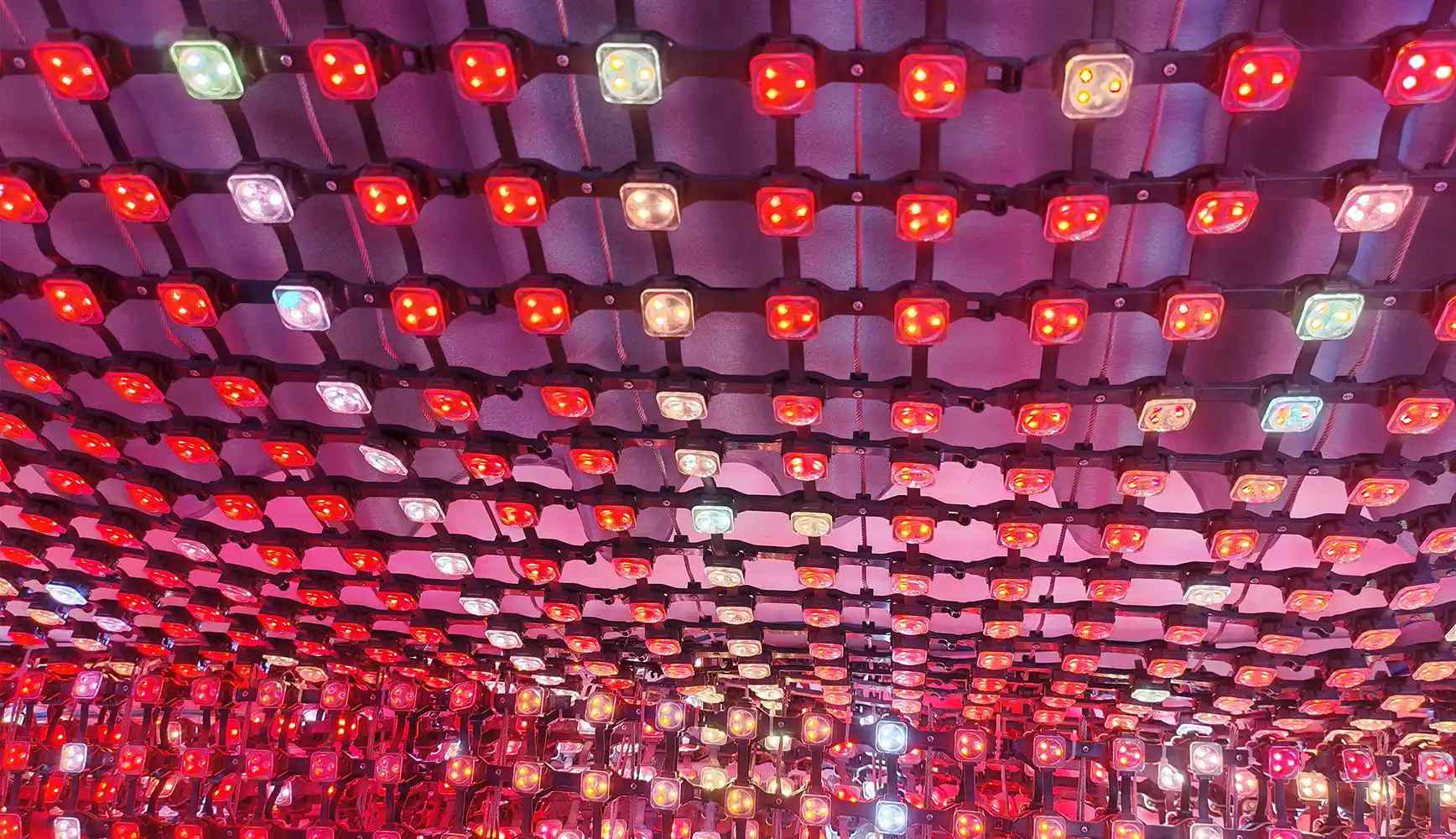
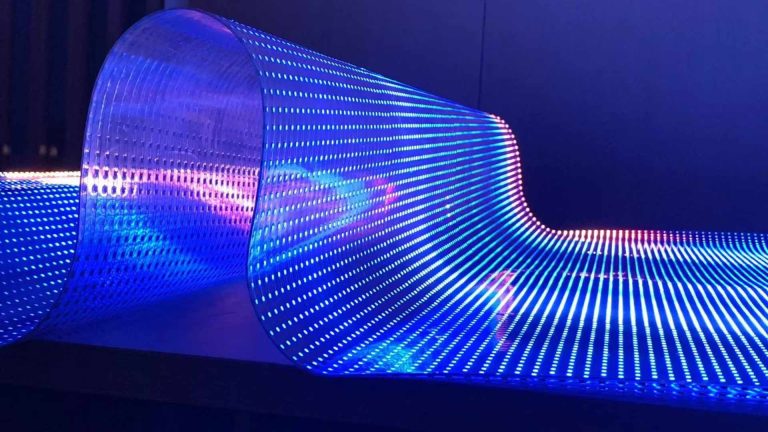
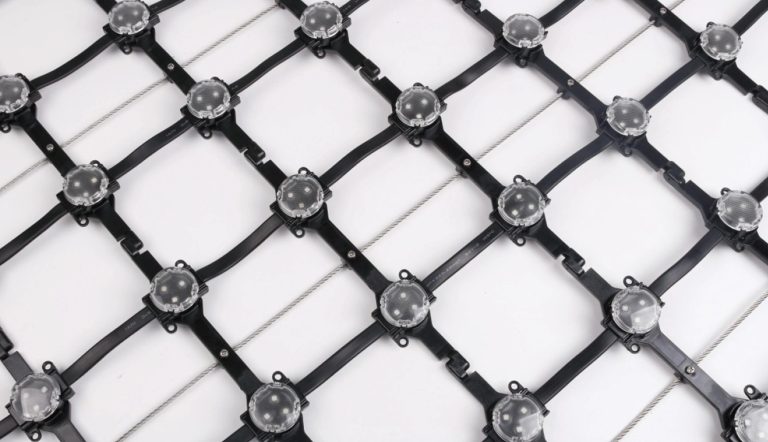
Bean mesh screens hit 70–95% transparency with node spacing that lets daylight and interior sightlines flow through on glazing or open frames. Neon needs backing and beefy mounts, but mesh keeps elevations clean and drag low—a must for high-rise engineering sign-off.
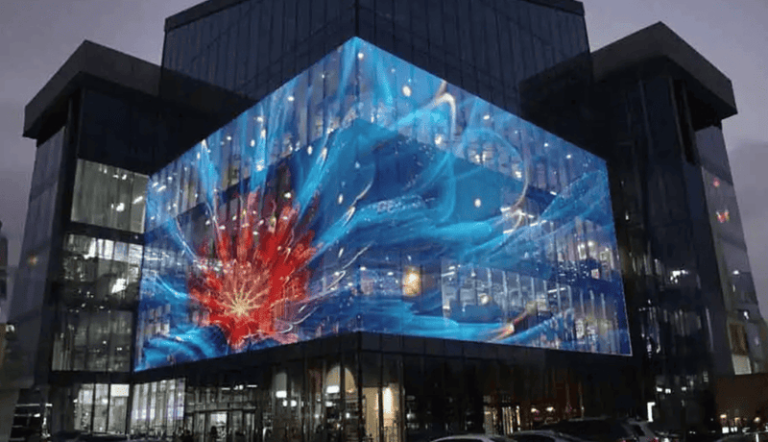
Tower jobs and cultural builds prove it out. Mesh carries large dynamic playback while keeping airflow and light passage intact—pairing neon tubes never managed without hurting looks or loading the structure. The open build also makes retrofits smoother on standing facades where neon would have meant tearing into supports.
Low-Power and Sustainable Designs Outlasting Neon Lifespan
Bean LED point lights and mesh screens pull 0.3–0.6 W per node in normal runs, with efficacy sitting above 150 lumens per watt. Sensor dimming and adaptive control shave average draw even more on big arrays that run long shifts.
50,000-hour ratings or better stand way ahead of neon’s shorter run and gradual fade. No mercury means no special disposal, and recyclable parts help with green credits. Side-by-side ownership numbers show break-even in two to four years from lower power spend and fewer service visits.
Enhanced Durability and IP67 Protection for Harsh Environments
Bean series holds IP67 across most lines, sealing out dust and handling short immersion to one meter for thirty minutes. Polycarbonate or aluminum bodies with tough glands and full silicone fill stand up to salt air, UV, and swings from -40°C to +60°C.
Coastal towers and city-edge arrays run through seasons with only basic checks showing slight wear. Neon tubes crack or leak gas in the same spots, needing swaps often and carrying extra risk. The Bean build gives steady uptime and longer warranty ground, which owners chasing minimal downtime value.
Why Bean LED Point Lights and Mesh Screens Outperform Traditional Neon
Old neon leans on high-voltage transformers, thin glass tubes, and steady gas burn, piling up energy use, heat, and breakage risk. Bean LED point lights and mesh screens drop those through solid-state parts, low-voltage feed, and snap-together design.
Ownership math always lands on Bean. Energy savings hit 70% for matching brightness, and 50,000-hour life cuts swaps by three times or more. Cabling stays standard and mounts lighter, trimming labor and framing expense. Content changes happen over software—no tube pulls. Safety improves without mercury, lower voltage, and less heat.
Jobs flipped from neon to Bean LED arrays log quick drops in power draw and call volume, with updates done from a desk instead of scaffolding. The mix of toughness, control, and efficiency locks Bean in as the smarter call for projects planned past tomorrow.
Real-World Applications and Case Examples
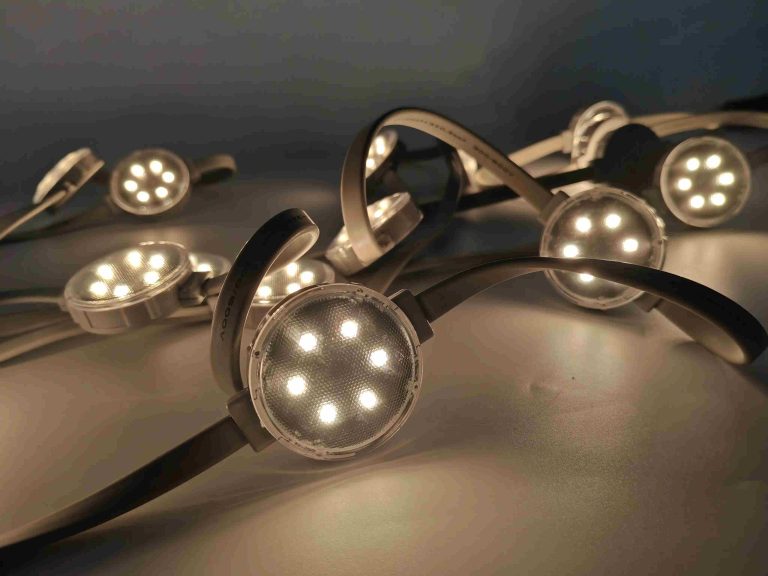
Bean LED point lights anchored big early work like the 2008 Beijing Olympics “China Seal” display, where exposed sources held color and reliability under heavy use. Later runs cover wide facade grids on office towers, stadium edge bands, and cultural hall features, where pixel control builds layered effects neon never could hold.
Mesh screen jobs stretch across high-rise arrays and public builds, keeping openness and low load while running dynamic content. Those examples underline field strengths: fast modular rigging, less secondary steel, and steady output in tough spots.
Shenzhen XinHe Lighting Optoelectronics Co., Ltd
Shenzhen XinHe Lighting Optoelectronics Co., Ltd, started in 2004 and based in Shenzhen, China, runs a plant over 6000 square meters with more than 250 people working on LED point light sources, grid screens, and mesh technologies. The company carries national high-tech enterprise status, ISO9001:2015 and ISO14001:2015 certifications, and holds over 80 independent patents, mostly around the Bean series.
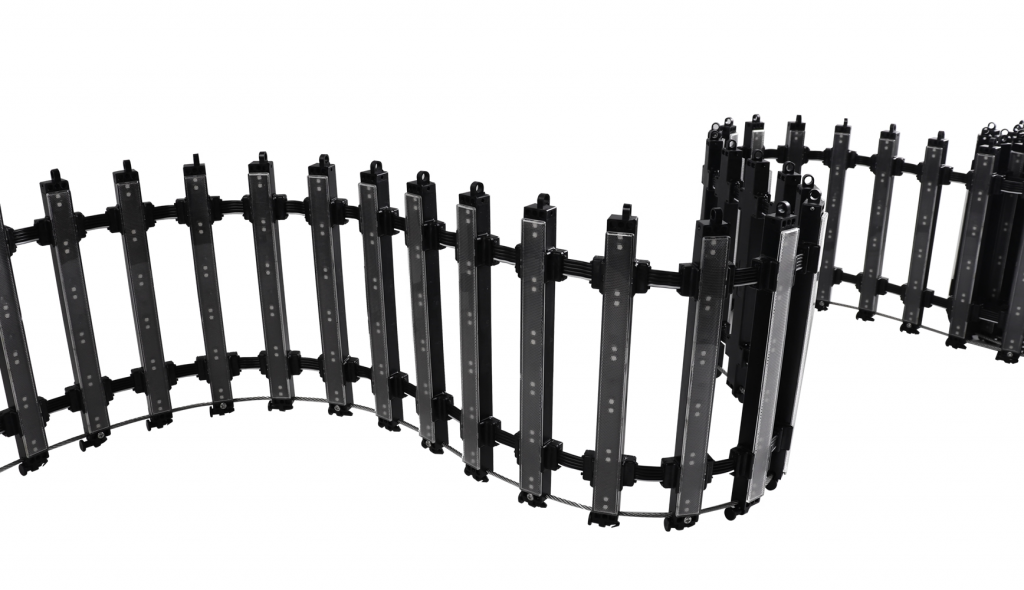
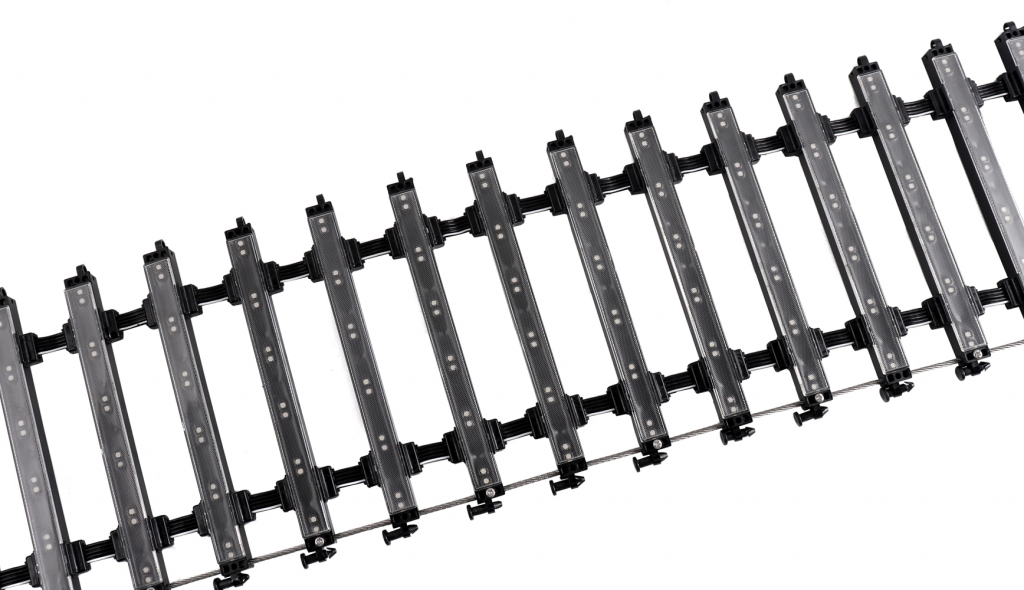
Key steps include the 2006 rollout of the world’s first patented exposed LED cold-light source for architectural use, followed by work on the 2008 Beijing Olympics “China Seal” and related pieces. Bean lines hit real mass-production scale by 2013, landing a strong spot among global exposed-source suppliers. Recent moves cover the 2022 upgrade of miniature anchor-nail point lights and the 2024 release of crystal truss screens after long development. The organization handles full support for large landscape, advertising, and facade jobs, from scheme work and engineering numbers through production and on-site commissioning.
Conclusión
Bean LED point light and mesh screen trends 2026 lock in their edge over traditional neon, bringing programmable control, high transparency, low power draw, and field-tested toughness that tackle neon’s built-in limits. Sourcing calls based on solid performance records, ownership math, and installation history turn out projects with stronger visual punch, lower running costs, and dependable long-haul service across facade, signage, and commercial settings.
FAQs – Bean LED Point Light and Mesh Screen Questions for Architects and Developers
Why do Bean LED point lights outperform traditional neon in outdoor facade applications?
Bean LED point lights run low voltage, reach 50,000-hour lifespans, and cut energy 60–80% versus neon while carrying IP67 sealing that stands up to weather. Neon tubes build heat, need high voltage, and fail more from cracks or gas loss.
How does Bean mesh screen transparency compare to neon for building outlines?
Bean mesh screens hit 70–95% transparency, letting light and views flow while running full RGB content. Neon outlines block sightlines and need solid backing, so mesh fits modern open or glazed work much better.
What is the typical lifespan difference between Bean LED point lights and traditional neon tubes?
Bean LED point lights hold 50,000 hours or more with steady brightness. Traditional neon tubes usually run 10,000–20,000 hours before fading or breaking, driving more frequent swaps and higher long-term expense.
How do wholesale pricing and MOQ work for Bean LED point lights and mesh screens?
Wholesale rates shift by model and order size, with point lights and mesh screens starting competitive at 1000–5000 units. Bigger runs normally bring stepped discounts, with lead times locked after sample approval.
What installation advantages do Bean LED point lights offer over neon in retrofit projects?
Bean LED point lights use standard low-voltage cabling and light mounting, needing little structural change. Neon refits bring high-voltage transformers, tube supports, and heavy framing, bumping labor and cost on standing elevations.



 Spanish
  English
  Arabic
  Russian
  French