
Flexible transparent LED film continues to carve out its place among display technologies that need to deliver content without killing the view or the architecture. The core setup involves mounting arrays of tiny SMD LEDs onto a high-clarity PET substrate, creating a self-adhesive sheet that sticks straight onto glass. When off, transparency hits 90–95% in most current production runs, letting daylight and sightlines pass almost untouched. Powered up, the film pushes brightness from around 1500 nits in softer indoor settings to 4500 nits where ambient light fights back, all while keeping total weight down to 3–4 kg per square meter—no massive frames, no major structural headaches.
Specifiers in retail and building projects keep coming back to it because the installation flips fast compared with cabinet-based systems. No heavy steel, no deep recesses required. The market keeps expanding; projections still show double-digit compound growth in transparent display categories heading into the late 2020s, with flexible film variants picking up ground on speed of deployment and the way they disappear visually when dormant.

Core Technology Principles and Breakthroughs in 2025-2026
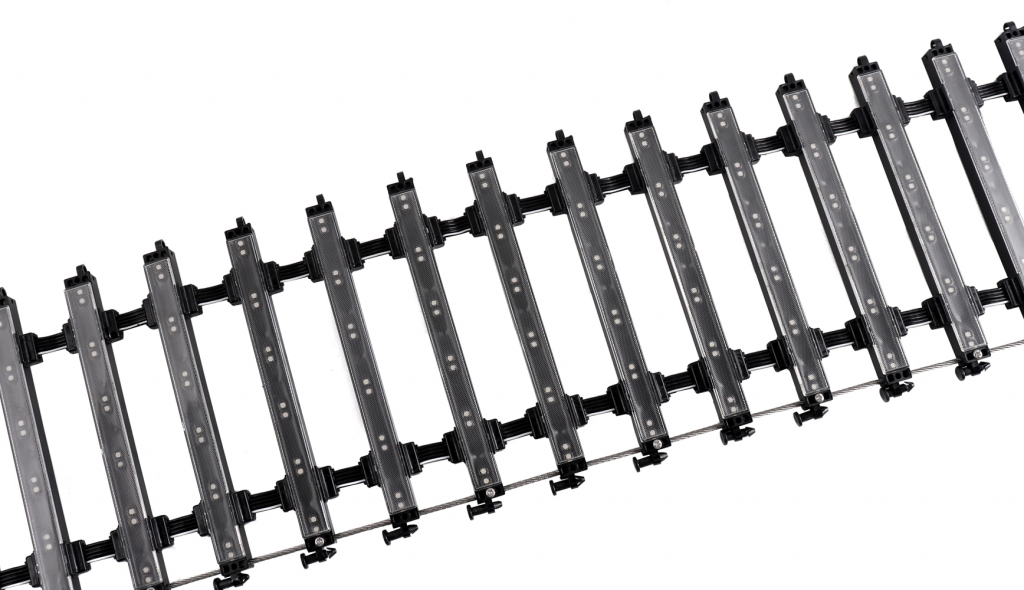
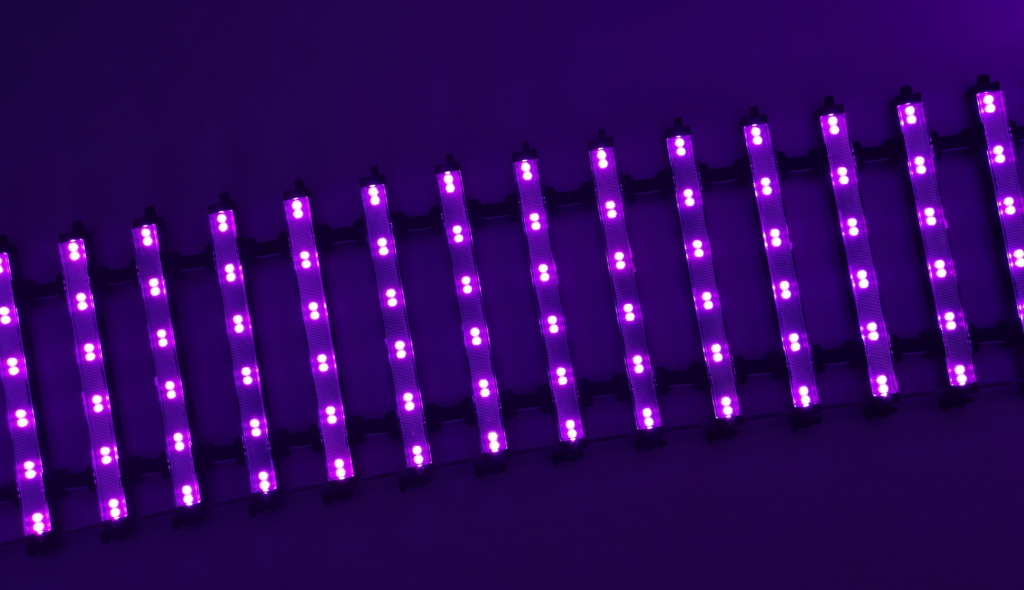
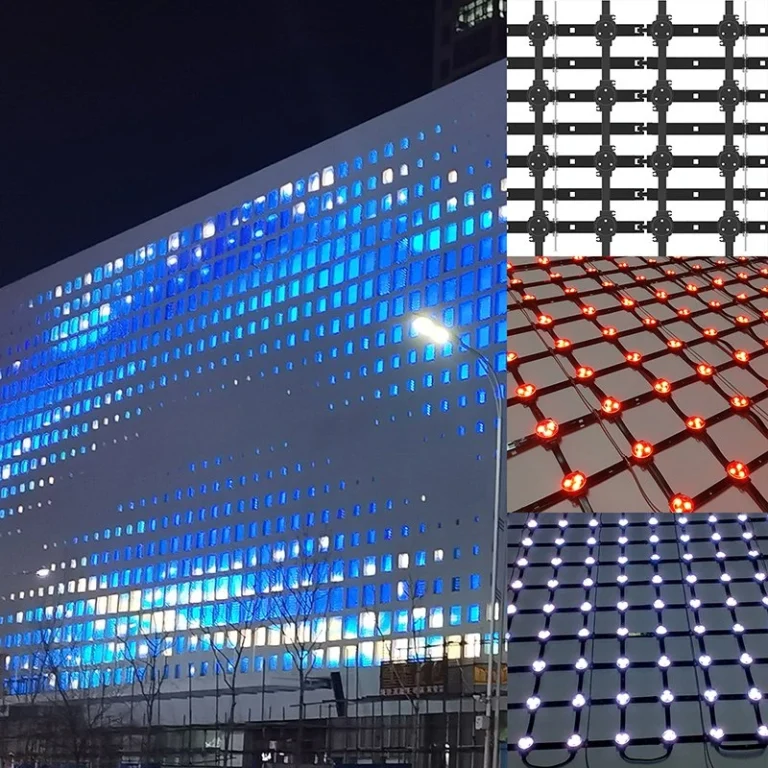
Build starts with the PET carrier film—thin, heat-resistant, flexible. Microscopic LED chips sit in a sparse grid, connected by traces narrowed to the point they barely register at normal distances. Diffraction tricks handle the rest, scattering light so pixels fade into the background when unlit, which is why high-transparency flexible LED film achieves that signature near-invisible look.
The last couple of years brought focused upgrades. Chip sizes shrank further, allowing tighter pixel pitches without tanking see-through rates. Encapsulation layers now shrug off UV better and handle wider temperature swings, pushing mean time to issues well past 70,000 hours in standard commercial cycling. Driver efficiency climbed, dropping typical draw to 100–200 W per square meter under real content loads—noticeable on big elevations where energy bills matter.
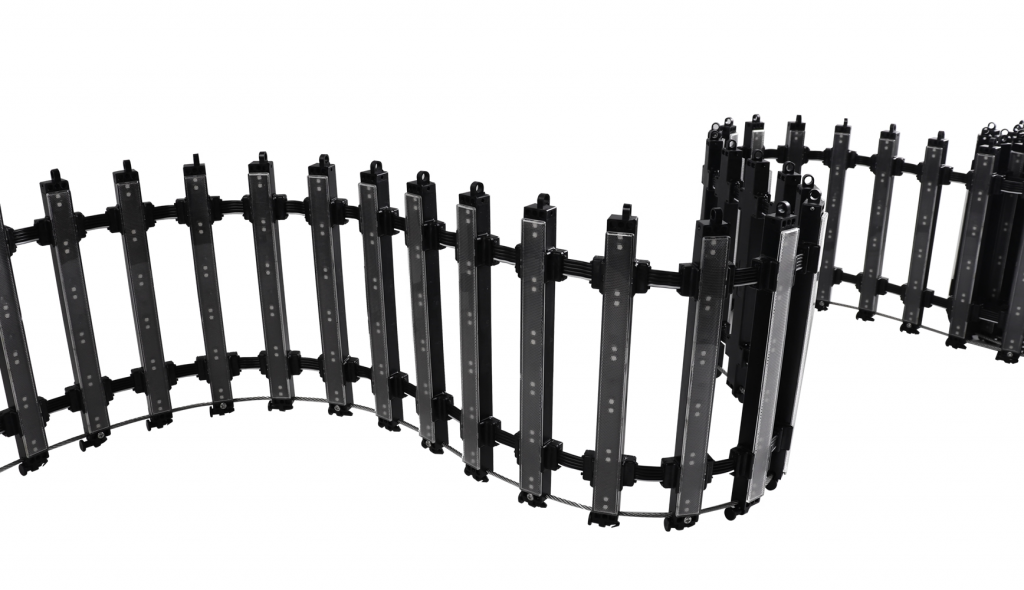
Bend performance moved forward too. Current lots routinely handle radii down to 2000 mm or tighter in controlled conditions, so curved atrium glass, rounded columns, or wave-shaped facades no longer force compromises. Matrix-level redundancy cuts the odds of a single failed trace killing a section.
Material choices lean greener where possible. Recyclable substrates appear more often, and overall mass drops align with tighter building codes on embodied carbon. Taken together, these shifts make flexible transparent LED film a stronger contender against rigid alternatives in projects that run long.
Real-World Applications and Proven Success Cases
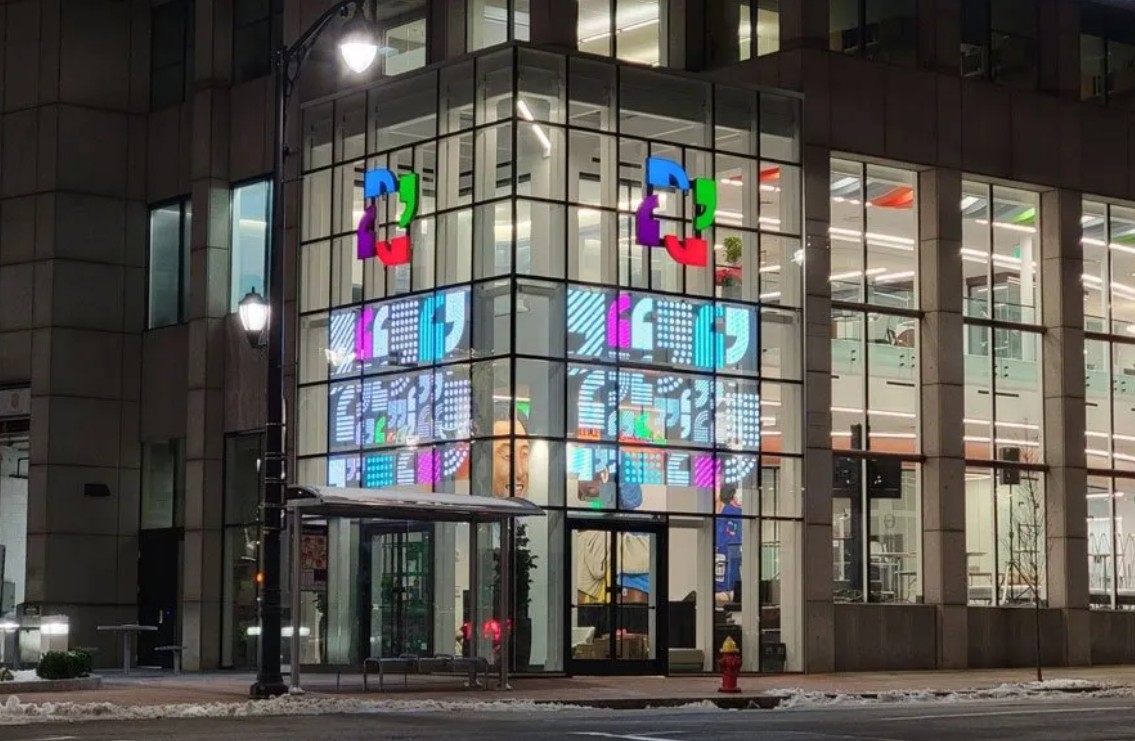
Storefronts still lead the pack. Cover a 4 m wide × 3 m tall glass panel and the street gets full-motion promos—product spins, seasonal loops, brand narratives—while shoppers inside keep the outside view clear. Field data from active retail deployments shows footfall lifts tied to well-timed creative, particularly when pixel density matches sidewalk viewing distances.
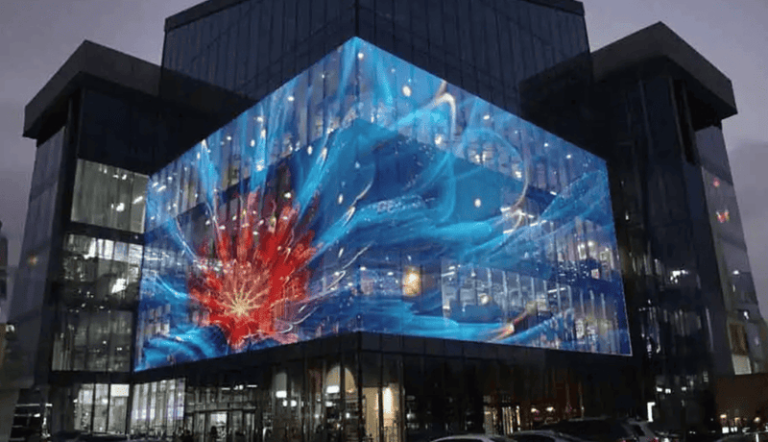
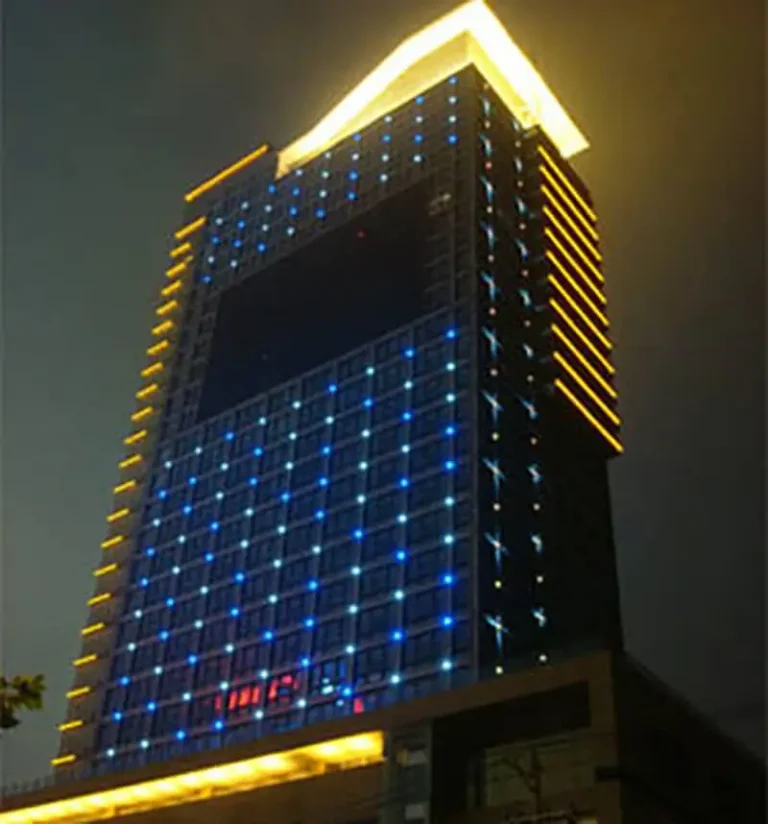
Facade work grows on mid- to high-rise buildings. Sections of curtain wall carry branding or directional messaging during operating hours, then fade back to near-clear after close. The minimal added load preserves original design intent; architects appreciate that the system does not protrude or alter profiles.
Exhibitions and temporary events lean on the removable nature. Glass dividers in booths take film overlays for sponsor content or data visualization. Curved or angled placements work cleanly—no need for segmented rigid frames that fight geometry.
Showrooms in automotive and hospitality pick up volume. Dealership glazing highlights vehicle details across wide spans; hotel lobbies use it for ambient welcomes or event calendars without blocking natural light paths.
Matching spec to site remains non-negotiable. Daytime retail needs the higher nits to punch through reflections. Shaded or interior zones trade some brightness for denser pixels and crisper close-up detail. Installations that run years without drama almost always share the same checklist: flawless prep, sealed edges, content timed to avoid constant max output.
Key Trends and Risk Considerations: 2026-2030 Outlook
Micro-LED steps forward as the clearest path to next-level performance. Smaller emitters target 98–99% transparency while holding or improving resolution, which could redefine premium architectural and luxury retail specs in the coming years.
Pricing continues its downward track. Scaled manufacturing and refined supply lines point toward 20–30% lower per-square-meter costs over the next three to four years, pulling the technology into broader mid-tier projects.
Combinations with switchable smart glass gain traction in prototypes and early rollouts. Surfaces flip between clear, privacy, and active display states—multifunctional in the truest sense for conference walls, hotel suites, or high-security lobbies.
Outdoor progress addresses old weak points. Better edge sealing, corrosion-resistant treatments, and brighter bins open semi-exposed spots like covered entrances or atria. Pure full-weather high-brightness versions stay limited, but the gap narrows.
The flip side stays real. Fast iteration cycles mean yesterday’s top spec can look dated quickly. Supply chain swings on key components and the need for occasional control updates require planning. Modular wiring and accessible access points help manage those risks on long-horizon jobs.
Practical Guide: Selecting and Deploying Flexible Transparent LED Film for Your Project
Define requirements first. Indoor ambient allows lower brightness and rewards finer pitch for detail. Street-level retail demands more nits and moderate spacing to keep transparency high while staying readable.
Check the substrate next. Confirm flatness or measure radius against bend limits. Custom cuts reduce seams on odd shapes. Early dimensioning avoids rework in the field.
Pixel pitch follows viewing geometry. P6–P8 covers 3–8 meter distances with sharp results; P10–P16 handles farther backdrops or larger scales while holding better see-through numbers.
Full-system costing includes film, controllers, power, media players, and qualified labor. Modular architecture simplifies later partial refreshes.
Installation sequence stays rigid. Clean glass with isopropyl solutions—every fingerprint or dust speck compromises bond strength. Apply within 10–30 °C window to dodge bubbles. Route cables along frames or hidden paths with proper strain relief.
Content execution shapes perceived performance. Dynamic sequences with adaptive curves outperform static holds. Light sensors linked to the processor scale output automatically, stretching LED life and trimming draw.
Supplier checks focus on track record. Demand measured transparency under controlled conditions, adhesion and shift warranties, and comparable project references. On-site oversight during first-off deployment catches issues before they scale.
About Shenzhen XinHe Lighting Optoelectronics Co., Ltd
Shenzhen XinHe Lighting Optoelectronics Co., Ltd maintains a strong footprint in LED optoelectronics since 2004. The operation runs a dedicated facility in Shenzhen, backed by multiple patents and certifications including ISO 9001, ISO 14001, and intellectual property management standards. R&D centers on advancing point light sources, grid screens, and related display technologies, delivering solutions built for reliable integration in commercial lighting and architectural projects.
Conclusión
Flexible transparent LED film sits at a mature stage with clear momentum toward higher performance and lower barriers. Improvements across efficiency, durability, and system compatibility make it a calculated pick for projects moving forward in 2026 and later. Matching specifications precisely, following proven deployment steps, and planning content deliberately turn capability into consistent results. The timing favors organizations that evaluate the technology with discipline.
FAQs
What transparency percentage should flexible transparent LED film achieve for retail storefronts in 2026?
Current high-spec flexible transparent LED film routinely delivers 90–95% transparency when powered down, balancing clear sightlines through glass with strong daytime content visibility.
Which pixel pitch is best for flexible transparent LED film on a street-facing retail window?
P8–P10 ranges typically deliver the most practical compromise for street-facing retail windows, offering readable resolution at 5–15 meter distances without dropping transparency below acceptable levels for storefront use.
What are the most common installation mistakes with flexible transparent LED film on glass?
Surface contamination tops the list—leftover oils, dust, or residues prevent full adhesion and lead to peeling or bubbles. Applying outside the ideal temperature band or skipping cable strain relief at junctions creates early failures in alignment, power delivery, or long-term bond integrity.
How will Micro-LED affect flexible transparent LED film applications by 2030?
Micro-LED adoption is projected to drive transparency toward 98–99% while supporting finer resolutions, expanding viability for demanding architectural facades and luxury retail environments where minimal visual footprint remains essential.
Why choose flexible transparent LED film over traditional rigid LED screens for glass facade projects?
Flexible transparent LED film imposes far lower structural load, eliminates bulky framing, bonds directly to existing glazing, and preserves substantially higher see-through capability, aligning better with designs that place architectural clarity and clean aesthetics ahead of peak outdoor brightness.


 Spanish
  English
  Arabic
  Russian
  French