

Over the past few years, flexible transparent LED films have become a key tool in architectural work and smart building setups. They mix smart digital display tech with materials that let light pass through easily. This lets architects and designers change glass areas into lively, hands-on spots. Unlike old LED displays, flexible transparent LED films keep natural light coming in. At the same time, they show clear, colorful images. Shenzhen XinHe Lighting Optoelectronics Co., Ltd’s LED crystal truss screens show this new idea well. They have a light weight, bendable form, and very slim build. This makes setup simple. You don’t need extra steel frames.
This mix of tech and looks has big effects on business and home projects. You can use them in office dividers, shop windows, or city fronts. These films improve shape and use. The next parts look at their main traits, uses, and coming changes in architecture and smart buildings.
Key Features of Flexible Transparent LED Films
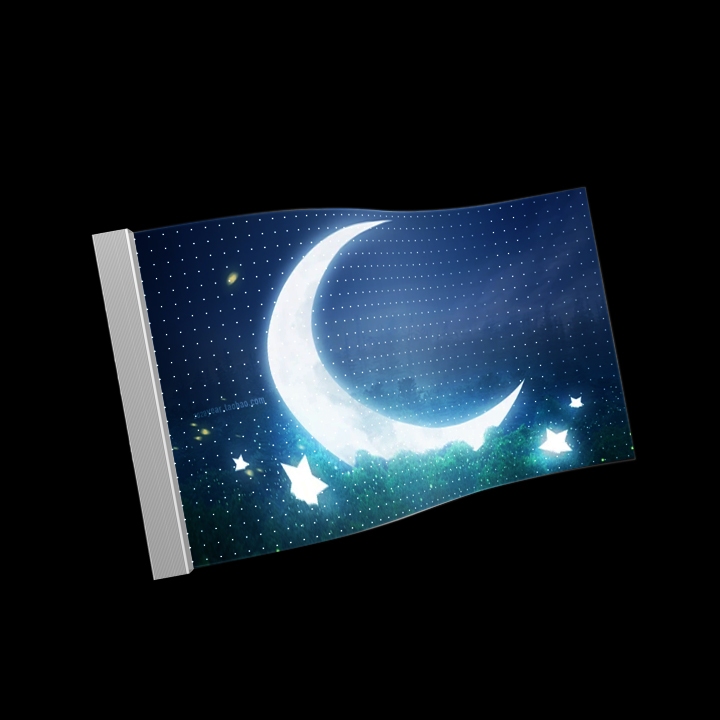
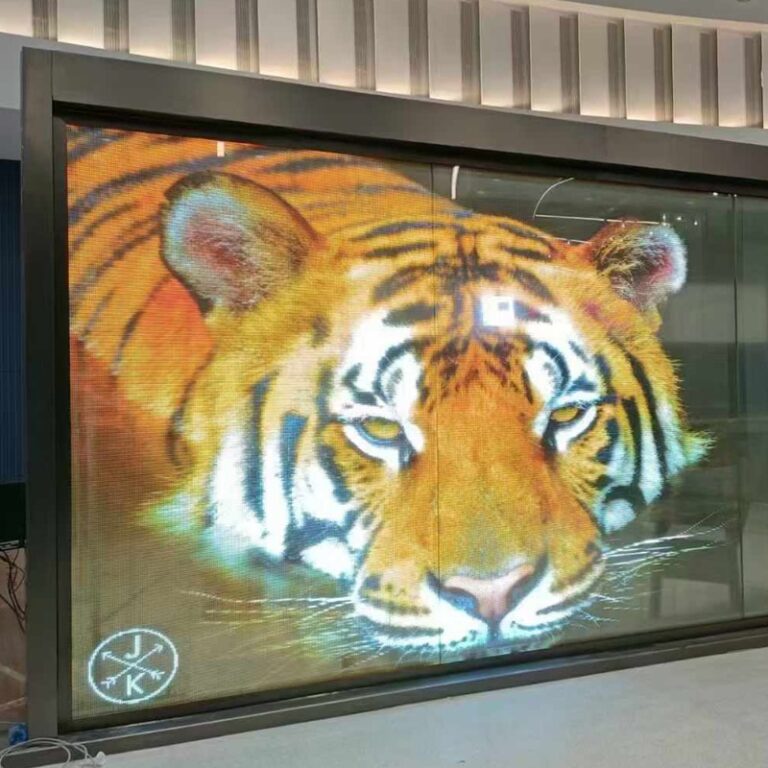
Flexible transparent LED films are built to join high clearness with strong digital output. The main part is a clear film base. It gets a PVD crystal coating treatment. A tiny metal mesh adds strength. This setup reaches up to 95% light passage. It keeps daytime light inside buildings. Plus, it gives sharp, bright pictures.
These films are quite slim. They usually measure less than 2mm thick. This keeps them light. It also makes them easy to place on smooth, bent, or odd-shaped areas. On top of that, they save energy. They use less power than standard LED boards. This helps with eco-friendly building ways. It fits with green approval rules in business and home builds.
These films blend digital info with see-through surfaces smoothly. They give architects new ways to create. The setups work well and look good. They don’t block sights or natural light.
Integrating Display Technology into Building Materials
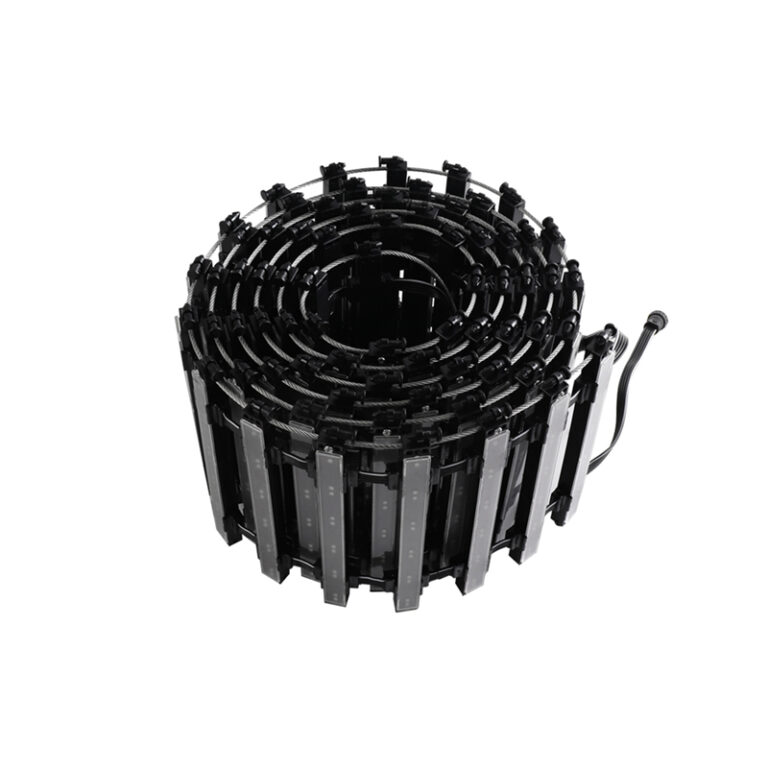
One of the best parts about flexible transparent LED films is how they add digital display functions right into building parts. Old LED screens often need big frames. They also call for changes to the structure. But XinHe’s crystal truss screens use bendable clear films as the base. This keeps the whole module under 2mm thick. Setup is easy. The displays start working as soon as you apply them.
This joining turns still glass areas into active zones for info, ads, or art. Designers mix building parts with media skills. They make spaces that work and draw people in. Picture stories become part of how buildings speak. This makes structures key players in how users feel.
The bend in design is great. But these films offer more than looks. They help smart building skills grow.
Enhancing Smart Building Capabilities
Flexible transparent LED films link real builds with digital control systems. When you add IoT tech to them, they react to data from the surroundings. For instance, they handle info on heat, light levels, or how many people are around.
Interactive and Adaptive Displays
You can connect LED films to building control systems. This lets architects and managers make spaces that adjust. The screens can change brightness on their own based on sun light. They can also show up-to-date details on power use, air clean, or crowd size. Some setups let you touch the glass. This makes the surface useful and fun for people in the building.
Eficiencia Energética y Sostenibilidad
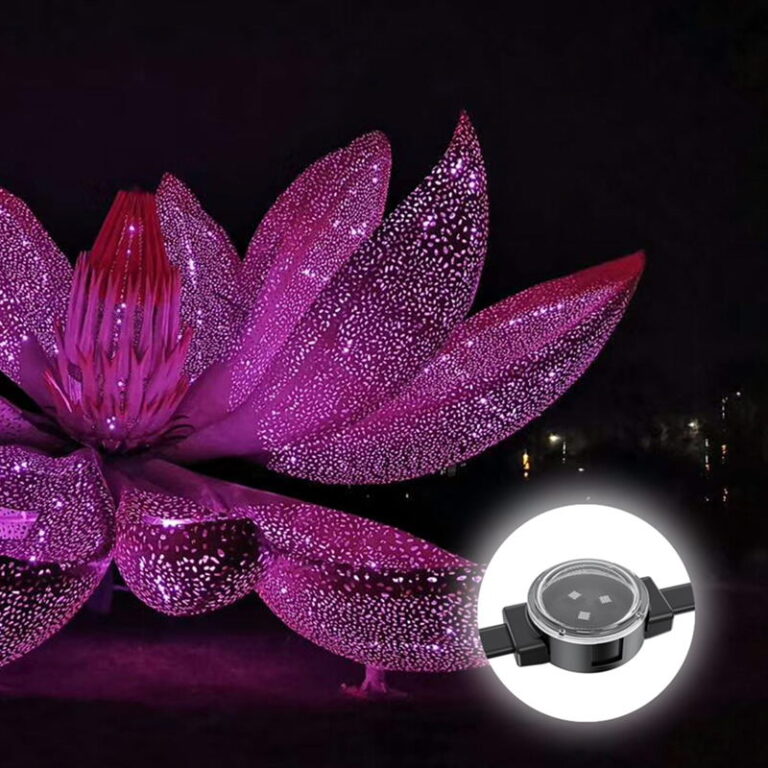
These films use a micro-LED design. They have a special spread-out micro-hole way to let heat out. Because of this, they need far less energy than regular LED screens. They serve two roles as lights and screens. This cuts the need for extra setups. It lowers costs to run. Buildings with flexible transparent LED films can get green building stamps more easily. This matches today’s goals for lasting use.
Smart work and energy savings are key. But flexible transparent LED films also change how buildings look in big ways.
Influencing Architectural Aesthetics
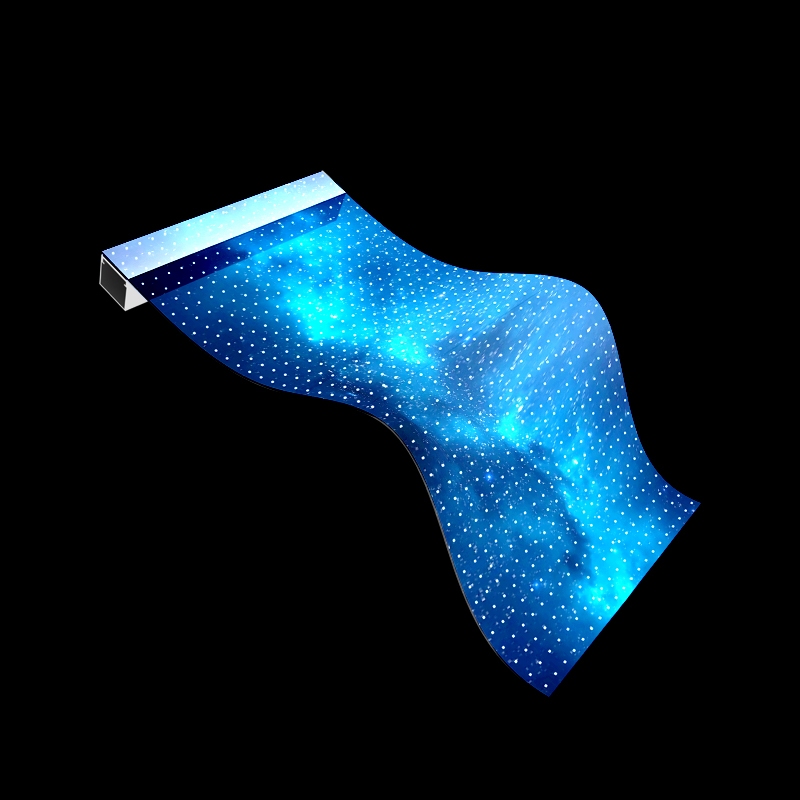
Clear LED films let architects mix digital media with the real form of a building. They keep high light passage. So, designers can put lively content on glass fronts or splits. They do this without losing open feel or natural light.
Facade Design and Urban Landscapes
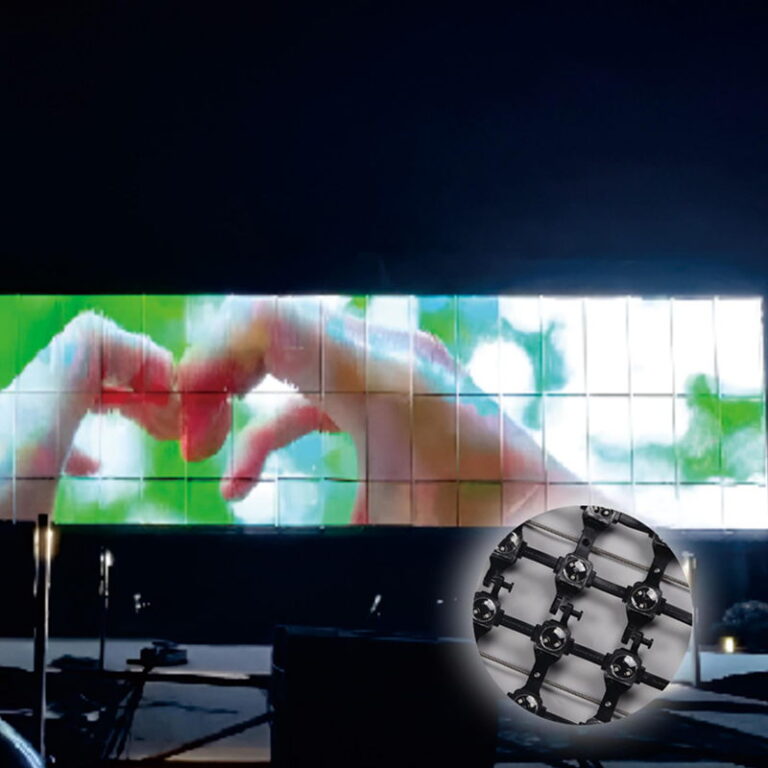
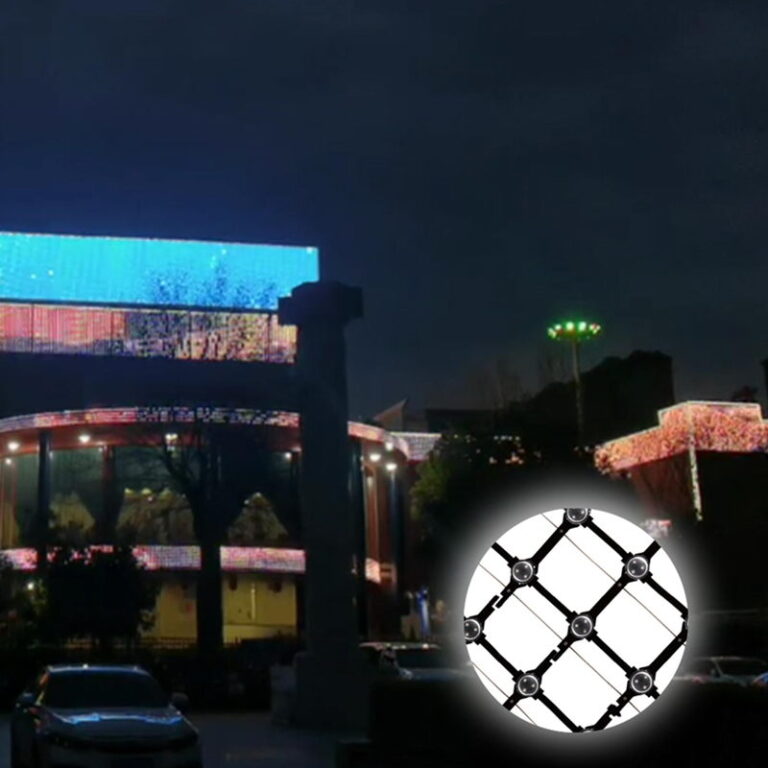
City areas gain from flexible transparent LED films with moving fronts. They change glass on malls, offices, airports, and culture spots into digital story places. During the day, the screens blend in almost unseen. They keep the building’s simple lines. At night, they light up the area with moving pictures and images. This boosts the city’s sense and makes public spots more fun.
Interior Design Applications
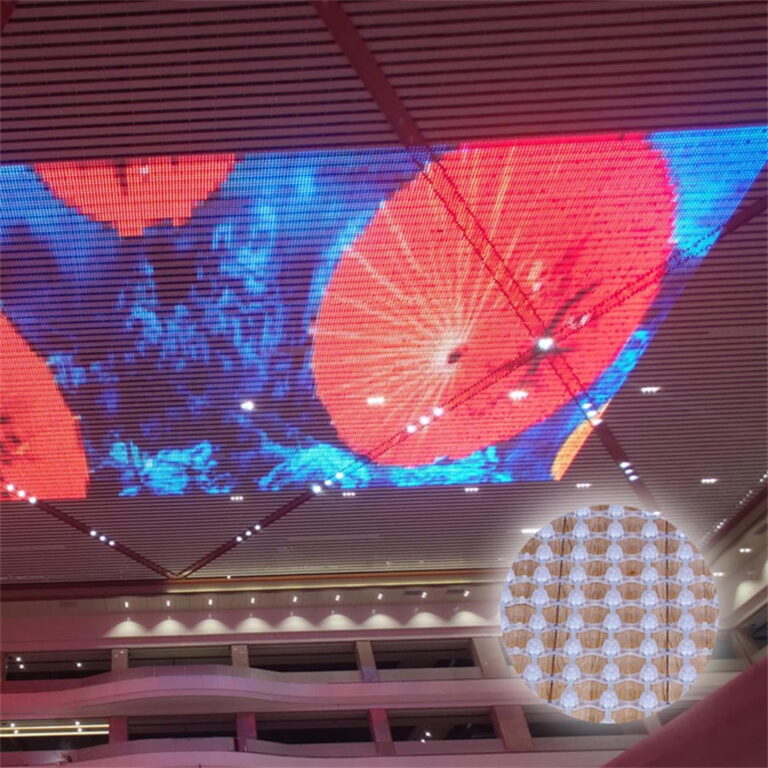
In building insides, flexible LED films give designers ways to add sight parts to walls, show cases, and display zones. Spots like museums, hotels, and shops use these films for deep stories and brand links. The product can be made to fit size and shape needs. So, even odd or bent areas can turn into hands-on media spots. This makes the building part of the story feel.
Flexible transparent LED films are growing. This shows a change in how big display tech gets used.
Evolution of Giant Screen Displays
Big digital screens are moving from stiff boards to bendable clear films. This change makes setups lighter. It also makes them easier to fit in. They keep good sight output.
Comparison with Conventional LED Screens
Old LED screens block views a lot. They are heavy too. Flexible transparent LED films measure under 2mm thick. They let up to 95% light through. This gives a lighter, slimmer, and clearer choice. Fixing is easier. You can swap single parts without taking down whole boards. This helps a lot in tall builds or tricky front setups.
Commercial and Public Installations
People use flexible transparent LED films more in airports, malls, show centers, and big stage events. They work as ad screens, info boards, or deep feel platforms. Their fit lets you set them up for short or long times. This makes city spots moving and multi-use. It does this without build changes.
With these good points, architects look for solid partners to get and use these techs.
Why Shenzhen XinHe Lighting Optoelectronics Co., Ltd Stands Out
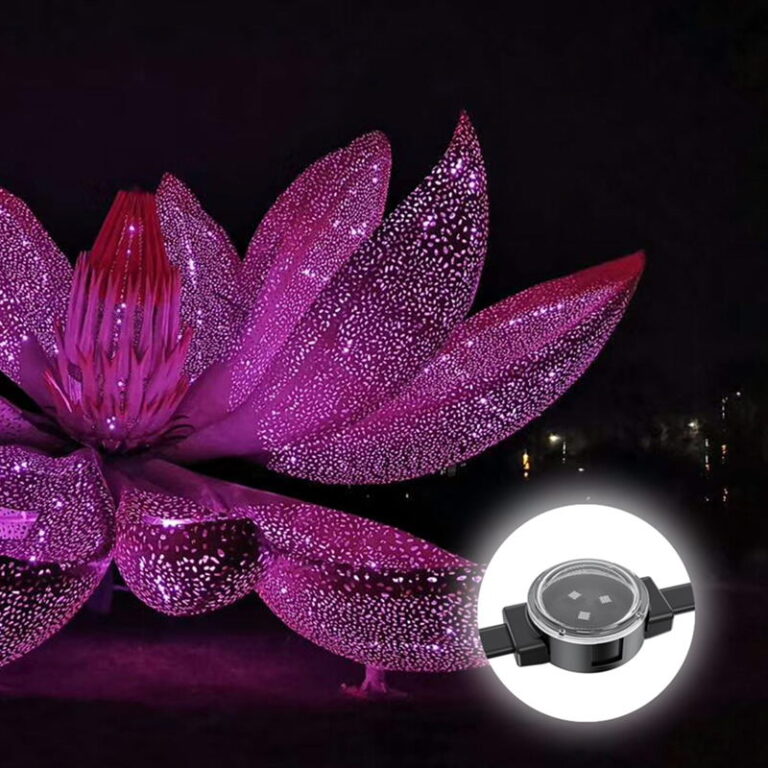
Shenzhen XinHe Lighting Optoelectronics Co., Ltd started in 2004. It leads the world in flexible transparent LED films. The firm works on point light source studies and grid screen uses. They hold many patents and own techs. Their “Bean” line has worked well in projects across the globe. They give full help from plan to setup.
Core Strengths
- National high-tech enterprise recognition
- ISO14001 environmental certification
- ISO9001 quality management certification
- Advanced manufacturing equipment ensuring consistent product quality
- Customizable solutions for large-scale and unique architectural projects
XinHe brings tech new ideas, steady supply, and world project know-how together. This makes them a top pick for business-to-business and business-to-customer clients in building and display fields.
Tech keeps growing. Flexible transparent LED films will keep shaping building design ahead.
Future Trends in Transparent LED Film Technology
Smart cities and linked buildings are expanding. This will grow the job of clear LED films more. New ideas coming include:
- Higher pixel density: Sharper images for close-range viewing while maintaining high transparency
- Enhanced outdoor durability: Flexible bases designed to withstand harsh weather conditions
- Integration with green building strategies: Energy-efficient displays contributing to sustainable architecture
These changes show that flexible transparent LED films will boost looks. They will also make buildings smarter, quicker to react, and better for the earth.
Conclusion: Merging Art, Technology, and Architecture
Flexible transparent LED films bring creative design and smart tech together. They let buildings work as hands-on, changing spots. They do this without cutting natural light or energy savings. For architects, builders, and smart building planners, these films give fresh ways to draw in users. They improve city views and meet lasting goals. Shenzhen XinHe Lighting Optoelectronics Co., Ltd has the skills, quality, and world links to turn these big changes into real setups.
FAQs
1. Are flexible transparent LED films suitable for outdoor environments?
Yes, they are made with weather-resistant materials that can withstand UV exposure, rain, and temperature variations when installed correctly.
2. Can flexible LED films be customized for irregular shapes?
Absolutely. The films can be cut and folded as needed, allowing for fully customized installations on curved or non-standard surfaces.
3. What maintenance is required after installation?
Regular cleaning with mild detergents is sufficient. Individual film sections can be replaced without dismantling the entire system, ensuring long-term performance and minimal disruption.




 Spanish
  English
  Arabic
  Russian
  French