

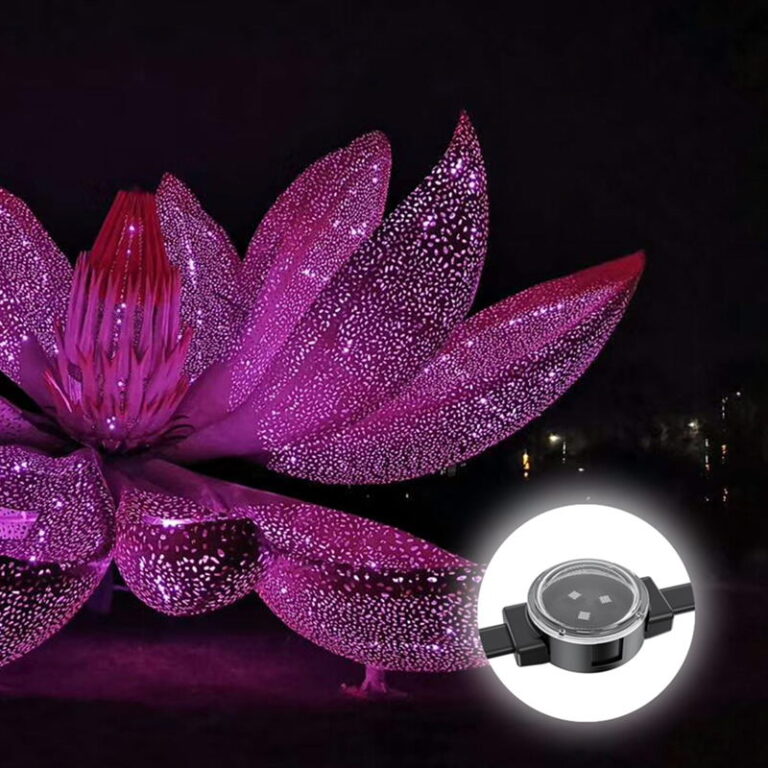
focos LED have become essential in modern architectural lighting design. They play a key role in big building facade projects. The Classic H Series LED point light shines because of its excellent optical performance and flexibility. These lights give designers ways to build eye-catching facades. Such designs blend function, creativity, and eco-friendliness. Their small size and strong output suit tricky building shapes. In those cases, exact control of light is vital.
Architectural Lighting. This idea shows how lights change a building’s outside into a bold visual message at night. The Classic H Series LED point light brings this change to life. It offers both beauty and green efficiency.
Key Characteristics of LED Point Lights
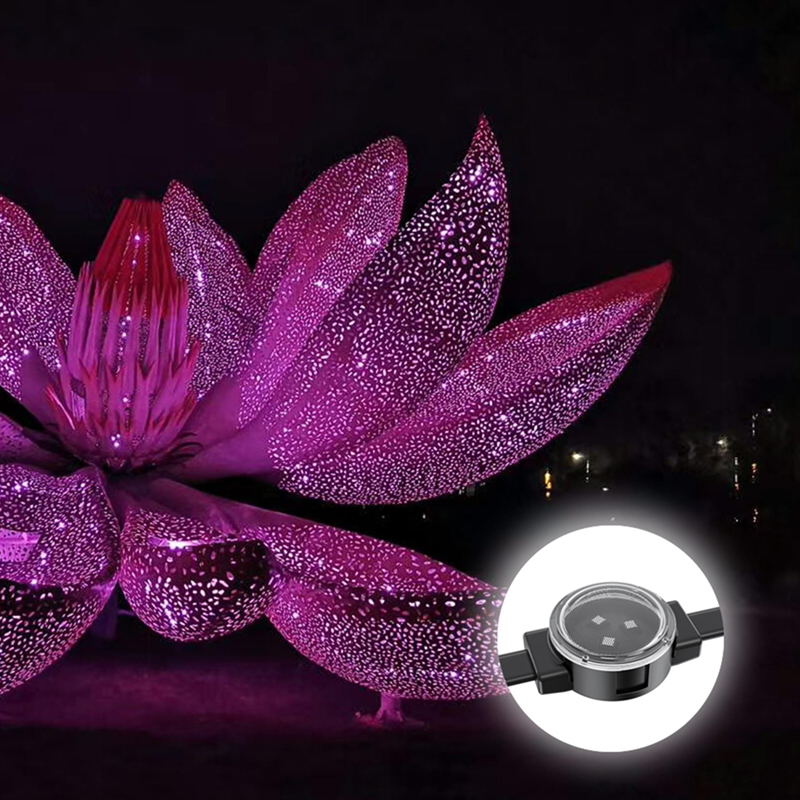
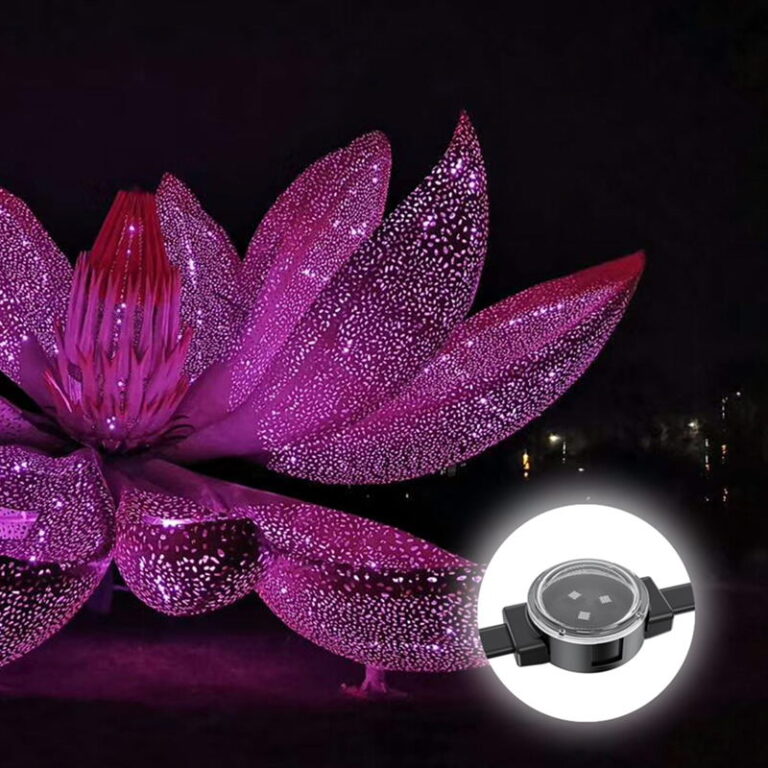
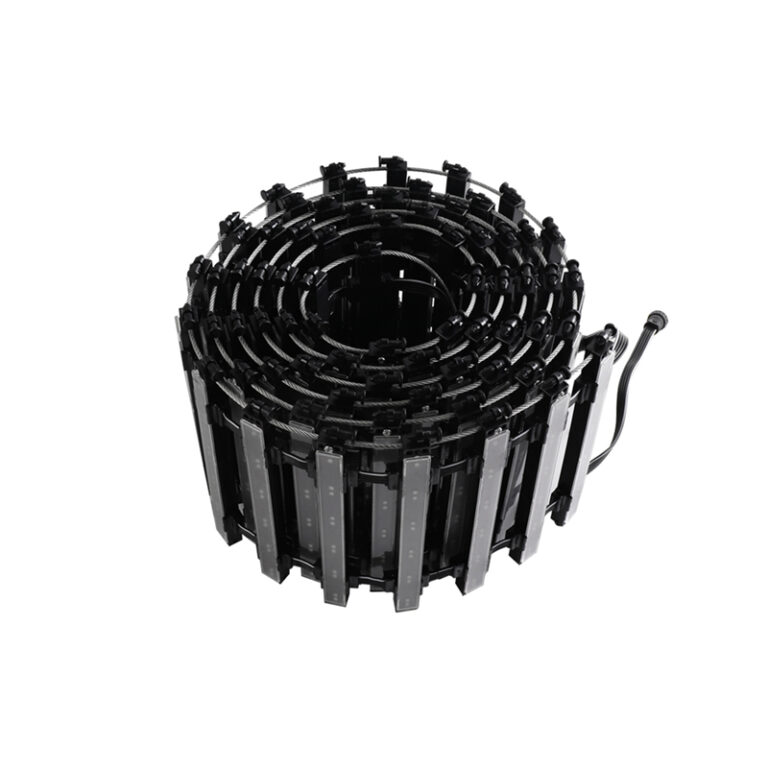
LED point lights stand out due to their small build, good light output, and long life in use. The Classic H Series uses smart heat control tech. This cuts down on heat while keeping steady brightness. Its piece-by-piece build makes setup simple on tough spots like glass walls or metal sheets.
Credit cooperative brand keeps pushing new ideas. It built on open lights and improved the tiny point light with anchor nails. This change has earned lots of good feedback in the field. People use it in many places. You can see this new approach in the Classic H Series’ design ideas. It focuses on careful building and strong setup.
Benefits of Using LED Point Lights in Building Facades
In facade uses, LED point lights bring clear gains:
- Precision Control: The Classic H Series lets you aim light at key spots. It highlights details like roof edges or pillars.
- Dynamic Effects: Built-in DMX or DALI systems make smooth color shifts. They work well for events or changing seasons.
- Sustainability: Their low energy use cuts down on carbon output. At the same time, it keeps costs low over time.
These perks make LED point lights key tools. They help shape green city night views. Such views fit today’s design rules.
How Are LED Point Lights Applied in Different Facade Lighting Scenarios?
LED point lights work well in many facade setups. Designers apply them to form light shapes that match a building’s form and materials. The Classic H Series does great in fixed light plans. It also handles moving setups that need matched motion or color shifts.
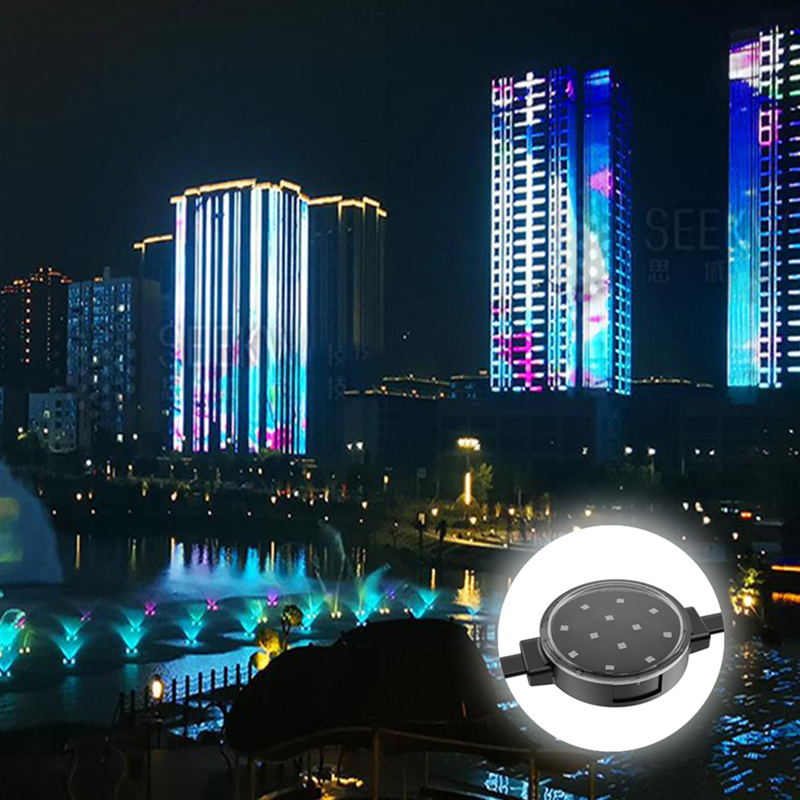
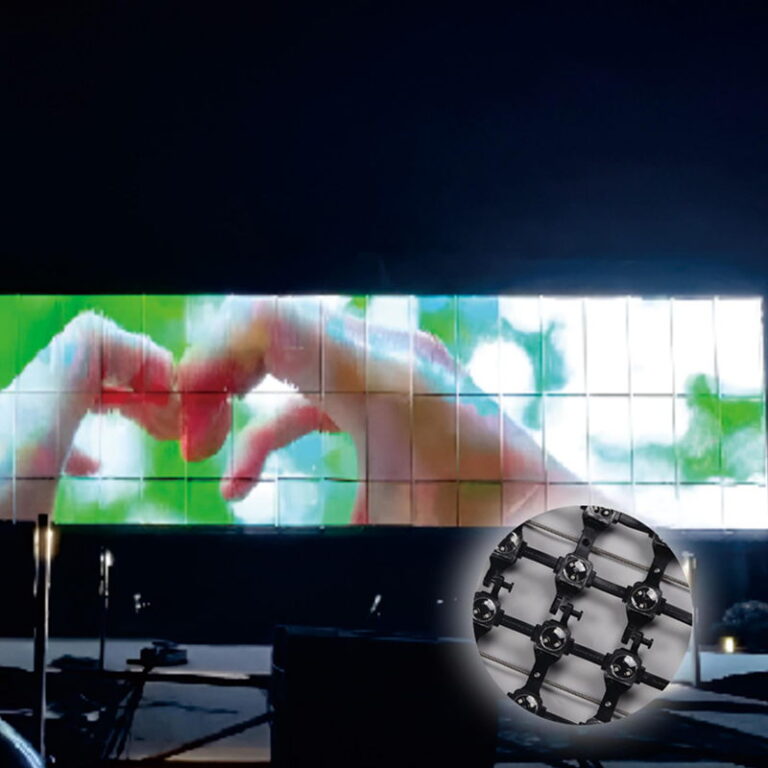
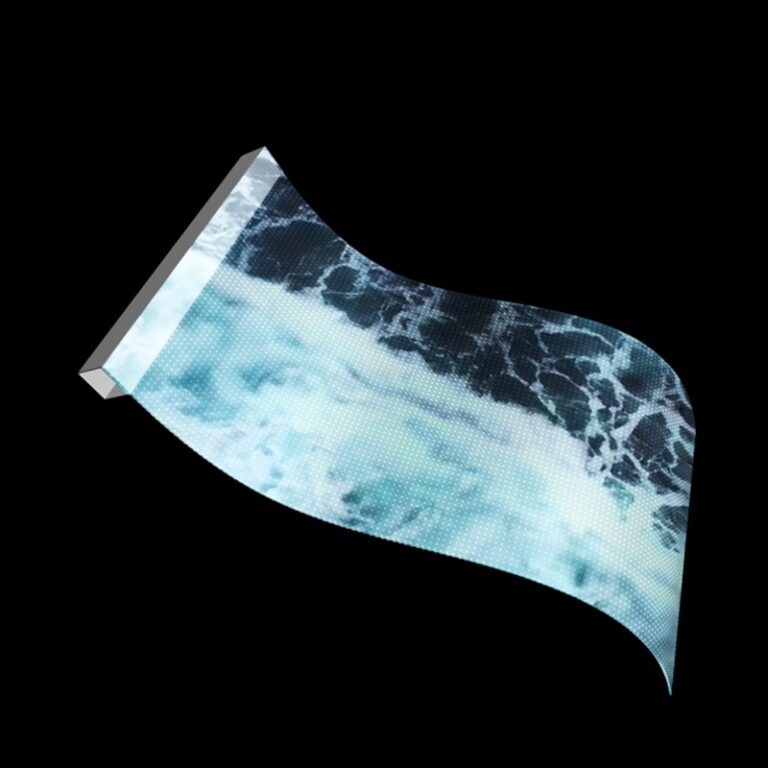
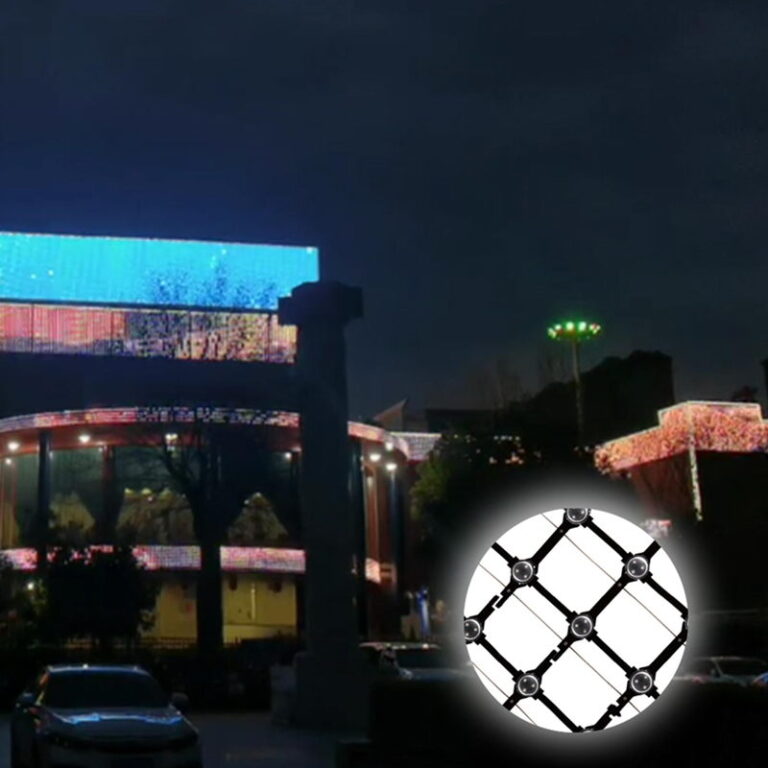
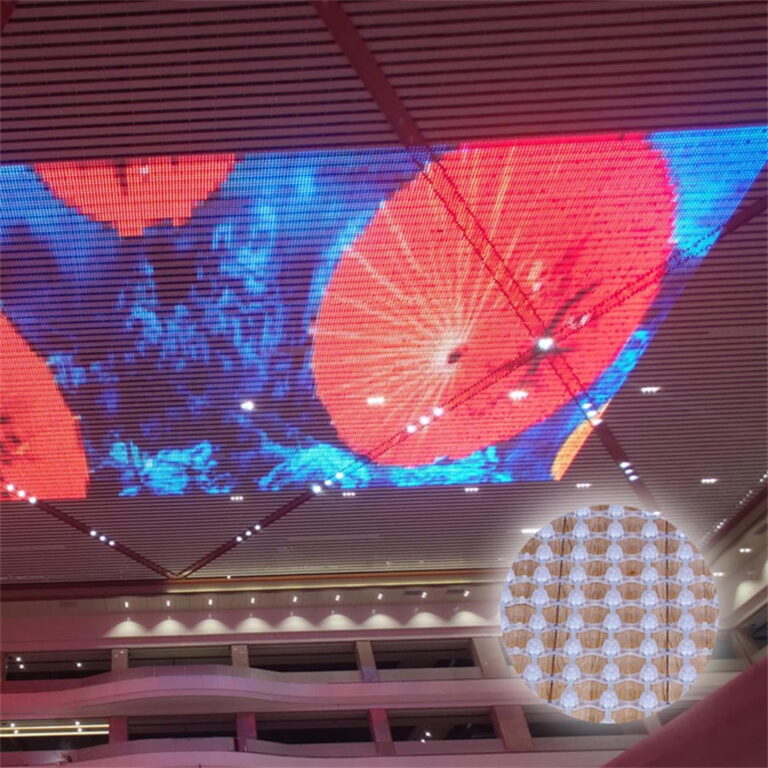
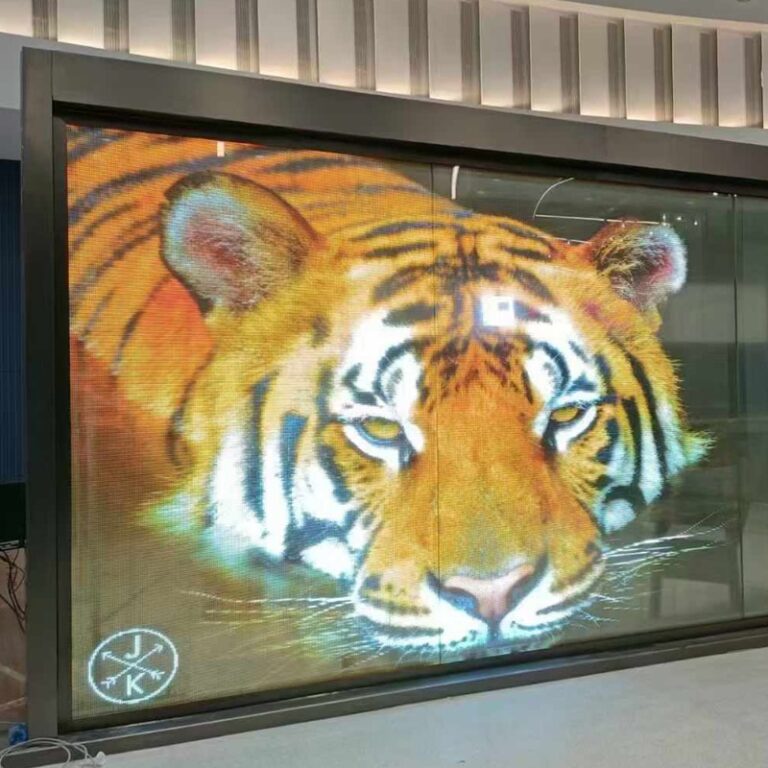
It fits mainly in big building facades and glass curtain walls. You see it in large stage events too. It suits creative designs and cultural tourism shows. It works for night dining and shopping. Plus, it aids cultural shows, tourism sights, leisure fun, sports and fitness, exhibits and sales. It covers other spots as well. In general, we suggest fitting LED grid screens for clients. We base this on project size, setup height, view range, light needs, and final effects. This shows how flexible lights like the Classic H Series fit into varied building scenes.
Linear and Grid Arrangements for Architectural Patterns
Grid setups give even light over wide areas. Think tall building sides or shopping centers. Line setups stress up-down or side-to-side lines. They bring out the building’s flow. The Classic H Series has changeable light spreads. So, designers can adjust the look. They balance even light and sharp contrasts.
Dynamic Color-Changing Applications
RGBW setups in the Classic H Series allow easy color changes. With DMX512 controls, each light point works on its own. This creates smooth moving pictures over facades. Such color play boosts brand looks for office buildings. It also improves cultural spots with theme shifts by season.
Highlighting Architectural Features with Focused Illumination
For old sites or new museums, where feel matters most, the Classic H Series uses tight light beams. They focus sharp without extra shine or light waste. Layered light methods add real depth to flat areas. They mix different beam sizes at set strengths.
What Technical Considerations Influence the Design of Facade Lighting Projects?
Before setting up any facade light system, you need a good check. This ensures top work in real settings. The Classic H Series meets these needs with solid build rules. They aim for lasting strength and easy fitting.
Power Supply and Control Systems Integration
Project size decides if you use one main power spot or spread-out ones. The Classic H Series works with both DMX512 and DALI ways. They give fine control over each light part. Wireless choices help in update jobs. There, wire mess must stay low.
Environmental Durability and Protection Standards
Outside facade jobs need toughness against weather. The Classic H Series hits IP67 level. This beats basic IP65 needs. It fights dust and water well. Anti-rust layers protect even in salty sea areas.
Built-in heat controls in each light stop overheat in long runs. Thus, they keep steady light output over their full life.
Installation Techniques for Structural Compatibility
Bracket mounts let you fix them safely to many materials. This includes stone covers or aluminum sheets. It keeps the look clean. The piece-by-piece design eases upkeep. You can swap single units without taking apart whole facade wire setups.
Wire paths follow safe rules. They also keep sights neat. This matters in high-end building jobs. There, small details set the quality feel.
How Do Designers Achieve Artistic Expression Through LED Point Light Systems?
Facade lighting goes beyond basic light. It turns into an art form that shows who a place is through tech. With set programs in systems like the Classic H Series, designers can plan light flows. These match the building’s beat in a lively way.
Synchronizing Light with Architecture’s Rhythm and Texture
Light point mapping lines up each LED spot right on building grids. So, light spread fits the surface shape without gaps. By changing light levels over areas, designers create a beat like in music. This boosts how space feels at night.
Creating Interactive Visual Experiences
Movement sensors in control nets let facades respond to people walking by. This turns still buildings into active art pieces. When linked with video throw systems, these setups change city views into deep story spots. They pull in groups with sight and feeling.
Why Is Shenzhen XinHe Lighting Optoelectronics Co., Ltd a Trusted Partner for LED Point Light Solutions?
Shenzhen XinHe Lighting Optoelectronics Co., Ltd has grown into a top maker. It focuses on fresh LED tech for building uses around the world.
We form a skilled group. We mainly offer plan ideas, budget help, product supply, and site tips for big building landscape and ad light projects. This full service way makes sure clients get full help. It covers from first ideas to setup. That is why XinHe Lighting is a solid choice for tough facade jobs using the Classic H Series LED point light.
Company Strengths and Expertise Areas
The firm’s research team stresses exact light build work. They keep colors even over many points. This is key in big light mapping jobs. Its wide range covers pixel lights, line lights, wall washers, floodlights, water lights, and smart control setups. All fit together well across building types.
Real wins spread over many lands. There, XinHe Lighting’s goods light up public spots and business centers. They show steady quality in different weather.
Compromiso con la Calidad y la Innovación
Every item goes through tough tests that match CE and RoHS rules. This promises safe use worldwide. Ongoing new work links old lines like the Classic H Series to new smart city setups. Those have IoT watch tools.
Conclusion: The Strategic Value of LED Point Lights in Architectural Lighting Design
LED point lights have changed how buildings share views in city spaces. They mix low energy use with strong show power. The Classic H Series shows this shift well. It gives architects well-built fixes. These can turn plain buildings into bright signs. They hold tech skill and back green aims in cities everywhere.
FAQs
1. What factors determine the selection of LED point lights for a specific facade project?
Choice relies on things like surface material kind, needed light strength, control match (DMX/DALI), weather risks (wetness or salt), setup height limits, view range hopes, and upkeep ease for steady long runs.
2. Can LED point lights be integrated into existing building structures without major modifications?
Yes. Piece mounts in systems like the Classic H Series make easy add-ons to old facades. They keep structure sound with non-harm fixes. These suit glass curtain walls or metal covers just the same.
3. How do control systems enhance the performance of LED point light installations?
Top talk ways like DMX512 allow exact match among single points. This lets you set color shifts or strength changes in order. Such steps lift both daily sight needs and art show level in building facade light jobs for today’s structures.



 Spanish
  English
  Arabic
  Russian
  French