

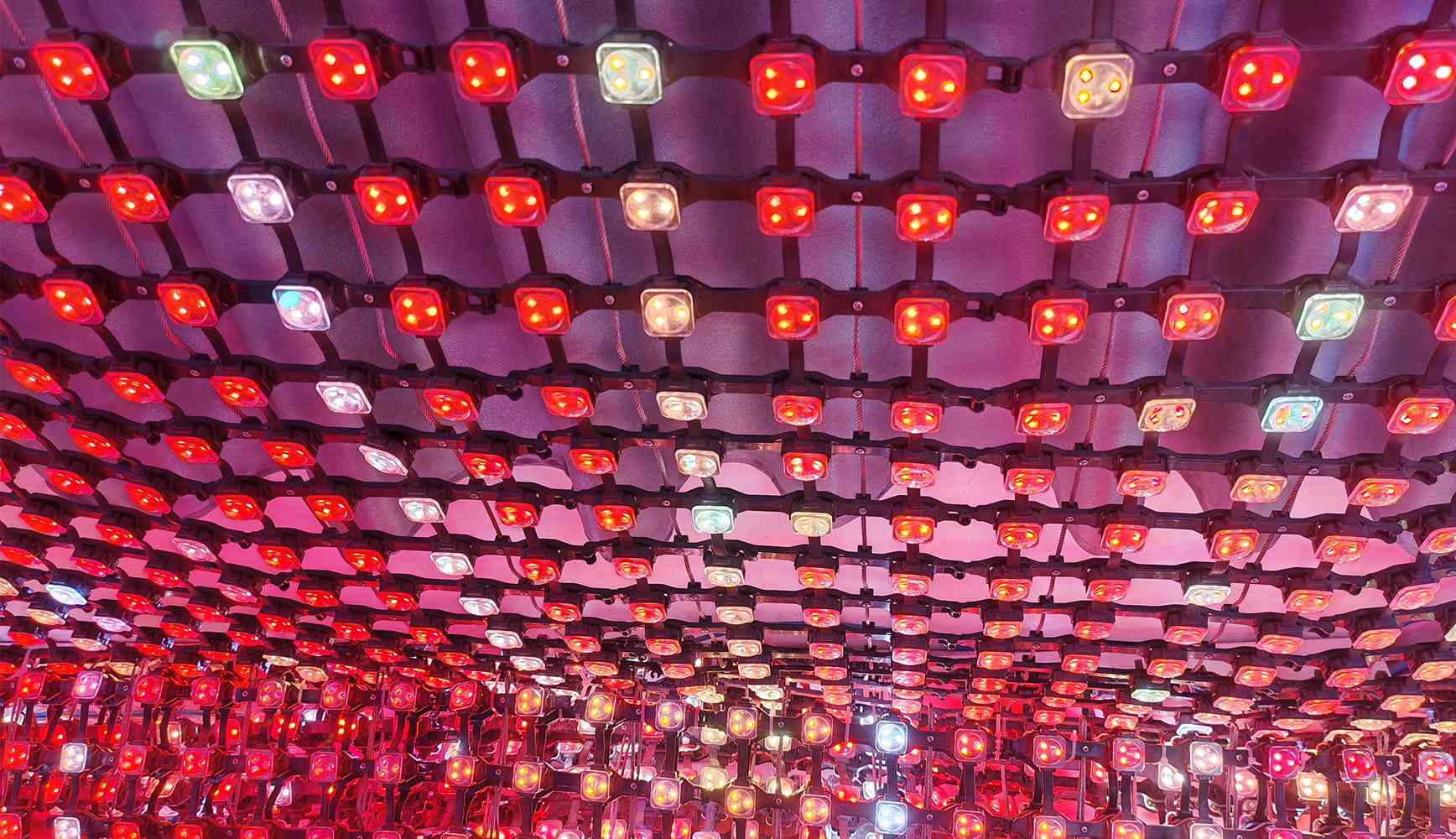
Color calibration forms the basis of visual accuracy in any LED screen display. This is especially true for LED mesh screens. Here, pixel consistency shapes the overall image quality. It makes sure that each pixel produces exact color values that match the planned content. In expert display settings like building facades or stage backgrounds, this accuracy is vital. It helps keep brand identity and visual strength intact.
How Calibration Affects Visual Accuracy
Good calibration matches the color output over all parts of an LED screen display. It ensures that no part looks brighter or shaded differently from the others. This process cuts down color shifts due to part wear or production differences. By keeping steady RGB strength across all diodes, tuned systems avoid image warping in big displays.
Exact color matching boosts the truthfulness of digital material used in ads and building setups. For example, when a brand’s logo shows on a large LED mesh wall, small changes in shade can harm its recognition and seen quality. So, calibration directly shapes how well digital items appear under different outside conditions.
Techniques Used in Modern LED Calibration
Current calibration mixes hardware and software tools to reach high accuracy. Precise colorimeters measure RGB values at the pixel level. They ensure even work across thousands of LEDs. Gamma correction curves adjust brightness and contrast as needed. This keeps a straight luminance reply under various viewing angles.
Software algorithms also matter a lot. They fix for changes in surrounding light picked up by built-in sensors. These flexible systems keep tweaking color temperature and brightness. As a result, they hold visual balance no matter the shifts in outer light.
Why Is Color Uniformity Essential in LED Mesh Walls?
Uniformity means the even spread of brightness and color output over a whole LED surface. Without solid uniformity control, people notice bothersome differences. These reduce image clearness and unity. This issue matters most for see-through or bendable mesh screens on glass facades or bent structures.
Factors Affecting Color Uniformity
A few things impact uniformity in LED mesh screens. Differences in LED chip sorting can cause small gaps in light strength or wavelength output among groups. Uneven power spread over linked panels might lead to local dim spots or too-bright areas.
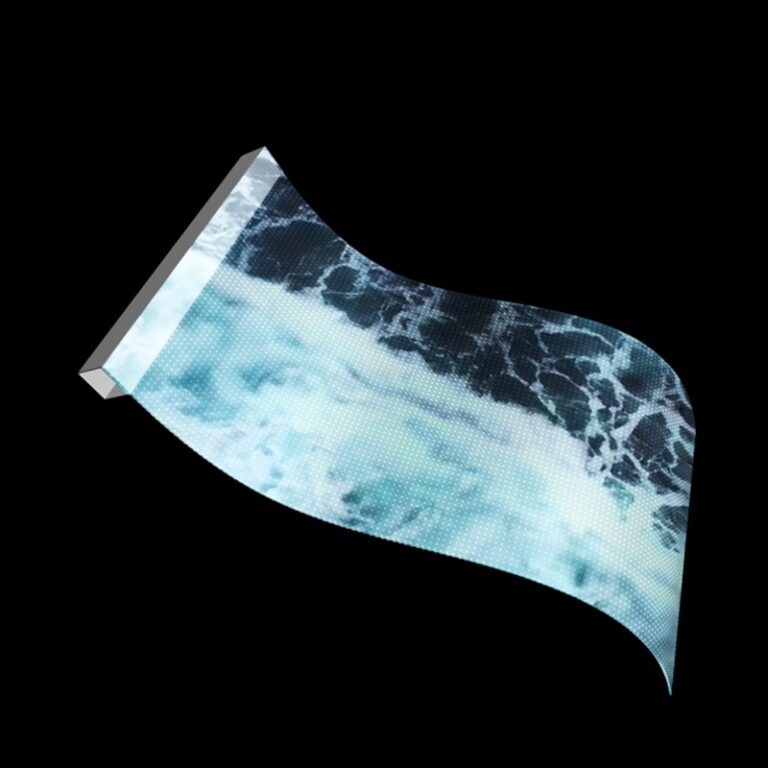
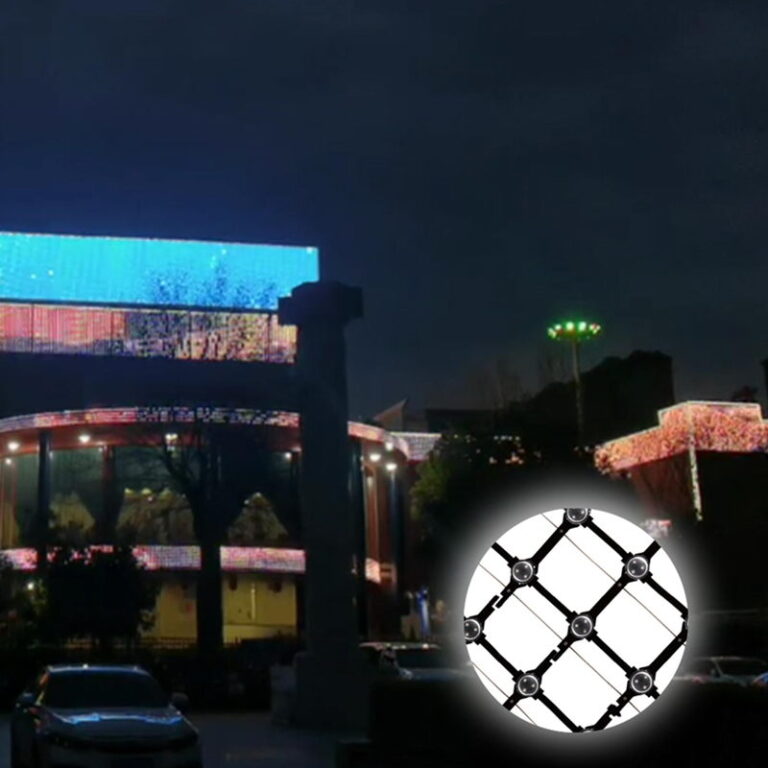
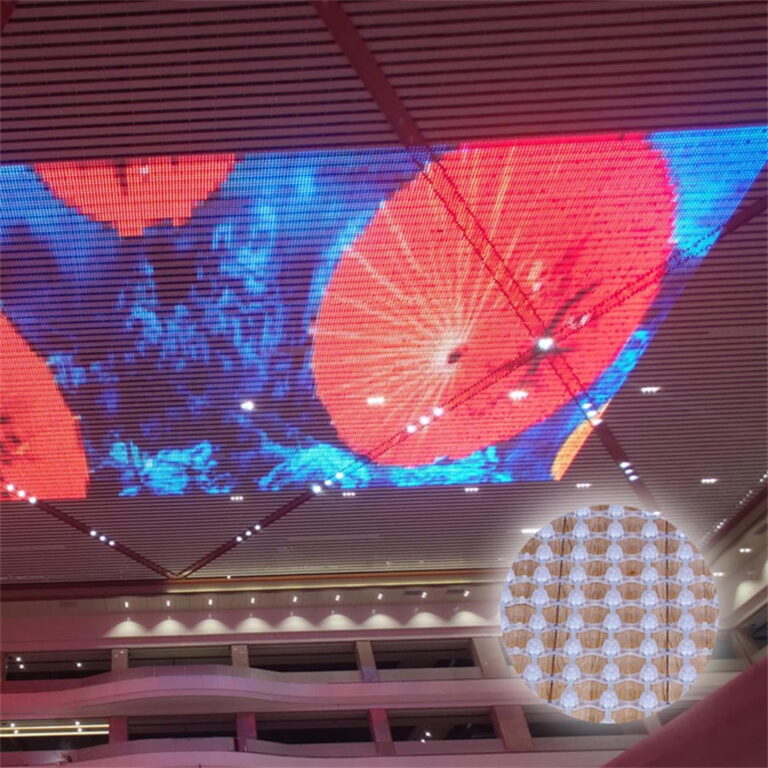
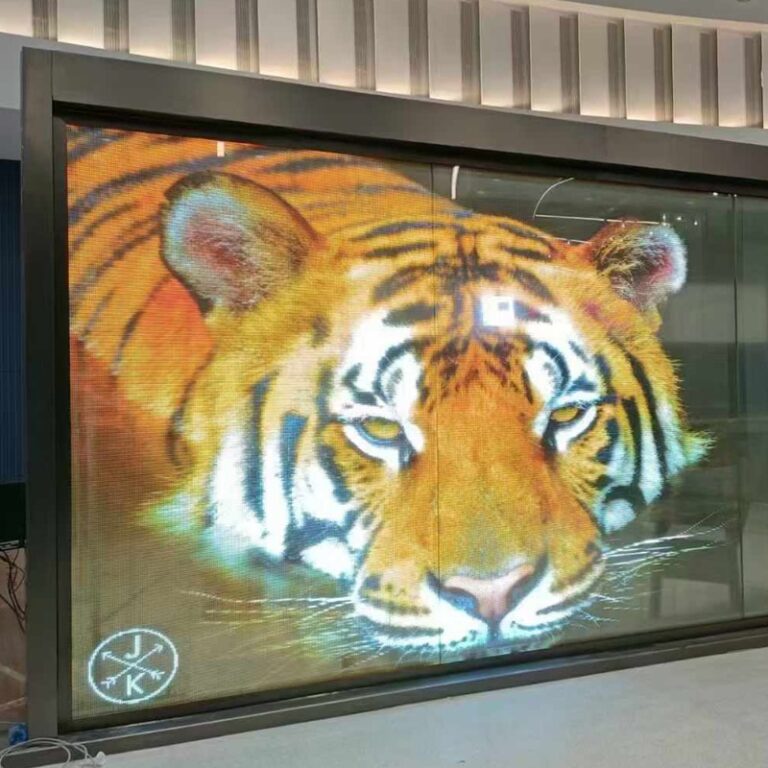
Outside factors like heat differences or moisture also change diode work and color steadiness over time. Grid screen is a large pitch LED display screen launched to meet the display needs of large areas such as real estate projects, commercial centers, glass curtain walls, hotels, and high-rise building facades, while also considering the characteristics of lightness, thinness, and transparency. These build traits make mesh screens more open to outside changes than closed cabinet displays.
Methods to Improve Uniformity in Large Displays
To boost uniformity, use ongoing retuning with auto light sensors. These can spot tiny shifts over broad areas. Modular swap plans help too. Faulty pixels or fading modules can change out without taking apart whole sections.
Modern driver ICs add to steadiness. They even out current flow among diodes in each module. This electric control stops local current jumps. Such jumps might speed up wear or create uneven brightness levels.
How Do Calibration and Uniformity Influence Perceived Image Quality?
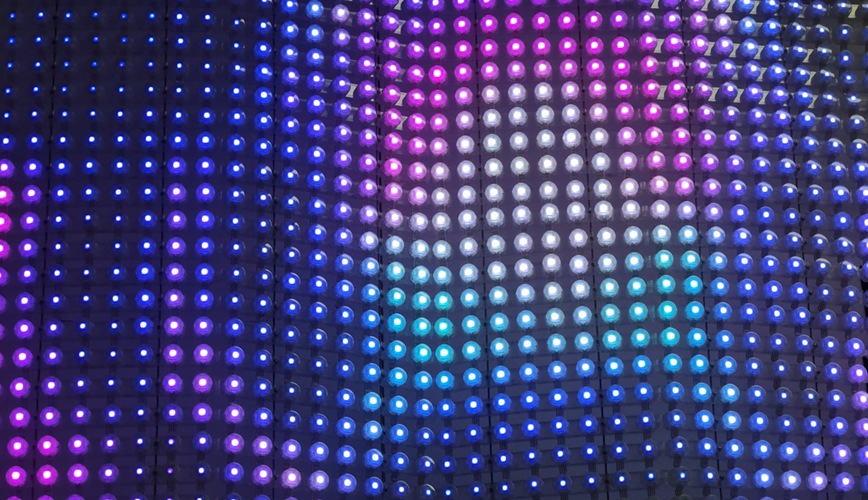
The link between right calibration and strong uniformity sets how lively and even an image looks on an LED mesh wall. Experts check these through light measurement to get the best brightness match. This works for both inside shows and outside building light projects.
The Relationship Between Brightness Consistency and Visual Comfort
Uneven brightness leads to eye strain. The human eye keeps adjusting to different light zones in one picture. Even light spread improves sharpness when showing high-detail content like digital art or promo clips.
Steady brightness makes smooth shifts between nearby panels. This is key for big setups like building facades. There, many modules create one ongoing surface.
The Impact on Color Depth and Dynamic Range
Calibration keeps dynamic range by making sure each pixel acts straight across its full strength range. Better gray scale matching raises detail sight in dim scenes. It also stops lost darks or over bright spots.
Right tone mapping lets true showing of fades and shadows. This is main for deep experiences. There, depth sense relies on small tone changes, not just brightness alone.
How Do Technological Advancements Enhance Calibration Precision?
Late tech steps have changed calibration from hand work to a smart auto process. This can self-fix over tricky shapes like bent or uneven mesh walls.
Integration of AI-Based Calibration Systems
Learning machine tools check sensor input right away. They make fitting changes without people stepping in. Forward care features warn workers before big shifts happen. This cuts stop time in live shows or steady ad work.
AI-led calibration setups cut start time a lot. They keep long-term steadiness through fact-based tuning models. These models learn from past work patterns.
Cloud-Based Control Platforms for Remote Management
Cloud control setups let central watch over many linked displays at once. Workers can track work measures like brightness shift or heat change from afar. They use safe screens.
Auto matching keeps steady setups over all tied units, no matter where they are. Data check tools in these setups look at past calibration logs. They guess care needs ahead of time.
How Can Shenzhen XinHe Lighting Optoelectronics Co., Ltd Support High-End Display Projects?
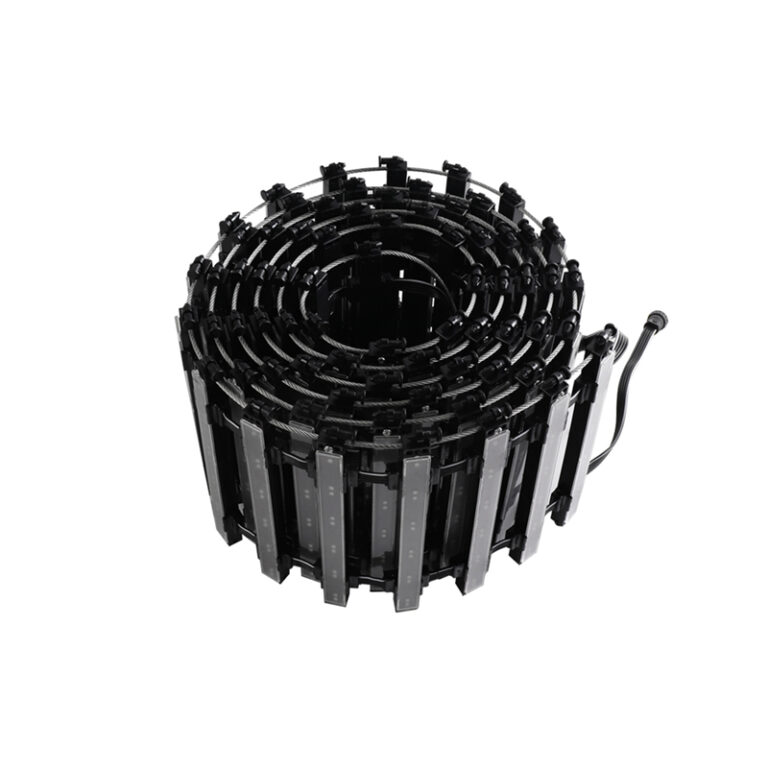
Shenzhen XinHe Lighting Optoelectronics Co., Ltd blends advanced optical design with build new ideas. They offer top-quality LED mesh screens for building facades, media setups, and stage shows around the world. The Xinhe Optoelectronic LED flexible transparent screen has four major characteristics: light, transparent, flexible, and thin. It can be installed simply without the need for a steel frame structure and can be attached to a glass surface. The LED flexible transparent screen uses flexible transparent film as the functional carrier of the LED display screen, and the module thickness can be less than 2MM. These design perks allow smooth blending with new buildings. At the same time, they hold top optical sameness through exact factory tuning steps. These steps match each module’s color reply before sending out.
What Are the Key Considerations for Maintaining Long-Term Calibration Stability?
To keep steady work, use stop-ahead care plans and outside handling fit to set install spots. Such as moisture check or heat rule around electric parts.
Maintenance Strategies for Sustained Performance
Set regular retuning based on run hours or yearly weather shifts that touch diode acts. Cut dust build-up. It changes light spread traits over time. Guard covers or steady clean habits lower this danger well.
Voltage watch systems spot swings early. This stops uneven wear among LEDs. Without it, clear color shift lines might show across panels in long use times.
Conclusion: Ensuring Excellence Through Precision Engineering
Color calibration paired with uniformity check makes the core of top image work in today’s LED mesh screens. By joining smart measure tools with step-by-step fix frames, makers reach matchless sameness. This fits tough uses from building, fun, and trade ad fields. Through strict design rules shown by firms like Shenzhen XinHe Lighting Optoelectronics Co., Ltd., experts can make sure visually tied displays. These draw in crowds and keep work trust over long life spans.
FAQs
What causes color drift in LED mesh displays over time?
Color drift usually comes from part aging, heat pressure, or uneven power feed touching diode work.
How often should a large outdoor LED mesh wall be recalibrated?
For outdoor setups open to changing weather, retune every 6–12 months. This keeps even brightness and true colors.
Can software-based solutions fully replace manual calibration methods?
Software auto boosts work speed. Yet, hand checks stay needed for fine tweaks on key visual parts in top expert uses.



 Spanish
  English
  Arabic
  Russian
  French