
Outdoor LED lighting usually enters a project later than it should. By the time it becomes a serious topic, the architecture is already fixed, the layout is mostly locked, and the schedule is tight. Lighting is expected to adapt. It should fit in, perform quietly, and not create extra work down the line.
That expectation is understandable. It is also where many outdoor projects begin accumulating invisible risk.
Most outdoor LED lighting systems do not fail in a dramatic way. They do not go dark overnight. They drift. One section starts to feel dimmer. Another looks slightly colder. A few fixtures behave just differently enough to be noticed, but not badly enough to justify immediate action. The system still works. It just no longer works evenly.
Understanding what outdoor LED lighting is, and how it actually works once installed, is less about learning technology and more about recognizing how systems age in uncontrolled environments.
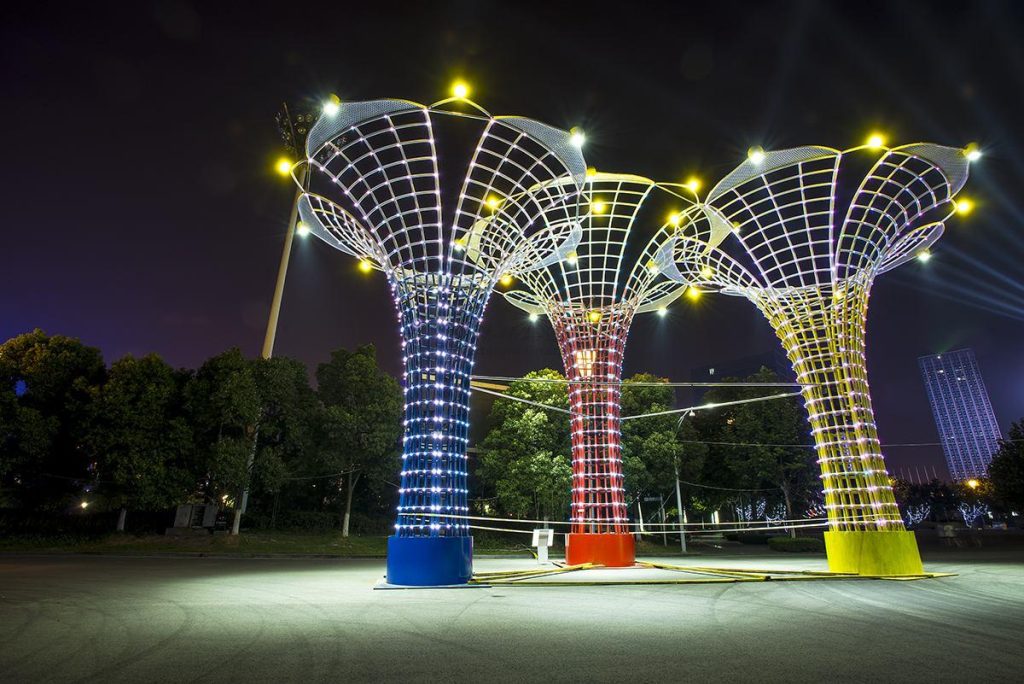
Outdoor LED Lighting Is Not a Product Category
Outdoor LED lighting is often treated as a product choice. Pick a fixture, check the rating, confirm the output, and move on. That approach works reasonably well indoors. Outdoors, it rarely holds up.
Once a light is installed outside, it stops living in a stable environment. Dust settles slowly, often invisibly. Moisture appears even on dry days through condensation. Heat builds up inside housings that look well ventilated on paper. None of these forces arrive suddenly. They apply pressure every day.
Outdoor LED lighting is not defined by one extreme event. It is defined by repetition. Small stresses, repeated thousands of times, determine whether a system remains stable or gradually becomes inconsistent.
Projects that perform well years later usually treated lighting as part of the system early, not as a decorative layer added at the end.
How LEDs Remember Heat Over Time
LEDs are efficient, but they are not indifferent to heat. They remember it.
In outdoor installations, heat is rarely about peak temperature. It is about duration and accumulation. A fixture that runs warm every night, without fully cooling down, will age differently from one that sheds heat effectively, even if both meet the same electrical specifications.
This is one of the most common misunderstandings of how outdoor LED lighting works. The issue is not that LEDs generate heat. The issue is when that heat has nowhere to go.
Compact fixtures, recessed installations, decorative housings, and tight mounting spaces all restrict airflow. During installation, this often looks acceptable. Months later, it becomes the defining factor in output stability.
Over time, heat affects more than brightness. It influences color consistency, driver stability, and even sealing materials. The effects are subtle at first, which is why they are often underestimated.
Why “Rated Life” Rarely Matches Field Reality
Outdoor LED lighting is often described using impressive lifespan numbers. These figures are not incorrect, but they are incomplete.
Rated life typically refers to a controlled test environment. Outdoors, conditions are rarely controlled. What matters more than the theoretical lifespan of a single LED is how evenly a group of fixtures ages together.
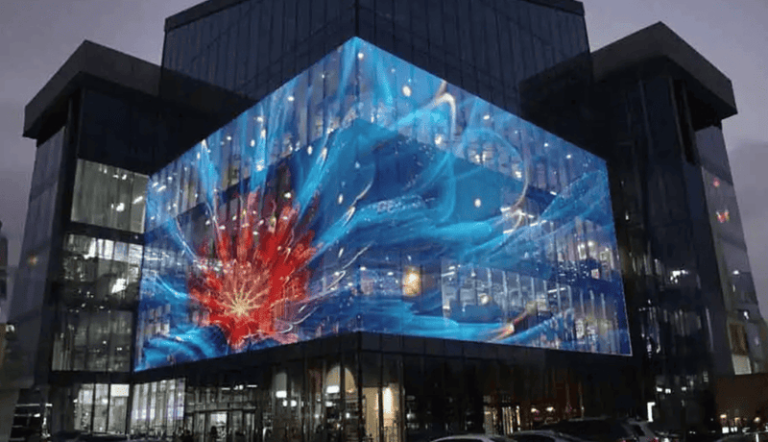
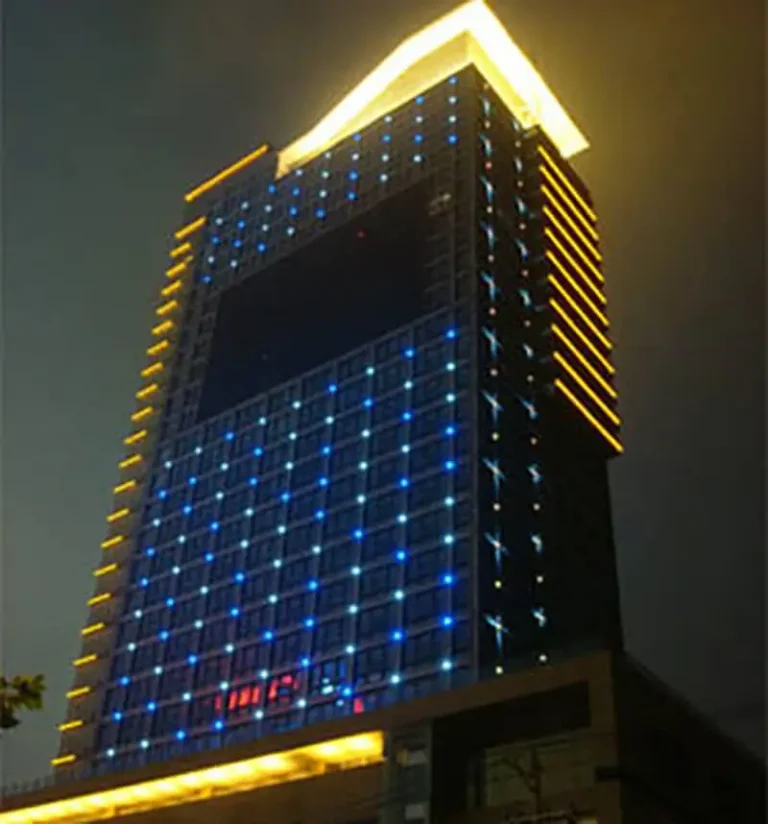
In facade lighting, uneven aging is immediately visible. One section appears washed out. Another remains crisp. The architecture has not changed, but the perception has. In landscape lighting, uneven brightness alters how space is experienced, even if no fixture has technically failed.
Uniform aging is the real goal. And uniform aging depends far more on thermal balance, material consistency, and installation conditions than on headline specifications.
The Outdoor Environment Is Persistent, Not Aggressive
Outdoor environments are often described as harsh. In practice, they are persistent.
Moisture does not rush in. It creeps. Dust does not clog overnight. It accumulates. Temperature does not shock materials once. It cycles them daily.
This persistence is what defeats poorly designed systems. A fixture does not need to be exposed to a storm to degrade. It only needs to experience normal days for long enough.
Protection and sealing are therefore not about surviving extremes. They are about surviving ordinary conditions without slowly compromising internal components. Fixtures that handle daily exposure well become invisible to maintenance teams. Fixtures that do not begin demanding attention quietly, often at the worst possible time.
Outdoor LED Lighting Rarely Fails in Isolation
When issues appear, they are often blamed on the light source. In reality, outdoor LED lighting almost never operates alone.
Drivers age differently than LEDs. Connectors loosen over time. Control signals degrade over distance. Thermal stress affects electronics long before it affects optics. None of this is dramatic. That is why it is overlooked.
Understanding how outdoor LED lighting works means understanding these interactions. A stable LED paired with an unstable driver still produces instability. A well-designed fixture installed without thermal consideration behaves unpredictably.
System behavior matters more than component quality alone.
Why Problems Appear After Handover, Not Before
Many outdoor LED projects look perfect at completion. That moment is deceptive.
The first months rarely reveal much. Output is uniform. Color matches expectations. Controls respond correctly. Only after thousands of operating hours do small differences emerge. Slight shifts. Uneven dimming. Inconsistent response across sections.
At that stage, correction is expensive. Access is harder. Replacement fixtures rarely match aged ones exactly. Maintenance becomes reactive rather than planned.
Projects that avoid this scenario usually made conservative decisions early. They assumed the environment would be less forgiving than expected. That assumption tends to age well.
The Psychology Behind Early Decisions
Many selection decisions are shaped by optimism. The environment is assumed to be manageable. Access is assumed to be available. Maintenance is assumed to be simple.
These assumptions are not unreasonable. They are also rarely tested.
Outdoor LED lighting rewards restraint. Slightly lower output with better thermal behavior often outperforms brighter options in the long run. Larger housings that dissipate heat more effectively age better than compact designs that trap it. Simple, stable control behavior often proves more valuable than advanced features that are rarely used.
These choices do not stand out during installation. They stand out years later.
Choosing Outdoor LED Lighting Is About Predictability
Good outdoor LED lighting choices are quiet choices.
They prioritize predictable aging over peak performance. They accept physical compromises for thermal stability. They favor systems that behave consistently rather than impressively at first glance.
This predictability is what allows large projects to remain visually coherent over time. It reduces emergency maintenance. It keeps lighting aligned with the original design intent longer than expected.
In outdoor projects, predictability is a feature.
About Shenzhen XinHe Lighting Optoelectronics Co., Ltd.
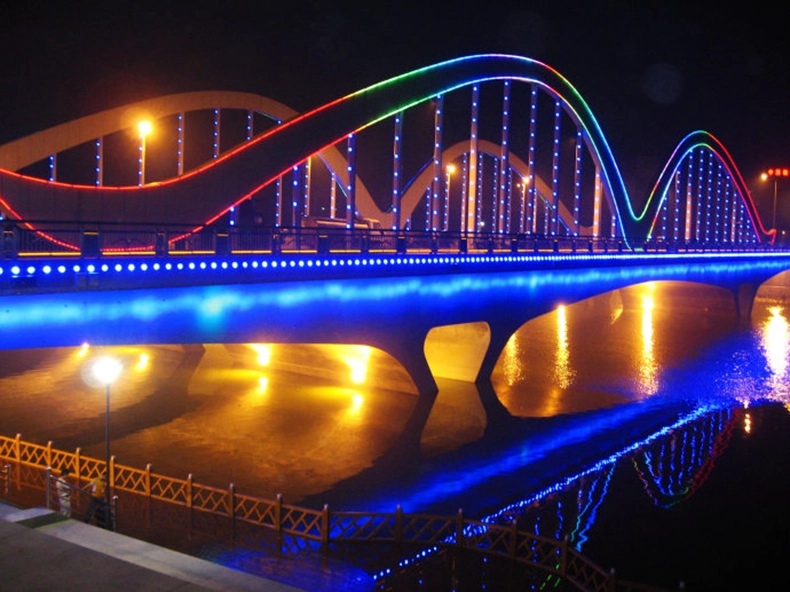
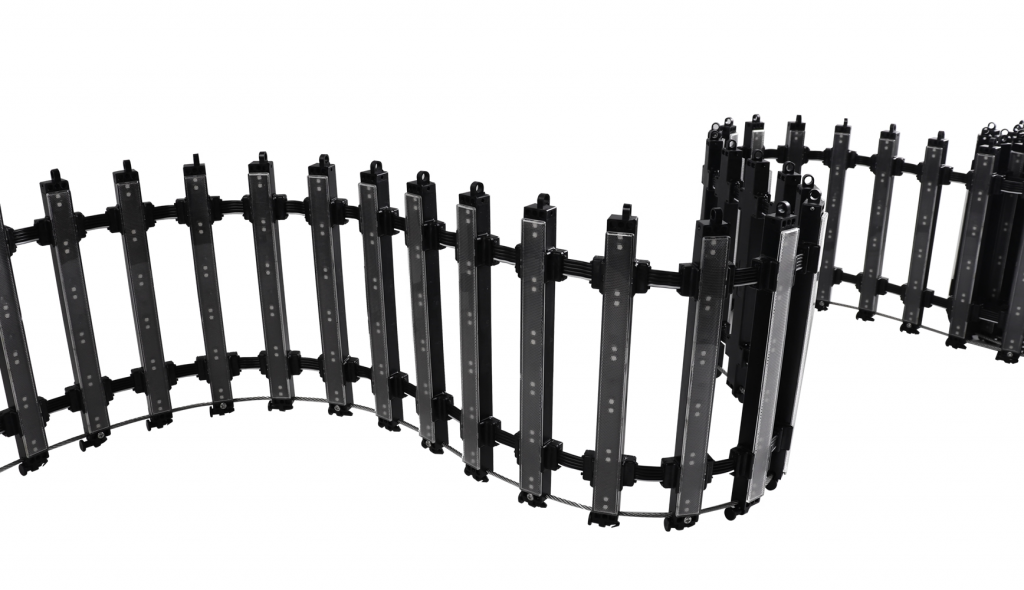
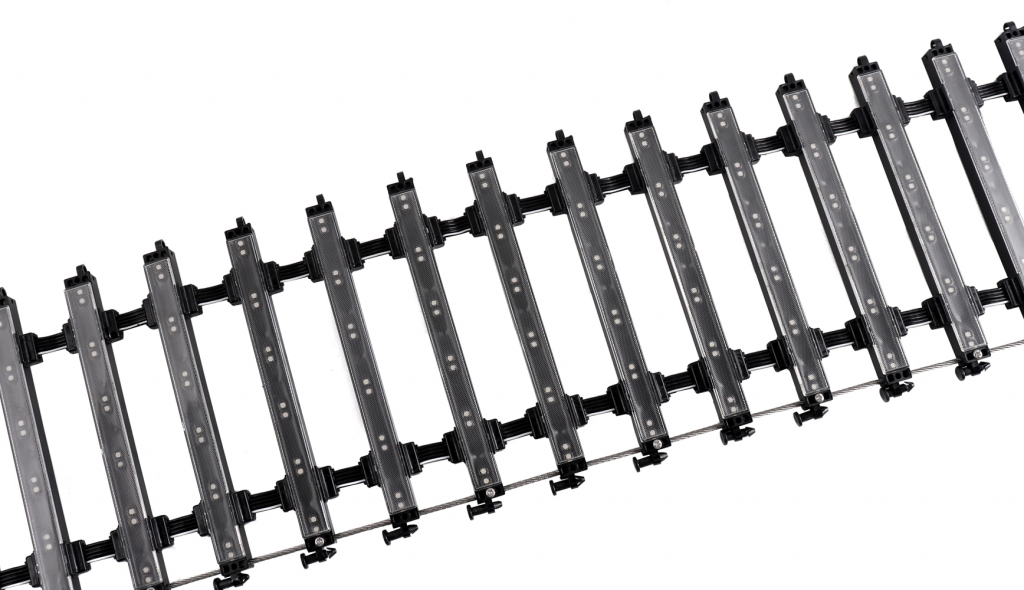
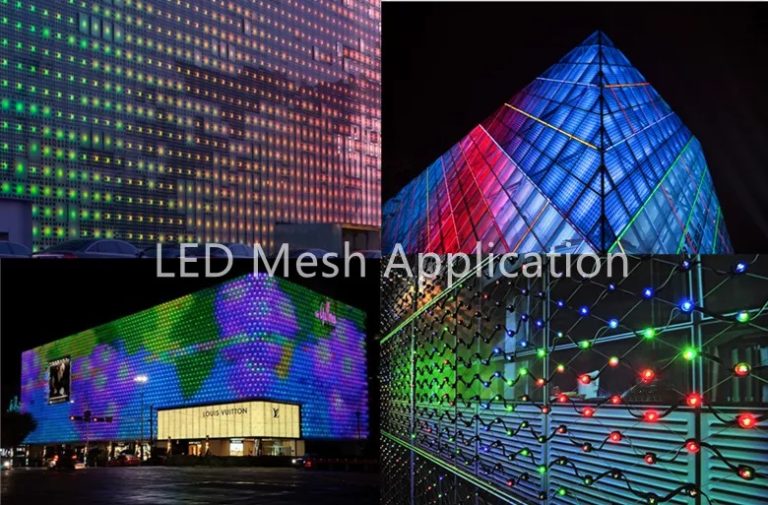
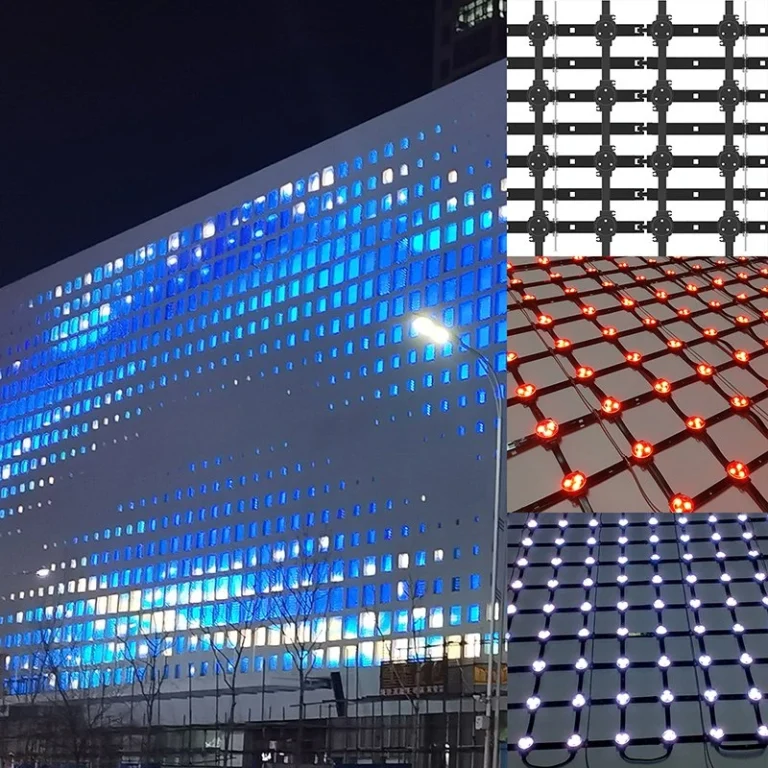
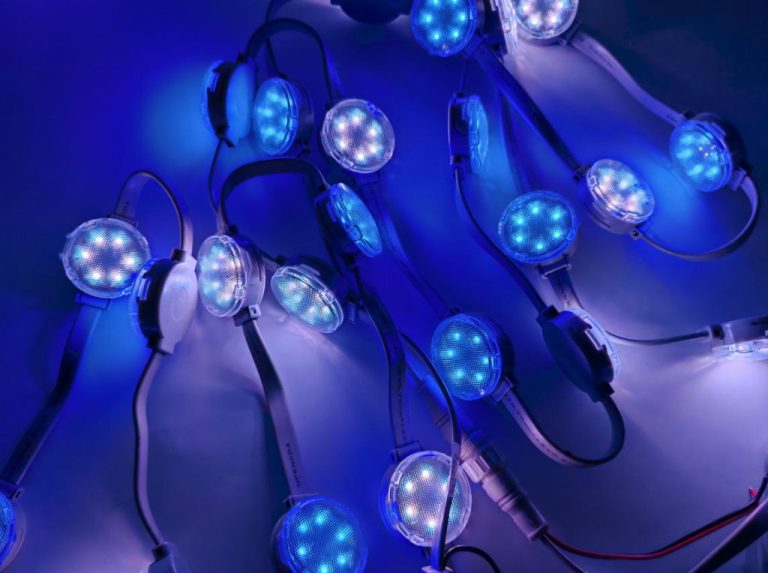
Founded in 2004, Shenzhen XinHe Lighting Optoelectronics Co., Ltd focuses on LED point light sources and grid-based outdoor lighting systems used in architectural facades, landscapes, and outdoor media environments. The company’s work spans product development, project coordination, budgeting support, and on-site technical guidance. Its approach emphasizes long-term stability under real operating conditions, where consistency and durability matter more than short-term visual impact.
Conclusión
Outdoor LED lighting does not fail because LED technology is immature. It fails when expectations ignore time.
Heat, moisture, and repetition shape behavior slowly. Systems designed with that reality in mind tend to fade evenly and predictably. Systems that ignore it tend to fragment visually and operationally.
Understanding how outdoor LED lighting works is not about knowing every technical detail. It is about knowing which details will matter later, when change becomes difficult.
FAQs
What is meant by outdoor LED lighting in real projects?
It refers to complete lighting systems designed to operate reliably under continuous environmental exposure, not just fixtures rated for outdoor use.
How does outdoor LED lighting work differently from indoor lighting?
Outdoor systems must manage heat, moisture, and temperature variation continuously, which reshapes priorities in design and material choice.
Why do outdoor LED lights look uneven after a few years?
Uneven heat dissipation and environmental exposure cause fixtures to age at different rates, even when they start identical.
Is higher brightness always better for outdoor LED lighting?
Often no. Higher output can increase thermal stress without improving long-term visual results.
How does understanding LED behavior reduce future maintenance?
It helps teams select systems that age predictably, turning maintenance into planning instead of reaction.


 Spanish
  English
  Arabic
  Russian
  French