

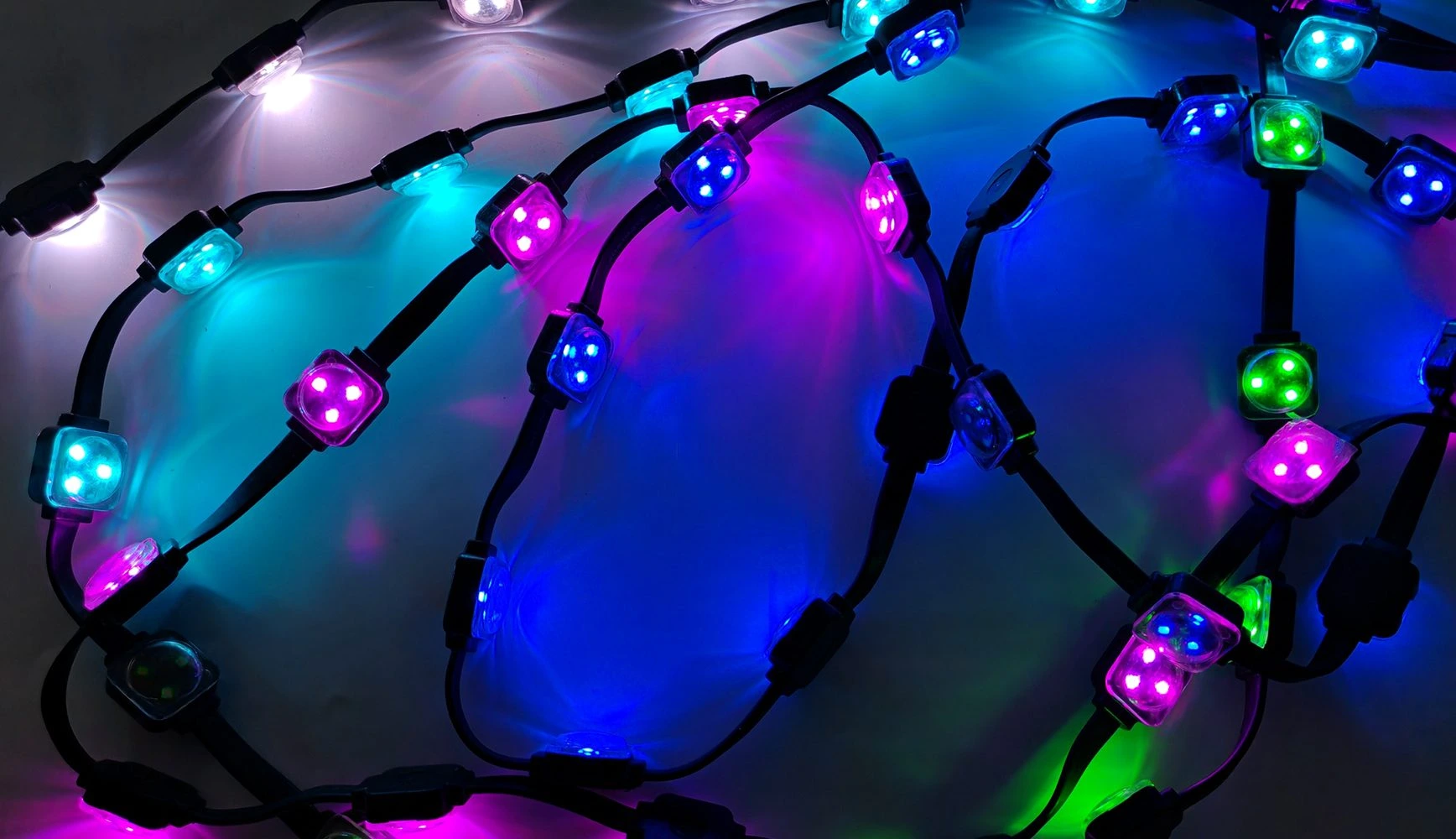
Picture this: dusk settles over a bustling city square, and suddenly, the outline of a nearby office tower comes alive. Tiny dots of light pulse along its edges, turning a plain concrete slab into a beacon that draws eyes from blocks away. That’s the magic of smart landscape lighting for buildings. But here’s the fork in the road—do you go with point light sources, those compact bursts of illumination, or linear lights, the sleek strips that carve clean lines? Both can transform your structure’s nighttime vibe, but picking the right one boils down to your goals, budget, and the story you want your building to tell.
As someone knee-deep in urban design or property management, you know lighting isn’t just about visibility. It’s about mood, safety, and even boosting foot traffic. In this piece, we’ll break down point light sources and linear lights head-to-head, drawing from real installs across parks, bridges, and high-rises. We’ll weigh their strengths for building landscapes, toss in some hard numbers from the field, and help you decide without the guesswork. By the end, you’ll see why one might fit your next project like a glove—or why blending them could be the real winner.
What Are Point Light Sources?
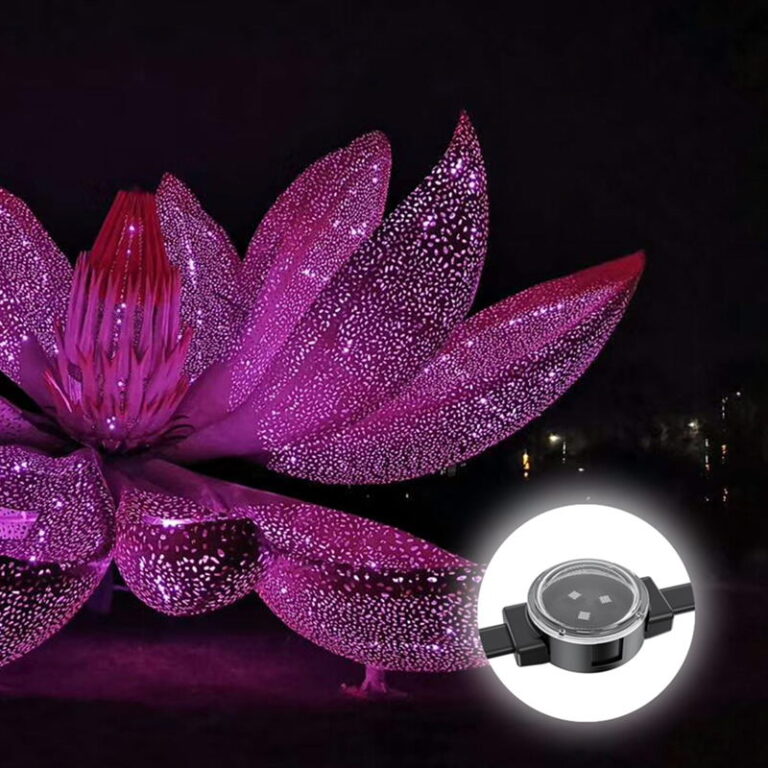
Point light sources are those small, self-contained LED units that mimic stars in the sky. Think of them as individual fireflies you can program to flicker, chase, or glow steady. They’re all about creating depth and drama in a space, especially outdoors where weather throws curveballs.
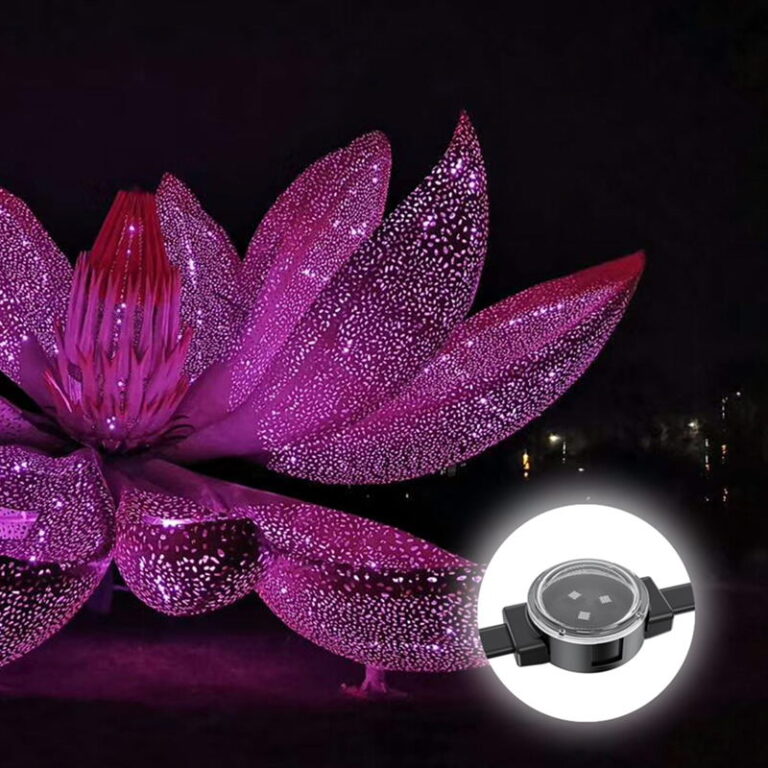
These fixtures shine in building landscapes because they’re versatile. A single unit might pack RGB colors for dynamic shows or stick to a warm white for subtle accents. Take a 30mm diameter model running on DC12V—it’s tiny, weighs just 13 grams, and pumps out 30 lumens in a 120-degree beam. Slap hundreds on a facade, and you’ve got a pixelated canvas for logos or seasonal patterns.
Key Features That Make Them Tick
- Durability Built In: IP67 rating means they’re sealed against dust and can handle a downpour or coastal spray. In one bridge project in Shandong Province, these held up through salty winds without a hitch, lighting the iron tower for years.
- Easy Setup: Glue ’em on, screw ’em down, or clip to profiles. No heavy rigging needed, which cuts install time by half compared to bulkier options.
- Smart Control: DMX512 lets you sync them for flows or static scenes. A 40mm RGB version at DC24V, for instance, hits 80 lumens and changes hues on cue, perfect for syncing with events.
- Long Haul Reliability: Over 30,000 hours of life, with IK10 impact resistance so they shrug off hail or accidental bumps.
From municipal spots like Xishuangbanna’s Manting Park gate to commercial towers in Guangdong, these lights turn flat walls into storytelling surfaces. They’re not flashy for flashy’s sake—they save energy too, sipping just 0.6W per unit while outlasting neon by a mile.
What Is Linear Light?
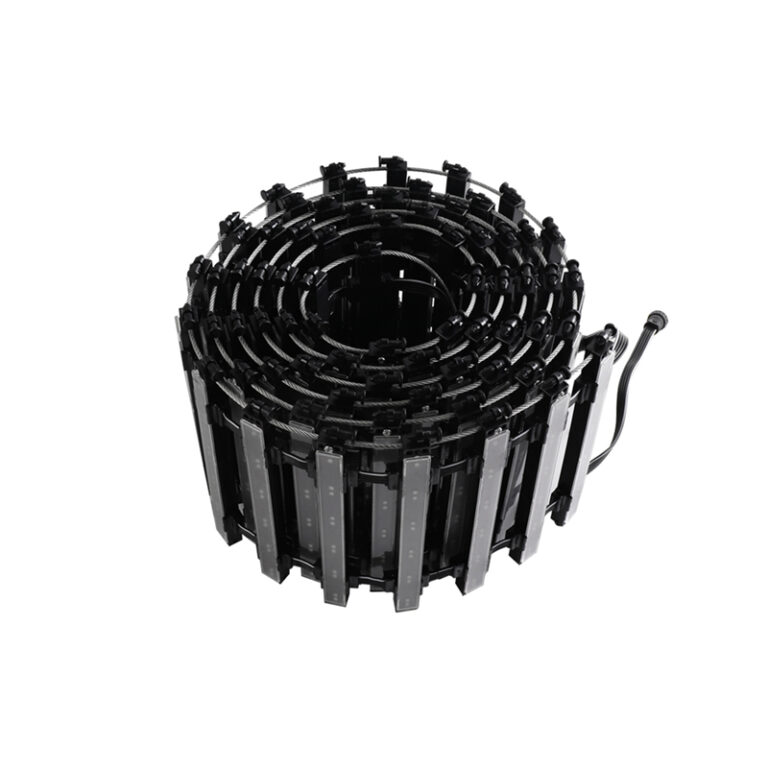
Linear lights, on the other hand, are the straight shooters. These are elongated strips or bars that deliver even, continuous glow along their length—like a neon sign’s modern cousin, but without the buzz or burn-out. They’re the go-to for highlighting edges, paths, or long facades where uniformity rules.
In building landscapes, they excel at guiding the eye. Imagine a riverside hotel where linear strips trace the roofline, washing the whole structure in soft amber. Running DC24V with RGBW options, a typical 50mm-wide bar might stretch 1 meter and crank 5000 nits of brightness, all while keeping things slim at under 20mm thick.
Standout Traits for Everyday Use
- Seamless Coverage: No gaps in the light—just smooth runs that make curves or angles pop. They’re flame-retardant to V-0 standards and UV-proof, holding color through seasons of sun.
- Flexible Mounting: Bend ’em around corners or straight-line ’em on beams. In urban streets or bridge undersides, they blend into architecture without stealing the show.
- Power Play: Low draw, around 10-15W per meter, with options for single-color whites from 2000K cozy to 6500K crisp.
- Tough as Nails: IP65 or better for weather, plus salt-spray tested for harbors. One industrial zone in Zhuhai ran these non-stop, cutting maintenance calls by 70%.
These strips shine in spots needing flow, like outlining a plaza’s perimeter or accenting a hotel’s entrance. They’re straightforward, reliable, and often cheaper upfront for broad sweeps.
Head-to-Head: Point Light Sources vs. Linear Lights
So, how do they stack up? It’s like comparing confetti to a ribbon—both festive, but one scatters joy while the other ties it neat. Let’s lay it out in a quick table, based on installs from high-rises to parks.
| Aspect | Point Light Sources | Linear Lights |
|---|---|---|
| Light Pattern | Discrete dots for textured, 3D effects | Continuous lines for clean, even washes |
| Best For | Dynamic displays, logos, pixel art | Outlines, paths, uniform accents |
| Installation | Modular, quick (adhesive/screw per unit) | Linear runs, needs profiles for long spans |
| Energy Use | 0.6-8W per unit; scales with density | 10-20W per meter; efficient for coverage |
| Durability | IP67, IK10; great for harsh spots | IP65+, UV-resistant; solid for exposed runs |
| Cost (Per Sq M) | $15-30 (higher for RGB/DMX) | $10-25 (simpler setups) |
| Durée de vie | 30,000+ hours | 50,000+ hours |
| Customization | High—colors, spacing, effects | Medium—lengths, colors, but fixed form |
Numbers pulled from field data: In a Chaozhou nightscape project, point sources lit 500 sq m with 200 units at 5W each, using 40% less power than equivalent linear setups. Linear won on speed, though—full facade in a day versus two for points.
Points give that wow factor, like the pixel chase on a Xinjiang office block that drew 20% more evening visitors. Linears keep it grounded, as in a Foshan gate install where even glow made the entry feel welcoming without overwhelming.
Bringing It to Life: Applications in Building Landscapes
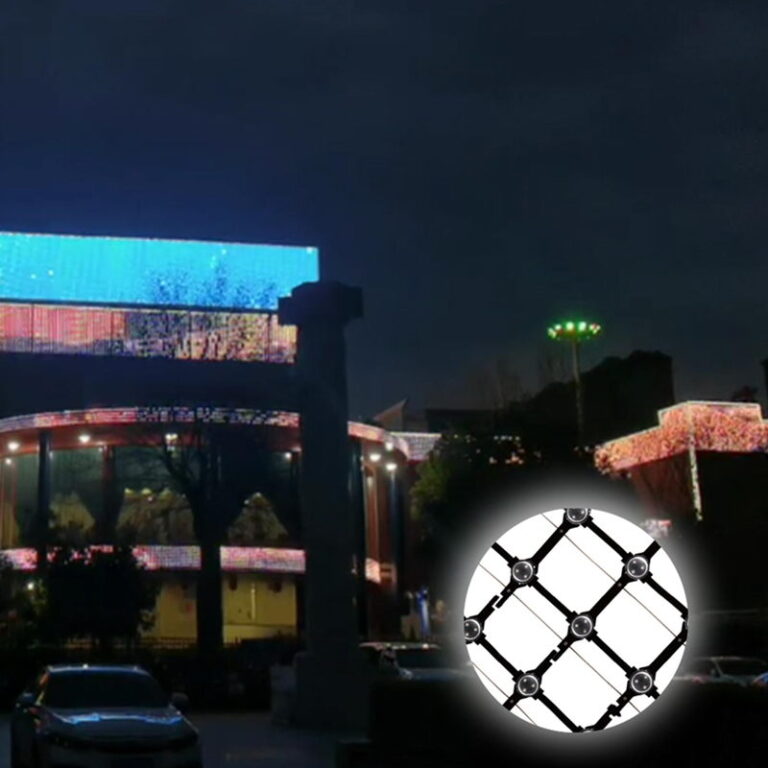
Your building’s landscape isn’t a blank canvas—it’s got angles, heights, and moods to match. Point light sources thrive where detail matters. At dusk in a riverside complex, cluster them along balconies for a starry ripple effect. Or, in a park like Manting’s gate, space 25mm squares every 50mm to mimic fireflies, pulling families in after dark. Data from similar setups? Foot traffic jumps 15-25%, per urban lighting studies.
Linear lights handle the heavy lifting for flow. Trace a bridge’s span in Shandong, and the steady beam guides cars while softening the steel’s edge. In hotel lobbies spilling outdoors, they wash walls in 3000K neutrals, making glass facades glow without glare. One Lechang building swapped old halogens for linears—energy bill dropped 60%, and the cleaner look bumped appraisals by 10%.
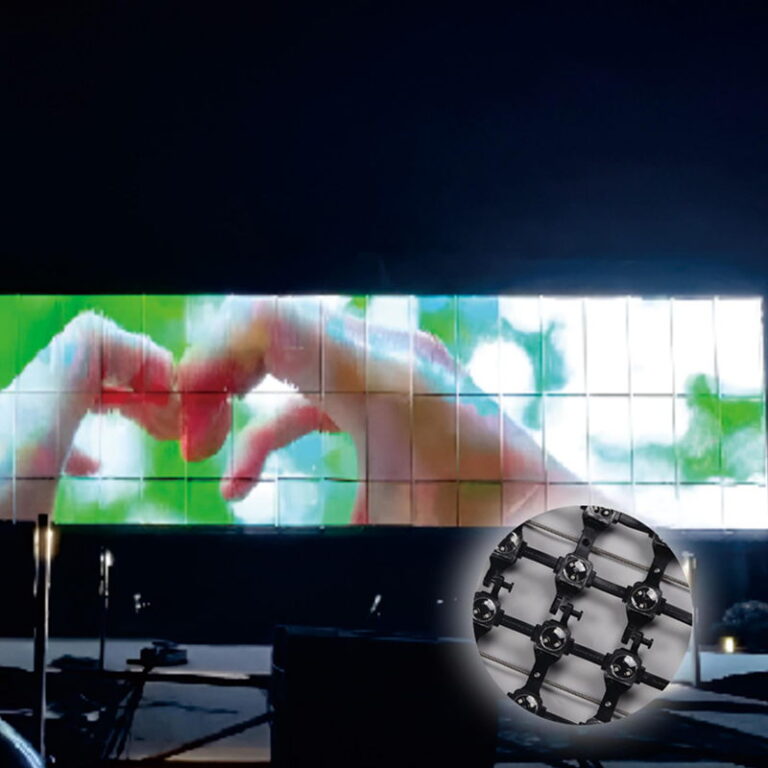
Mix ’em for the best of both: Points for focal logos on a tower’s crown, linears for the base wash. Seen it in Inner Mongolia plazas—nights feel alive, not overdone.
Weighing the Trade-Offs: Pros and Cons
No tool’s perfect, right? Here’s the straight talk.
Point Light Sources: The Ups and Downs
Pros:
- Endless creativity—program chases for holidays or events.
- Scalable: Add more for density without rework.
- Compact: Fits tight spots like cornices or sculptures.
- Energy-smart: Low per-unit draw, with 80% savings over incandescents.
Cons:
- Upfront fiddly: Wiring multiples takes patience.
- Higher initial cost for smart features.
- Density matters—if spaced wrong, gaps show.
Linear Lights: Hits and Misses
Pros:
- Plug-and-play evenness—no hot spots.
- Budget-friendly for big areas.
- Subtle vibe: Enhances without distracting.
- Simpler maintenance: Fewer parts to swap.
Cons:
- Less wow: Can’t do patterns or colors as nimbly.
- Rigid form: Tough on curves without bends.
- Heat buildup in long runs if not vented.
In a Beijing Olympic-inspired emblem project years back, points stole the show for intricate seals, but linears grounded the borders. Balance is key.
Picking Your Winner: Factors to Consider
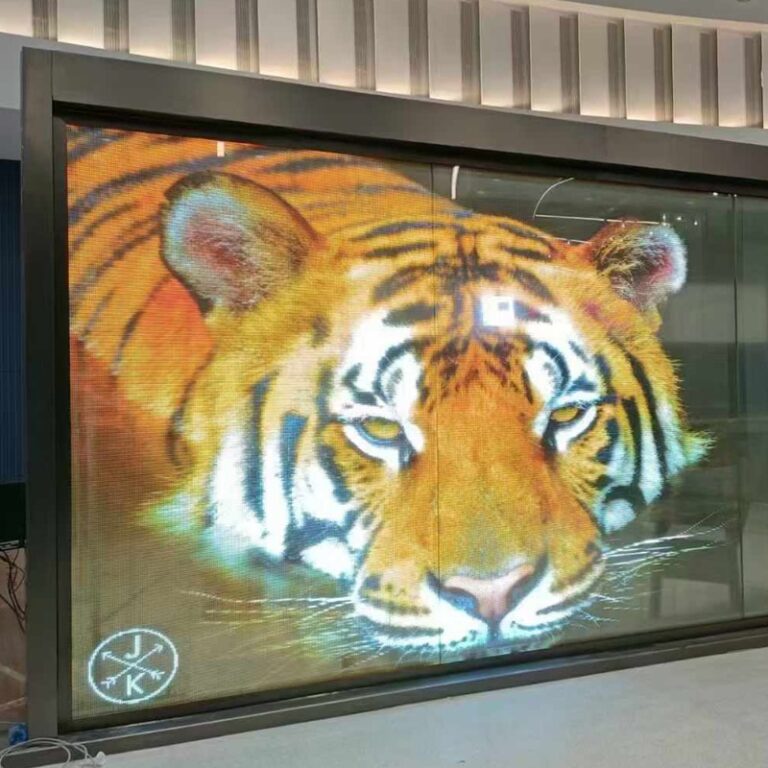
Start with your space. Got a modern high-rise craving tech flair? Points, hands down—their DMX sync turns facades into screens. A classic bank needing safe, steady glow? Linears keep it pro without flair overload.
Budget bites too. Points might run $20 per sq m installed, but ROI hits via events drawing crowds. Linears clock in cheaper, ideal for steady-use spots like streets.
Then, the nitty-gritty: Weather in coastal Guangdong? Go IP67 points. Energy audits pushing green? Both qualify, but points edge out with per-unit efficiency.
Test small. Mock up a section—see how it plays at night. Pros swear by this; one Guangdong hotel did, tweaking from linear to hybrid and nailing a 18% visitor uptick.
Meet XinHe: Your Go-To for Point Light Sources
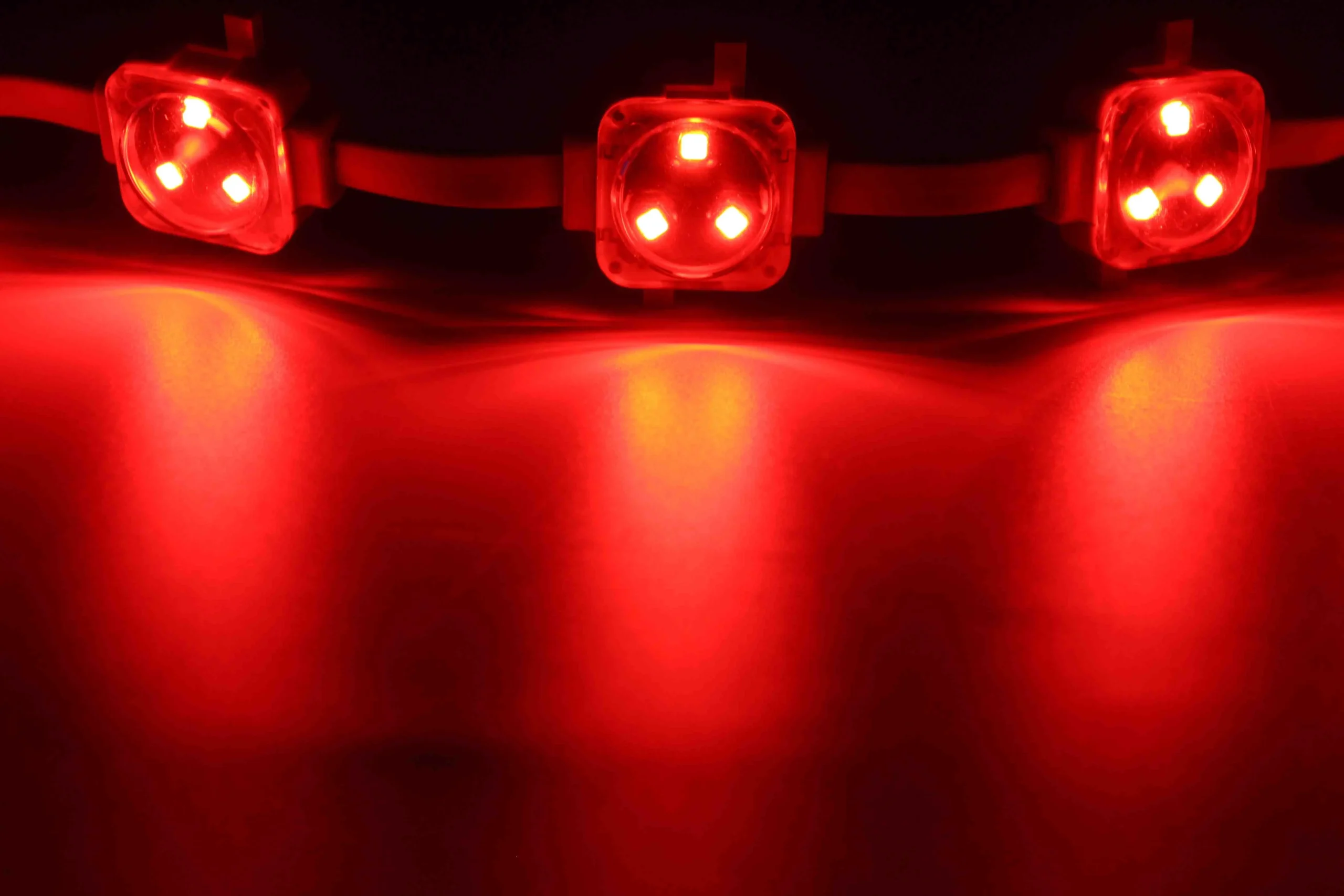
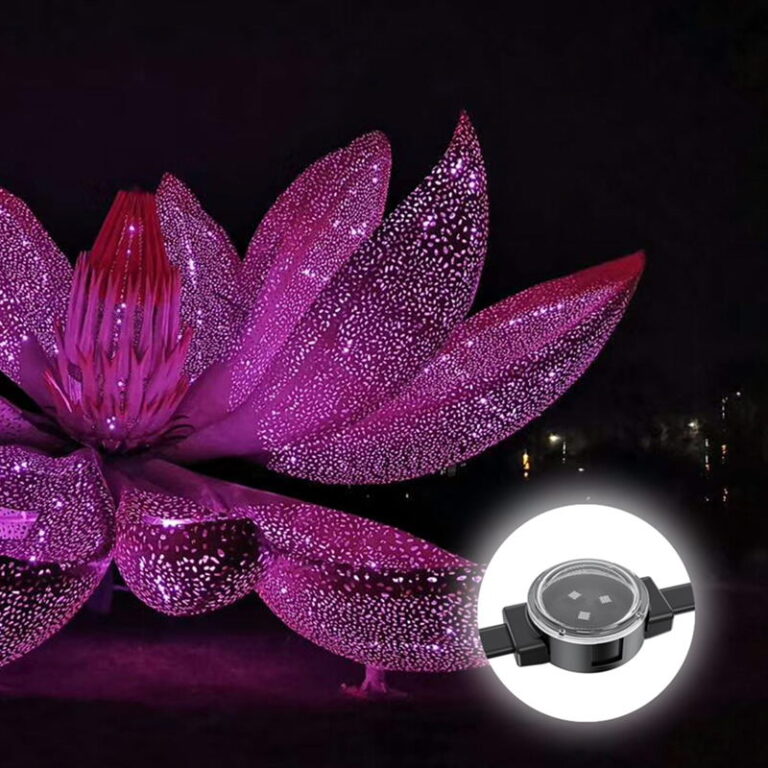
When it comes to sourcing top-shelf point light sources, Éclairage XinHe stands out after two decades in the game. Based in Shenzhen since 2004, this crew of 250-plus runs three factories totaling 6,000 sq m, churning out the Miracle Bean series—think waterproof IP67 units in 30mm to 100mm sizes, DC12V or 24V, with RGB punch or single-color subtlety. They’ve lit icons, from Olympic emblems to Zhuhai industrial zones, replacing neon with LEDs that last 30,000 hours and shrug off salt spray.
What sets them apart? Customization through ODM/OEM—tweak colors, beams, or controls to fit your blueprint, backed by 80+ patents and ISO nods for quality. Whether you’re outlining a park gate or pixelating a plaza, their on-site guidance and quick-turn samples (3-5 days) make projects smooth. It’s not just gear; it’s partners who get landscapes.
Wrapping It Up: Light the Way That Fits
Diving into point light sources versus linear lights boils down to vision—dots for drama, lines for grace. Both elevate building landscapes, slashing energy use by up to 80% and turning nights into assets. For dynamic edges or subtle sweeps, test the fit, blend if it clicks, and watch your space draw eyes (and compliments).
Frequently Asked Questions
What’s the main difference between a point light source and linear light for building landscapes?
Point light sources deliver focused, individual beams ideal for creating textured patterns or pixel effects on facades, while linear lights provide continuous strips for smooth outlines and even washes. In a landscape setup, points add pop to accents, like a logo chase, whereas linears guide paths seamlessly.
When should I choose point light sources over linear lights?
Opt for point light sources if your building’s landscape calls for programmable flair, such as event syncing or 3D depth on irregular surfaces. They’re spot-on for high-impact spots like park entries, where a 30mm IP67 unit can mimic stars without the bulk.
Can point light sources and linear lights work together in one project?
Absolutely—they complement each other beautifully. Use linear lights for base illumination along a tower’s edges, then layer point light sources for focal highlights. This hybrid approach, seen in bridge installs, balances uniformity with energy-efficient drama.
How do point light sources hold up in harsh outdoor landscapes?
With IP67 sealing and IK10 impact resistance, point light sources thrive in rain, dust, or coastal spray. Models like the Miracle Bean series run 30,000+ hours, cutting downtime in urban or riverside builds.
What’s the energy edge of point light sources in building lighting?
They sip power—often 0.6W per unit—making them 70-80% more efficient than traditional options for dense landscapes. Pair with DMX for targeted use, and you’re golden on green goals without skimping on brightness.



 French
  English
  Arabic
  Russian
  Spanish