
Fan zones during the 2026 FIFA World Cup will turn public squares, parks, and downtown streets into extended gathering places that stay active well into the night. These spaces draw millions over the tournament weeks, with evening activities—live match feeds, music sets, goal reactions, street parties—forming the real pull. 2026 World Cup fan zone lighting therefore matters a great deal: it has to deliver safe navigation across crowded areas while building emotional connection that keeps people lingering. The lighting cannot just fill space with brightness; it needs to react to the moment, match the rhythm of celebrations, and hold up under outdoor conditions that shift from heat to rain without warning.
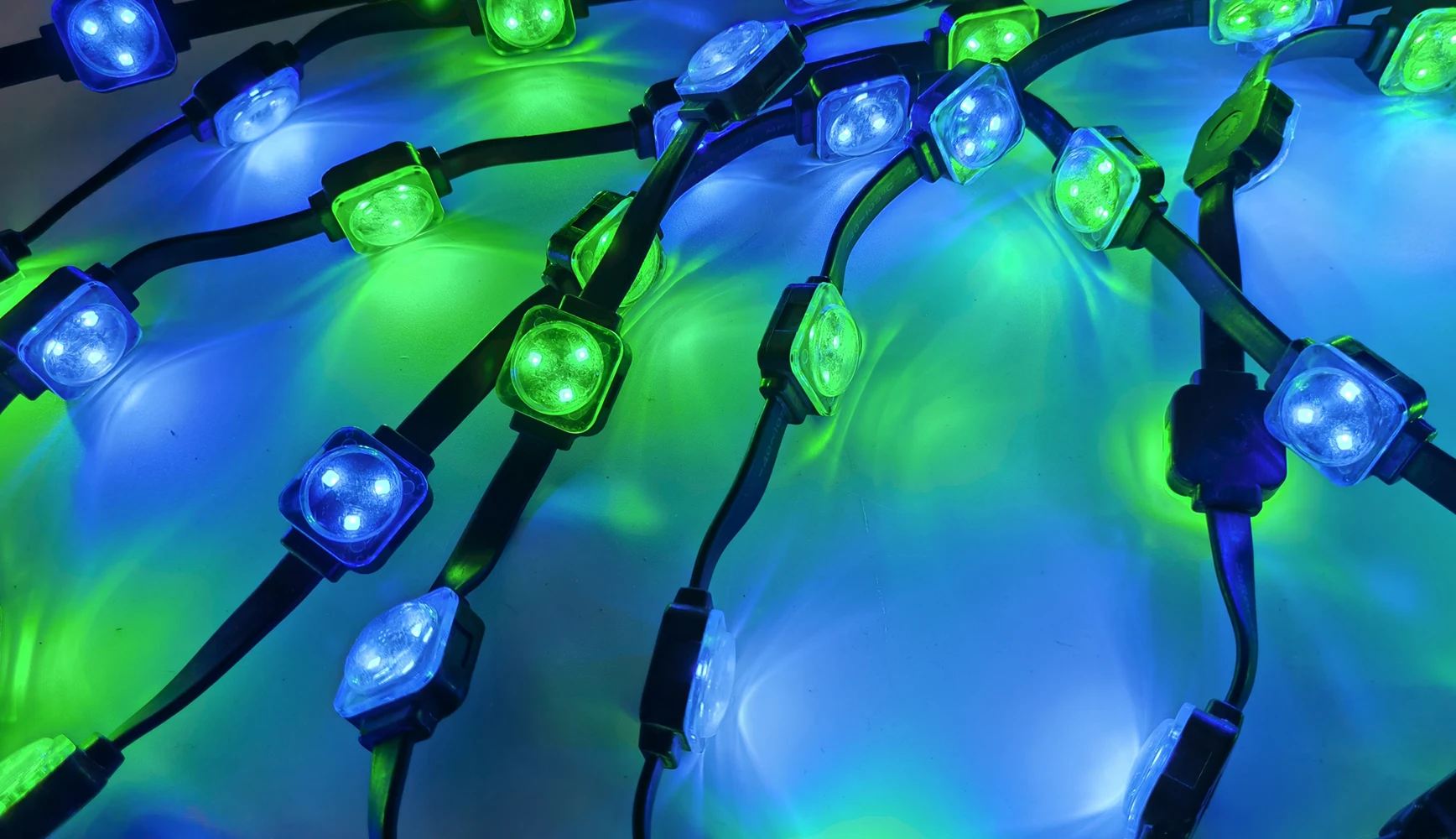
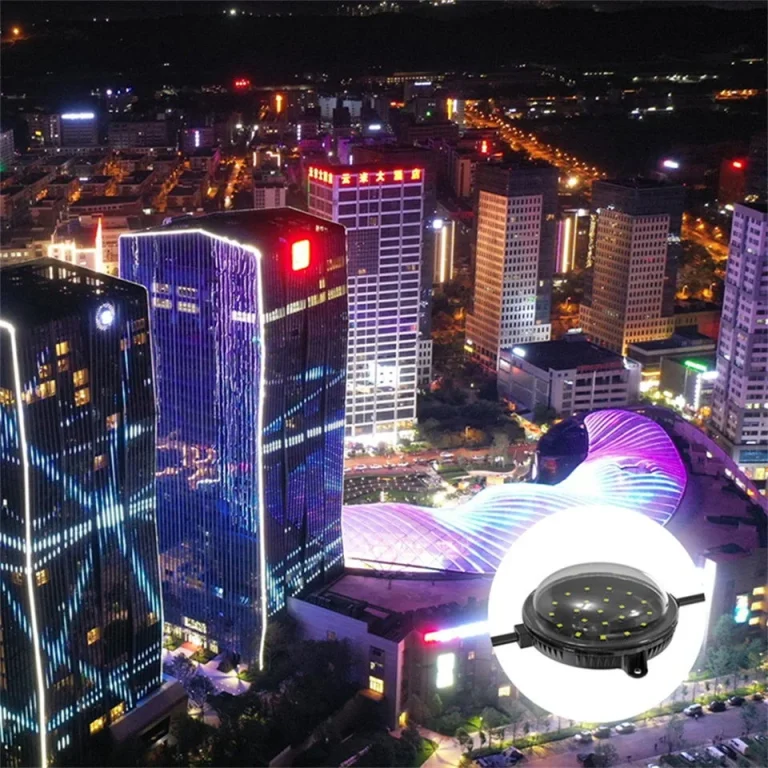
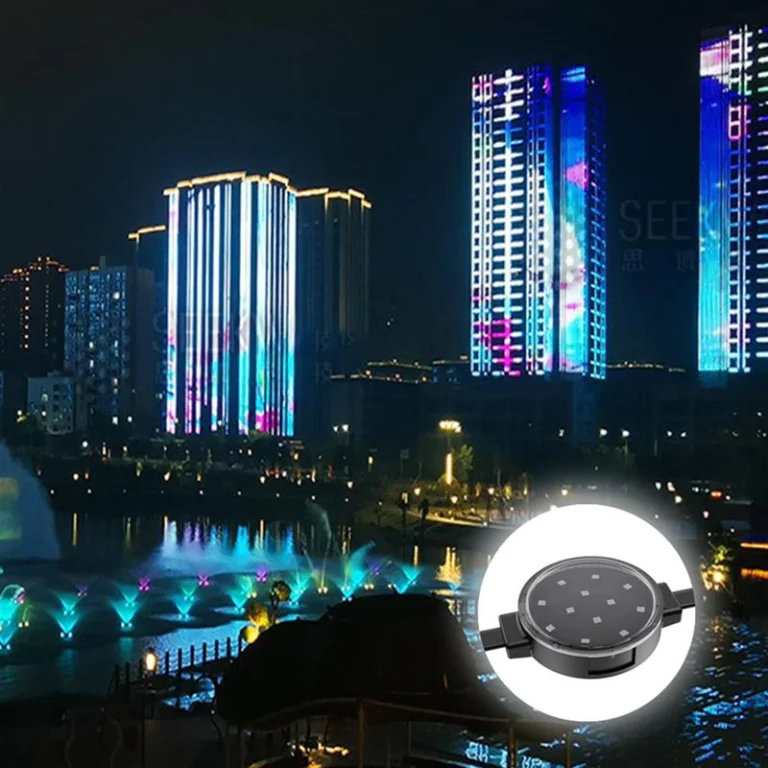
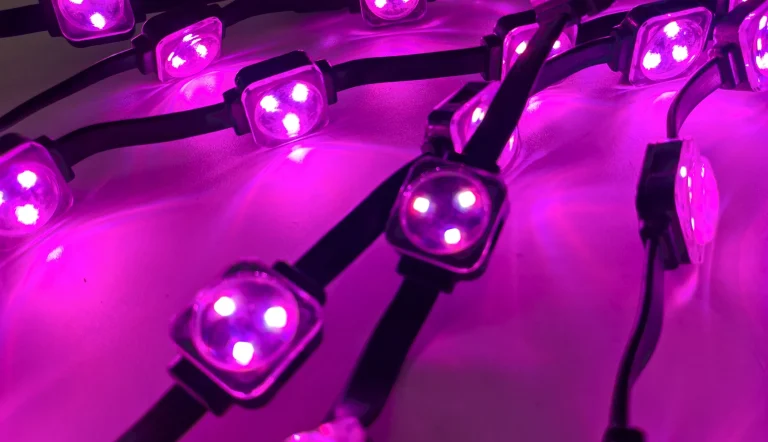
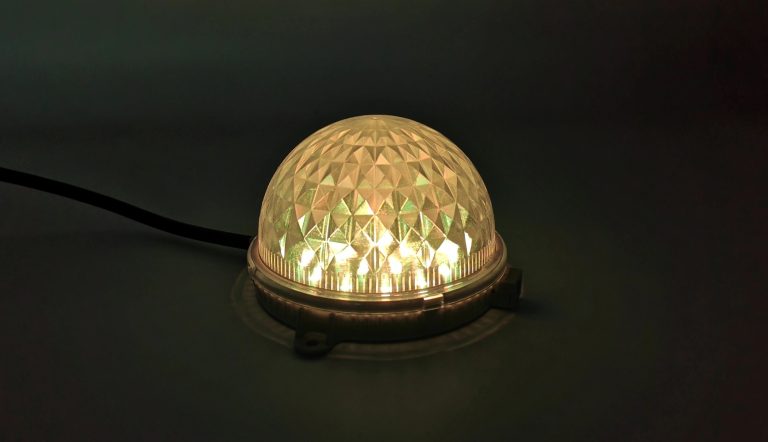
Recent announcements from host cities lay out the pattern. Houston’s Main Street Promenade work includes upgraded pedestrian paths and dynamic elements meant to handle large evening crowds during tournament nights. Dallas Fair Park plans feature nightscape enhancements for fan gatherings, with emphasis on responsive setups that create interactive environments. Comparable efforts appear in other locations, where planners focus on lighting that balances practical visibility with atmosphere. In these situations, RGB programmable LED point lights show real promise. Their individual pixel control allows exact timing of color shifts and patterns, making them well suited for layered effects on temporary frames, barriers, and open areas.
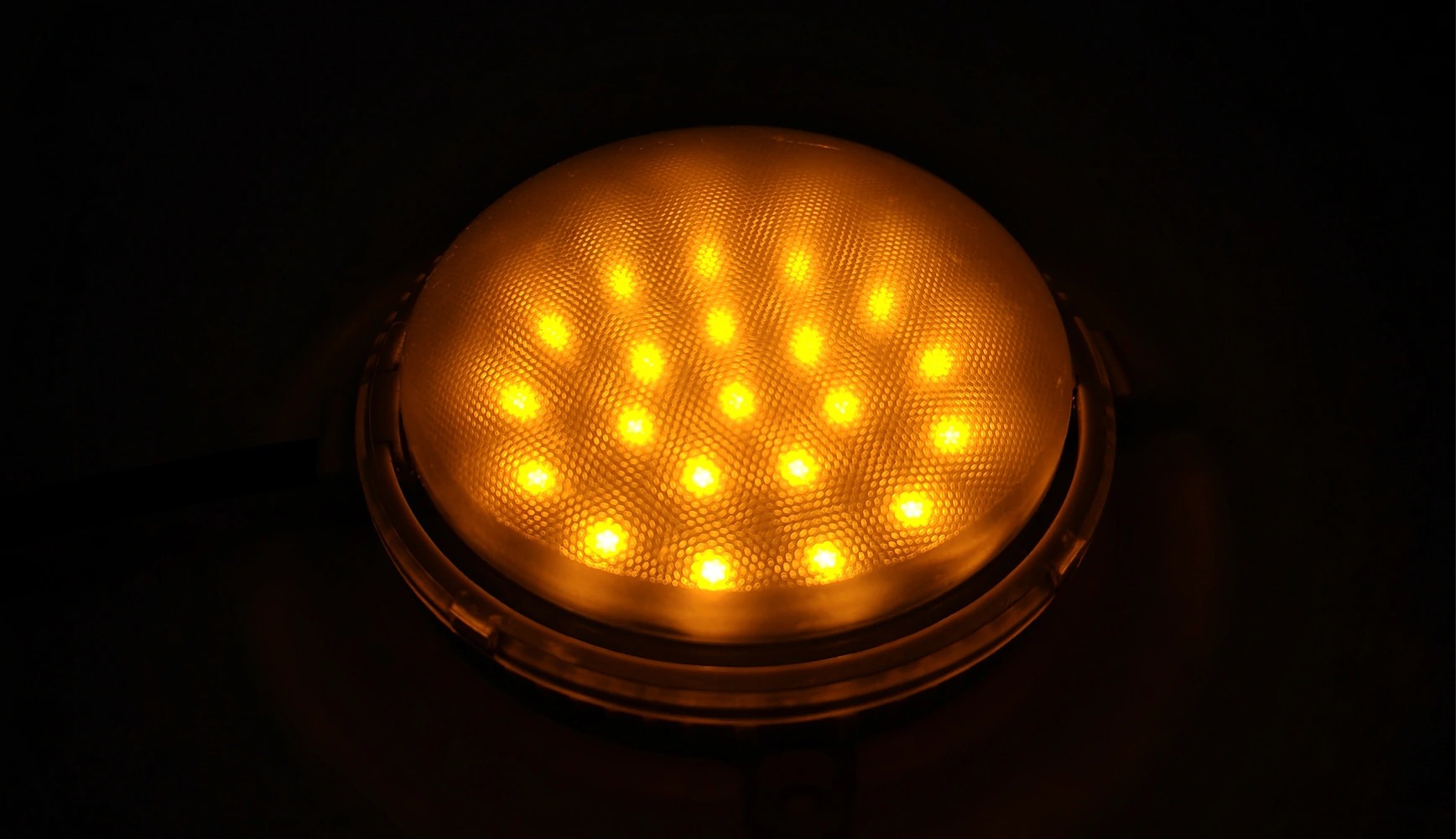
The demand for responsive urban lighting grows as crowds swell. People expect more than steady white light. They react to illumination that pulses with cheers, changes hue with team plays, or traces paths that feel natural. Fan zone dynamic lighting installations that achieve this kind of engagement frequently rely on fixtures combining strong visibility with programmability and weather tolerance. Compact point sources meet the requirement because they deliver per-pixel control without the weight or power needs of bigger display panels.
Public Squares and Plazas in Fan Zones
Public squares often become the central hub of fan zones. Wide open areas fill with spectators watching matches on large screens, following commentary, or simply meeting others who share the excitement. Lighting across these spaces must cover broad ground evenly while layering visual interest that ties directly to the action unfolding.
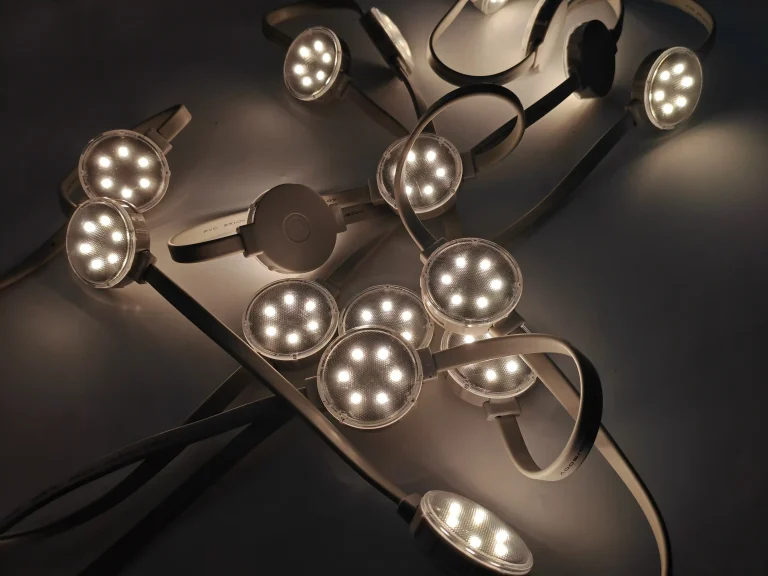
The main strength appears in synchronized effects that span large distances. RGB point lights placed along edges, columns, or low-level features form sharp outlines that define the plaza and give it a contained feel. Addressable pixels allow the system to run slow color sweeps, focused bursts when goals happen, or flowing patterns that move through the crowd. DMX control keeps timing locked, so changes hit exactly when audio or broadcast cues demand.
Open plazas present particular installation issues. Power distribution stretches over distance without voltage drop affecting brightness consistency. Fixtures endure constant foot traffic, wind gusts, and weather shifts. Setup crews usually work against tight deadlines, so mounting methods need simplicity and connections must hold firm.
Typical arrangements run point lights along barriers or structural lines to produce continuous glowing contours that guide flow and mark gathering spots. Programmable sequences turn the whole area into a living surface—colors transition with game momentum, intensity builds during big moments, and quieter pulses sustain energy between plays. These approaches show up regularly in city plazas where the aim is to stretch dwell time and bring people back for multiple match nights.
Temporary Structures and Arches in Fan Areas
Entry arches, sponsor activation zones, and pop-up stages stand out as focal elements in fan zones. These pieces go up fast—often in a matter of days—and need to grab attention immediately while staying easy to take down afterward.
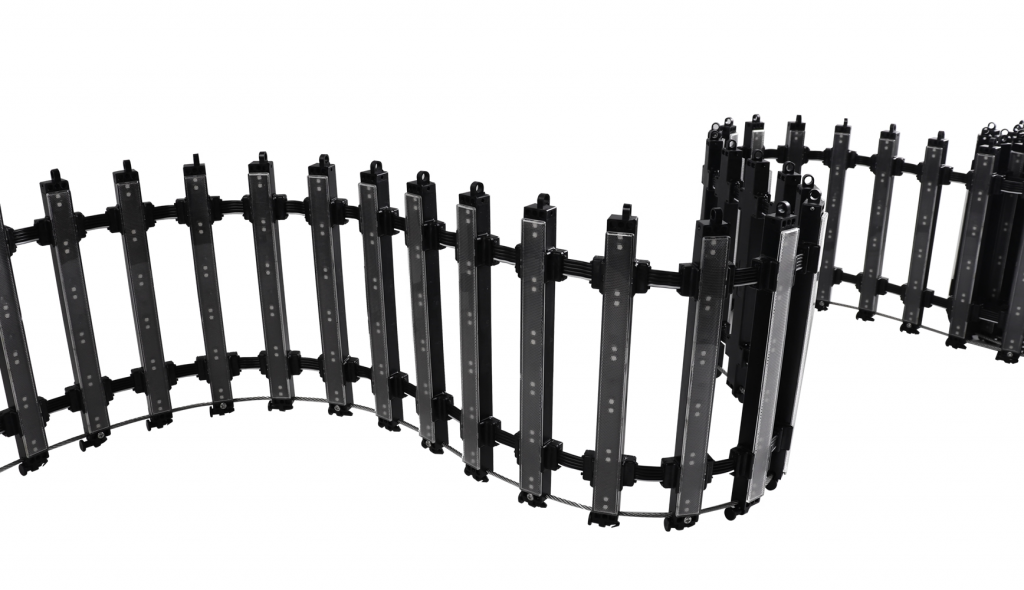
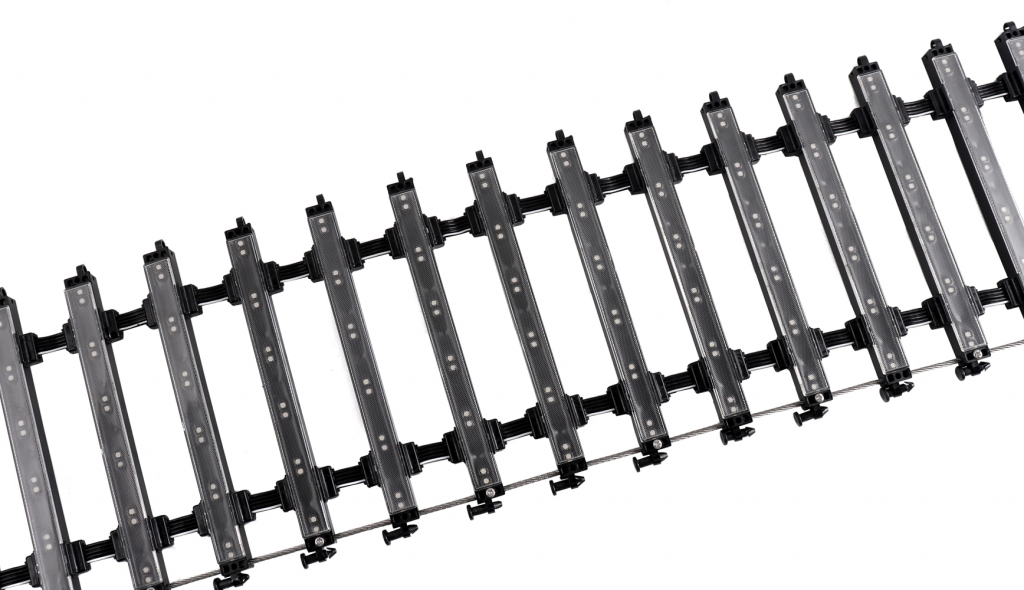
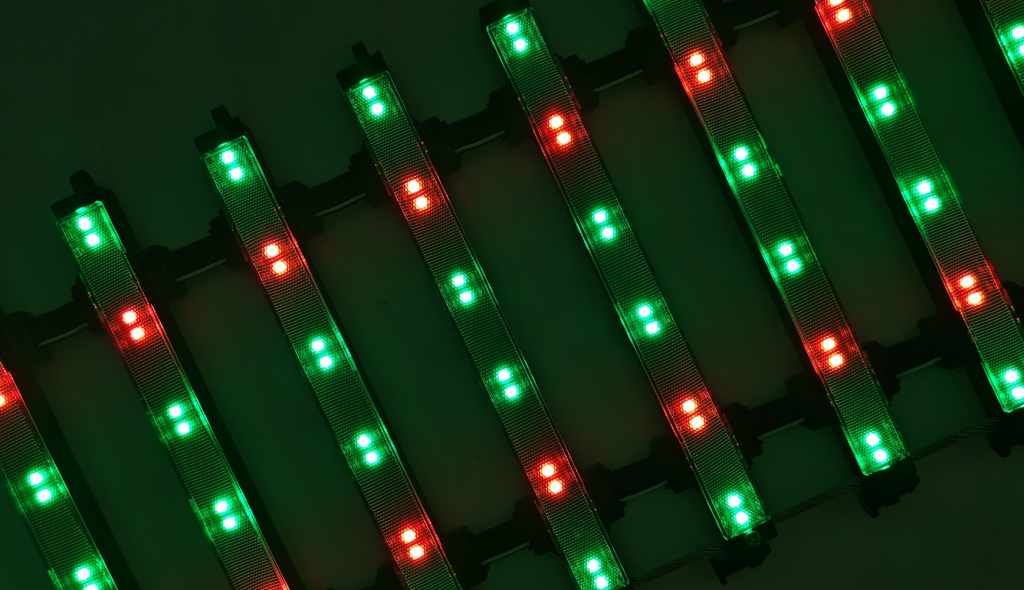
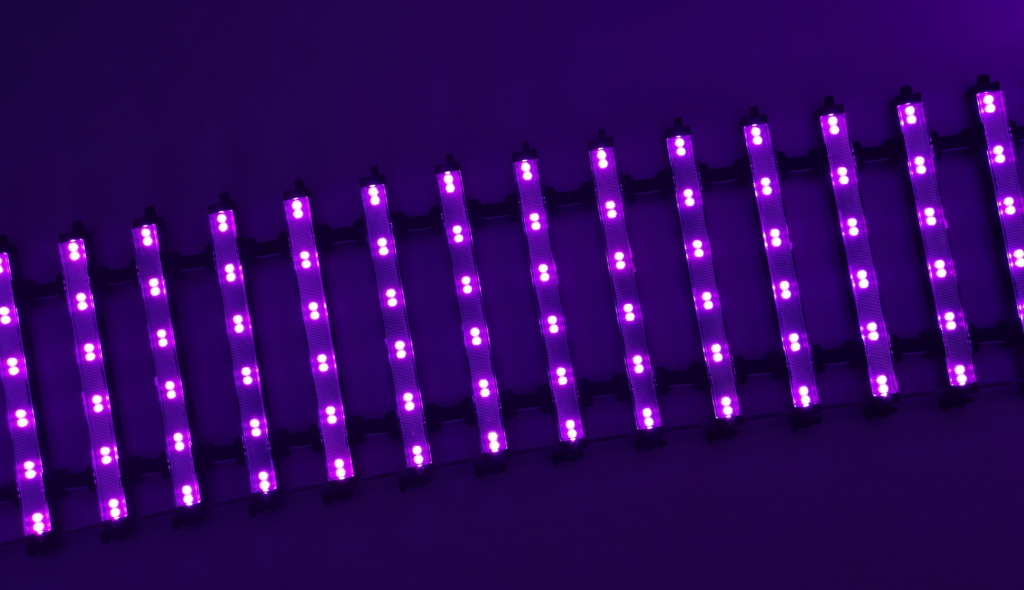
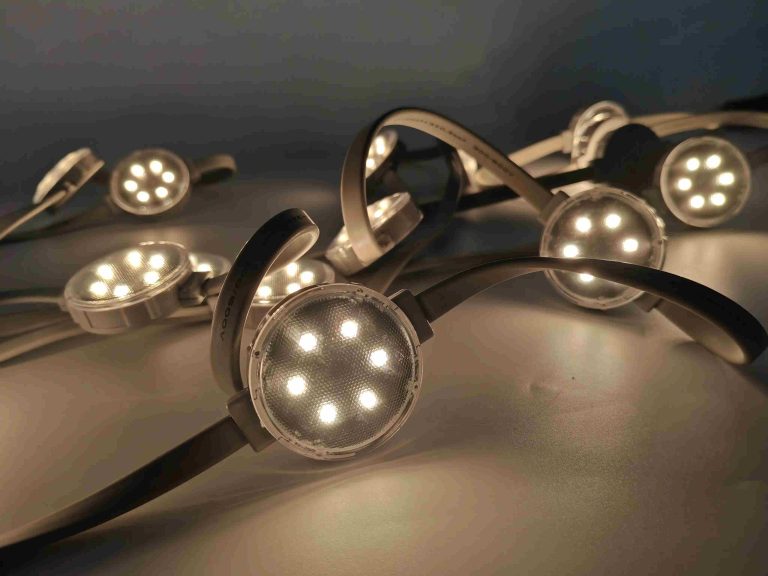
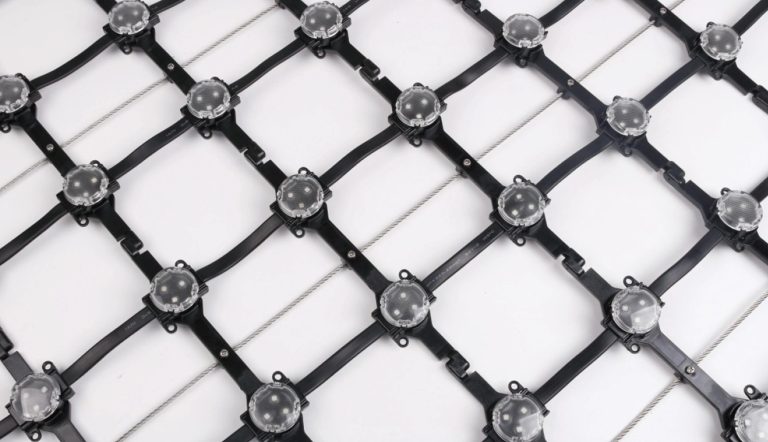
Portability counts heavily. Grid screens arrive rolled in tight packaging, cutting transport space and speeding field unrolling. Point lights link through straightforward plug systems that allow assembly with basic tools. Flexible transparent screens adhere directly to glass or lightweight frames without adding much weight, keeping the overall setup manageable.
Handling creates ongoing challenges. Gear faces repeated loading, road bumps, and changing climates. Tall arches take wind loads that test joints and anchors. Organizers count on the same pieces surviving several stops with little wear.
Working installations frequently mix point lights for clean linear highlights along arch outlines with grid screens for broader animated surfaces. Addressable nodes run team colors, sponsor tags, or shifting motifs that change in real time. The pairing delivers strong presence from afar while staying light and reusable. Many reports indicate these configurations hold up through weeks of daily use in mixed weather, provided sealing and connectors meet the grade.
Glass Barriers and Urban Installations
Fan zones often make use of existing city features—glass railings, storefronts, partition walls. These surfaces provide chances for lighting that avoids blocking views or demanding heavy structural work.
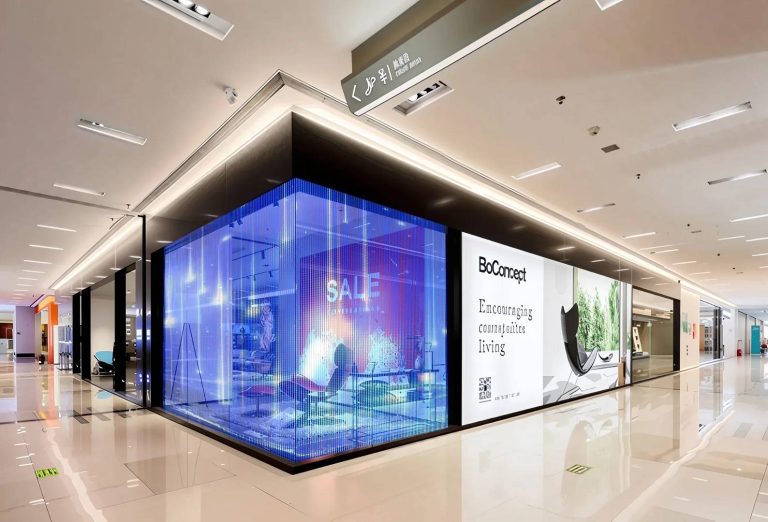
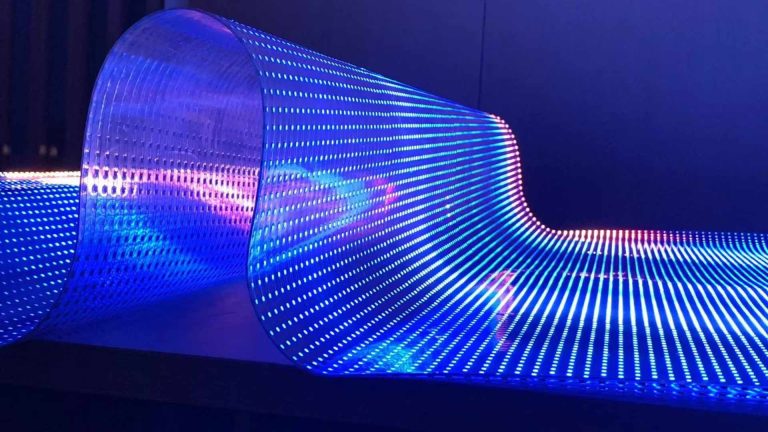
Transparency ranks high when glass comes into play. Flexible crystal truss screens reach transmittance near ninety-five percent, permitting clear sightlines during daylight while carrying bright content after sunset. The thin profile—under two millimeters—keeps the addition subtle. Remote cluster control ties multiple panels together for unified sequences across a zone.
Approvals can slow progress, especially where light spill or brightness falls under local rules. Service access over time requires forethought to avoid closing off public paths. Budgets weigh upfront expense against reuse across different events.
Successful cases layer components carefully. Transparent screens handle wide glass fields for messaging or playback, while point lights supply edge definition and secondary movement. The mix maintains clean lines, preserves visibility, and adjusts readily to shifting event needs or branding changes.
Interactive and Pedestrian Pathways
Pathways linking fan zone sections carry steady foot traffic. Lighting along these routes has to offer clear navigation while weaving in light engagement that nudges people to explore further.
Linear runs provide practical utility. Point lights set in low profiles or along handrails form guiding trails that stay visible without glare. RGB capability permits soft color gradients or localized pulses that react to crowd flow or event triggers. Add-on sensors—light, motion—open doors to responsive behavior.
Safety takes priority. Ground fixtures must avoid creating trip risks. Brightness requires careful tuning to prevent discomfort. Power over extended paths must remain even.
Many pathways use point lights in steady lines for simple definition, with programmed sequences adding gentle motion that pulls visitors along. The result feels organic—colors ease during lulls, strengthen during peaks—holding the zone together as a single experience.
Cross-Scenario Advantages
Certain traits deliver consistent value no matter the application. DMX programmability provides tight synchronization with live feeds or sound tracks. High-brightness RGB holds strong in ambient light or from distance. IP67-rated build manages outdoor exposure over long stretches. Modular construction supports rapid setup and breakdown, cutting labor and storage demands. Efficient power use keeps draw low, matching sustainability expectations that appear more often in major public gatherings.
Common Concerns and Practical Solutions
Teams planning fan zones raise similar questions repeatedly.
Tight schedules create constant pressure. Rolled packaging and plug connections allow completion in hours instead of days. Field guidance shortens the process further.
Weather shifts remain a persistent issue. IP67 sealing paired with UV-stable materials stands up to rain, heat, cold, and sun without breakdown.
Power draw affects both cost and grid stability. High-efficacy LEDs with low decay keep consumption controlled while maintaining output over extended run times.
Control across zones can grow complicated. Standard DMX, supported by multi-direction redundancy, keeps operation stable even over large footprints.
Service during events must stay minimal. Modular design permits single-piece replacement without halting large sections.
Shenzhen XinHe Lighting Optoelectronics Co., Ltd – Specialist in LED Facade Solutions
Shenzhen XinHe Lighting Optoelectronics Co., Ltd began in 2004 with a clear focus on point light sources and grid screens backed by independent intellectual property. The organization handles complete services for major architectural landscape and advertising lighting work—scheme design, budgets, supply, and field oversight. The established “Bean” brand marks years of steady progress in the sector.
Key milestones include the 2006 creation of an early LED cold light exposed source, later chosen for the 2008 Beijing Olympic emblems. Solutions have replaced many traditional neon uses, advancing point light techniques industry-wide. Accreditations cover GB/T19001-2016/ISO9001:2015 quality management, GB/T24001-2016/ISO14001:2015 environmental standards, and GB/T29490-2013 intellectual property management. The “Bean” line holds over eighty independent patents.
The 2024 crystal truss screen launch followed extended development. Current production equipment and skilled staff uphold strict standards in longevity, color fidelity, and energy metrics across the lineup.
Conclusion
Fan zones and night events during the 2026 World Cup will rely heavily on fan zone dynamic lighting to shape welcoming, responsive urban spaces. RGB programmable LED point lights, together with grid and flexible transparent options, supply the precision, resilience, and visual strength these environments demand. Shenzhen XinHe Lighting Optoelectronics Co., Ltd contributes deep knowledge in architectural lighting, providing dependable products and full project support.
Those developing fan zone setups, urban night events, or related lighting work can contact XinHe to explore custom configurations that fit particular needs.
FAQs
How can RGB LED point lights make fan zone atmospheres better during 2026 World Cup night events?
They allow synchronized color shifts and pixel animations that react to match moments, building engaging, immersive settings across open gathering areas.
What makes programmable LED point lights practical for temporary fan zone setups?
Modular plugs and rolled packaging enable fast assembly and takedown, while IP67 protection handles outdoor weather reliably through long event runs.
Are IP67-rated point lights reliable for outdoor fan zone installations at the World Cup?
The rating provides solid protection against dust and water, lowering failure chances and supporting steady performance in changing conditions.
How do flexible transparent screens work in fan zone glass barriers?
High-transmittance designs stick directly to glass, showing content at night without blocking views, making them useful for branded or temporary sections.
What advantages does DMX control bring to dynamic lighting in World Cup fan zones?
DMX delivers accurate timing and synchronization across fixtures, allowing responsive sequences that match live events or sound cues precisely.



 French
  English
  Arabic
  Russian
  Spanish