

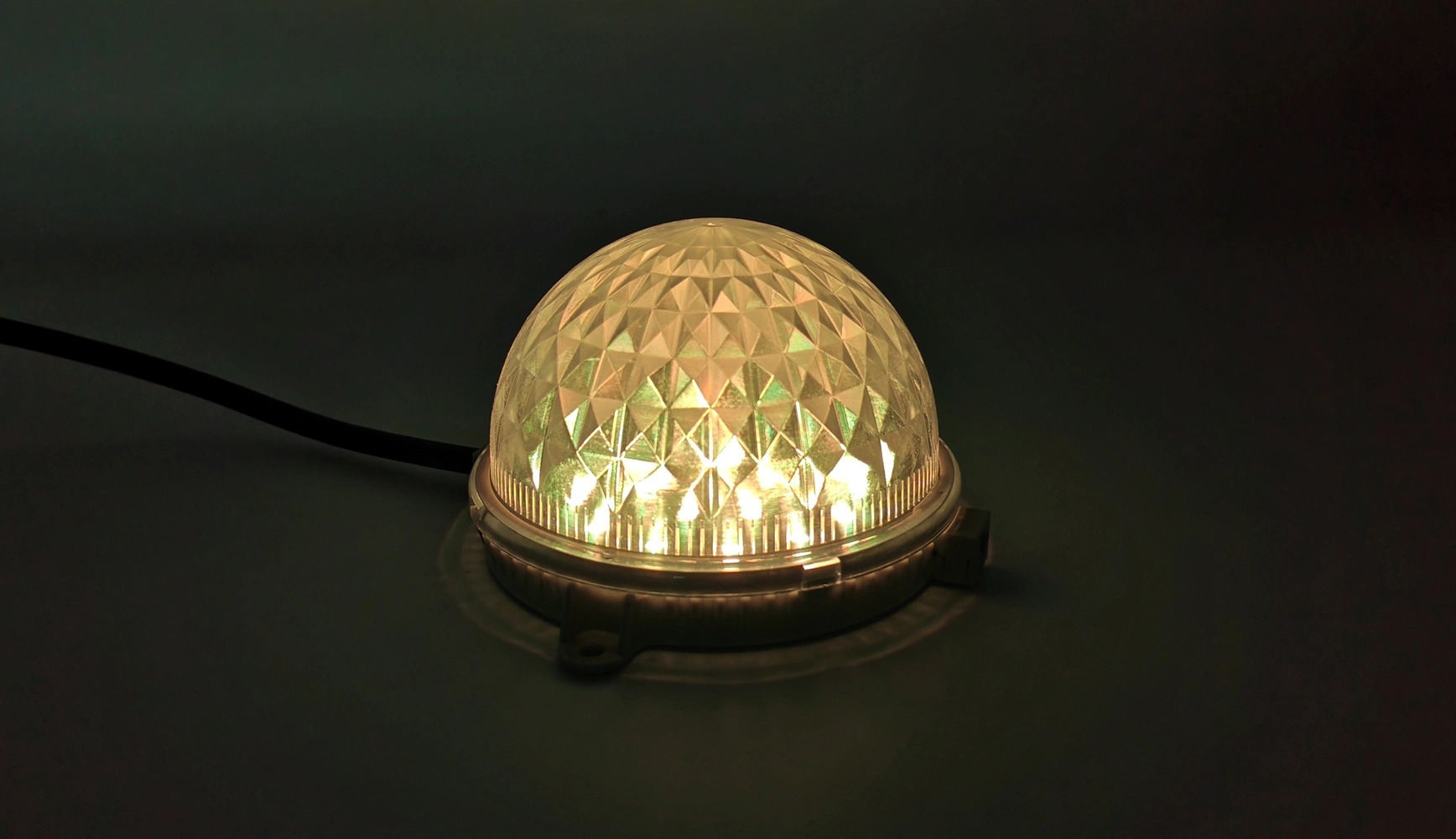
Светодиодные точечные светильники serve as the go-to solution for projects requiring tight pixel control, strong transparency, and solid outdoor endurance on media facades, structural outlines, and expansive signage arrays. These addressable pixel nodes produce accurate RGB or RGBW rendering while preserving clean sightlines and limiting added dead load. The approach solidified during major events such as the 2008 Beijing Olympics, where exposed LED sources generated sweeping color transitions across the Water Cube ETFE envelope and the Bird’s Nest perimeter lattice, steadily displacing neon and static flood arrays with lower-consumption, fully addressable alternatives.
Industry figures show the trajectory holding firm. Facade-oriented LED lighting holds near $455 million in 2025 and heads toward $666 million by 2032 on a 5.7% CAGR, propelled by ongoing smart-city deployments, stricter efficiency mandates, and verifiable sustainability targets. Architectural LED categories sustain 6–9% annual increases as procurement teams balance fixture costs against projected lifecycle savings. On bids involving tall curtain-wall systems, stadium cladding, or mixed-use landmarks slated for 2026, specifications center on nodes that pair IP67 ingress protection, DMX512 data handling, narrow-to-medium pixel pitches, and wind-load values kept under 0.5 kg/m².
Global LED Point Light Market Outlook for 2026
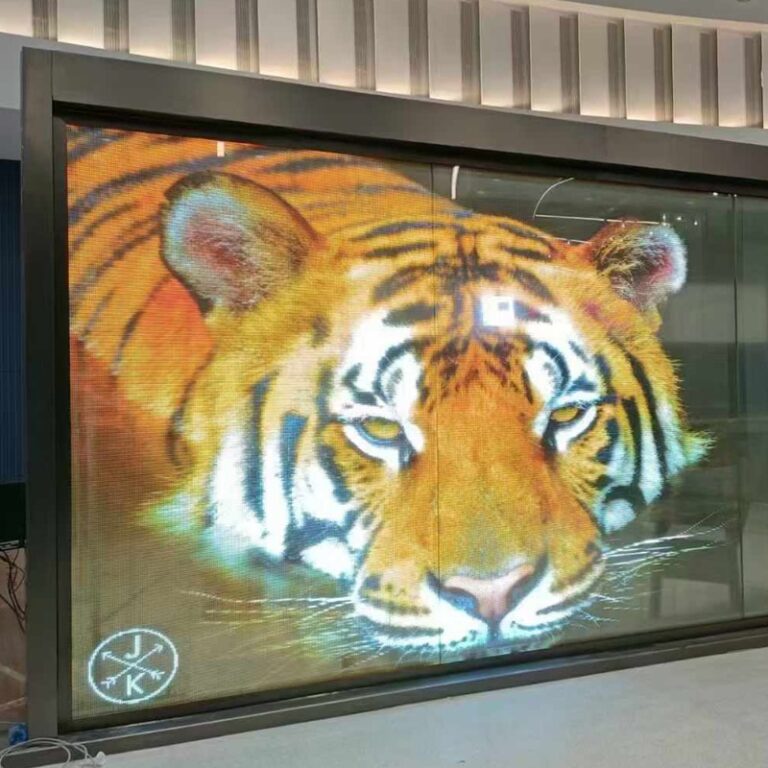
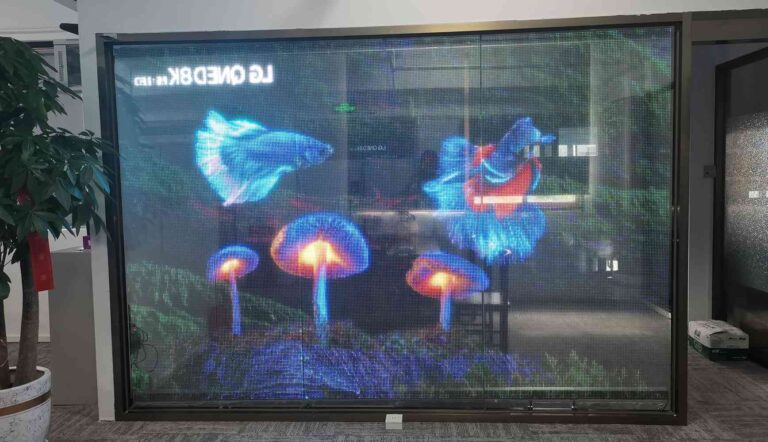
Media facade and architectural segments keep pulling volume for Светодиодные точечные светильники. City redevelopment bids, FIFA 2026 facility upgrades, and public smart-lighting frameworks routinely call for pixel-driven setups instead of linear profiles or legacy floods. The preference arises from field necessities: per-node addressing for content playback, transparency exceeding 95% on glazed assemblies, and dependable resistance to site-specific weather without repeated interventions.
Pitches narrow to 25–50 mm as standard for distances below 100 meters, while transparency and minimal structural burden stay mandatory on elevated structures. Pressure from energy-per-area limits and LEED-point accumulation continues steering choices toward high-efficacy node families. Mid-2026 sees these factors cementing LED point lights as the primary option for any exterior that needs programmable illumination paired with extended service cycles.
Top 6 LED Point Light Trends Shaping 2026 Projects
RGB/DMX Programmable Pixel Lights for Dynamic Media Facades
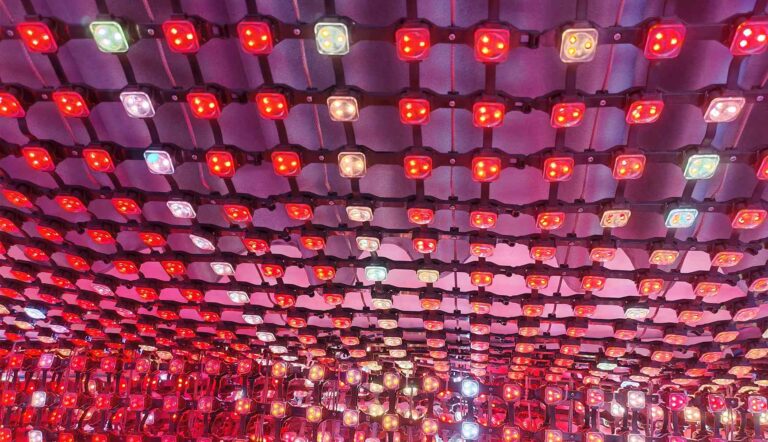
DMX512-managed RGB and RGBW pixel nodes underpin most 2026 media facade work. Art-Net scaling supports grids beyond 20,000 nodes, permitting live video mapping, event-synchronized sequences, and environmental feedback loops. Spacing in the 300–500 mm range yields adequate resolution for building-wide imagery while retaining daylight visibility through the structure.
On-site records indicate these nodes shorten setup duration provided controllers and mapping software remain aligned. Consumption holds below 1 W per node at peak output, fitting within municipal power allocations and emissions tracking.
Ultra-Waterproof IP67 for Harsh Facade Environments
IP67 now stands as the expected threshold for exposed placements. The rating handles submersion to one meter for thirty minutes—surpassing the jet and splash limits of IP65—positioning nodes for use in salt-heavy coastal zones, tropical downpours, or repeated freeze-thaw exposures.
Full silicone encapsulation, strengthened glands, and corrosion-resistant polycarbonate or aluminum shells provide the durability required for decade-long performance commitments. Coastal high-rise arrays consistently register minimal lumen loss or seal compromise after multiple years in service.
Miniature & Anchor Nail Point Lights for Seamless Integration
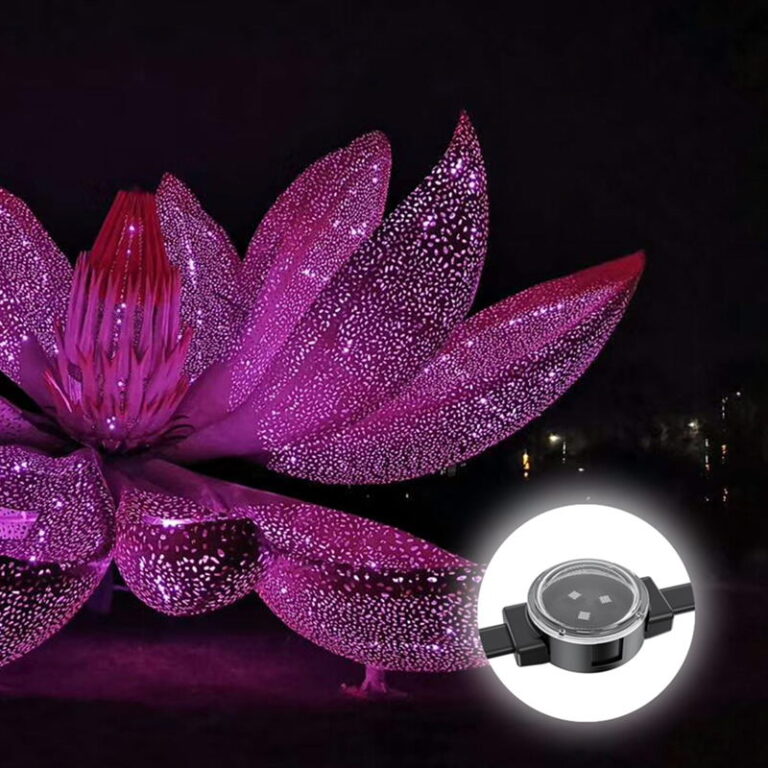
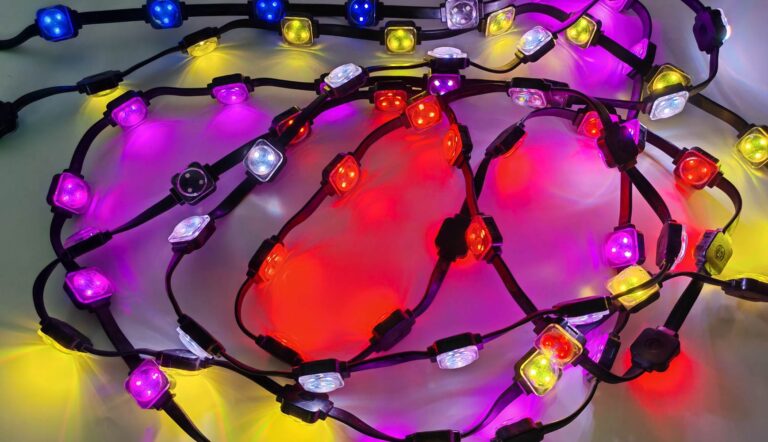
Nodes reduced to 20–30 mm diameters, secured with anchor-nail mounts or hidden clips, fit into glass curtain walls and ETFE membranes with virtually no visible profile. Broad 120–150° beam distribution ensures coverage despite the smaller envelope, enabling restrained edge lighting or clustered highlights.
Wind-tunnel measurements verify low projected surfaces that meet high-rise codes, and installation teams note quicker attachment than with heavier predecessors. Miniature variants appeal to designs that demand unobtrusive elevations together with addressable capabilities.
Sustainable & Energy-Saving Designs
Per-node draw keeps declining, with typical 2026 offerings at 0.3–0.6 W while exceeding 150 lm/W efficacy. Sensor-linked dimming and recyclable enclosures contribute to certification points and cut running expenses.
Lifecycle analyses on arrays over 5,000 nodes show recovery periods of three to five years, supported by 50,000-hour projections and maintenance that approaches zero relative to discharge lamps or neon equivalents.
Integration with Smart Building Systems & IoT
DMX nodes link directly into BACnet, Modbus, or IoT backbones, supporting unified interfaces, photocell response, and advance-warning diagnostics. External inputs from weather stations adjust intensity during adverse conditions or peak daylight, lowering draw automatically.
Portfolio operators appreciate the logged metrics for regulatory filings and planned enhancements. The added layer converts fixed lighting into a responsive element within broader management platforms.
High-Brightness for Large-Scale Signage Applications
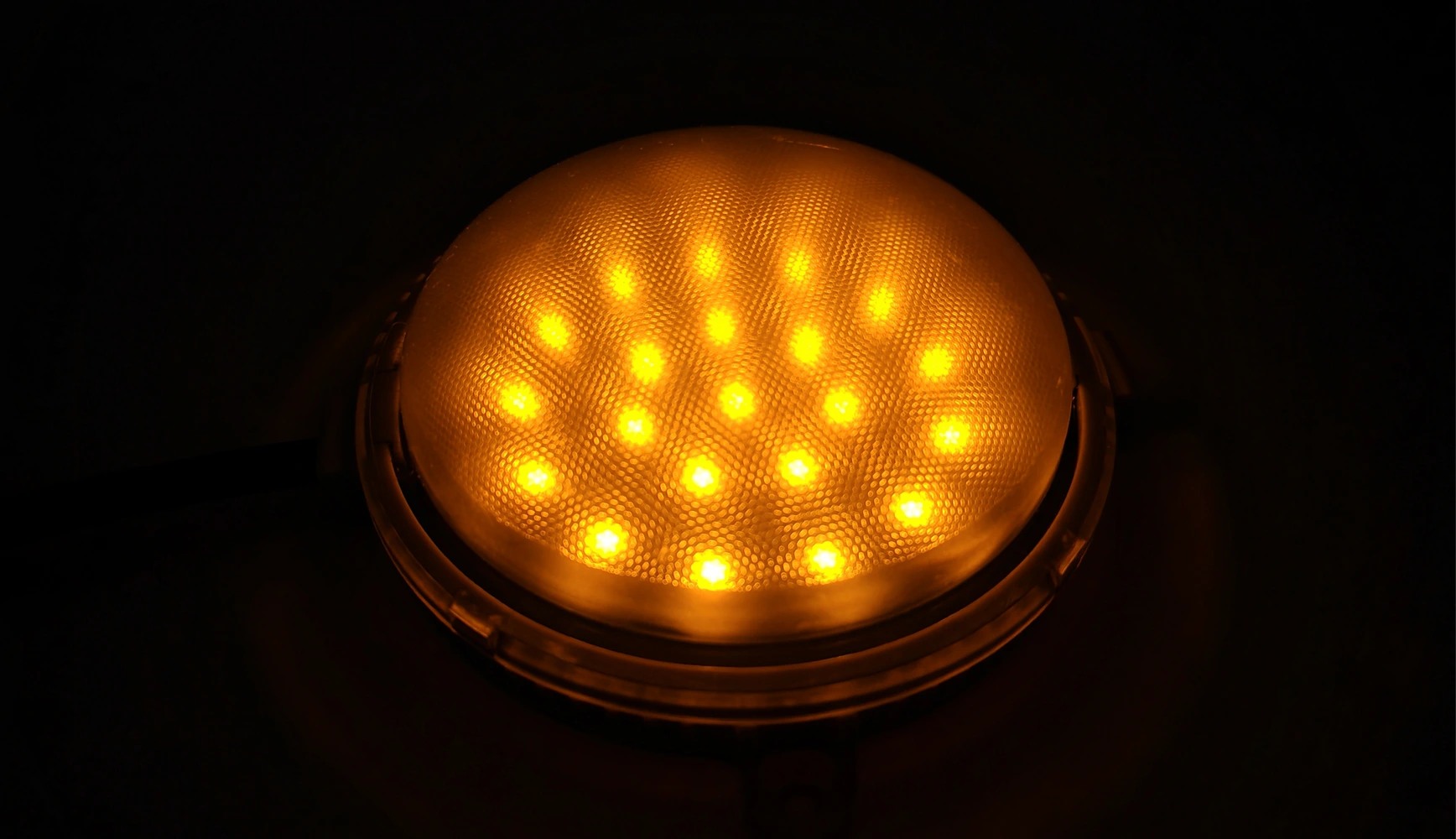
Signage and stadium rims depend on 5050-grade SMD emitters delivering over 2000 nits for clear daytime readability. RGBW setups enhance neutral-channel fidelity for dual-purpose facades that switch between graphic content and ambient white.
High-output nodes retain visibility through broad angles and changing ambient levels, establishing them as the preferred choice for landmark branding or event-centric exteriors.
Ultimate Sourcing Guide: How to Choose the Right LED Point Lights for Your 2026 Project
Data sheets require scrutiny of voltage range (DC12V for compact runs, DC24V to counter drop on longer chains), pitch for detail level, beam spread for even wash, and IP class aligned with exposure. DMX chains function reliably with proven ICs like UCS2903, particularly on extended sequences.
Representative profiles cover:
- 25 mm square nodes for dense layouts on compact or intricate facades
- 40 mm RGB models providing solid brightness and transparency on mid-size media surfaces
- 50 mm high-output units geared toward stadium signage or long-distance viewing
Budgeting begins with density estimates—one node per square meter at 500 mm pitch forms a practical starting point—then incorporates drivers, cabling runs, and control hardware. Total ownership cost stretches beyond initial buy to cover decade-long consumption and swap frequency. Bulk purchasing often includes minimum quantities, sample validation stages, and confirmed timing for tailored optics or upgraded sealing.
Vendors equipped with internal engineering resources, high-tech enterprise standing, and delivered records on comparable architectural volumes markedly lower delivery uncertainties.
Real Project Cases: From 2008 Beijing Olympics Legacy to 2026 Stadium & Facade Installs
The 2008 Beijing Olympics established lasting reference points. Exposed LED point sources animated the Water Cube with continuous color flows over vast ETFE areas, while the Bird’s Nest perimeter highlighted its lattice through controlled dynamics. Both demonstrated sustained reliability amid heavy use and environmental demands.
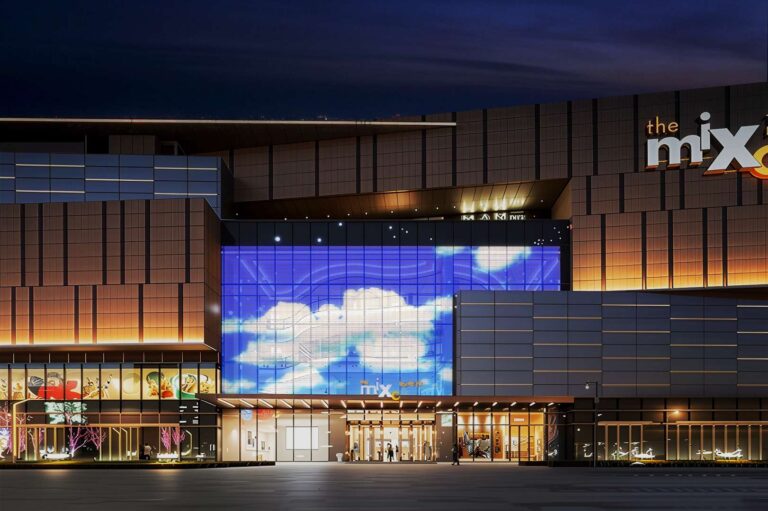
Later grid and mesh expansions brought the format to office towers, civic spaces, and transit nodes. Contemporary arrays maintain stable output in dense city contexts, with pitch tuned to observer distance and load managed via lightweight construction.
Heading into 2026, event stadium cladding follows parallel logic: addressable RGB pixels for audience zones, responsive control for efficiency gains, and heavy-duty sealing for continuous duty. These precedents emphasize the value of preliminary load assessments and spacing optimization in early design phases.
Shenzhen XinHe Lighting Optoelectronics Co., Ltd
Shenzhen XinHe Lighting Optoelectronics Co., Ltd, founded in 2004, runs a 6,000-square-meter facility with a team exceeding 250 focused on LED point light sources and grid-screen technologies. The organization carries national high-tech enterprise designation, holds ISO9001 and ISO14001 certifications, and maintains over 80 independent patents, largely tied to the Bean series.
Pivotal achievements include the 2006 development of the world’s first patented exposed LED cold-light source for architectural applications, followed by designation for the 2008 Beijing Olympics “China Seal” emblem and related features. By 2013, Bean products achieved mass production as the largest global supplier of exposed sources. Recent advancements cover miniature anchor-nail point lights (upgraded 2022) and crystal truss screens (market entry 2024 after extended R&D). The scope covers end-to-end support for large-scale landscape and advertising lighting, including scheme development, budgeting, supply, and field commissioning.
Заключение
Светодиодные точечные светильники hold their position at the core of architectural exterior strategies through 2026. Progress in addressability, environmental sealing, reduced footprints, power efficiency, connectivity, and output intensity directly tackles the practical constraints faced by facade developers and design teams. Sourcing grounded in confirmed performance data and installation history yields installations that fulfill specification goals while managing extended costs and ecological footprint.
FAQs – LED Point Light Questions for Architects and Developers
What is the main difference between IP67 and IP65 LED point lights for outdoor facade projects?
IP67 accommodates temporary immersion to one meter for thirty minutes alongside full dust exclusion and high-pressure jet tolerance. IP65 restricts coverage to lower-pressure jets and incidental splashing. Sites exposed to coastal spray or prolonged heavy precipitation benefit from IP67 to limit water-induced issues across the installation period.
How do I troubleshoot DMX not responding on programmable pixel nodes during commissioning?
Confirm addressing aligns precisely with the controller map and eliminates channel conflicts. Check data-cable orientation and place termination resistors correctly at the final node. Segment testing with reduced lengths isolates problems, followed by verification of consistent upstream voltage, as cumulative drop along the chain commonly interrupts data flow.
What typical MOQ should developers expect when sourcing wholesale LED point lights for large facades?
Common IP67 RGB nodes begin at 1,000–5,000 pieces to reach attractive per-unit rates. Modifications such as non-standard beam profiles, bin-specific colors, or reinforced ingress features may elevate the minimum. Sample batches prior to volume release verify alignment with site and content needs.
How do you calculate the number of LED point light nodes needed for a building facade?
Base pixel pitch on dominant viewing range—300 mm for proximate urban observation, 500–1,000 mm for farther perspectives. Compute nodes per square meter against the designated coverage zone, incorporating 5–10% buffer for replacements and perimeter refinements.
When should RGBW point lights be chosen over standard RGB for architectural projects?
RGBW incorporates an independent white emitter that yields superior neutral rendering, refined color blending, and elevated CRI for scenarios demanding both vivid graphics and usable white illumination. Select RGBW for facades that incorporate directional signage, pedestrian guidance, or hybrid functions requiring faithful white alongside saturated effects.





 Russian
  English
  Arabic
  Spanish
  French