

Outdoor architectural lighting projects frequently need Светодиодные точечные источники света to run non-stop in tough environmental settings. From building exteriors and landscape lighting to commercial advertising screens, these lighting setups have to survive rain, harsh sunlight, temperature shifts, and prolonged outdoor exposure. At the same time, they must keep steady brightness and good color output.
However, the working life of an LED point light source relies on more than just the LED chip itself. Product layout, waterproof design, heat control, material grade, and production methods all shape long-term dependability. For lighting designers, engineering teams, and project buyers, picking the right LED point light source supplier is crucial. Evaluating key technical details before installation can greatly cut down maintenance expenses and boost the overall project value.
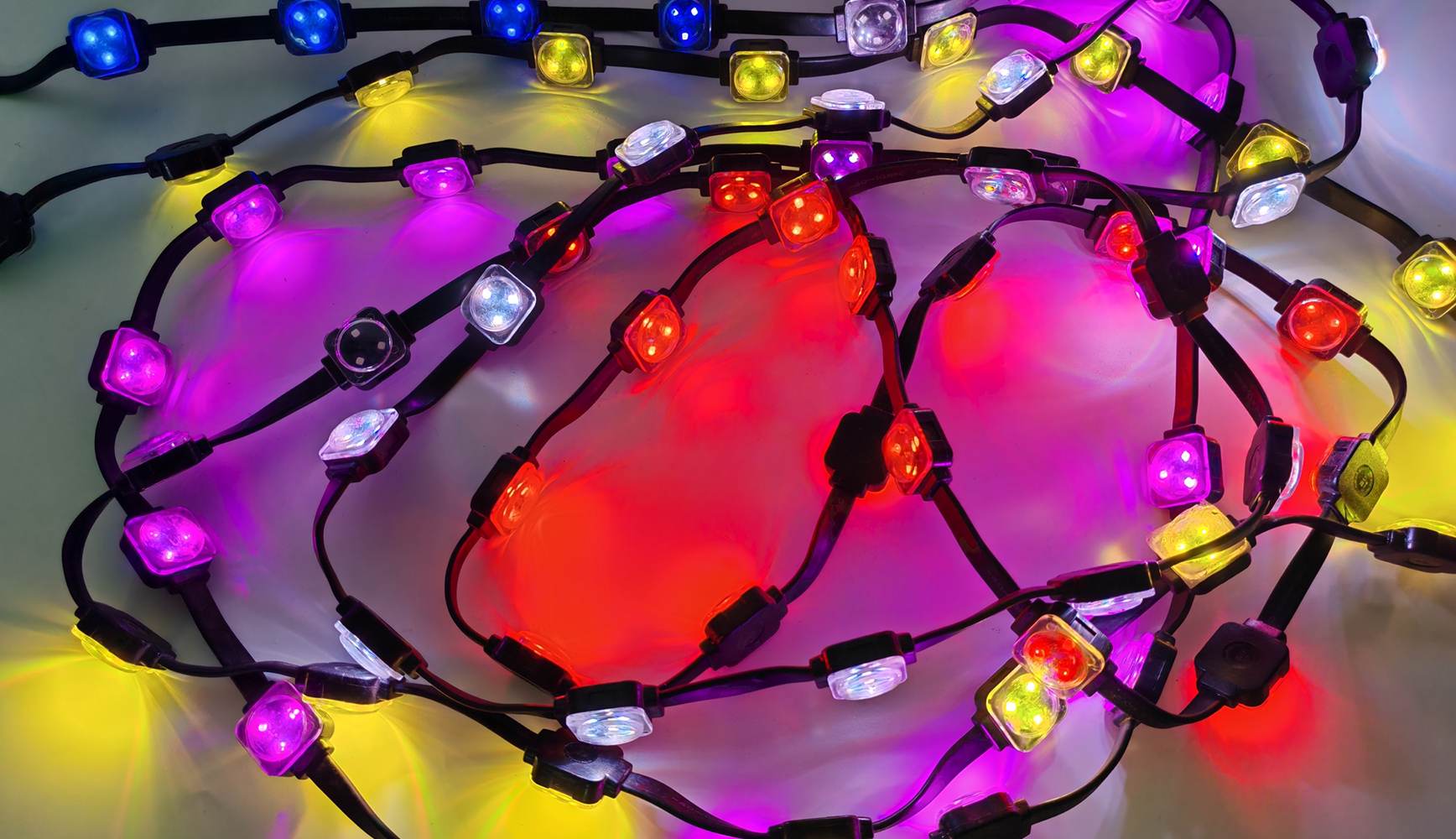
Why Does LED Point Light Source Lifespan Matter for Outdoor Lighting Projects?
Outdoor lighting projects are generally planned as long-term investments. Once they are put on building facades or massive structures, swapping out broken lighting parts can demand extra labor, special equipment, and costly project downtime.
A dependable LED point light source needs to keep uniform lighting performance. This helps lower the need for constant fixes and replacement costs.
What Causes LED Point Light Sources to Fail Early?
Many elements can alter the working life of outdoor LED point light sources.
Environmental exposure acts as one of the biggest hurdles. Constant exposure to UV rays, heavy rain, dampness, dust, and temperature swings can slowly ruin the casing materials and inner parts.
Bad sealing designs might let water get into the lamp body. Meanwhile, poor heat release can speed up LED aging and drop brightness stability.
Besides that, cheap LED chips, shaky electrical parts, and poor manufacturing habits can cause issues. These include color mismatches, light fading, flickering, or total breakdown.
Because of this, outdoor lighting projects need a full product check rather than looking only at starting brightness or the buying price.
How Do LED Chips Affect the Performance of Point Light Sources?
The LED chip stands as one of the main parts that controls brightness, color matching, and lasting stability.
Why Is LED Chip Quality Important?
Top-grade LED chips can offer better lighting efficiency. They give out more exact colors and suffer less light fading during extended use.
Синьхэ Оптоэлектроника‘ LED point light sources utilize imported global brand LED chips. These include Jingyuan and Cree LED beads. They deliver strong brightness, steady color output, and minimal light drop.
For architectural lighting projects, steady color display is highly important. This is because thousands of lighting dots might be set up across a single building front. Even tiny variations between individual lamps can ruin the whole visual look.
How Does Light Decay Influence Project Results?
LED products naturally face a drop in brightness after prolonged use. Yet, premium products can slow this drop down. This is done through better chip choices, smart thermal design, and strict material checks.
For commercial towers, city landmarks, and huge landscape lighting tasks, lessening light decay helps keep the original design look. It also cuts down how often maintenance is needed.
How Does Waterproof Design Improve LED Point Light Source Lifespan?
Outdoor lighting items must deal with shifting weather patterns all year round. Waterproof defense is therefore one of the top details to check when picking LED point light sources.
Why Is IP67 Protection Important for Outdoor Applications?
A superior protection rating helps stop water, dirt, and outdoor pollutants from harming the inside parts.
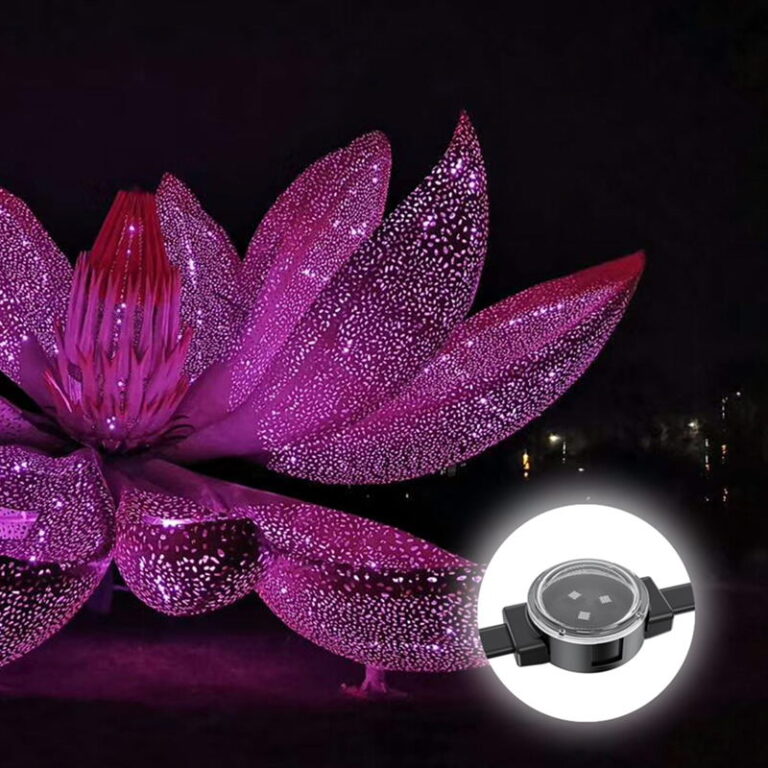
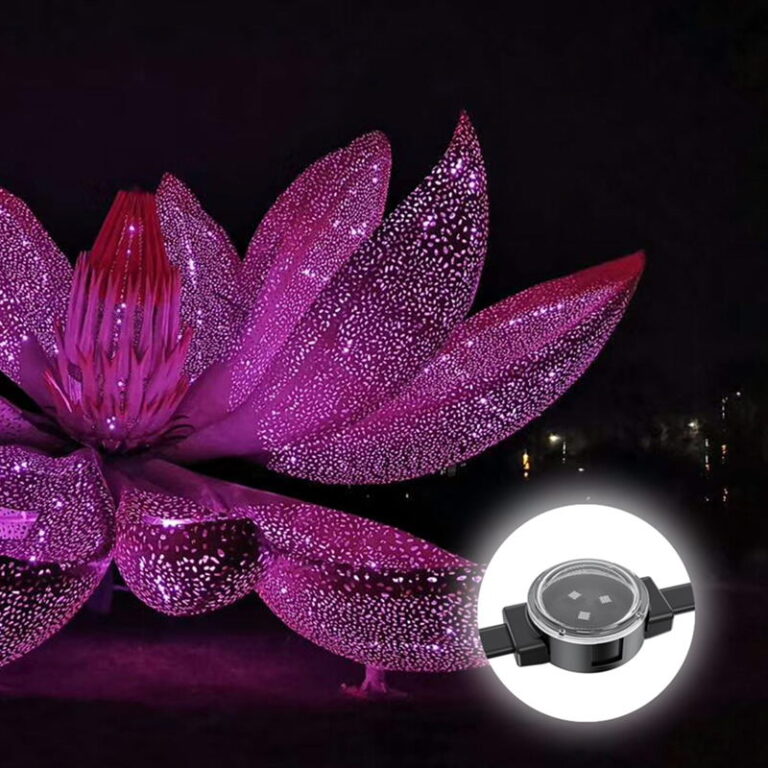
Xinhe Optoelectronics’ LED point light source products feature a fully closed setup. They use AB synthetic resin sealing along with waterproof male and female plugs. The protection rating can hit IP67. This allows the items to function safely in outdoor settings.
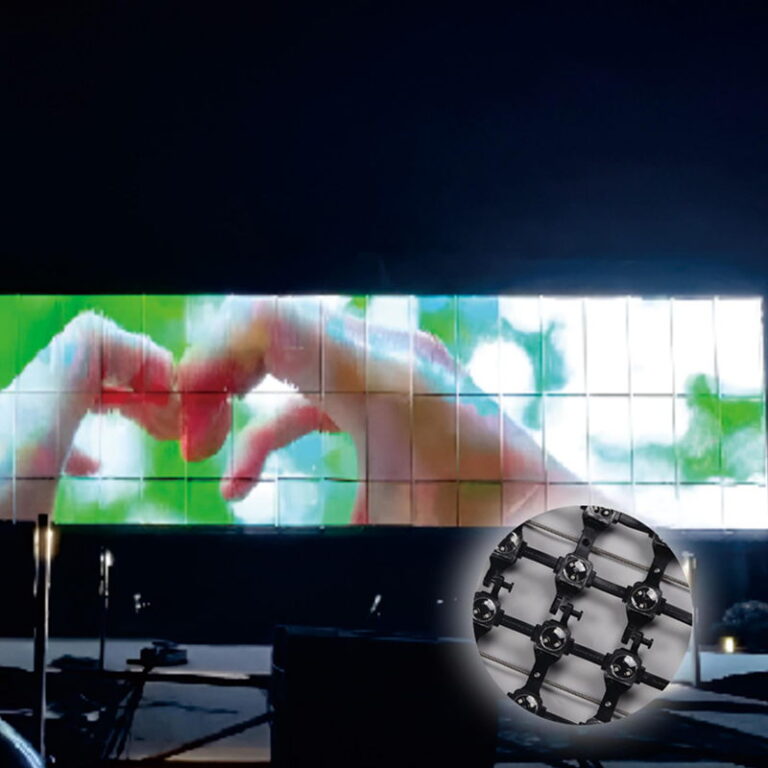
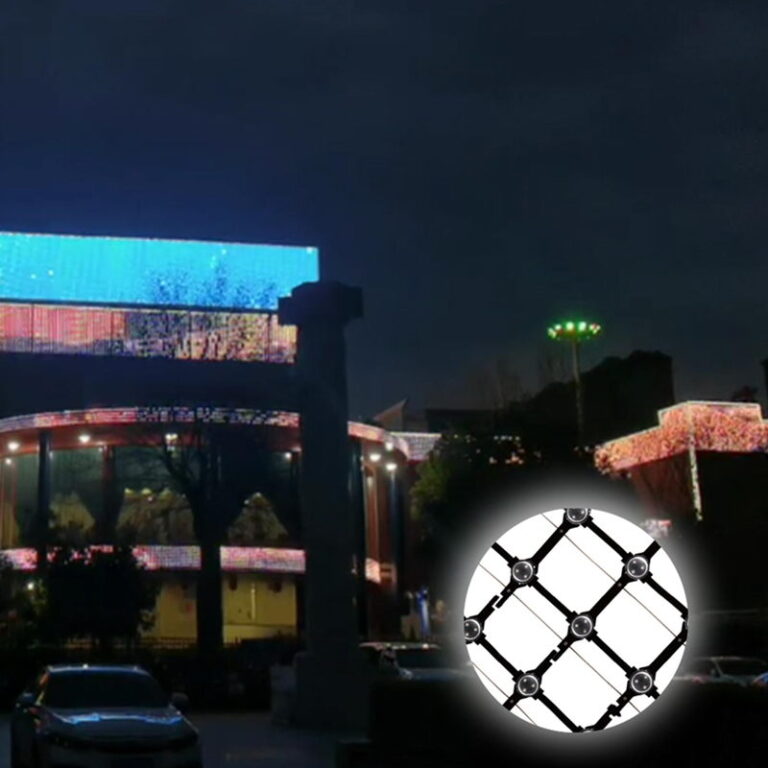
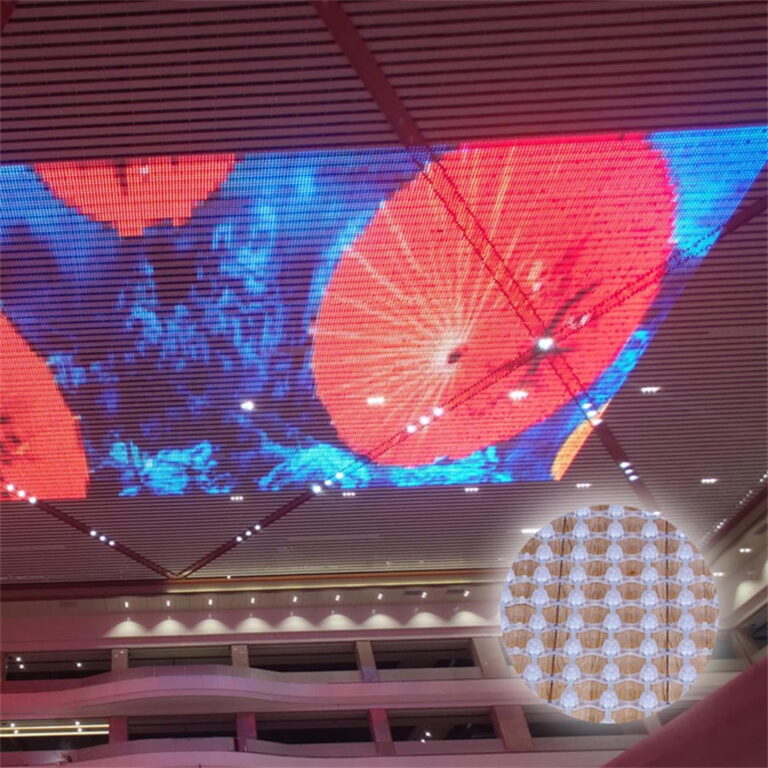
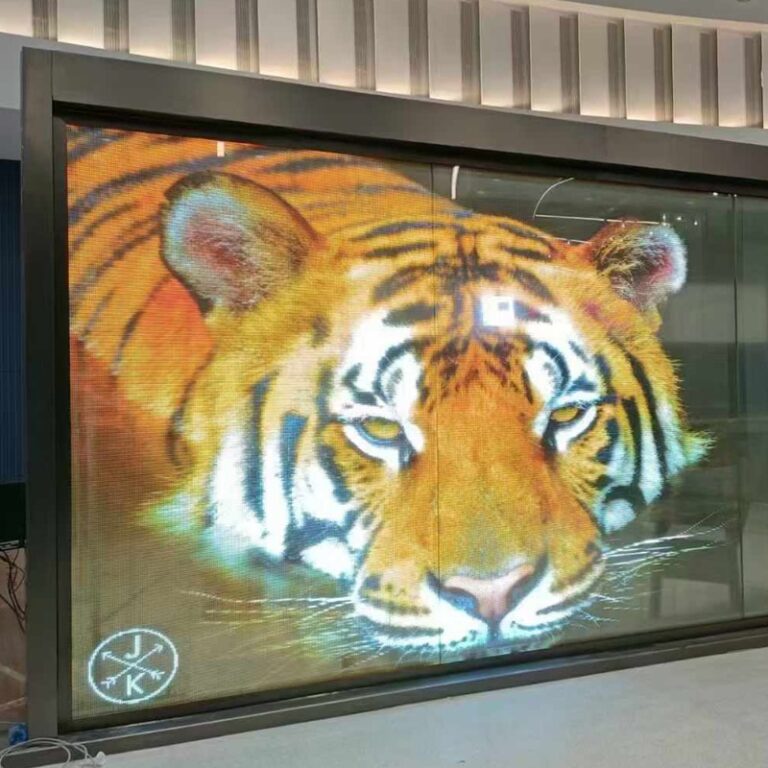
This kind of shielding is perfect for spots like building fronts, architectural borders, outdoor ad lighting, and park illumination.
How Does Sealing Technology Affect Reliability?
The sealing approach directly decides if dampness can sneak into the lamp body over years of work.
A solid sealing layout should guard electrical parts. It must also stay tough under temperature shifts and outside exposure. Weak sealing might cause inside rust, electrical faults, and a shorter working life.
For lasting outdoor projects, the waterproof build should be checked alongside materials, wiring plugs, and building quality.
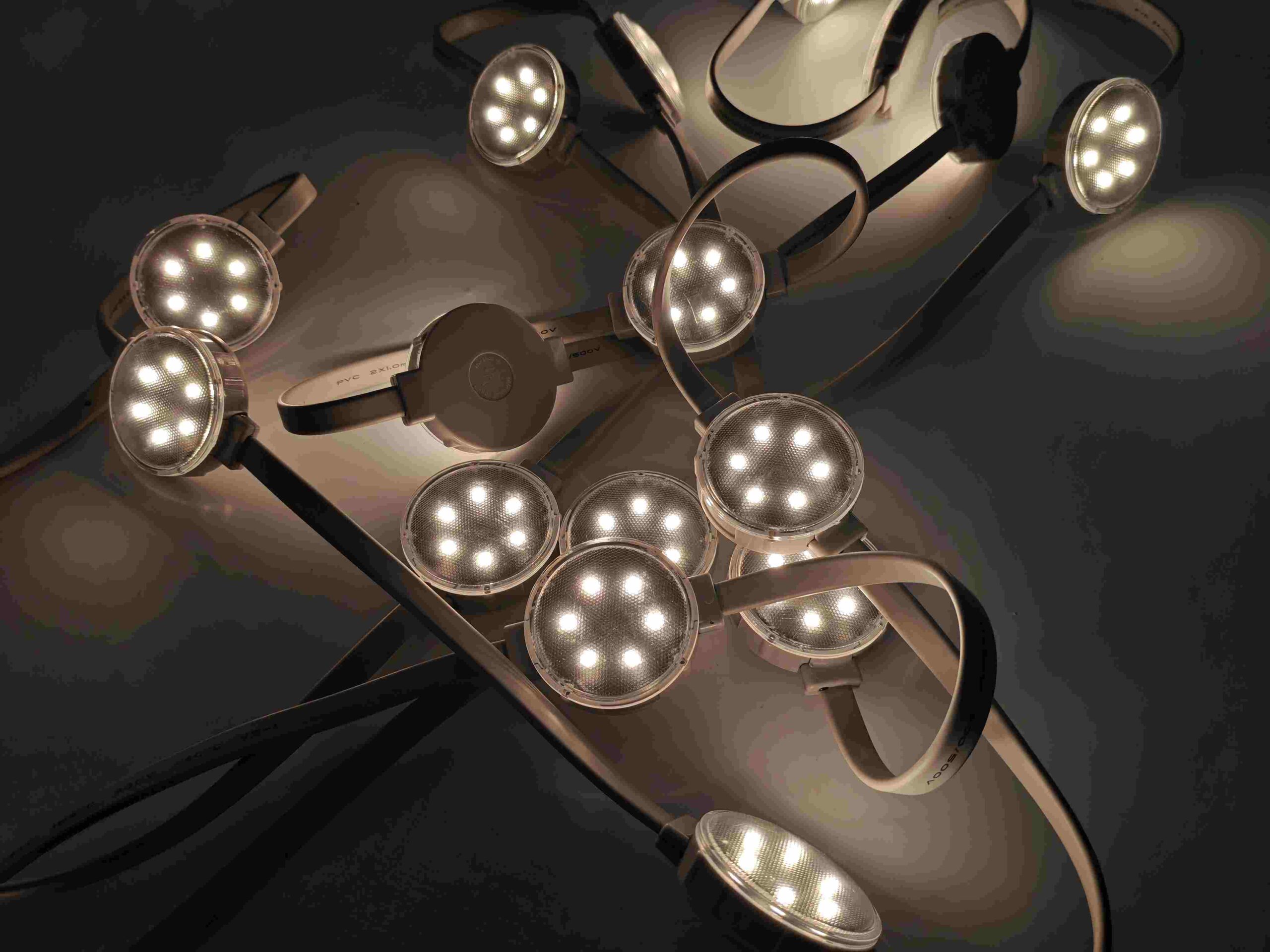
Why Are Housing Materials Important for Outdoor LED Point Light Sources?
The outer casing guards the inside LED parts from physical hits and environmental strain.
How Do PC Materials Improve Durability?
The material chosen for the lamp shell changes its impact strength, UV defense, and weather handling.
Xinhe Optoelectronics utilizes imported PC materials for point light source shells and mounts. Based on the product details, these materials offer fire resistance, impact strength, and UV protection. This helps avoid color fading during long-term outdoor use.
For outdoor architectural lighting, materials with stronger weather handling can help keep the look and function intact over long periods.
Why Should UV Resistance Be Considered?
Outdoor lighting goods face sunlight for many years. Without good UV shielding, plastic bits might turn yellow, weak, or broken. This harms both the look and the protective function.
UV-resistant materials help keep the physical shape of the lighting system strong and lower the replacement rate.
How Does Installation Design Influence LED Point Light Source Longevity?
Even premium LED goods need the right mounting ways to reach their planned lifespan.
Why Is Installation Method Important?
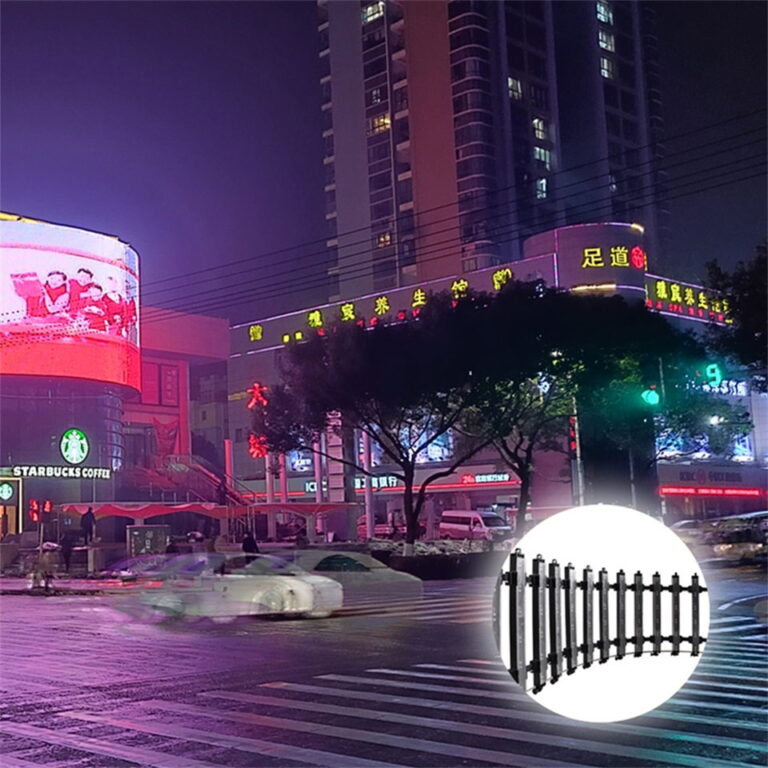
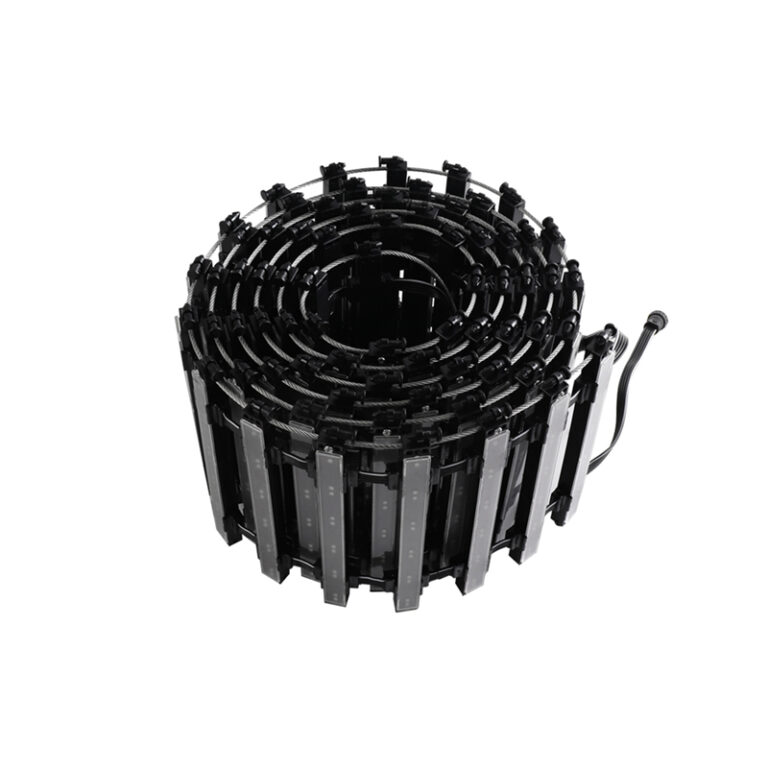
LED point light sources can be mounted using metal tracks, steel wire ties, or base screw mounts based on project needs.
A proper mounting way ensures safe placement. It also allows for neat cable setups and simpler future upkeep.
Wrong mounting might cause extra physical strain. It can also leave parts open to needless outdoor risks.
Should Project Conditions Be Considered Before Selection?
Yes. Outdoor lighting projects differ greatly based on spot, building shape, local weather, and visual goals.
Before picking LED point light sources, project teams need to check:
- Installation environment
- Required brightness and color effect
- Weather exposure
- Maintenance accessibility
- Installation structure
An expert supplier can suggest fitting products based on the specific project facts instead of offering a basic fix for every job.
How Can Professional Testing Improve LED Point Light Source Reliability?
Quality checks and product trials take a major part in ensuring lasting performance.
What Tests Should Outdoor LED Lighting Products Pass?
Solid LED point light sources must pass weather and toughness tests before wide-scale use.
Xinhe Optoelectronics runs long-term weather handling, acid and base resistance, heavy rain, and water soaking tests for its point light source goods. This verifies their strength under various outdoor settings.
These checks help spot possible faults before the products are put into huge architectural lighting setups.
Why Choose Xinhe Optoelectronics as a Reliable LED Point Light Source Supplier?
Shenzhen XinHe Lighting Optoelectronics Co., Ltd. has focused on LED point light sources, grid screens, and architectural lighting plans since 2004. The firm offers product delivery, project layout, engineering help, and on-site tips for huge architectural landscape and ad lighting tasks.
With expert production steps, quality control setups, patented designs, and custom service skills, Xinhe Optoelectronics delivers LED lighting plans built for steady outdoor use.
Заключение
Making the lifespan of LED point light sources longer needs more than just picking bright products. Lasting outdoor function depends on several things. These include LED chip grade, waterproof build, casing materials, UV defense, mounting ways, and production steps.
For architectural lighting projects, choosing items with solid materials and tested results can lower upkeep needs. It also helps maintain uniform visual effects.
By checking these points before buying, project owners and lighting teams can set up more tough, effective, and visually pleasing outdoor lighting systems.
FAQs
How Long Can Outdoor LED Point Light Sources Usually Last?
The lifespan rests on product grade, setup area, working facts, and upkeep. Premium LED point light sources with correct defense and materials can offer lasting steady work.
Why Do LED Point Light Sources Experience Brightness Reduction?
Brightness drops can happen due to LED chip aging, heat buildup, material wear, and long-term outdoor exposure. Picking good parts and smart heat and structural layouts can help lessen light decay.
What Should I Check When Choosing an LED Point Light Source Supplier?
Shoppers should review LED chip grade, waterproof defense, casing materials, testing steps, factory output, custom options, and after-sales help before picking a supplier.


 Russian
  English
  Arabic
  Spanish
  French