

Transparent digital displays are starting to become a standard for modern architecture, retail environments and even media façades. LED mesh screens have become a very popular medium to create visual communication and architecture at the same time. An important question when selecting the right LED mesh screen for a project is: high transparency or high resolution?
Two important factors to consider when choosing between transparent and high resolution LED mesh screens are display performance, installation options, the viewer’s perspective and budget. High transparency LED mesh screens are transparent enough to allow for natural light and air to pass through the installation structure. Such screens are best to be installed on glass curtain walls, building façades or any other structure where visibility and the building’s outer appearance are of importance. High resolution LED mesh screens have sharper images, more detailed and more vibrant for up close viewing in shops, exhibitions, shopping centers, event stages and similar environments.
In order to design an appropriate solution with the continuously improving LED display technology of 2026, architects, advertisers, system integrators and property owners from commercial real estate have to balance five different parameters: transparency, pixel density, brightness, energy efficiency and integration into structures. Choosing the wrong parameters can lead to inappropriate expenses, poor image quality and restricted options for installation.
This guide distinguishes high transparency from high resolution on LED mesh screens. It then compares the advantages and disadvantages of the two applications in various fields. This guide also explains the relevant technical specifications and helps choose the optimal application for specific project requirements.
What Are the Key Differences Between High Transparency and High Resolution in LED Mesh Screens?
Before selecting an LED mesh screen, it is important to understand the difference between transparency and resolution. Both of these parameters will affect how a display looks and how it will be installed.
Defining High Transparency in LED Mesh Screens
A High Transparent solution allows a high amount of light and air to pass through the screen. This can be achieved by increasing the distance between the LEDs on the mesh and thus allowing the ambient light to pass through the mesh while minimizing the obstruction of light by the mesh. High Transparent screens are typically used for architectural applications such as façades, glass walls etc. and are especially suitable for outdoor applications where it is an advantage to be able to see through the screen.
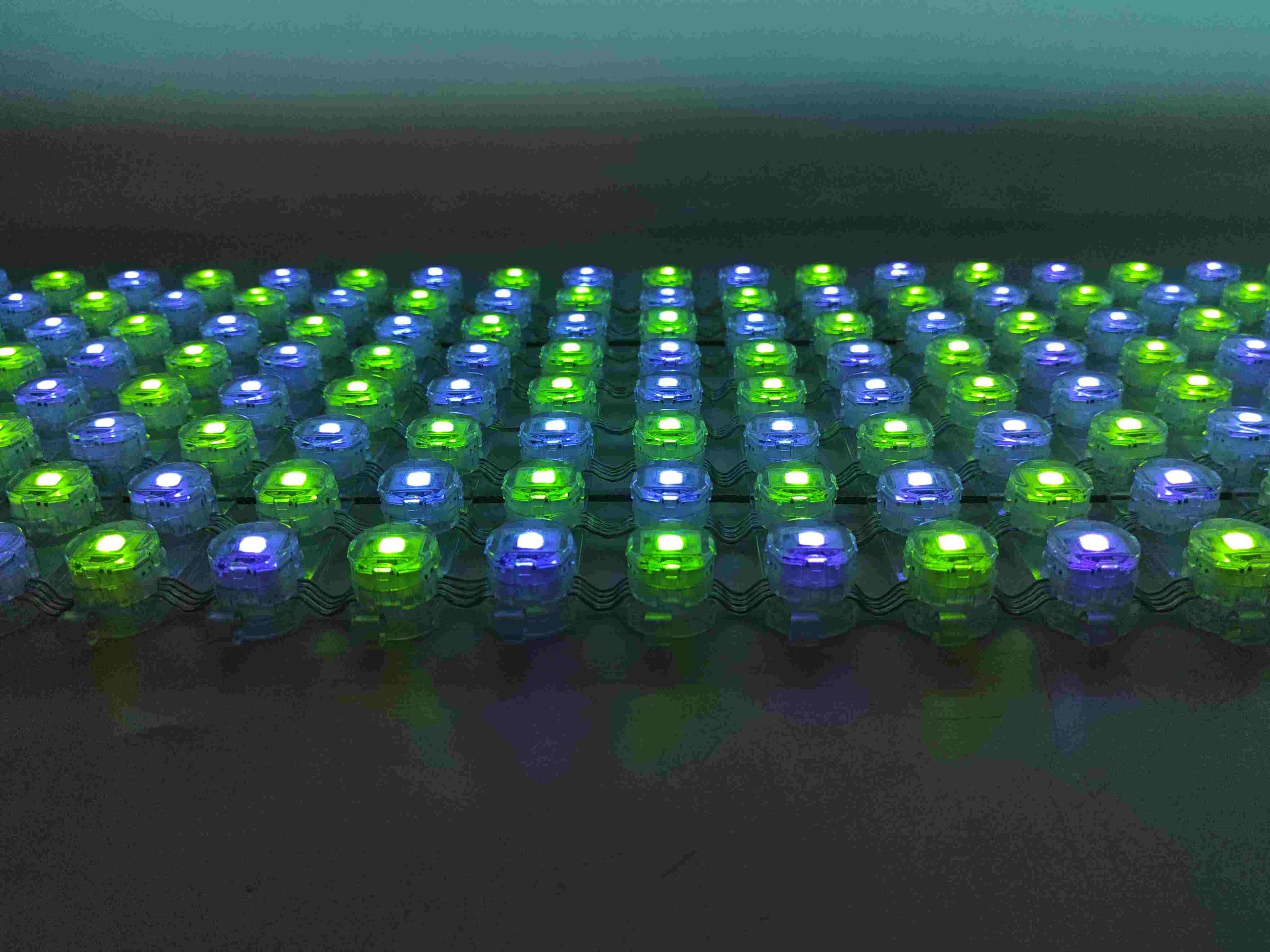
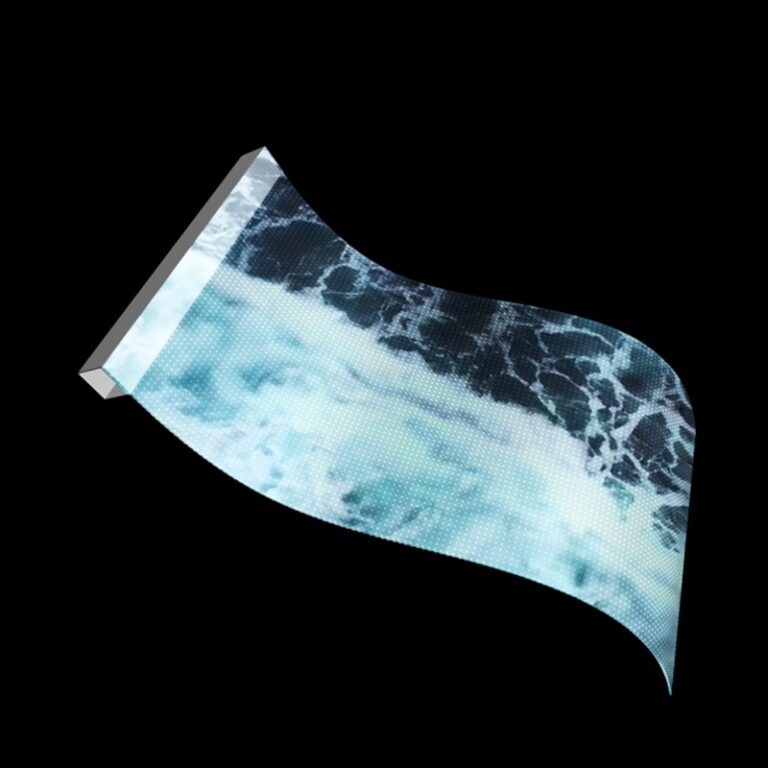
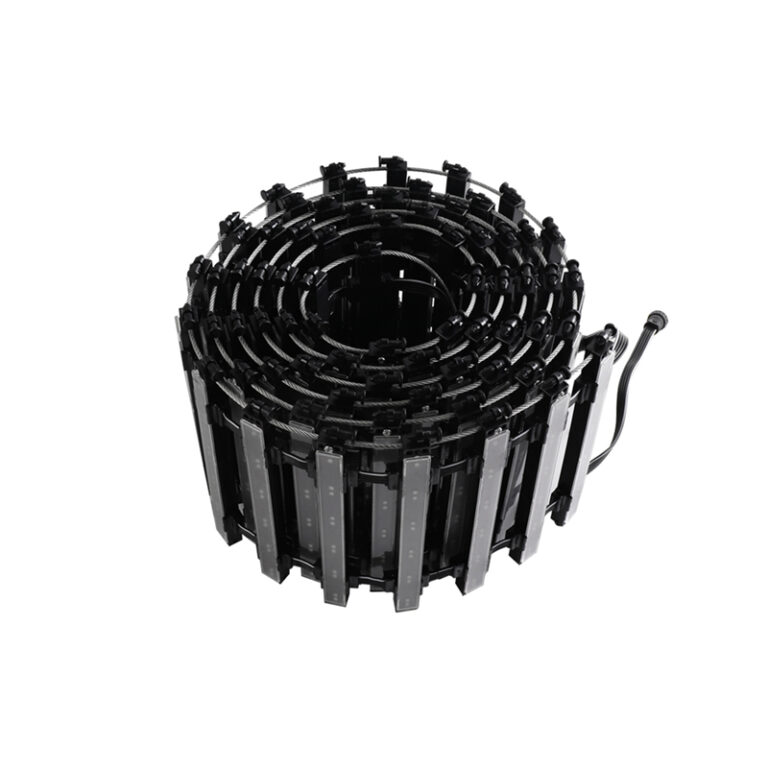
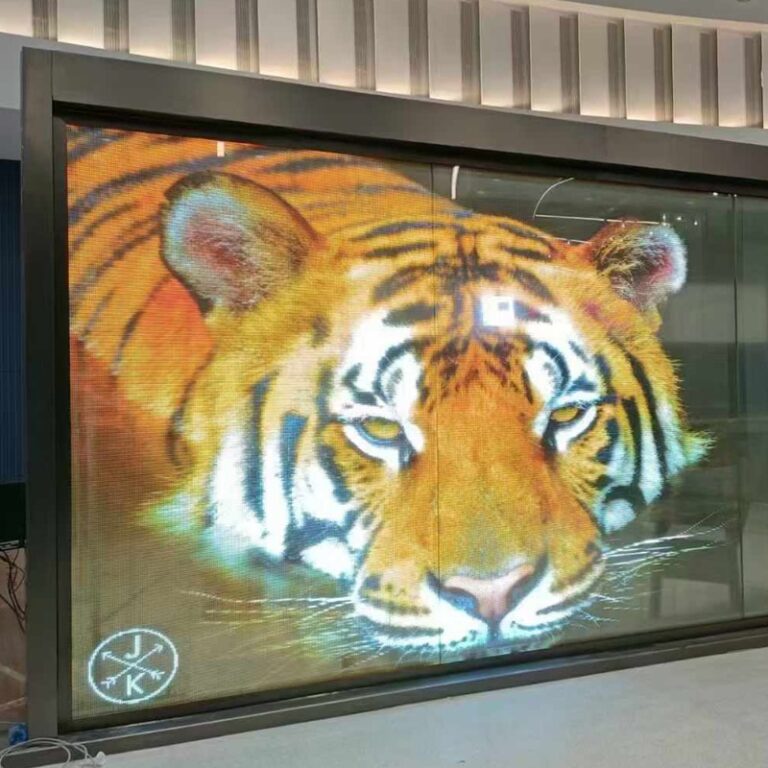
Xinhe Optoelectronics’ crystal truss screen has four main characteristics: light, transparent, flexible and thin. The screen is very easy to install and does not require any steel frame structure. It can be attached directly to the glass surface. Such high transparency screens do not disturb the building’s look while displaying dynamic visual content.
Our product has a permeability of up to 95% and provides good lighting. From 3 meters distance the screen surface is hardly visible anymore. Thus, the natural light in the room will not be obscured and will still enable the best possible view of the displayed information.
Exploring High Resolution in LED Mesh Screens
Resolution, or pixel density, indicates how closely the LEDs are cast on the panel surface. Higher resolution images will look sharper and more detailed than those of lower resolution. However, because of the increased density of the LEDs, less transparency will be able to be created. For applications requiring the highest level of visual acuity such as retail and indoor events, higher resolution displays are able to deliver the best image quality.
A high-resolution display makes for a very detailed image, however, higher resolution means more LED components and thus a heavier and more expensive display on a per square meter basis. Therefore it is crucial to find a good balance between the pixel pitch and the viewing distance to achieve optimal cost and performance.
How Does Application Environment Influence Your Choice?
The environment in which the LED mesh screen will be installed is decisive for whether high transparency or high resolution is more effective.
Outdoor Architectural Applications
For use in outdoor installations, the displays have been made as durable as possible and are in harmony with the environment. For buildings and landmarks transparent screens can be used which are almost invisible and do not block the view.
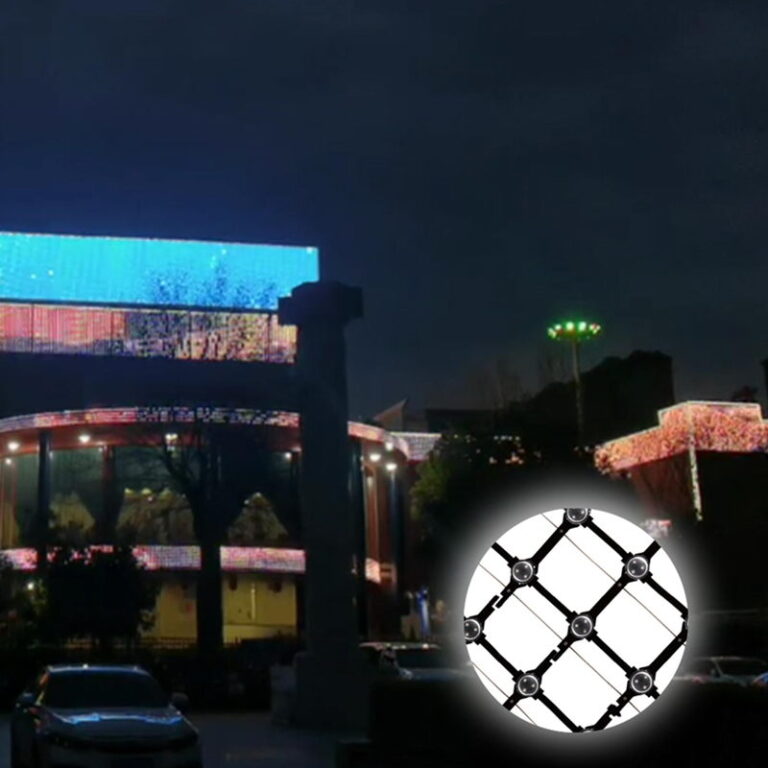
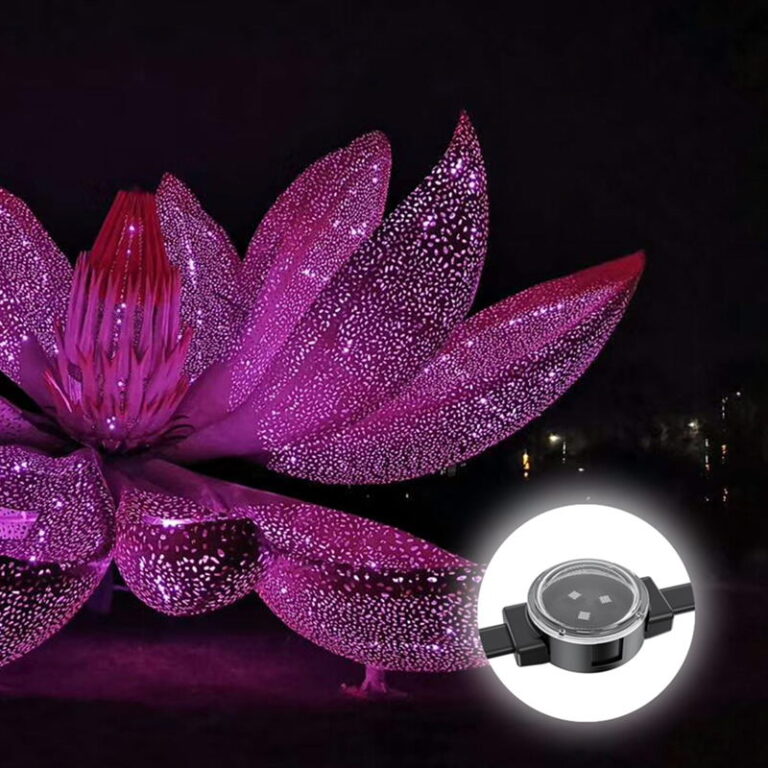
The Grid screen is a large pitch LED display, designed to cater for extra large display surfaces such as Real Estate projects, shopping centers, Glass Façade displays, Hotels and Extra High buildings Facades, etc. The display is extremely light, thin and transparent.
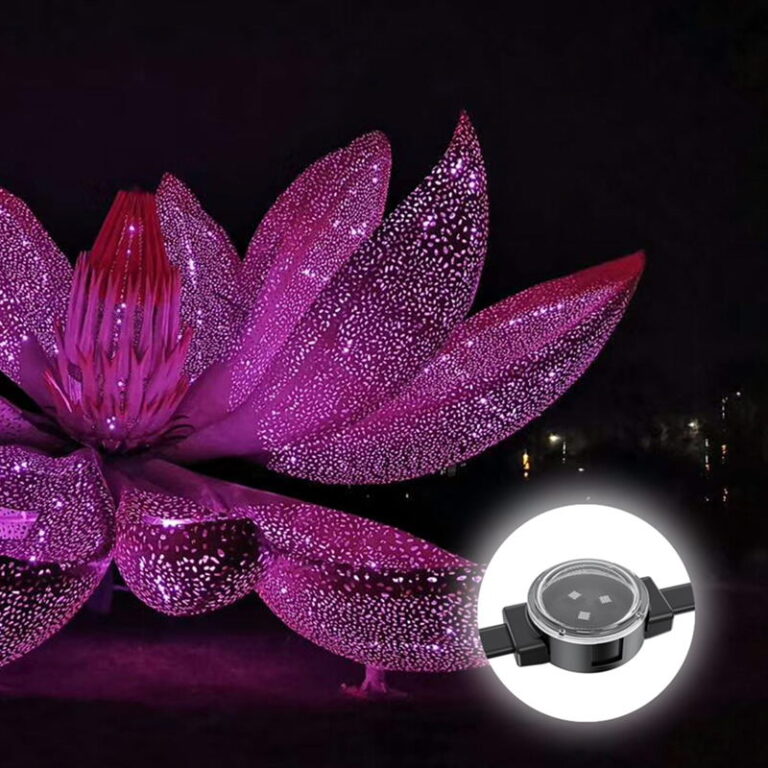
The required properties for such an application are higher brightness and weather resistance than high pixel density. The lamps are potting with AB synthetic PU glue, protection level IP67. They are suitable for use in both indoor and outdoor areas, and can be mounted on flat surfaces as well as on curved surfaces. Indoors, natural lighting and air flow are maintained.
Indoor and Event-Based Installations
Indoor exhibitions, concerts, or retail spaces demand higher resolution for visual clarity under controlled lighting conditions. Here, background visibility is less important than image precision.
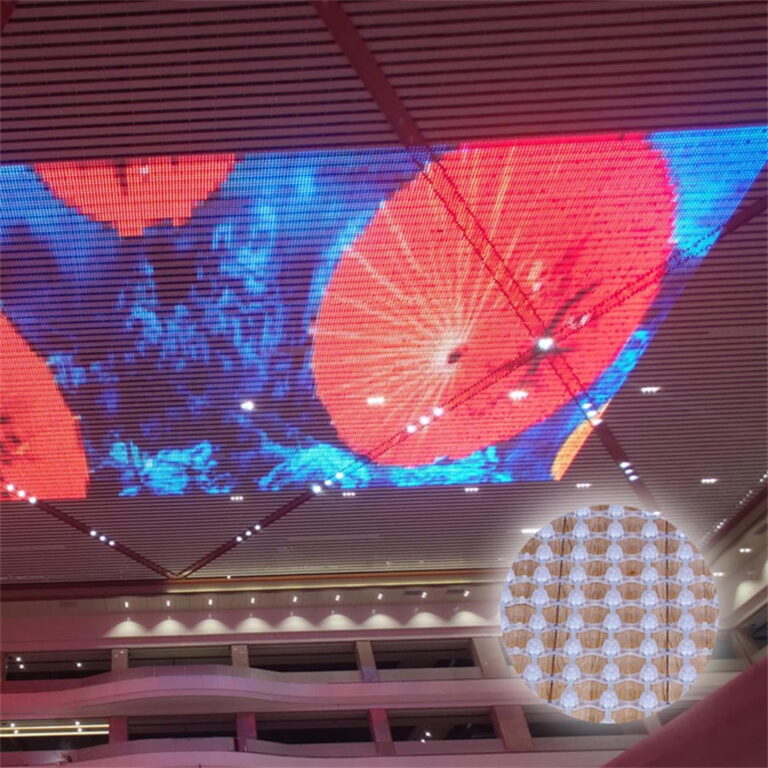
High-resolution mesh screens perform very well in situations where the audience is close to the display surface, such as in shopping malls or trade shows. The high level of detail in the mesh is very engaging and effective for brand presentation.
How Do Technical Specifications Affect Performance?
The technical parameters of an LED mesh screen describe its performance under different operation circumstances.
Pixel Pitch and Viewing Distance
Pixel pitch on LED displays provides a balance between high resolution and good transparency. The smaller the pixel pitch the more detailed the images will be but less light will be transmitted. Larger pixel pitches provide more transparency but at closer range the images will have less definition.
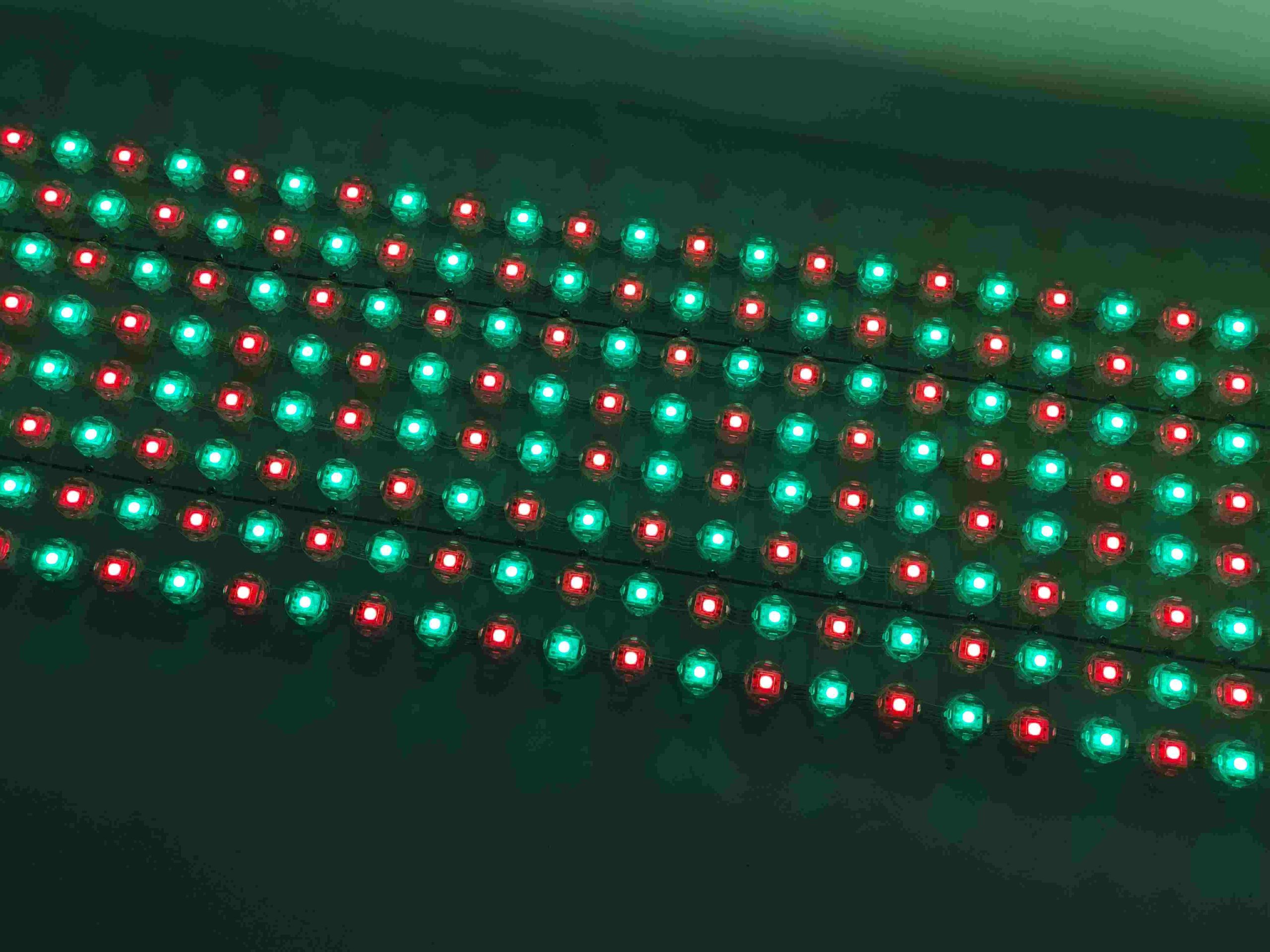
The product specification XH-CXG2001 is available with a variety of pixel pitches, ranging from 50×50mm up to 50×100mm. Here you can see that the optimal pitch depends on the viewing distance of the audience in front of the display. Small pixel pitches are suitable for near field applications, large pixel pitches are more suitable for architectural installations where the viewing distance is larger.
Brightness, Contrast Ratio, and Refresh Rate
High brightness levels are required to cut through the sun to show images on the outside screen. A high contrast ratio will show good colors and not allow them to bleed or become to bright. A high refresh rate will stop flicker of images when playing video or a live event.
Transparency & High Brightness – The product emits a high-brightness display of 6000cd/㎡ which means that transparent LED mesh screens are also suitable to be displayed during the day at very good colors.
What Are the Design Considerations When Integrating LED Mesh Screens?
The integration of design elements affects both the aesthetics of the structure and its structural compatibility.
Structural Load and Installation Flexibility
Using lightweight materials for facades and building in a modular way allows for easy maintenance and replacement of single parts. The finished unit screens are delivered to site in a curled up and folded state. On site they are unrolled, split where necessary and connected up.
By design, the flexible configurations of the product enable it to be conformable to surfaces that are very curved or very irregular, providing the creative user with novel architectural displays that are form-fitting.
Energy Efficiency and Heat Dissipation
The transparent design of LG OLED enhances the passive cooling efficiency of the LEDs by promoting airflow. The transparent heat spreader for self-heat dissipation does not impede the airflow or screen illumination, while reducing weight effectively dissipating heat for a longer life.
Using energy-efficient LEDs in our designs means that power consumption over long periods of operation is kept to a minimum. Added to this, effective thermal management extends the product life.
Why Is Choosing a Reliable Supplier Crucial for Project Success?
Choosing a reliable manufacturer for your parts ensures you have quality control throughout the life of your project.
Shenzhen XinHe Lighting Optoelectronics Co., Ltd: A Trusted Partner in LED Mesh Screen Solutions
Shenzhen XinHe Lighting Optoelectronics Co., Ltd (hereinafter referred to as Xinhe Optoelectronic) is the professional company specialized in R&D and application of point light sources and grid screens which are with independent intellectual property rights… Xinhe Optoelectronic provides integrated services which include design proposal, project budget and relevant products and on-site guidance for huge architectural landscape and advertising lighting projects.
The company’s products, including flexible transparent film screens of Miracle Bean series, are widely used in architectural media façades all over the world. As a company founded for quite time, it always sticks to innovation as core competitiveness and keeps developing products with leading position in the industry.
How Can You Balance Visual Quality with Architectural Integration?
Reaching a balance between image quality and environmental aesthetics is largely a matter of matching a project’s goals with its technical realities.
Evaluating Project Objectives Before Selection
Whether high transparency or high resolution is best to use is determined by whether audience engagement or structural appearance is to take priority, by the ambient light level and by the degree of maintenance accessibility that is required at a particular location.
Adopting a Balanced Approach for Optimal Results
A combination of moderate resolution and medium transparency offers great flexibility in various environments. By automatically adjusting the brightness of a dynamic control system within the course of the day, optimal visibility is always ensured without wasting energy. When required, our employees will work together with experienced engineers to optimize the feasibility of a solution while maintaining the necessary visual impact.
Conclusion: Making an Informed Decision for Your LED Mesh Screen Project
Deciding between high transparency and high resolution depends on several criteria. In addition to the goal of a project, the site conditions and the design limits of structures, also the reliability of suppliers has to be evaluated. Only by doing this and cooperating with a reliable manufacturer like Shenzhen XinHe Lighting Optoelectronics Co., Ltd. the properties of high transparency and high resolution can be fully realized in various fields of application.
FAQs
What is the ideal pixel pitch for outdoor transparent LED screens?
Pixel pitch of indoor LED displays should be around 10mm to 40mm. Higher pixel pitches make the display more transparent while lower pixel pitches will enhance detail for the closer audience members.
Can high-resolution LED mesh screens be used outdoors?
Yes. In addition to the above features, weatherproofing of outlets, switches and other types of receptacles will be required to protect against moisture, dust and temperature. These are referred to as IP65 or IP67.
How does transparency affect energy consumption?
Higher transparency improves air flow around the LEDs which reduces heat generation and thus the cooling demand which translates into lower energy consumption for operation.



 Russian
  English
  Arabic
  Spanish
  French