
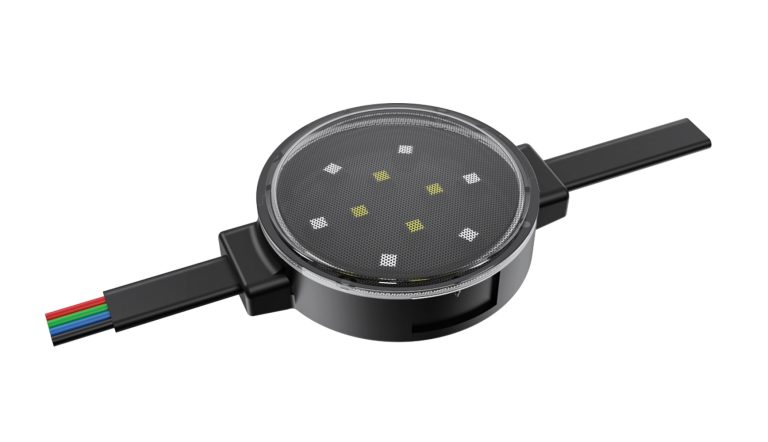
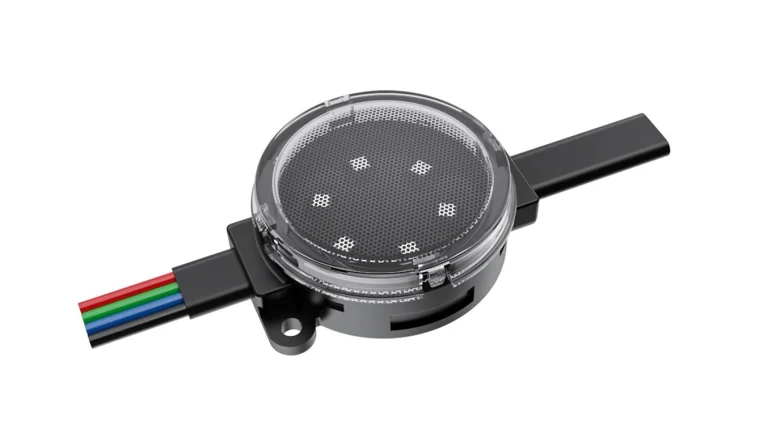
People often think Светодиодные точечные светильники are easy to choose. Small fixture, simple function, low power. On paper, that sounds right. In real outdoor projects, especially those meant to run for years without constant maintenance, point lights are usually where problems first appear.
Choosing LED point lights for outdoor projects is less about picking a product and more about understanding how that product behaves once it is exposed to weather, heat, installation constraints, and long operating hours. The wrong choice rarely fails immediately. It fades, shifts color, traps moisture, or starts creating uneven visual effects long after the project is handed over.
That is why knowing how to choose LED point lights has much more to do with application context than with checking a specification list.
Why Application Context Should Drive Outdoor LED Point Light Selection
Outdoor projects do not fail because someone forgot a parameter. They fail because the lighting solution does not match how the space is actually used.
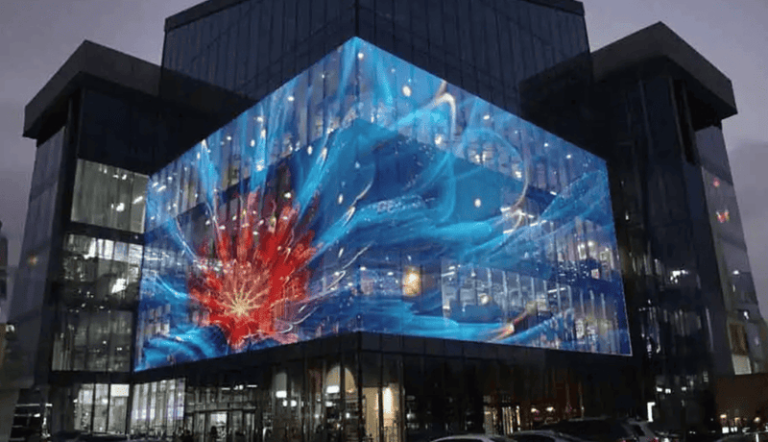
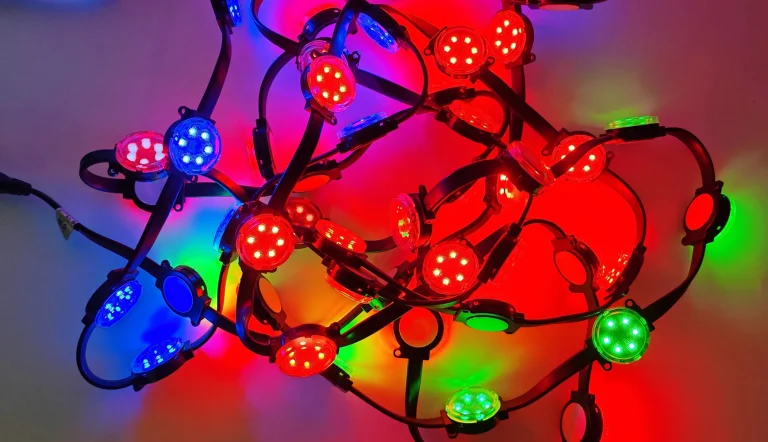
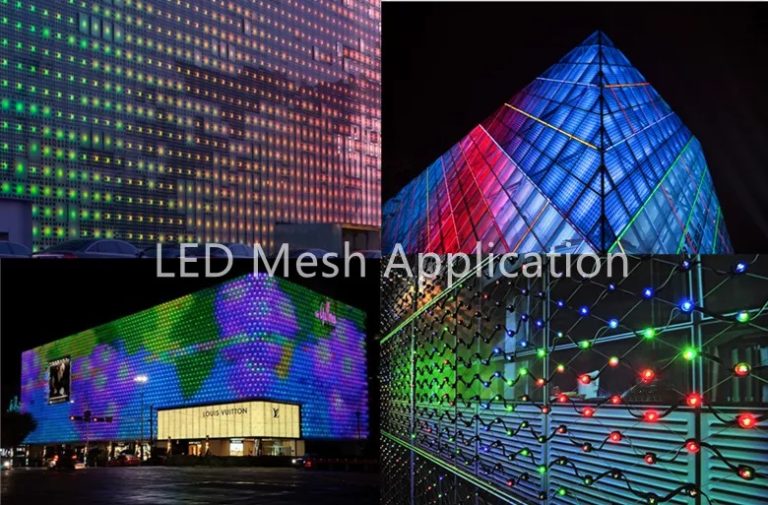
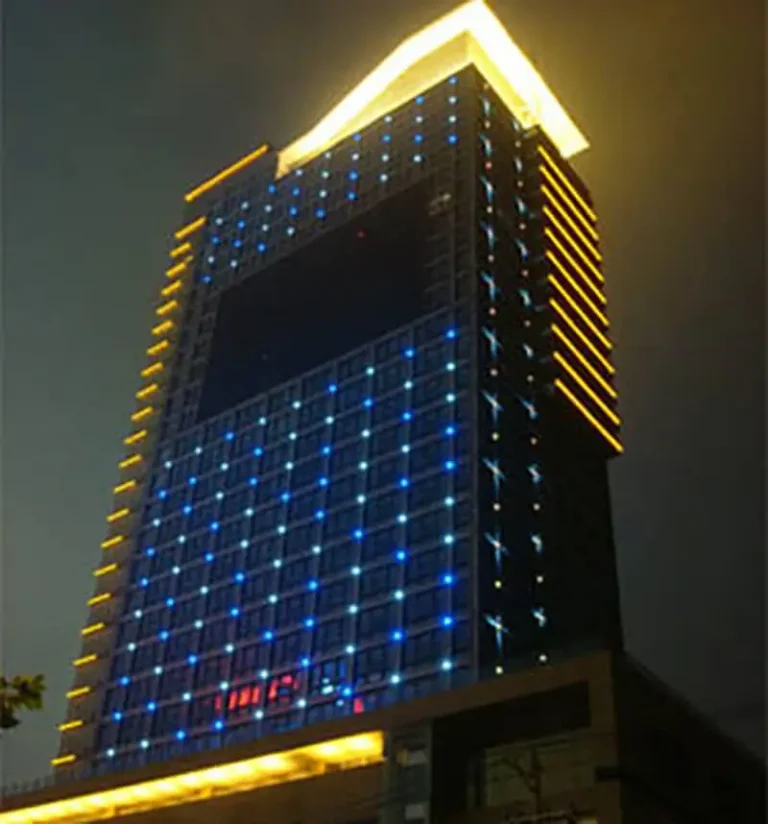
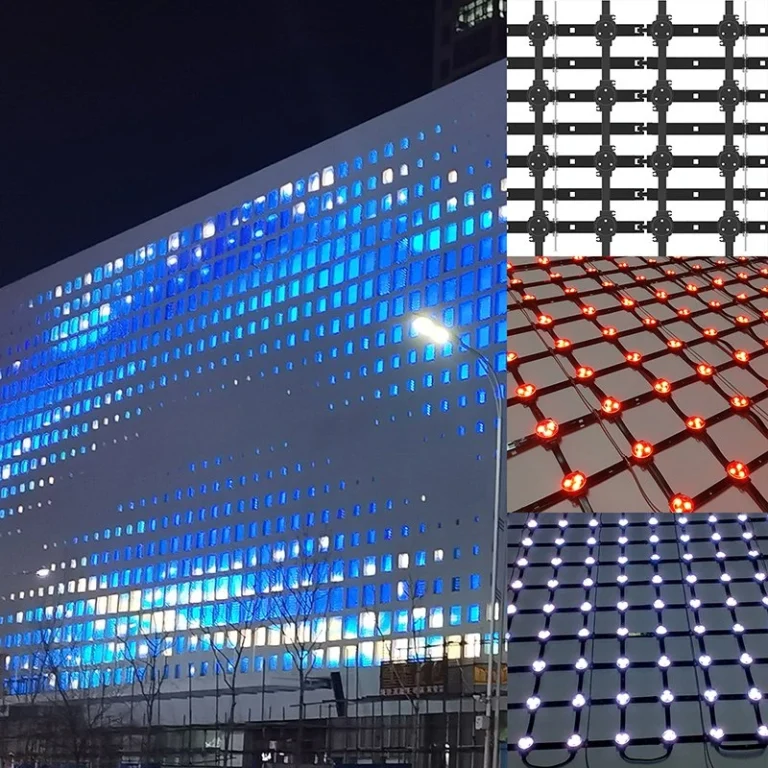
A point light installed on a building façade is usually expected to operate every night, often for long periods, sometimes synchronized with media or control systems. Uniformity and consistency matter more than peak brightness. If one unit drifts in color or output, the entire visual rhythm breaks.
Landscape projects are different. Point lights are closer to people, closer to plants, and closer to water. Irrigation systems, soil moisture, and temperature swings slowly test the fixture. A light that looks fine during installation may start showing condensation or output instability after the first rainy season.
This is why outdoor LED point light selection should always begin with a basic question:
what will this light be exposed to, day after day?
When selection starts from usage instead of product type, many common mistakes disappear early.
Color Temperature: Where Visual Design and Reality Often Diverge
Color temperature is one of the first things discussed in lighting design, yet it is also one of the easiest to misunderstand once the project moves outdoors.
In controlled indoor spaces, color temperature behaves predictably. Outdoors, it interacts with surfaces, distance, ambient light, and weather. A cooler tone that looks crisp on a test sample can feel harsh once reflected off concrete or metal. A warmer tone that looks subtle during the day may disappear visually under street lighting at night.
In landscape and cultural projects, warmer color temperatures often support natural materials and human comfort. In functional outdoor areas, slightly cooler tones can improve visibility. The mistake happens when one color temperature is forced across all zones without considering how those zones are perceived.
Another issue that appears over time is inconsistency. When point lights age at different rates, color differences become visible even if all units started with the same specification. Stable color performance matters more than the exact Kelvin number printed on the datasheet.
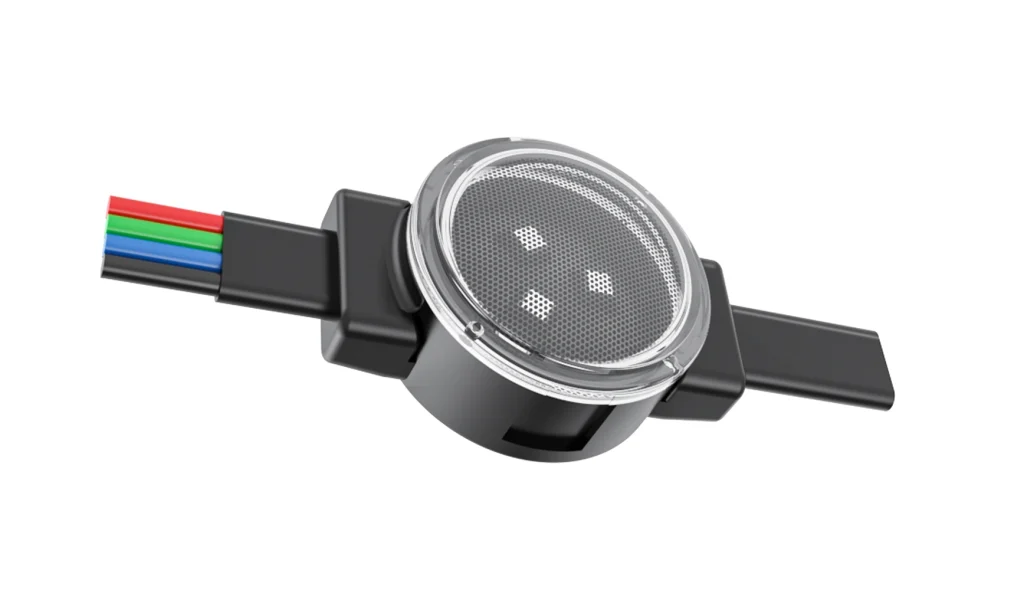
Protection Level Is Not About Extreme Weather, but Daily Exposure
Many outdoor lighting failures have nothing to do with storms. They happen quietly, through dust accumulation, humidity, and repeated temperature changes.
In urban environments, fine dust and pollution slowly enter poorly sealed fixtures. In coastal areas, salt accelerates corrosion. In landscaped spaces, water does not come only from rain, but also from irrigation and ground moisture.
This is where protection level becomes a real performance factor, not just a compliance label. A point light with inadequate sealing may work for months before showing problems. By the time flickering or moisture marks appear, the cost is already sunk into installation and wiring.
Selecting LED point lights that are designed to handle everyday exposure reduces long-term uncertainty. It also simplifies maintenance planning, because fixtures tend to age in a predictable way instead of failing randomly.
Lifespan Is Mostly About Heat, Not Marketing Numbers
Most people know that LEDs last a long time. Fewer people think about why some fail much earlier than expected.
In outdoor point lights, heat is often trapped. Fixtures are embedded in structures, installed in narrow gaps, or surrounded by materials that limit airflow. If heat cannot escape, internal components age faster, even if the electrical load is within limits.
Over time, excessive heat leads to reduced output and color shift. The light does not go dark; it simply stops matching its neighbors. That is often worse, visually, than a complete failure.
When choosing LED point lights, lifespan should be evaluated through thermal design rather than headline numbers. A slightly lower output fixture with better heat management often performs better over years of operation than a brighter unit running near its thermal limit.
Control Stability Matters More Than Feature Count
Many outdoor projects now integrate point lights into control systems, whether for dynamic effects or simple scheduling. Problems rarely come from the control protocol itself. They come from inconsistent response.
If some point lights respond slower, flicker under load, or drop signal intermittently, the issue quickly becomes visible. Troubleshooting in outdoor environments is slow and expensive, especially when fixtures are installed at height or in hard-to-reach areas.
For this reason, control compatibility should be judged by stability, not by how many modes a fixture supports. In long-term projects, reliable behavior matters more than advanced features that are rarely used.
Common Selection Errors Seen in Outdoor Projects
One frequent mistake is choosing point lights based solely on brightness. Excessive brightness often leads to dimming, which creates inefficiencies and additional heat. Another common issue is underestimating environmental stress, assuming that “outdoor-rated” automatically means suitable for all conditions.
There is also a tendency to mix products from different batches or designs to reduce cost. At installation, everything looks consistent. After one or two years, differences become obvious.
These issues are not caused by poor products alone. They come from selection decisions that ignore how outdoor environments amplify small weaknesses.
About Shenzhen XinHe Lighting Optoelectronics Co., Ltd.
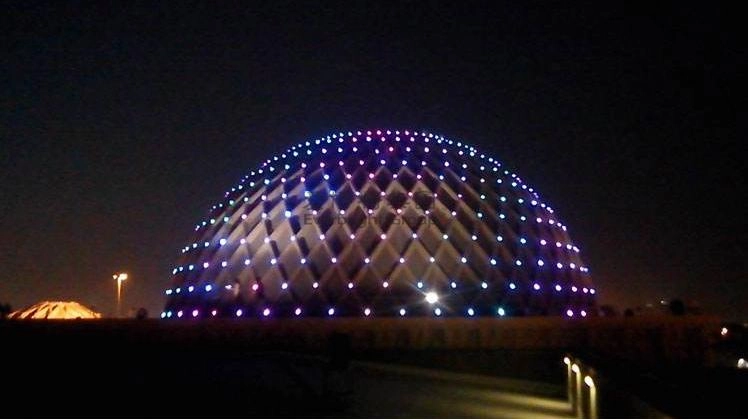
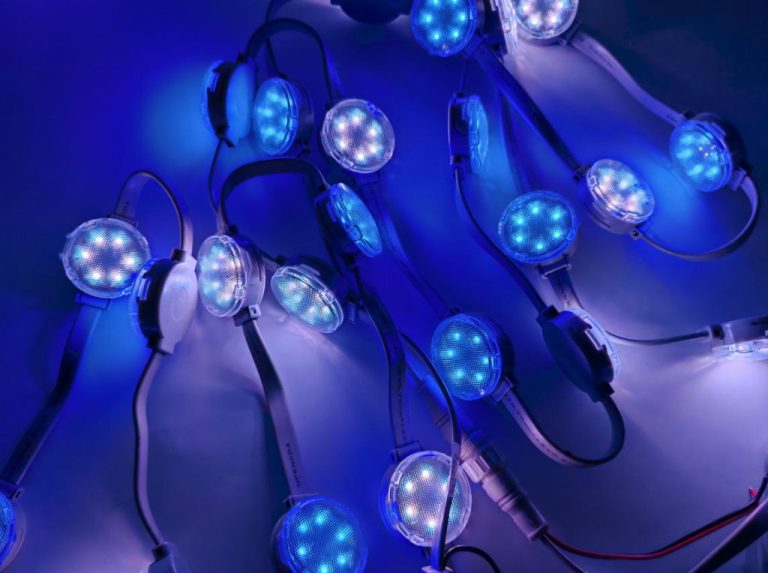
Shenzhen XinHe Lighting Optoelectronics Co., Ltd. has focused on LED point light sources and grid-based lighting systems since its establishment in 2004. With long-term involvement in architectural façade lighting, cultural tourism projects, and outdoor media installations, the company works across design coordination, project budgeting, product supply, and on-site technical guidance. Its experience comes from supporting projects that require stable performance over extended operation, rather than short-term visual impact alone.
Заключение
Knowing how to choose LED point lights for outdoor projects means accepting that outdoor conditions always reveal weaknesses over time. Application context, color behavior, environmental exposure, and thermal performance all interact in ways that are difficult to predict from a datasheet.
Projects that age well are usually those where point lights were selected with restraint and realism. When fixtures are matched to their actual role instead of ideal conditions, maintenance becomes predictable and visual quality remains consistent long after installation.
FAQs
How should I start outdoor LED point light selection for a new project?
Begin with the application environment. Understand exposure, viewing distance, and operating hours before looking at product specifications.
Does color temperature affect long-term outdoor performance?
Yes. Color stability over time is often more important than the initial color temperature value, especially in large installations.
Why do some outdoor LED point lights fail earlier than expected?
Heat buildup and moisture ingress are common causes. Both are influenced by fixture design and installation conditions.
Are brighter LED point lights always better for outdoor use?
Not necessarily. Excess brightness can cause glare, inefficiency, and thermal stress without improving real visual effect.
Can LED point lights be used reliably in large outdoor projects?
Yes, when selected with attention to application, protection, and thermal design, they can perform stably for many years.


 Russian
  English
  Arabic
  Spanish
  French