
If you run a store with big glass windows, you already know the love–hate relationship with your storefront.
You want daylight, an open view and product displays. Marketing wants bold visuals, promos and moving content. Traditional posters, lightboxes or bulky LED cabinets usually mean sacrificing one side to get the other.
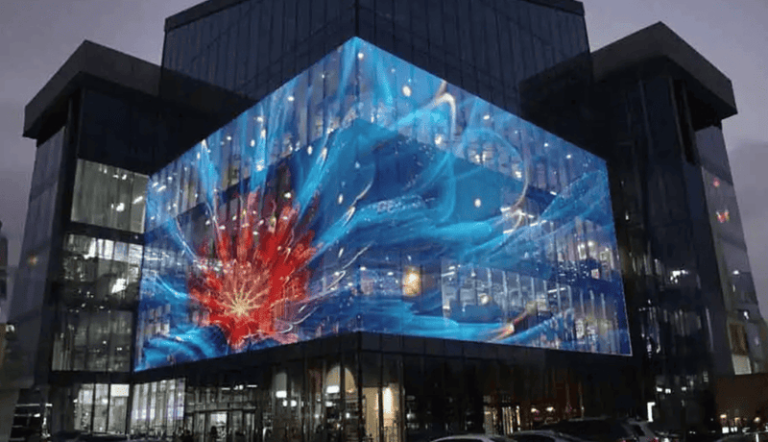
An Светодиодный гибкий прозрачный экран changes that equation. Instead of covering your storefront, it turns the glass itself into a digital canvas – without killing natural light or hiding what’s inside.
This article looks at how LED flexible transparent screens work on retail storefronts, what they actually do for traffic and sales, and why many retailers are moving this way for new openings and remodels.
What Is an LED Flexible Transparent Screen?
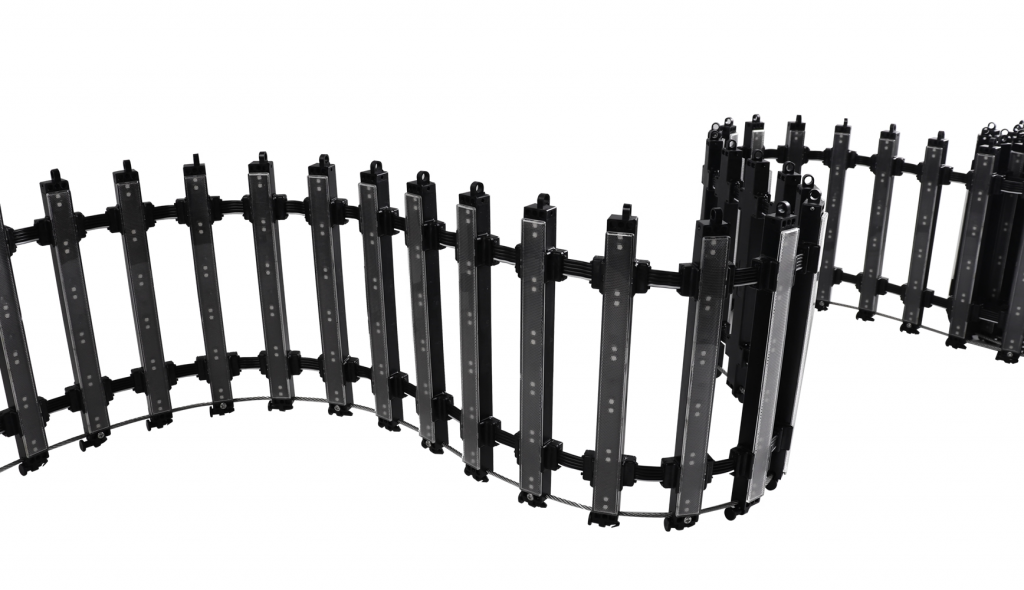
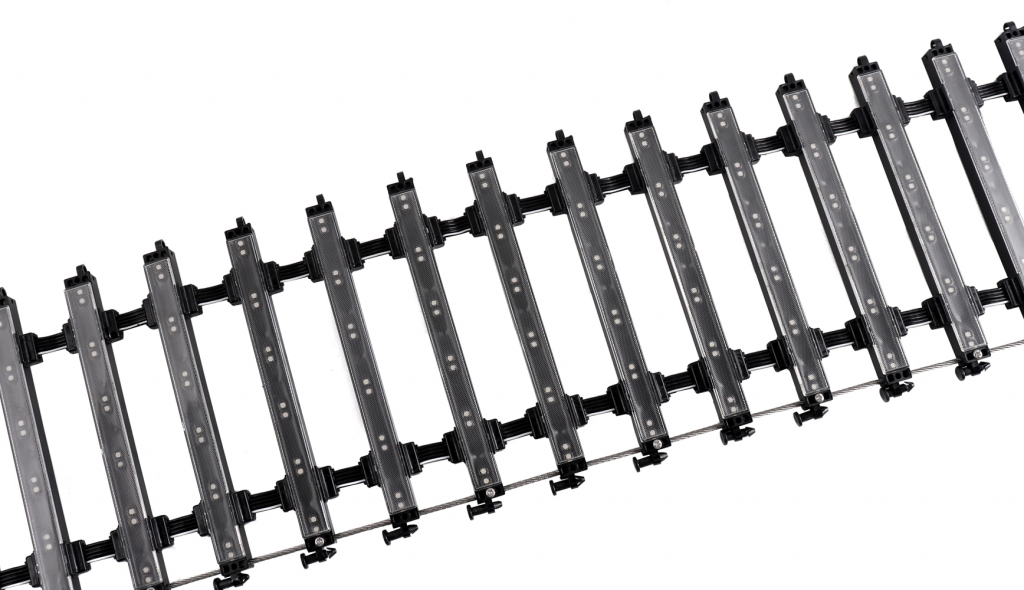
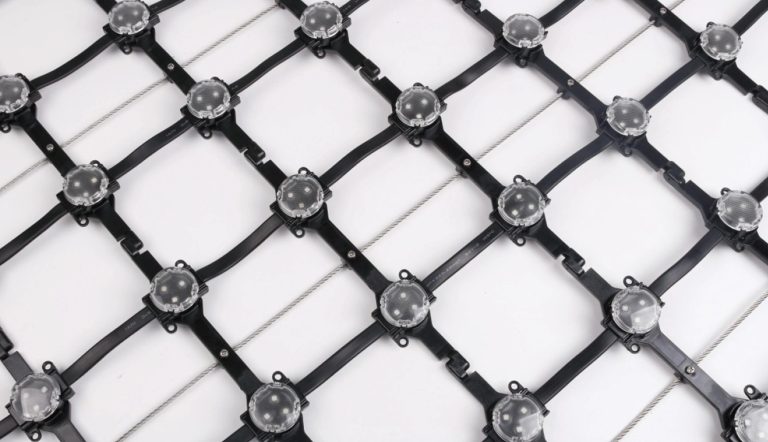
An LED Flexible Transparent Screen is a thin, see-through LED display built on a transparent film. It’s designed to be attached directly to glass rather than installed as a heavy cabinet.
Instead of rigid modules and steel frames, the display uses ultra-thin flexible film as the carrier for the LEDs, with a module thickness under 2 mm. The structure stays light, transparent and almost invisible when the content is off.
Despite the thin form factor, the screen still delivers:
- High transparency, so the store interior and daylight remain visible
- High brightness, up to the level needed for street-facing glass
- Support for images, text, animation and full-motion video
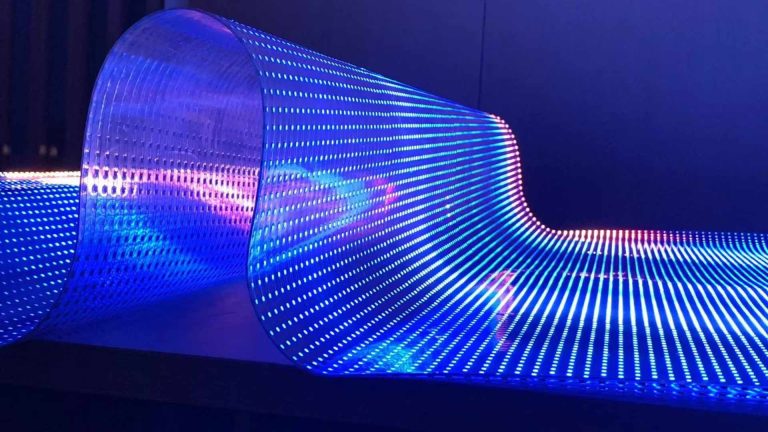
- Options for curved or irregular surfaces
For retail, the big idea is simple: every window becomes a digital storyteller without turning your store into a dark box.
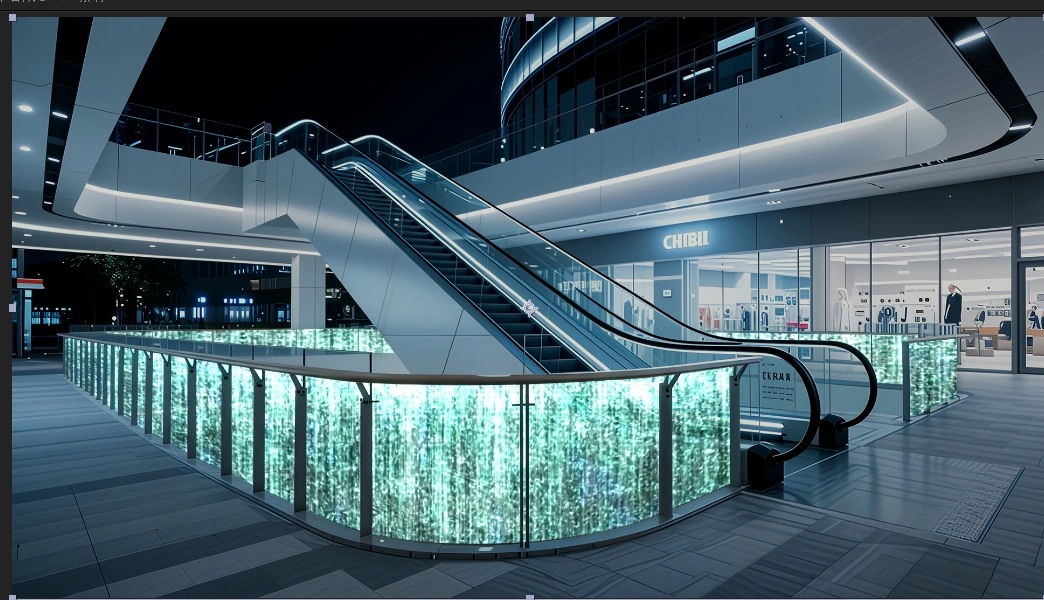
Why Storefronts Need More Than Posters and Lightboxes
Most retailers today face the same set of storefront headaches:
- Static campaigns get old fast. Printed posters look tired after a few weeks, and changing them costs time and money.
- Window “noise” builds up. Different teams add stickers, banners, standees… and suddenly the window looks cluttered instead of premium.
- Conventional LED walls block the view. Rigid screens eat up space, block light and can make the store feel closed off from the street.
- Energy and maintenance add up. Multiple lightboxes and screens mean more wiring, more points of failure, more service calls.
LED flexible transparent screens tackle these issues in one go: one clean digital layer on the glass, software-controlled content, and a storefront that still feels open and welcoming.
Key Advantages for Retail Storefronts
Keep Your Store Open to the Street
One of the biggest fears with any digital display on glass is “Will customers still see my products?”
LED flexible transparent screens are built on high-transparency crystal film with a fine metal grid, reaching a light transmittance of nearly 95%.
That means:
- Daylight still enters the store
- Passersby can see mannequins, shelves or hero products
- When the content is off, the display almost disappears into the glass
You get the impact of digital signage and the openness of a traditional window at the same time.
Ultra-Thin, Ultra-Light and Clean to Install
Unlike heavy cabinets, this type of screen is:
- Less than 2 mm thick
- Light enough to mount directly on the glass
- Installed without large steel frameworks
In practical terms, the modules are attached to the window surface and powered and controlled from hidden boxes at the side or ceiling. No big structural changes, no huge hanging rigs. For busy retail programs, that means faster deployments and less disruption during store renovation.
Bright Enough for Street-Facing Glass
Street-facing windows are tough: sun glare during the day, reflections at night. Low-brightness displays simply wash out.
Xinhe’s LED flexible transparent screens are designed for high brightness performance, up to around 6000 cd/㎡, so video and text stay visible even in challenging daylight conditions.
You can run:
- Seasonal campaigns and sale messages
- Brand films and lifestyle videos
- Product launch animations
…without worrying that the sun will erase everything.
Smart Control for Multi-Store Retailers
With software control, the storefront becomes part of your media network, not just a local sign.
Xinhe’s LED Flexible Transparent Screen supports:
- Wi-Fi remote control
- Cluster management of multiple screens
- Multi-screen and split-screen playback
- Synchronous or asynchronous control
A retail group can push a new campaign to dozens of stores at once, schedule different content by time of day, or localize messages (for example, local promotions or language) while keeping the main brand story aligned.
Flexible Shapes for Creative Windows
Real storefronts are rarely perfectly flat rectangles. Corners, curves, segmented glass and double-height spaces are common.
Because the screen uses flexible film, it can be:
- Cut to custom sizes and shapes
- Folded or bent to follow curved glass
- Combined into large irregular compositions
This lets visual merchandising teams design around the building rather than fighting it. A curved corner window, for example, can become one continuous moving image that wraps around the block.
Built-In Reliability for Long Retail Hours
Retail windows are “always on”: long operating hours, daily content changes, frequent on/off cycles.
Inside the thin film, Xinhe uses:
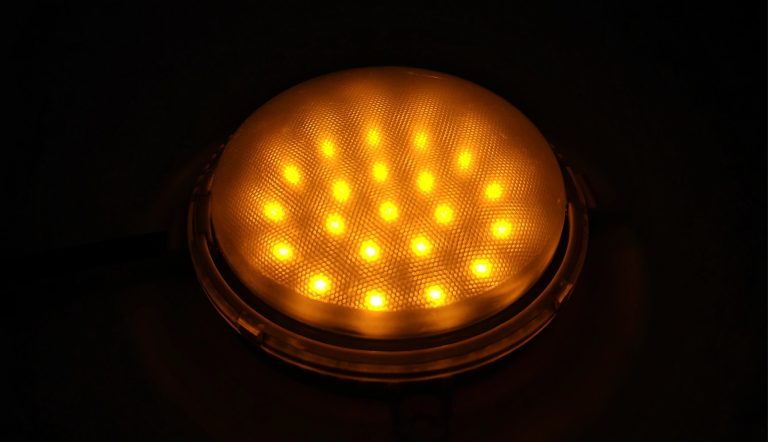
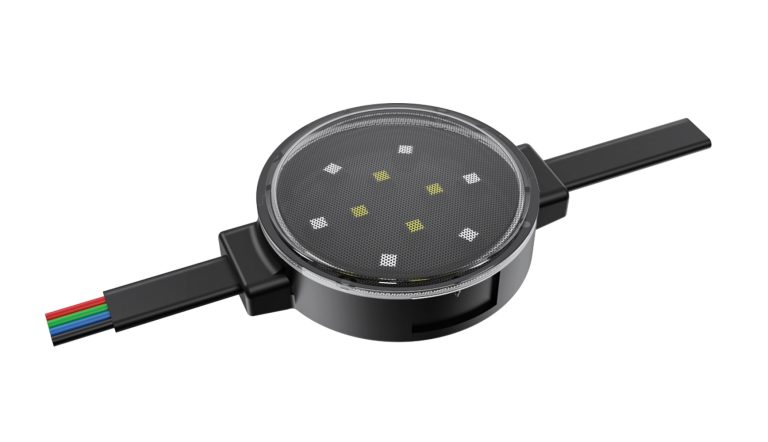
- Mini LED packaging with distributed micro-hole heat dissipation
- An optical prism surface that improves color purity
- Multi-directional signal backup chips with very low static power consumption
- Power-on self-check to avoid dead pixels, flashing or stuck lights
This technical stack is designed to keep the screen stable through long campaigns and heavy use.
Real-World Use Cases in Retail Storefronts
Fashion and Lifestyle Stores
Imagine a fashion brand with a full-height glass facade. With an LED flexible transparent screen, the brand can:
- Run full-screen runway clips during peak hours
- Fade to subtle textures behind mannequins in the afternoon
- Switch to “Tonight Only” flash sale messages in minutes
Passersby see movement first, then notice the real mannequins and styling behind the glass. The window works like a magazine cover that keeps changing throughout the day.
Consumer Electronics and Telecom
For electronics retailers, the challenge is explaining features quickly. A transparent LED screen can:
- Highlight key specs next to real demo units
- Show live demos or UI walk-throughs
- Promote trade-in or data plans in specific time slots
The hardware on the shelf stays in full view, while the digital layer handles education and promotion.
Shopping Malls and Pop-Up Stores
Malls often rotate tenants and need flexible storefronts. LED flexible transparent screens work well for:
- Pop-up concepts that only run for a few months
- Seasonal activations like holiday events or “Black Friday” zones
- Multi-brand areas where content changes frequently
Because the display is lightweight and glass-mounted, it can stay in place while different brands move through the unit.
Planning an LED Flexible Transparent Screen Project
If you’re considering this technology for your retail storefronts, here’s a practical way to approach the first project.
Understand the Glass and the Viewing Distance
Take a close look at:
- Glass size and segmentation
- Height from the ground
- Main viewing distance (pedestrians vs. drivers)
This will drive choices around pixel spacing, transparency ratio and screen layout.
Define the Content Story First
Before locking in specs, outline:
- What type of content you’ll run (text-heavy promos, video, brand imagery)
- How often it changes (weekly campaigns vs. daily price updates)
- Time-of-day variations (morning commute, lunch crowd, evening shoppers)
A clear content plan helps the technical team tune brightness, control systems and storage capacity.
Think Chain-Wide From Day One
Even if you’re starting with one flagship, most retail brands eventually roll successful concepts to more sites.
Xinhe’s LED Flexible Transparent Screen supports remote and cluster management, which makes it easier to bring future stores onto the same platform instead of dealing with one-off solutions city by city.
Clarify Service and After-Sales Support
Retail teams need quick response when something goes wrong. Xinhe provides full project support – from design and engineering through to product supply, on-site guidance and after-sales service – so technical questions don’t land on store managers’ desks.
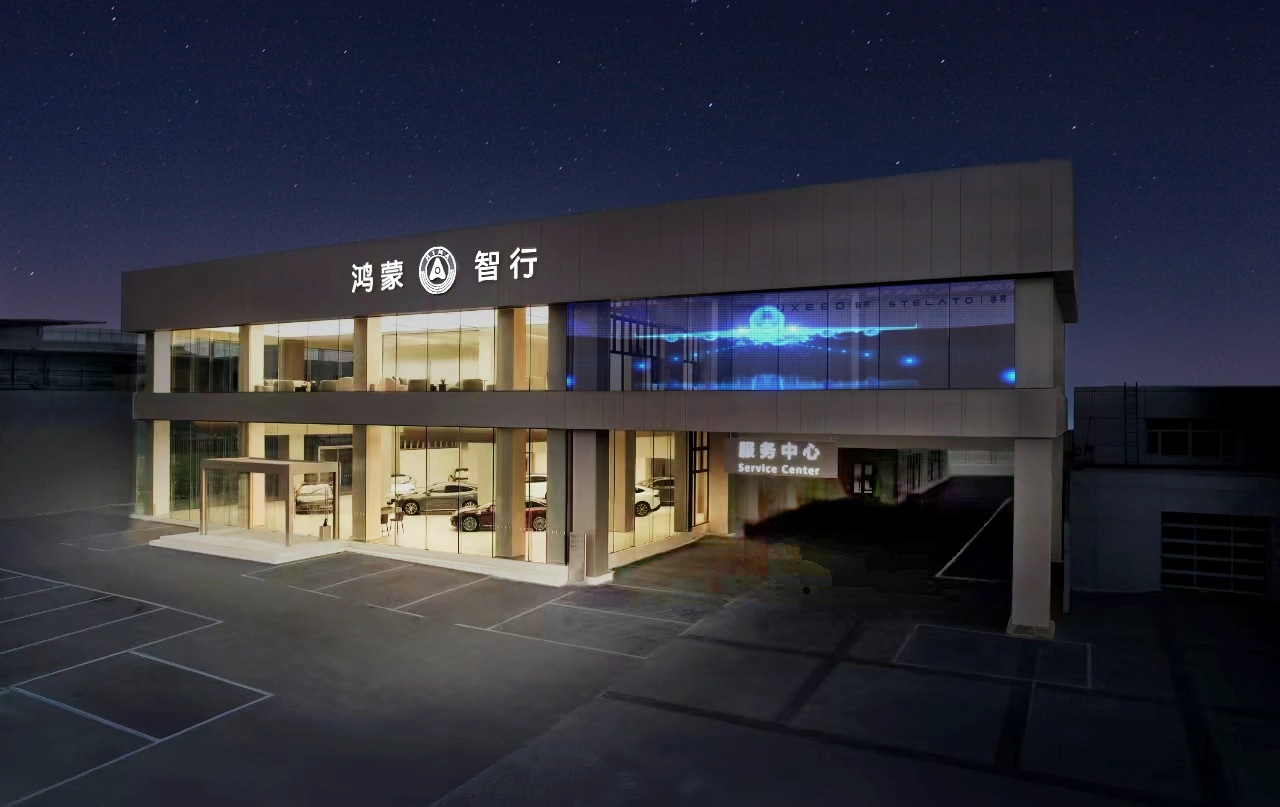
About Shenzhen XinHe Lighting Optoelectronics Co., Ltd
Shenzhen XinHe Lighting Optoelectronics Co., Ltd was founded in 2004 and has focused for many years on LED point light sources, grid screens and LED flexible transparent screens with independent intellectual property rights. The company delivers complete solutions for large-scale architectural lighting and advertising projects, including design, budgeting, product manufacturing and on-site technical guidance.
Based in Shenzhen, Xinhe operates a mature production system and has been recognized as a national high-tech enterprise and an innovative, technology-driven small and medium-sized enterprise. It holds multiple certifications, including international environmental and quality management systems, as well as intellectual property management certification.
Xinhe’s products are shipped to clients around the world. The company follows a clear philosophy: quality first and service first, with a strong emphasis on long-term cooperation. For retail customers, that means stable LED Flexible Transparent Screen products, serious engineering behind each project, and a partner mindset rather than a one-off sale.
Заключение
For modern retail, the storefront is no longer just glass plus posters. It’s a live media space that has to work hard every hour the store is open.
An Светодиодный гибкий прозрачный экран turns retail storefronts into always-on, high-impact communication channels. You keep daylight, you keep visibility into the store, but you gain the ability to run campaigns, stories and data in real time – across one flagship or an entire chain.
With its thin, transparent, flexible film structure, high brightness, and smart control options, Xinhe’s solution helps retailers move beyond static window dressing and treat the storefront as a serious part of the brand and sales engine.
FAQs
Is an LED Flexible Transparent Screen bright enough for street-facing retail storefronts?
Yes. The LED Flexible Transparent Screen used for retail projects is designed with high brightness levels, up to around 6000 cd/㎡, so content stays visible even under strong daylight on busy streets. At night, brightness can be adjusted down for comfort and energy savings.
Will an LED Flexible Transparent Screen block daylight or hide my window displays?
No. The screen is built on a high-transparency film carrier with a very fine metal grid, giving a transmittance close to 95%. Customers can still see your mannequins, fixtures and products behind the glass, and your store keeps its natural light instead of turning into a dark box.
How is an LED Flexible Transparent Screen installed on existing retail storefronts?
The modules are thin and light, so they are attached directly to the glass without building a heavy steel frame. Power and control lines are routed through discreet channels or ceilings. For many storefronts, this means shorter installation times and less disruption compared with traditional LED cabinets.
Can I manage multiple stores with the same LED Flexible Transparent Screen system?
Yes. The system supports Wi-Fi remote control, multi-screen cluster management and both synchronous and asynchronous playback. A central marketing or digital team can roll out campaigns to many storefronts, schedule content by time and region, and keep brand messaging consistent across the network.
Is an LED Flexible Transparent Screen suitable only for big flagships, or also for smaller shops?
It works for both. Large flagships might cover double-height glass to make a strong statement, while smaller stores can use narrower strips or custom-cut sections on key window areas. Because the LED Flexible Transparent Screen can be cut and shaped, it adapts to different storefront sizes and layouts without forcing a standard cabinet size.



 Russian
  English
  Arabic
  Spanish
  French