
In the fast-paced world of commercial visuals, LED mesh screens for business emerge as a standout solution, merging see-through designs with striking imagery to turn everyday structures into captivating hubs that pull in crowds and strengthen connections. These systems let companies overhaul plain surfaces into lively platforms for content, all while keeping the space open and functional, perfect for everything from storefronts to large-scale events.
Understanding LED Mesh Screens: Foundations and Business Applications
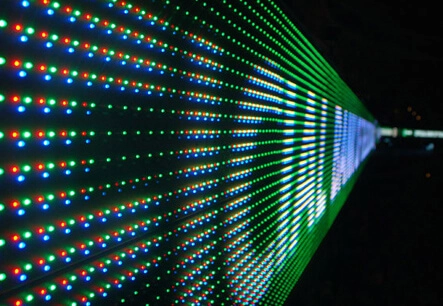
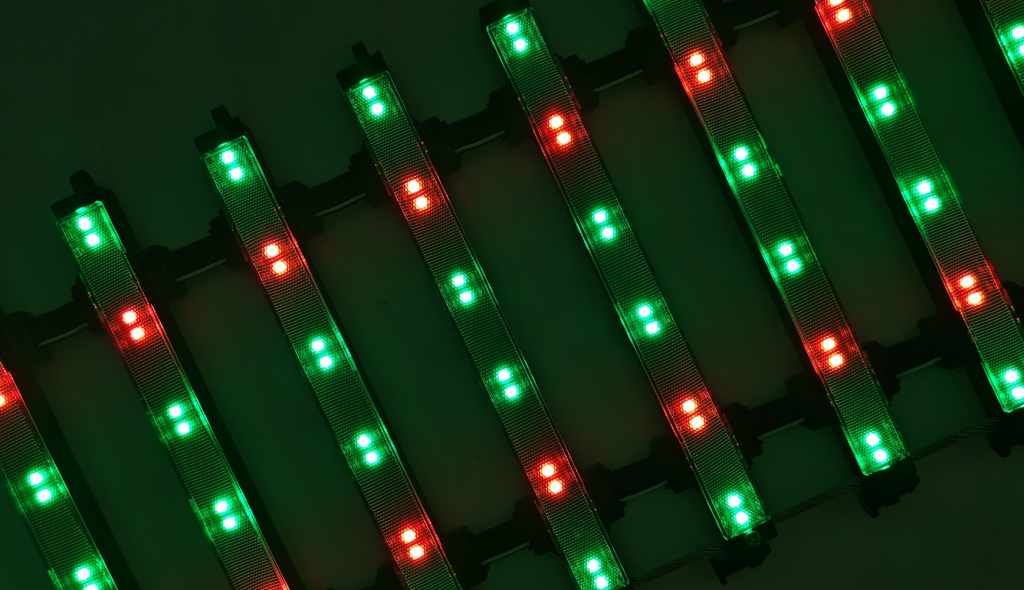
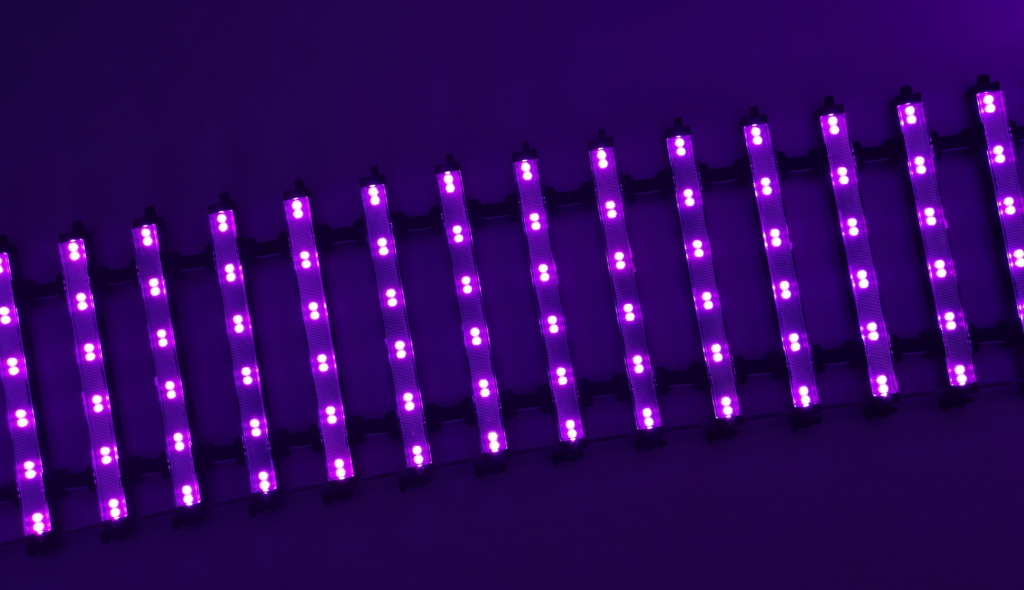
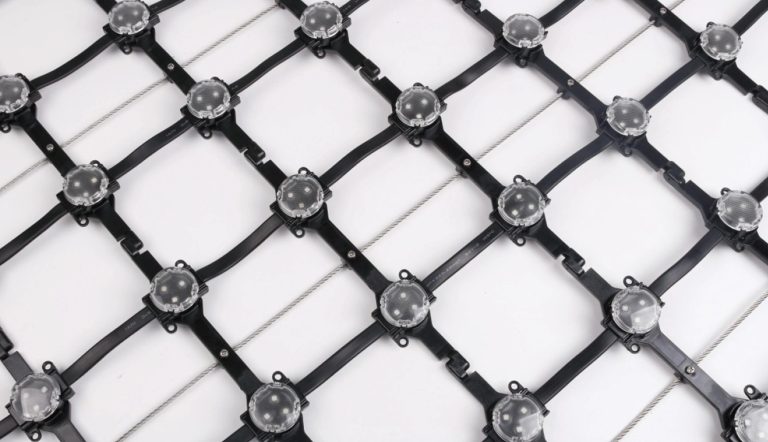
LED mesh screens differ markedly from the old-school solid panels, built on a network of LED points that emphasize airiness and ease of handling. Essentially, they feature LED units spaced out on a pliable grid, letting light and breeze flow freely as they cast sharp pictures or clips. This setup proves essential in spots where blocking sightlines or airflow just won’t cut it, like on transparent facades or exposed frameworks.
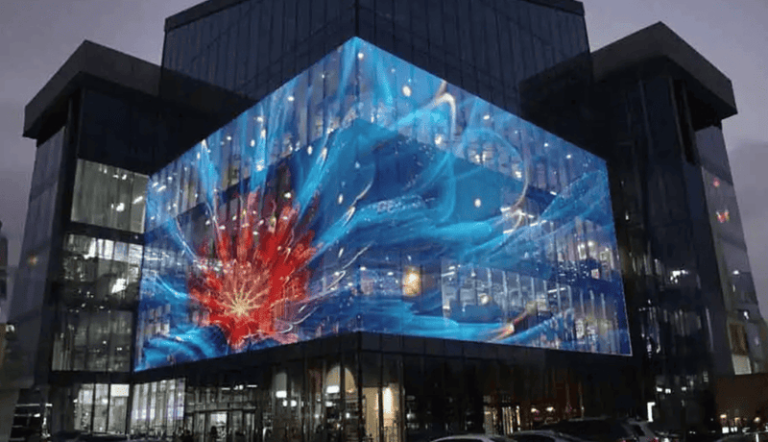
Businesses across the board find real value in these setups. Take a bustling retail center: mounting one on the outside can broadcast sales pitches that catch eyes from the street, without dimming the inside glow. In the hotel trade, they curve around entrances to roll out welcoming sequences that spotlight specials or facilities. Corporate offices turn to them for entrance halls, where they flash timelines or wayfinding aids to steer guests. The key lies in adjustable pixel gaps, spanning 50mm up to 125mm across models, guaranteeing crisp views no matter the range.
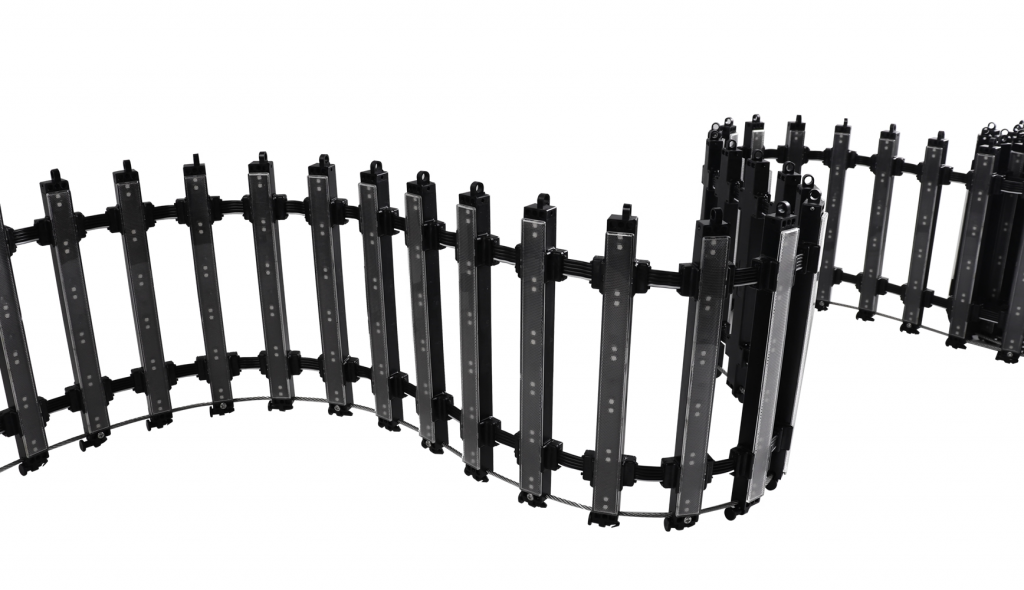
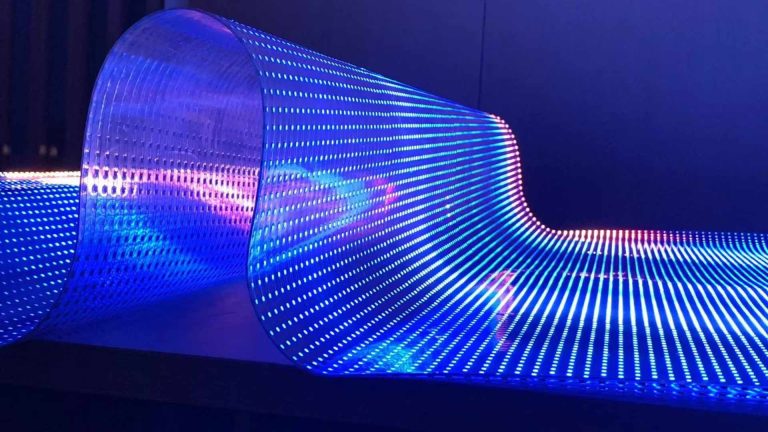
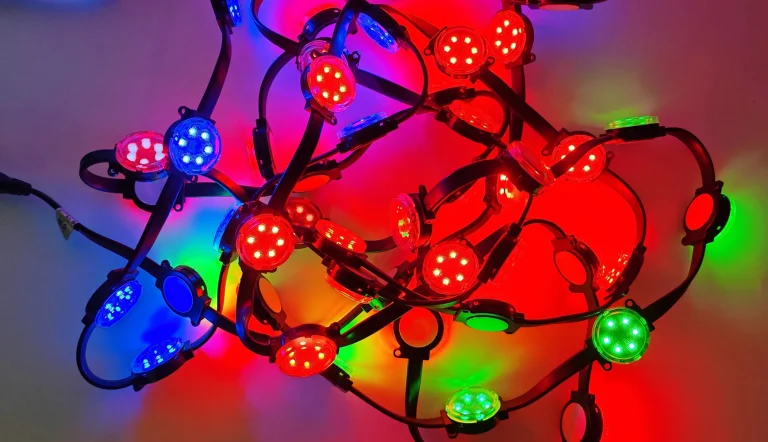
LED grid displays for commercial use shine in their knack for fitting odd contours. Rigid options fall short here, but mesh versions hug pillars or trace building curves, handing designers broad leeway. Such adaptability tackles tough mounts in tricky builds and sparks fresh ways to brand, transforming blank walls into narrative tools for promoting cultural spots.
How LED Mesh Screens Elevate Business Engagement
Dynamic LED displays transform how companies connect, shifting onlookers from mere spectators to involved parties. Deploying these means looping through bold graphics, live feeds, or responsive features that react to crowd shifts, resulting in extended stays and deeper impressions. From what digital signage pros observe, these elements can spike interactions by as much as 40 percent in crowded zones, much like city campaigns where repeating visuals hold focus amid the rush.
The advantages of LED mesh displays for engagement show up clearly in everyday ops. Picture a towering ad on an urban high-rise: with brightness topping 5000cd, it stays vivid against glaring sun, reeling in folks for unveilings or holiday pushes. Beyond mere exposure, it crafts memorable encounters. A visitor bureau, say, might beam simulated walks through sights, prompting scans for extras, linking online vibes with real-world steps.
Transparency levels, often hitting 40 to 90 percent, let these blend in without overpowering. In stores, patrons indoors keep daylight streaming as outer loops lure newcomers. Outcomes include noticeable jumps in visits, with certain mounts noting 30 percent more leads post-setup. Tailoring content to viewer habits lets firms sift through data like watches or clicks, honing approaches as they go.
Key Factors in Selecting LED Mesh Screens: Transparency, Brightness, and Durability
Picking the best LED mesh screens for business calls for weighing specs that fit the bill. Transparency ranks high, shaping how well the unit merges with its backdrop. Greater openness, via broader pixel spreads, keeps vistas clear through panes, suiting builds where looks count alongside utility.
Brightness matters hugely, particularly outdoors. Units pushing 4000cd to 7000cd hold up under shifting lights, keeping messages clear day or night. This counters fade-outs common in lesser gear, securing steady delivery no matter the setup.
Durability seals the deal, with IP67 ratings guarding against moisture, grime, and knocks. Near shores with salty air, anti-rust builds push lifespans past 30,000 hours, cutting swaps. LED mesh display specifications cover fire-resistant marks and temp ranges from -20°C to 60°C, protecting stakes in rough spots. Site demands guide choices—lighter builds, 1.8kg to 6.3kg per meter squared, ease loads on frames.
Density tweaks add options, from 100 to 400 points per meter for varying sharpness. Tight 50mm gaps suit event close-ups for detail, wider for far-off exteriors. Matching these ensures picks that support enduring aims, like power savings from natural cooling that trim bills.
Industry Case Studies: Real Businesses Leveraging LED Mesh Screens
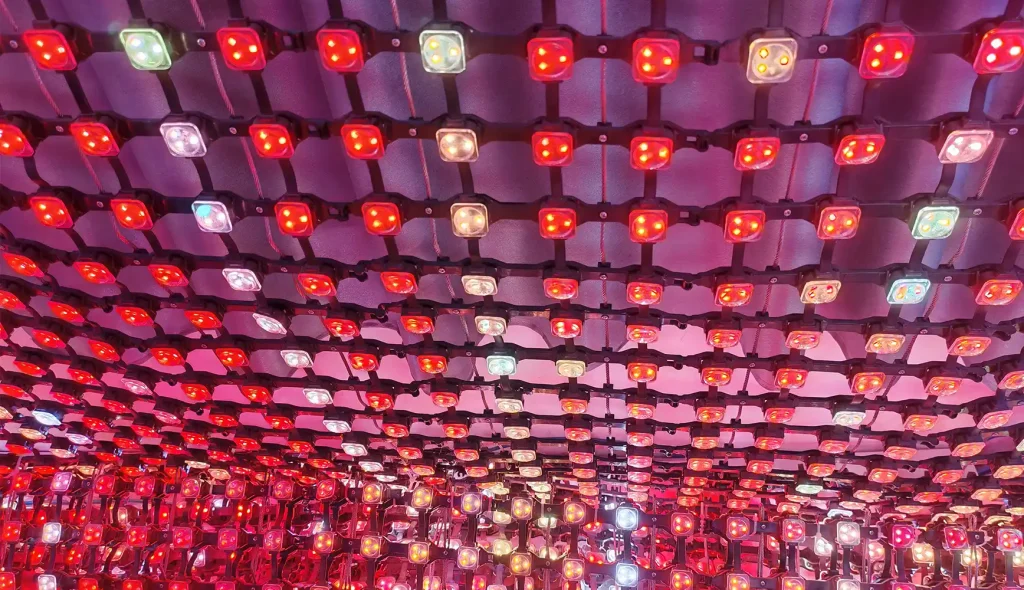
In practice, LED mesh screens deliver solid results across fields. One tourism push in a heritage area wrapped a bent display around a landmark to tout history. Modules snapped together fast on steel, transparency honoring the design. Within half a year, attendance rose 25 percent, thanks to clips of relics and happenings that drew street traffic.
For ads, a mall in a big city fitted a vast front screen for spot promotions. DMX512 handling switched content smoothly for rush times, flashing deals that lifted buys by 35 percent. Low weight under 3kg per piece meant no big overhauls, salt-proofing handled wet weather.
City branding saw a public project drape screens on civic sites to highlight growth. IK10 toughness fended off city grind, varied densities tuned visuals per drive. Responses showed 50 percent more online buzz, as folks snapped and shared the shifting scenes, spreading word naturally.
LED mesh screens case studies reveal broad fits. A lodging group coiled them on entry posts for custom greets, boosting guest ratings. Each instance spotlights not only mount wins but lasting interaction lifts, guiding how to mold tech to ops needs.
Installation and Maintenance Guide: Keeping Dynamic Displays Running Smoothly
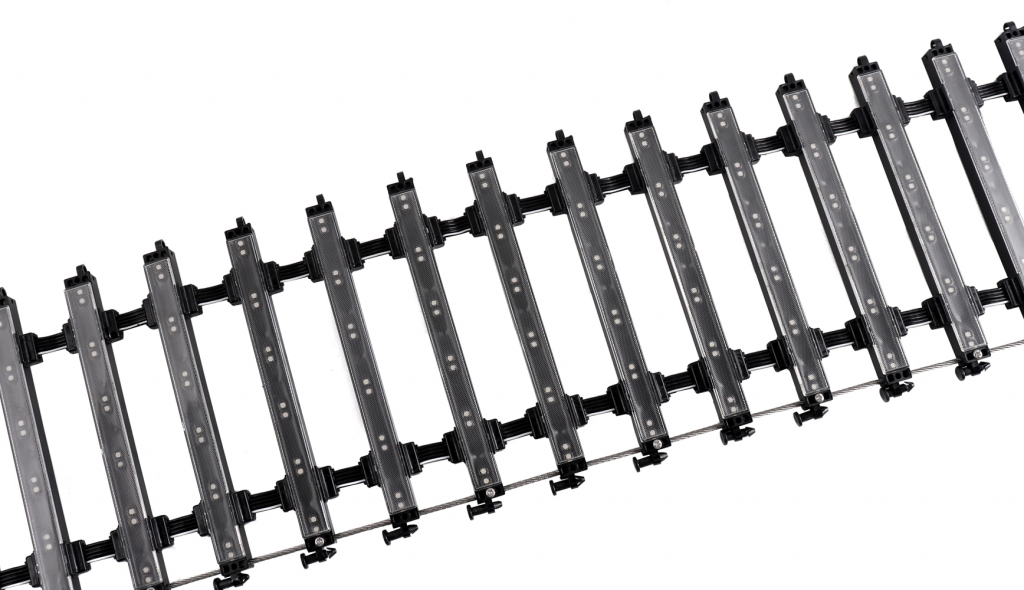
Setting up LED mesh screens starts with checking the base, confirming walls or curtains bear the light grid. Steel wire bolts make joining straightforward, wrapping big jobs in days, slashing crew and supply outlays. Begin by plotting pixel spreads to site sizes; 100mm setups need exact aligns to dodge image breaks.
Hook up feeds with care, DC12V or DC24V by series, linking DMX512 for synced runs. Curves flex the mesh, secure holds stop wind shifts. Post-mount tests on glow and hues spot early glitches, perhaps from slack wires.
Upkeep for outdoor LED displays stresses ahead-of-time checks. Every few months, scan for buildup—the cooling trait helps, but wiping with soft stuff keeps seals intact. Watch knocks in busy areas. Faulty parts swap singly due to modularity, curbing halts.
Addressing flickers from power dips means checking safety levels, adding guards. Broad temp handling covers extremes, but timed reviews sustain run times. Sticking to this keeps dynamic displays humming, backing nonstop engagement sans surprises.
Costs and ROI: The Business Value of Investing in LED Mesh Screens
Gauging LED mesh screens cost goes beyond starters, folding in ongoing saves and payoffs. Entry prices shift with scale and spread—for 100-meter runs at 83.3mm, mid-tier sums cover parts that cut haul fees. Power pulls, 48W to 180W tops per piece, hold ops low versus dated tech.
Figuring ROI of dynamic LED displays weighs gains against spends. In shops, 20 percent sales bumps from aimed spots can return funds in under 12 months. Longevity over 30,000 hours means rare refreshes, transparent cooling drops cooling draws, shaving power tabs 15 percent yearly.
Choices gain from what-ifs. For busy ad roles, brighter picks pay off via wider reach. Allotting 5 percent yearly for care locks in output. The worth surfaces in tracked wins, like broader exposure sparking ties or market growth.
Future Trends: The Evolution of LED Mesh Screens in Business
Looking ahead, dynamic displays trend toward smarter merges. Firms chase interactive edges, so LED mesh screens advance with AI tweaking content on the fly for crowds or conditions. Displays might flip from ads to notices mid-event, sharpening ties.
Green pushes shape shifts, future units cutting draws further, using recyclables. Cities pair them with sensors for traffic insights, guiding content. Finer packs in small forms aid retail, detailing without losing openness.
Coming soon, control tweaks like fault skips cut visible downtime in key uses. As needs spread, adaptable spreads suit climes from dry heats to wet zones. Adopting these puts operations forward, making screens smart tools that grow with demands.
About Shenzhen XinHe Lighting Optoelectronics Co., Ltd
Since starting in 2004 in Shenzhen, China, Shenzhen XinHe Lighting Optoelectronics Co., Ltd has risen as a key player in LED advancements, zeroing in on point sources and grids. Over 250 staff fill a 6000-meter plant, holding 80-plus patents like outdoor LED swaps for neon. As a high-tech national firm, it carries ISO9001 and CE stamps, its “Bean” line lighting up feats like 2008 Olympics symbols. Reaching worldwide with sales topping 20 million yearly, XinHe delivers quality for building and ad lights, pushing boundaries via R&D to tackle shifting sector calls.
Заключение
LED mesh screens hand businesses a flexible route to stronger ties, fusing tech edges with lasting perks that hold up. In an increasingly digital arena, these setups supply means to differentiate, yielding worth through fresh ideas and dependability.
Frequently Asked Questions
What are the main benefits of using LED mesh screens for business engagement?
LED mesh screens boost business engagement through transparent, bright setups that fit right into spaces, enabling lively content such as clips and graphics that grab focus without cutting off sights. Built tough with IP67 seals and spans over 30,000 hours, they deliver steady work in exteriors, ramping up visits and exchanges in sales or promo scenes.
How do I choose the right pixel spacing for LED mesh screens in commercial use?
Picking pixel spacing for LED mesh screens hinges on view range and detail demands; narrow 50mm fits indoor close looks for precision, broader like 125mm suits far exteriors for budget smarts. Weigh site details, such as structure height or crowd nearness, to juggle sharpness and spends well.
What maintenance is required for dynamic LED displays to ensure longevity?
Sustaining dynamic LED displays means routine checks every quarter for grime and links, soft cleans to hold water seals, and fast part swaps via modules. Tracking power steadiness and surroundings averts troubles, stretching use in tough business spots.
How can LED grid displays improve ROI for advertising projects?
LED grid displays lift ROI in ads by sparking more ties via vivid, flexible content that heightens visibility and shifts, often paying back in a year through low power and light care. Monitor ties like crowd exchanges to tweak drives and max yields.
Are LED mesh screens suitable for curved building facades?
LED mesh screens work well on curved facades thanks to bendy grids and bolt fixes, mounting without build changes while keeping openness and strong glow for striking effects in structure-based business uses.



 Russian
  English
  Arabic
  Spanish
  French