

Stadium preparations for the 2026 FIFA World Cup continue to highlight how 2026 FIFA World Cup stadium lighting has evolved into a core aspect of venue modernization. The tournament covers sixteen sites across three nations, with operators prioritizing systems that deliver uniform coverage, reduce power demands, and add meaningful visual layers for spectators and media. The transition from traditional floodlights to LED platforms addresses real needs—stronger broadcast quality, greater crowd involvement, and lower ongoing costs.
Host venue work shows the path forward. Estadio BBVA in Monterrey completed an LED sports lighting installation that meets FIFA Standard A. The system supports dimming, achieves over forty percent energy savings against older configurations, and includes color-changing features to build atmosphere during matches and events. Estadio Azteca in Mexico City progresses with facade enhancements that incorporate LED banners on columns and cross beams for synchronized colorful sequences, along with high-resolution screens covering thousands of square meters inside and out. These steps turn building exteriors into responsive elements that amplify match moments and nighttime visibility.
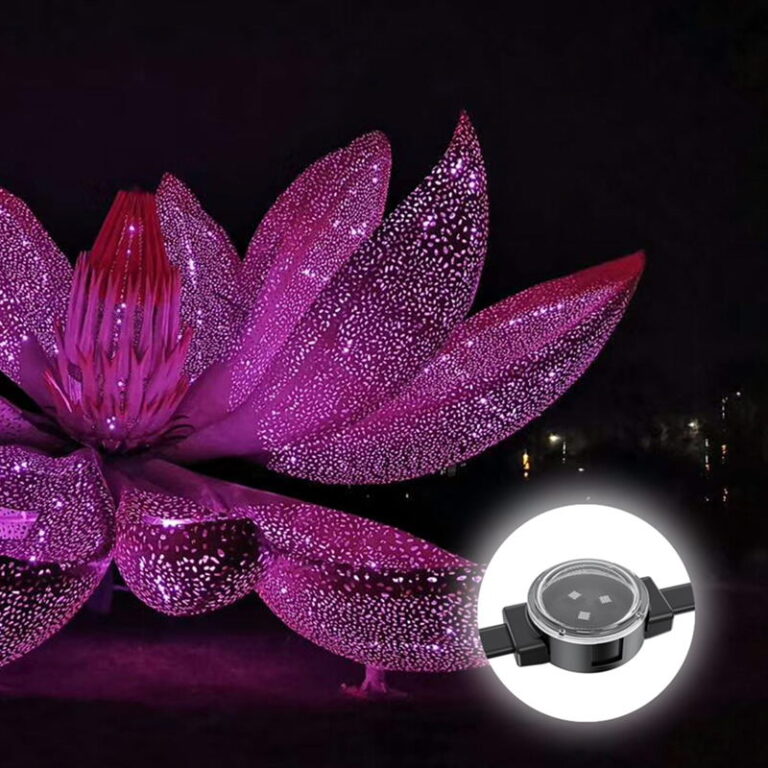
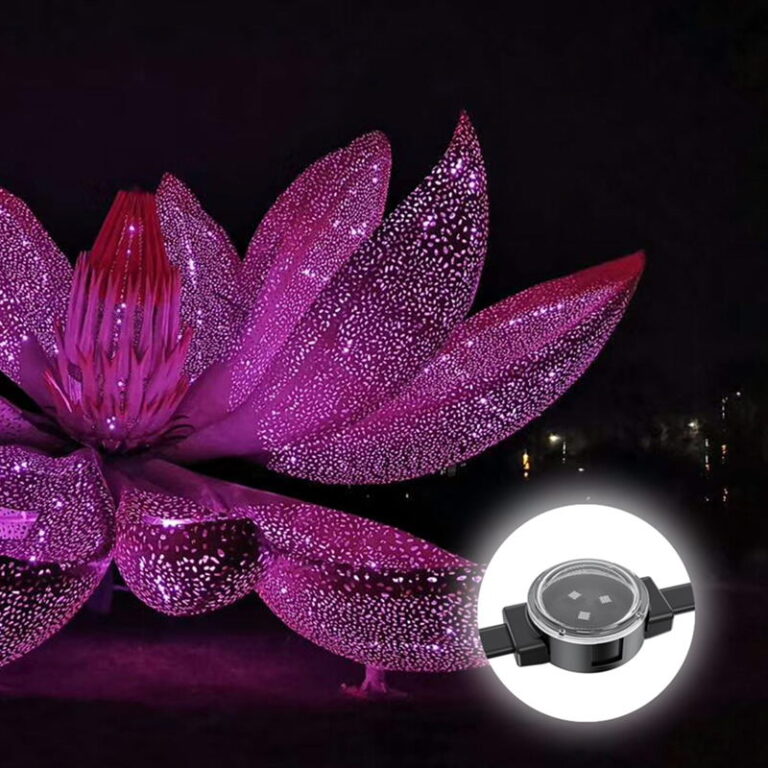
Such developments point to the increasing use of programmable LED architectural lighting in major facilities. Teams seek equipment that moves past basic field illumination to provide controlled color changes, timed patterns, and integration with other systems. On facades, compact RGB fixtures stand out for their ability to trace edges and generate layered visuals. RGB LED point lights for facade applications fit this shift well, offering addressable pixels that support detailed animations and effects at the scale needed for stadium environments.
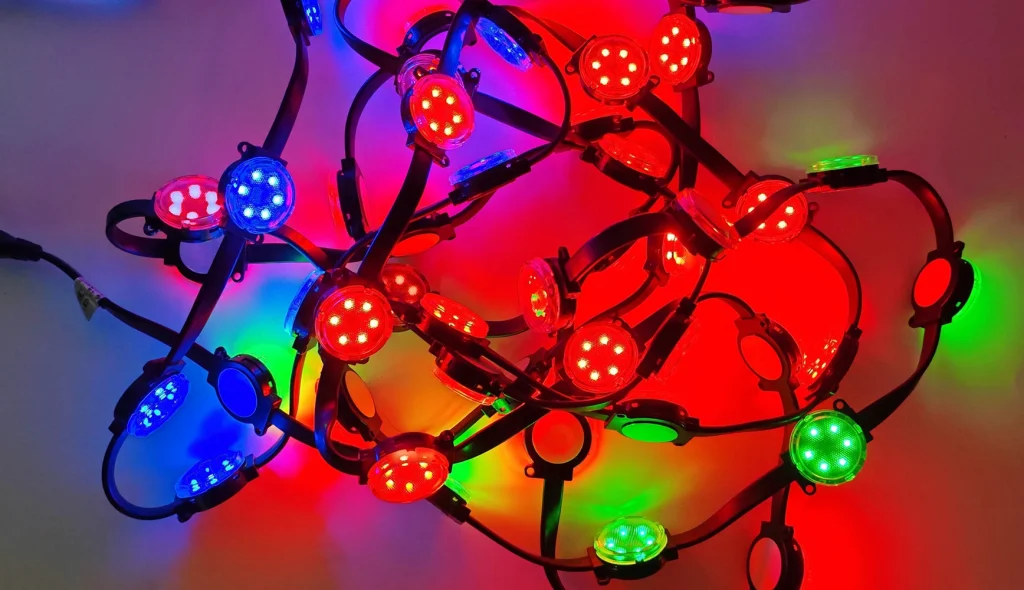
Stadium Facades and Perimeters
Stadium outer walls form the initial visual contact for arriving fans and those watching from afar. Effective lighting turns the structure into a landmark that carries the event’s energy long after sunset.
The main advantage comes from synchronized displays that match game events or opening ceremonies. RGB point sources create sharp color transitions and gradual fades visible across wide areas. IP67 protection handles exposed mounting where rain, wind, and temperature variations occur regularly. Power use remains controlled because high-efficiency LEDs produce strong light with reduced draw compared to conventional options.
Complex surfaces pose installation difficulties. Curved or uneven facades need adaptable fixing methods. Constant weather exposure requires components that resist degradation and hold seals over extended periods. Control networks must manage high channel counts without timing errors or signal loss.
In typical setups, point lights run along key lines to form steady glowing contours that trace the building shape. Addressable pixels add sweeping color waves or focused bursts programmed to align with broadcast signals or audience reactions. Similar approaches appear on tall perimeters and arenas focused on establishing a distinct nighttime presence.
Outdoor Fan Zones and Public Viewing Areas
Fan zones convert open plazas, parks, and walkways into extended gathering spots. Large crowds stay for hours, so lighting needs to balance safety with active engagement.
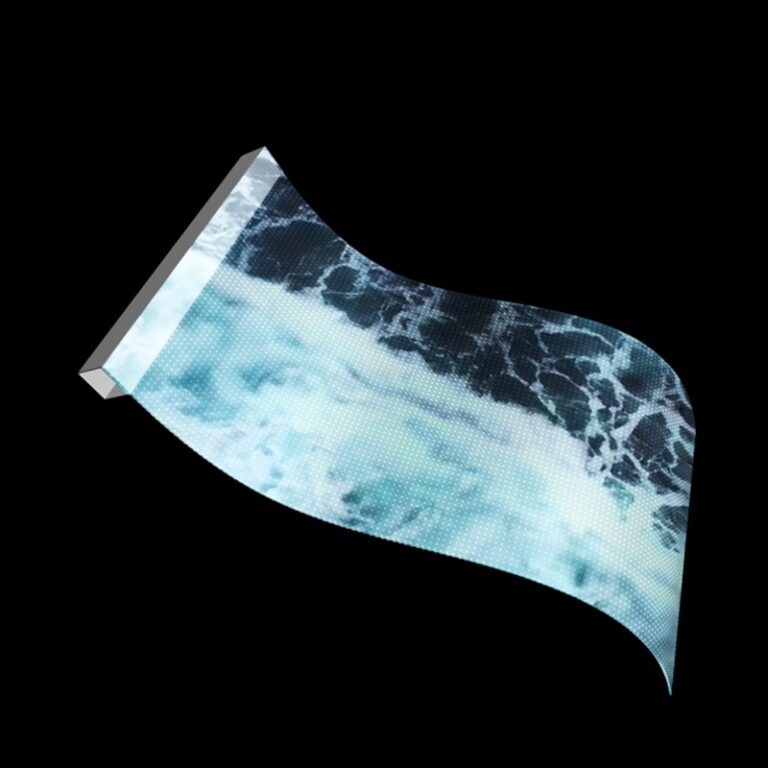
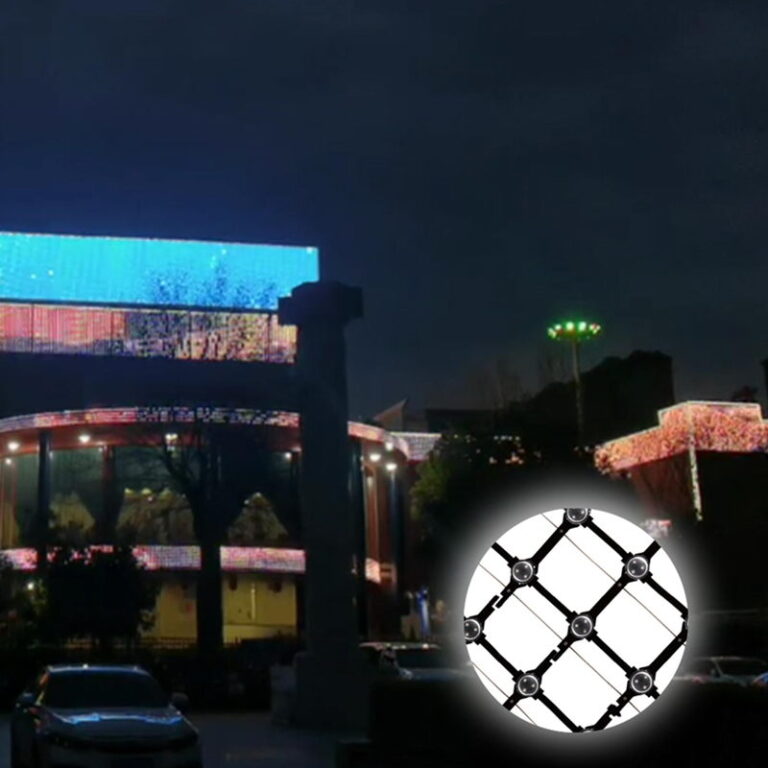
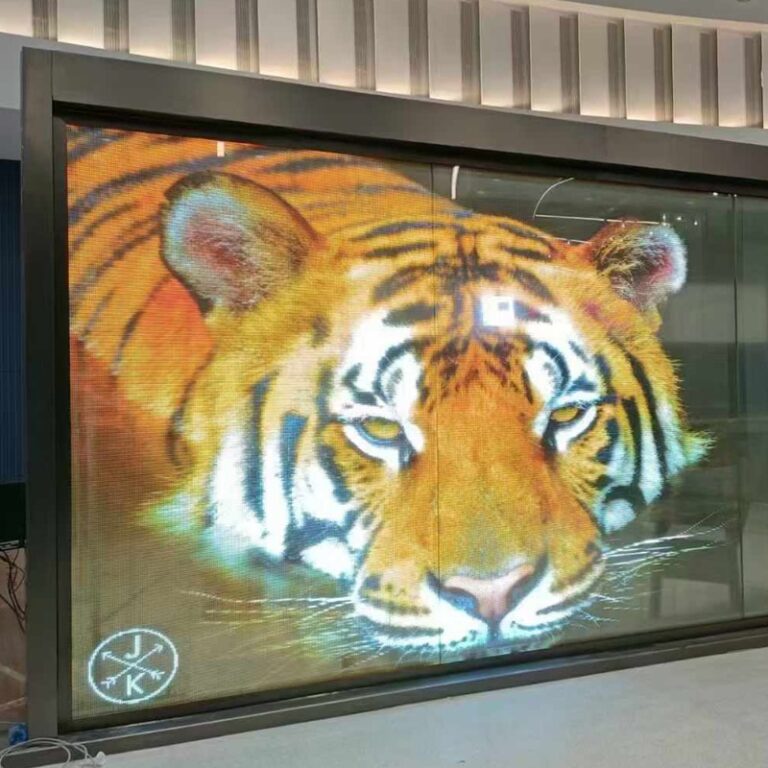
Immersion keeps visitors longer in the area. Programmable RGB sources let patterns pulse with celebrations, music, or live updates. Grid screens stretched across temporary barriers or fencing deliver broad visuals that cut through crowds. Flexible transparent screens on glass partitions preserve views while showing content, merging tech with the surroundings.
Quick assembly presents ongoing challenges. Events demand setups finished in short windows. Temporary frames endure wind and movement that test connections. Power must distribute evenly over distance to avoid brightness inconsistencies.
Effective installations often pair point lights for edge definition with grid screens for major animated areas. Addressable nodes run scrolling text, team hues, or dynamic motifs that shift with inputs. Many zones operate for weeks, so resistance to repeated cycles and weather shifts matters greatly.
Urban Nightscapes and Host City Landmarks
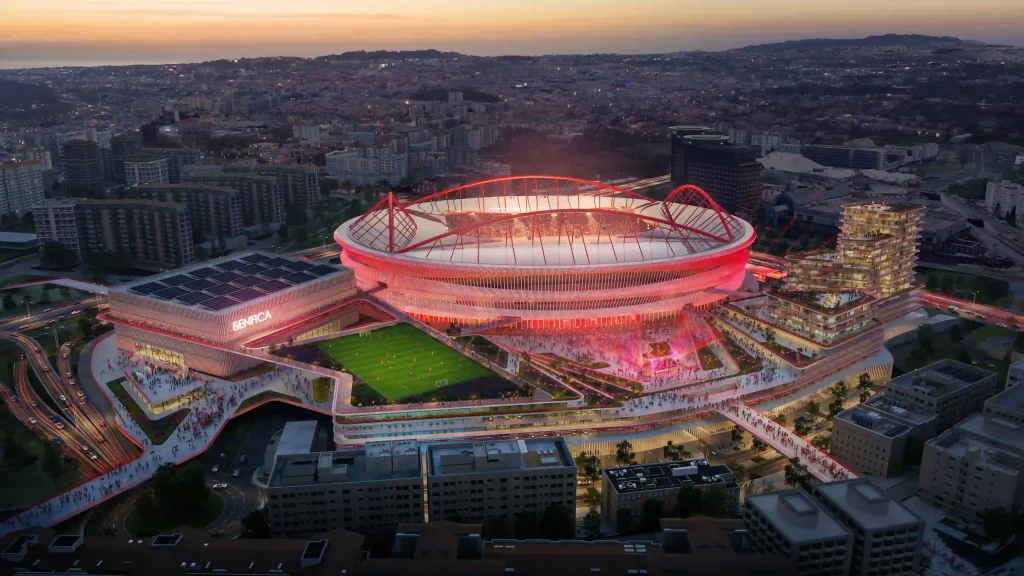
Host cities face visitor influxes, and lit landmarks direct flow while providing striking settings for media and memories. Prominent buildings, hotels, and towers serve as central points after dark.
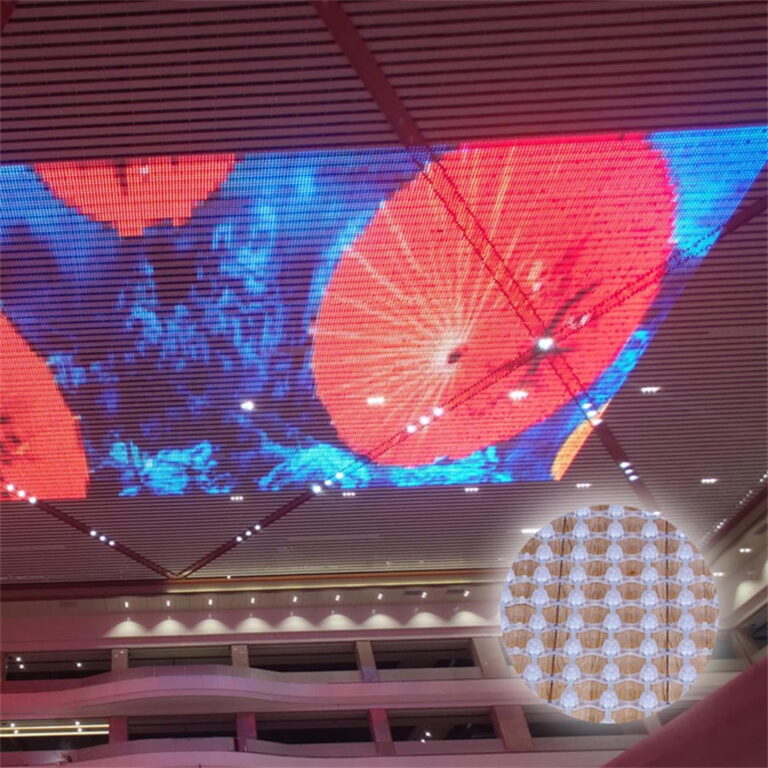
Transparency proves valuable on glass facades. Flexible crystal truss screens reach near ninety-five percent transmittance, permitting daylight through during daylight hours while showing bright images at night. Remote cluster control links multiple structures for coordinated sequences, creating city-wide unity. Point lights on structural members add accents and outlines that emphasize design details.
Regulatory approvals sometimes delay work, particularly where light spill or upward glare requires limits. Access for ongoing service needs planning to avoid interfering with building use. Costs cover both setup and future upkeep.
Strong projects layer approaches. Transparent screens handle large glass fields for displays or playback, while point lights trace borders and secondary effects. The mix keeps appearances clean and adaptable to varying schedules.
Hospitality and Entertainment Venues
Bars, restaurants, hotels, and leisure spots see sharp increases during tournament periods. Thoughtful lighting elevates these places from ordinary to sought-after locations.
Dual-environment capability stands out. Point lights and grid screens work consistently indoors and out, holding color and intensity. RGB output builds warm, energetic settings that extend dwell times. Modular builds permit fast changes when spaces reconfigure or expand.
Limited space restricts choices. Low ceilings or tight areas indoors contrast with outdoor exposure to elements. Budgets prefer reusable items over one-time rentals.
Operators frequently select point lights for linear highlights along counters or rails, combined with grid panels for accent walls. Fixtures blend into current structures without heavy modifications, offering practical ways to raise nighttime draw.
Temporary and Rental Event Setups
Activations, brand events, and temporary viewing areas need lighting that installs fast, packs small, and reuses across locations.
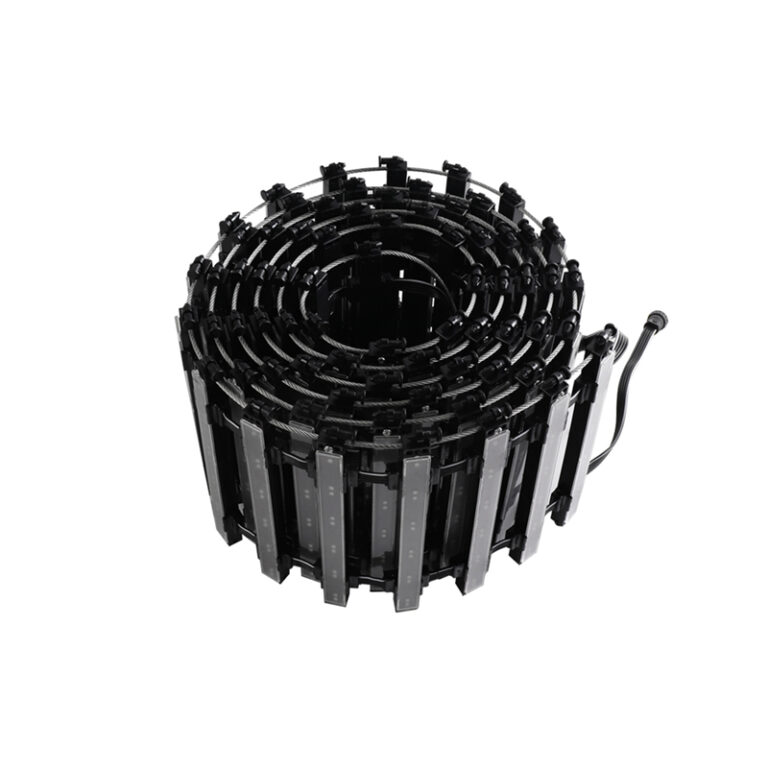
Portability drives selection. Grid screens ship rolled, cutting transport space. Point lights connect via simple plugs for rapid on-site work. Flexible screens cut and form to irregular frames or surfaces.
Handling adds difficulty. Gear endures repeated transport, vibration, and climate shifts. Crews operate under tight timelines with basic tools.
Rental operations lean on modular point lights and rollable grid screens. The pair allows tailored shapes and effects while controlling inventory expenses. Post-event, components store easily for future use.
Cross-Scenario Advantages
Common traits deliver value in every case. DMX programmability provides exact timing and coordination. High-brightness RGB holds strong in ambient light and from afar. IP67 construction manages outdoor demands without constant replacement. Efficient operation fits sustainability goals in public-scale work. Modular nature supports fixed and short-term uses, offering teams planning flexibility.
Common Concerns and Practical Solutions
Teams raise familiar issues when assessing facade lighting.
Initial expenses often concern planners. Modular parts and extended life lower overall ownership costs versus frequent swaps. Tailored specs prevent overspending.
Setup complexity troubles many. Field guidance and plug connections shorten labor needs.
Outdoor durability worries persist. AB resin sealing with IP67 protection withstands rain, extremes, and UV across seasons.
Service intervals affect planning. Low decay rates and remote checks cut calls and sustain output.
System integration can pose hurdles. DMX standards plus extra interfaces connect smoothly to event controls.
Shenzhen XinHe Lighting Optoelectronics Co., Ltd – Specialist in LED Facade Solutions
Shenzhen XinHe Lighting Optoelectronics Co., Ltd started in 2004 with a dedicated emphasis on point light sources and grid screens backed by independent intellectual property. The organization handles full services for major architectural landscape and advertising lighting work—scheme design, budgets, supply, and field oversight. The established “Bean” brand marks years of steady progress in the sector.
Key steps include the 2006 creation of an early LED cold light exposed source, later chosen for the 2008 Beijing Olympic emblems. Solutions have replaced many traditional neon uses, advancing point light techniques industry-wide. Accreditations cover GB/T19001-2016/ISO9001:2015 quality management, GB/T24001-2016/ISO14001:2015 environmental standards, and GB/T29490-2013 intellectual property management. The “Bean” line holds over eighty independent patents.
The 2024 crystal truss screen launch followed extended development. Current production equipment and skilled staff uphold strict standards in longevity, color fidelity, and energy metrics across the lineup.
Conclusion
With the 2026 FIFA World Cup approaching, dynamic LED facade lighting remains vital for nighttime settings around venues, fan zones, and cities. RGB LED point lights, grid screens, and flexible transparent options supply the control, resilience, and impact these projects require. Shenzhen XinHe Lighting Optoelectronics Co., Ltd contributes specialized knowledge in architectural lighting, providing dependable products and full support.
Those involved in event or fixed facade work can reach out to XinHe to review custom approaches that suit particular needs.
FAQs
What makes dynamic LED facade lighting important for 2026 World Cup venues?
It turns building exteriors into responsive landmarks with synchronized RGB effects and energy savings, enhancing nighttime visibility and atmosphere as seen in recent stadium upgrades.
How do RGB LED point lights work well for stadium perimeter outlines?
Addressable pixels allow precise patterns and color transitions along structural lines, with IP67 protection handling outdoor conditions reliably for long-term use.
Can flexible transparent screens fit temporary fan zone setups during the World Cup?
High-transmittance designs attach directly to glass without blocking views, displaying content at night while supporting quick, modular installations.
Why is IP67 rating useful for outdoor host city lighting projects?
It provides solid defense against dust and water in exposed positions, reducing service needs and maintaining consistent performance through varying weather.
How to pick sustainable LED options for large public lighting during major events?
Prioritize high-efficiency sources with minimal decay and low power draw, plus modular builds that extend lifespan and align with environmental guidelines.



 English
  Arabic
  Russian
  Spanish
  French