

Flexible transparent LED film changes how we think about architectural creativity. It blends digital display tech with the needs of modern buildings for structure and looks. This mix helps architects find a great balance between shape, purpose, and messaging. It turns glass areas into lively canvases. These canvases boost the sight and feel of spaces people use.
Integration of Display Technology into Building Surfaces
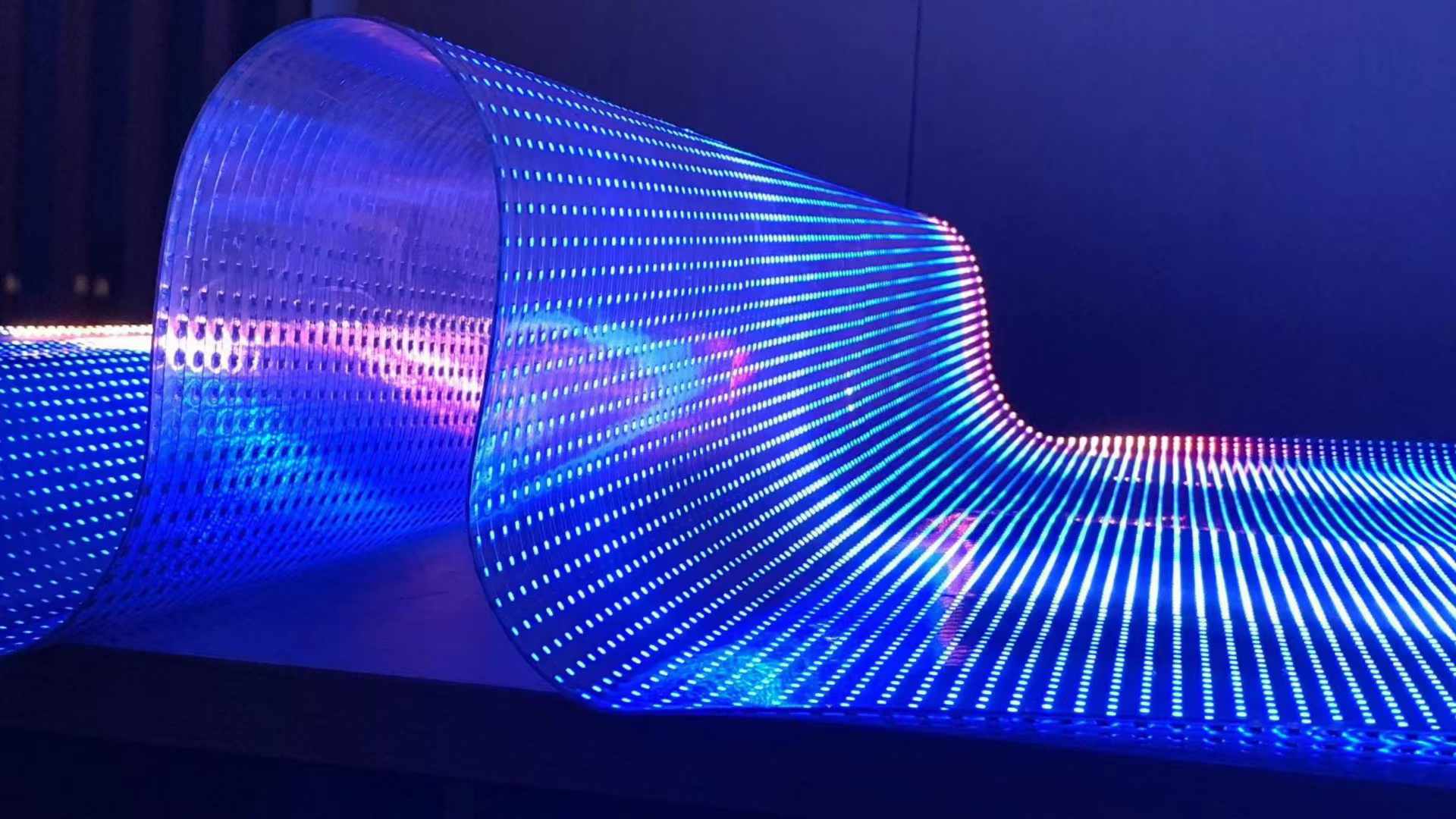
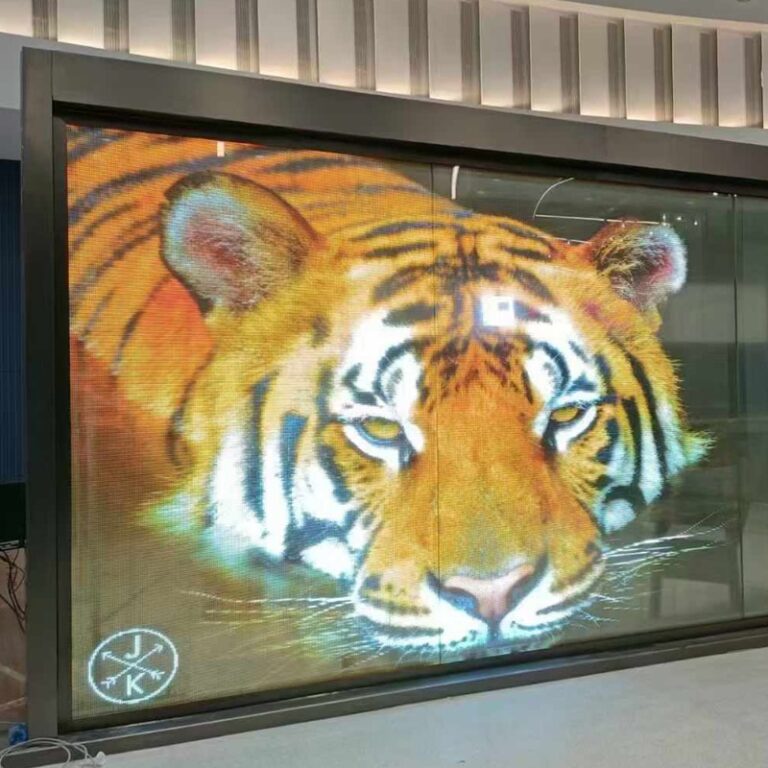
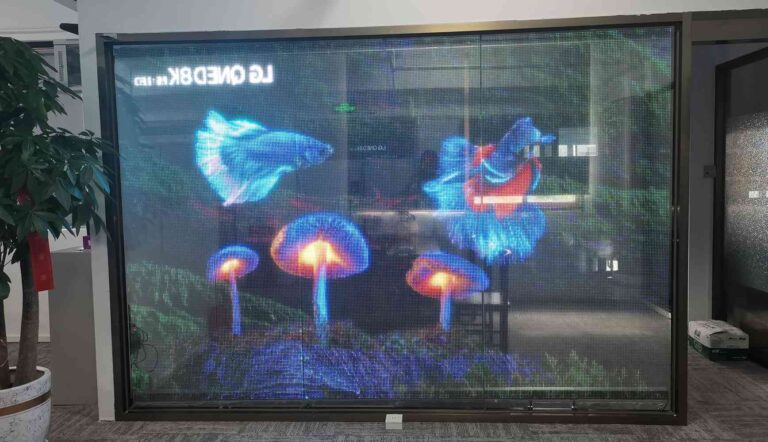
The skill to blend display tech right into building surfaces has created fresh paths for design ideas. Flexible transparent LED film sticks straight onto glass fronts, roof lights, and windows. It does this without blocking clear views or natural light. Optoelectrónica Xinhe crystal truss screen offers four key traits: light, transparent, soft and thin. Setup is very easy. It needs no steel frame. You can just stick it on the glass. These features suit new builds well. They also fit update projects. In those, keeping the current building shell matters a lot. The sharp display lets buildings share info in real time. This supports branding, art shows, or data on the surroundings. All this happens while keeping natural light strong.
Enhancing Aesthetic Flexibility in Architectural Concepts
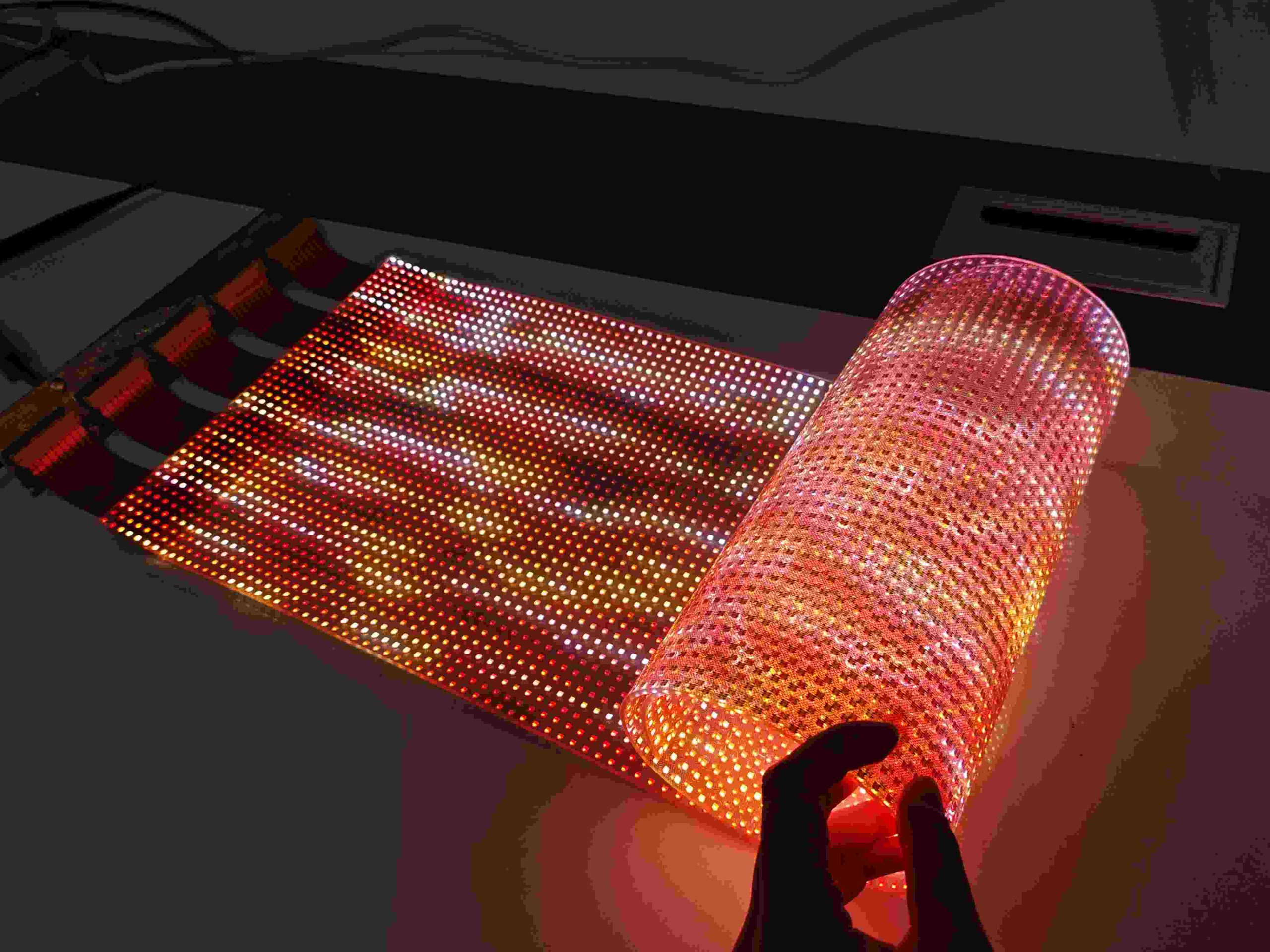
Design ideas in architecture grow best with room to bend. Flexible transparent LED film aids this with its bendy base. The item can be cut or folded as needed. Size does not limit it. You can tailor the size and shape to fit the job. The bendy method lets it fold freely. It sticks to glass or walls with any curve. This forms a full, smooth odd-shaped screen. Such flexibility pushes architects to try moving fronts and lights that react. They respond to weather or people nearby. The outcome is a space that shares messages actively. Yet it keeps the building’s style in check.
What Are the Key Technical Features That Define Flexible Transparent LED Film?
The smart tech in flexible transparent LED film makes it a solid choice for building use. Its work comes from new material ideas, exact light handling, and easy setup ways that match different building needs.
Structural Composition and Material Innovation
Flexible transparent LED films use very slim plastic bases. These hold tiny LEDs inside. The LED crystal truss screen picks a bendy clear film as the main holder for the LED screen. The module’s thickness can stay under 2MM. With clearness over 80%, these films keep sight sharp. They also give strong light output. Their light weight skips heavy frames. This makes adding them to current glass setups simple. High transparency comes from a high-pass crystal film base. It uses PVD crystal plating tech. There is a micron-level metal grid. The item’s clearness hits almost 95%. It lets in good light.
Optical Performance and Display Quality
How well a flexible transparent LED film works in different light setups depends on its light handling. The lamp body’s top has a 100,000-level optical prism. This boosts color purity well. Such a smart light setup gives bright colors over wide angles. It avoids glare. Brightness adjusts up to 6000 cd/㎡. This helps see it clearly in direct sun. Smart controls keep energy use low.
Installation Versatility and Maintenance Efficiency
Simple setup stands out as a top plus for this tech. Setup is very straightforward. One-stick light works. It attaches right to the glass. No frame is needed. The piece-by-piece setup allows big assemblies without seen seams. Tools for remote handling, like Wi-Fi control or group sync, make running many panels smooth. Remote and cluster control happens. WIFI allows remote handling. Multi-screen interactive cluster control is possible. Low upkeep needs cut costs over time. This beats old digital sign systems.
How Does This Technology Contribute to Sustainable Architecture?
Sustainability in building design now relies on items that cut energy use. They also lower harm to the environment. Flexible transparent LED film fits these goals. It uses wise light plans and green making methods.
Energy Efficiency Through Smart Illumination
When linked to building control systems (BMS), flexible transparent LED films adjust light levels based on outside light or people around. This cuts the need for extra sign lights. It also helps gather daylight. That keeps natural light inside strong. Fewer added lights mean less energy use in daily runs. This helps shops and offices a lot.
Eco-Friendly Materials and Lifecycle Benefits
Green materials go beyond how they work. They cover reuse and long life. Xinhe Optoelectronics crystal truss screen has four major characteristics: light, transparent, soft and thin. Its light build uses fewer resources in making and moving. Micro-LED tech lasts longer. So replacements happen less often than with regular screens. This cuts electronic trash over years.
Where Can Flexible Transparent LED Film Be Applied in Architectural Projects?
Uses for flexible transparent LED films go from bold outer walls to lively inner setups. They fit areas like shops, hotels, office spots, and public works.
Exterior Facades and Urban Media Displays
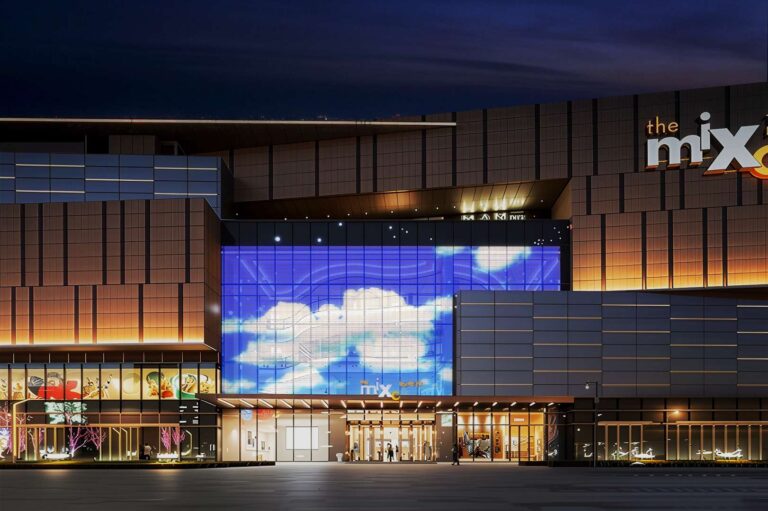
Designers are changing city views. They turn building outsides into active message spots with clear LED films. These keep views out from inside. Widely used in glass curtain walls (city buildings, large shopping malls, etc.), glass showcases (street shops, car 4S stores, jewelry stores). Such setups aid city media shows tied to events or seasons. They boost style and community ties. All without losing wall clearness.
Interior Spaces: Retail, Hospitality, and Corporate Environments
In building insides, flexible transparent LED films lift how spaces feel. They create deep story areas. They act as digital walls or entry features. These show brand stories or calm visual effects for customer pull. Their fit with curved spots lets designers add them without breaking space flow.
Transportation Hubs and Public Infrastructure Projects
Open areas like airports or subway stops gain from live info screens built into glass. Widely used in transportation hubs (high-speed rail stations, airports, subway stations). These keep clear views for travelers. They give real-time guides or service news. This boosts moving around in busy transit spots.
Why Should Architects Collaborate with Reliable Suppliers Like Shenzhen XinHe Lighting Optoelectronics Co., Ltd?
Working with skilled providers ensures steady quality from design start to build end. This applies to projects with advanced screen materials.
Expertise and Product Reliability from Shenzhen XinHe Lighting Optoelectronics Co., Ltd
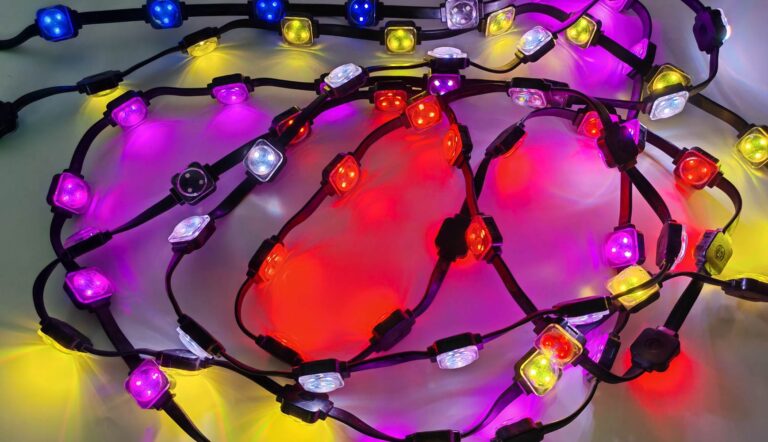
Shenzhen Xinhe Optoelectronics Lighting Co., Ltd. (referred to as: Xinhe Optoelectronics) was established in 2004. For many years, it has been professionally focusing on the research and development and application of point light sources and grid screens with independent intellectual property rights. The company’s broad know-how in big building light projects makes it a solid teammate. Architects can get custom fixes based on pixel spacing or clearness levels for each job. It mainly provides comprehensive services such as scheme design, engineering budget, product provision, and on-site guidance for large-scale architectural landscape and advertising lighting projects. Certified under ISO9001:2015 quality standards and ISO14001:2015 environmental management systems,the company has won honors such as National High-tech Enterprise, demonstrating its commitment to sustainable manufacturing practices aligned with global benchmarks.
What Future Trends Will Shape the Development of Flexible Transparent LED Film in Architecture?
As digital tools keep mixing with building material know-how, new ideas will aim to boost interaction. They will also make materials tougher against weather stress.
Integration with Smart Building Systems
Upcoming designs will add IoT sensors for light changes based on people or outside light. This smart link allows fronts that adjust visuals on their own. It connects buildings to real-time surroundings.
Advancements in Material Science
Studies push for more clearness without losing pixel count. Nanomaterials help with better UV block and water guard.High-brightness transparent display fashionable beautiful technological sense fully integrated with VR AR artificial intelligence metaverse science fiction animation virtual reality e-sports. As these items grow in strength and light sharpness, they open more chances. Architects can build changing structures that share views. They also back worldwide green aims.
Preguntas frecuentes
Q1: What factors should be considered before integrating flexible transparent LED film into a building design?
Architects should evaluate transparency ratio requirements relative to desired daylight levels pixel pitch appropriate for viewing distance structural compatibility power accessibility integration method aesthetics maintenance logistics regulatory compliance thermal management strategies network connectivity redundancy backup options firmware update accessibility user interface integration system scalability long-term warranty coverage supplier certification credibility post-installation support availability lifecycle cost assessment overall sustainability impact analysis
Q2: Can flexible transparent LED film be retrofitted onto existing glass facades?
Yes most products are designed specifically for retrofit applications using adhesive lamination techniques requiring minimal structural modification enabling quick deployment across existing glazing panels
Q3: How does flexible transparent LED film compare to traditional LED screens in terms of performance?
While traditional opaque screens deliver higher peak brightness suitable for standalone outdoor displays flexible transparent alternatives excel within architecture due to superior integration potential achieving balance between digital functionality transparency energy conservation aesthetics adaptability longevity operational efficiency





 Spanish
  English
  Arabic
  Russian
  French