

A point light does not leave the building when the lighting is switched off. Its cover is still there beside the base and wiring, against the glass or cladding selected by the architect. This is why choosing between transparent and opalescent options starts with more than a light-up demonstration. Use equivalent fixture samples, look at them unlit, then try the proposed night scenes. A short representative row gives the design team something definite to assess and leaves the buyer with an identifiable option to order.
Which Covers Are Available for the Selected Fixture?
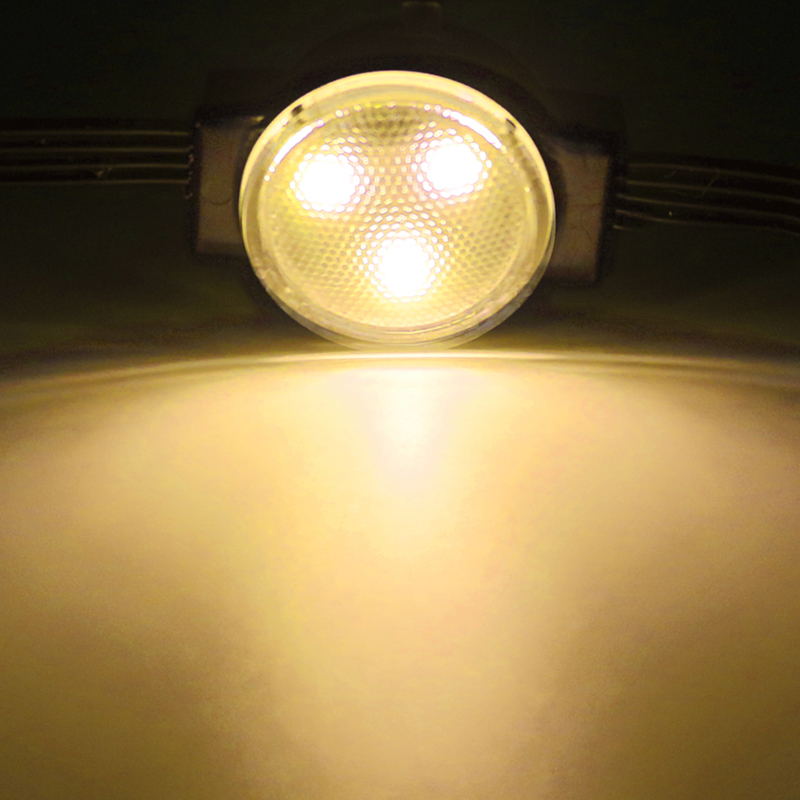
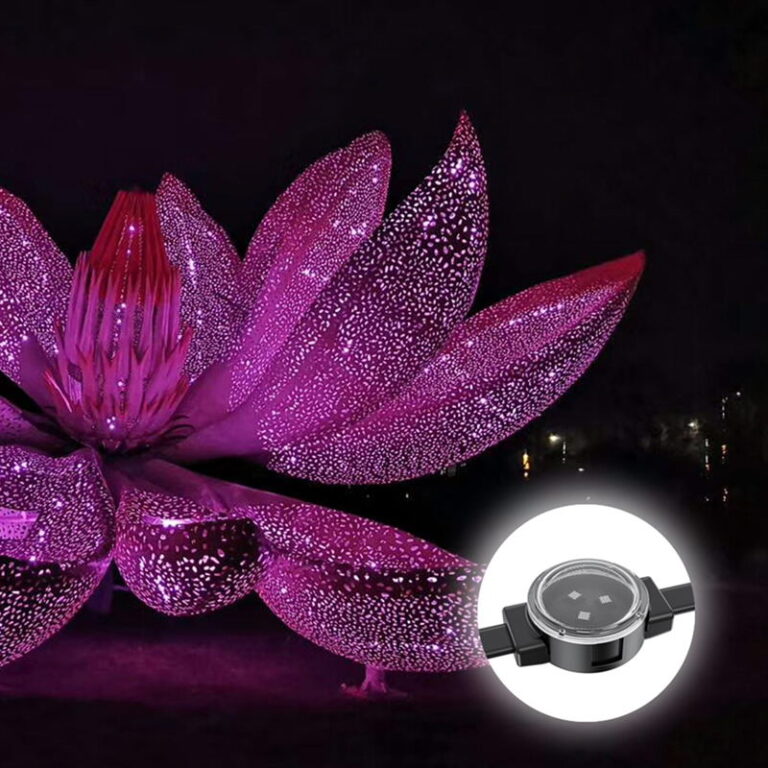
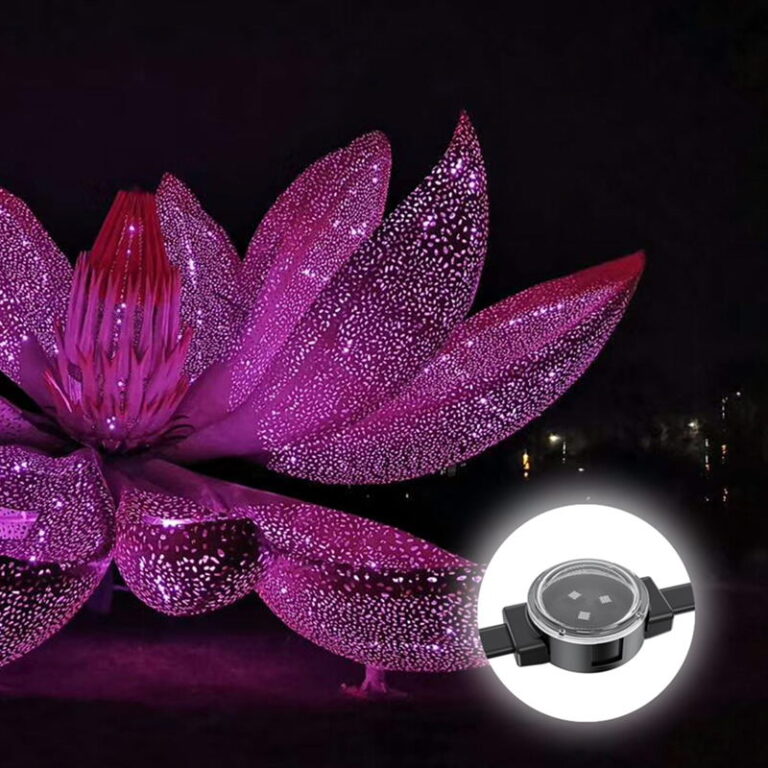
For the XH-H3003 LED point light source, transparent, opalescent and mesh covers appear among the published options. The order still needs to name the particular combination supplied. Ask which samples represent that combination and keep their identifiers beside the quotation. The choice is between offered assemblies, not an assumed optical ranking based on the cover names.
Keep the fixture configuration constant
H3003 has a monochrome on-off version, XH-H3003M12, and an RGB DMX512 version, XH-H3003P12. Both are listed at DC12V. If you compare one of each, any visual difference is no longer just a cover comparison. Use the intended light version for both samples, with the same relevant output setting. Keep that full designation in the approval record.
How Should Daytime Appearance Be Assessed?
Put the unlit samples against the intended glass or cladding. Review them from the entrance approach and the principal audience position. A dark test board is useful for handling samples, but it is not the same background as reflective glass. You want to see the repeated fixture on this building, so use that background wherever practical.
Show the base and cable as well. If the test row omits a cable loop, choosing a discreet cover will not make the installed loop disappear. The same applies to fixing positions. A representative assembly lets you tell a cover preference apart from a concern about alignment or the way the lamp is mounted.
Record the agreed background and positions
Write down the background and viewing locations while the test row is still in place. They explain what the photographs show after the samples are removed. If the next review uses another surface, that change belongs in the notes too. The record need not cover every possible reflection; it should preserve the conditions behind the actual decision.
What Should the Nighttime Comparison Include?
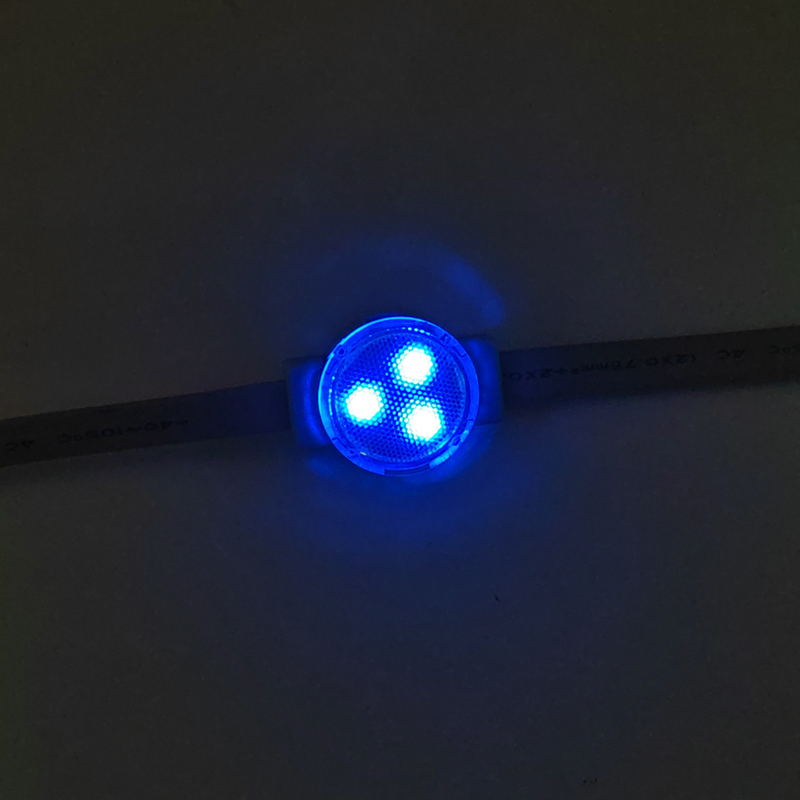
At night, try the scenes the project intends to run. For the RGB version, these may include separate channels, white and the main content colors. A monochrome version needs its own relevant demonstration. View both options from the nearest intended audience zone as well as the main position. Note whether a preference depends on the viewing angle.
There is more than one fixture in the Classic H-series point light source range. A sample comparison therefore needs a model reference as well as a cover description. Where the brief includes numerical optical limits, obtain the measurement information for the proposed version. Otherwise keep the decision as a recorded visual assessment, without turning that preference into a performance figure.
Compare under normal operating settings
Try normal operating levels, not only a maximum-output demonstration. Keep the controller settings with the sample record. If the options are shown at different levels, note it rather than calling the comparison equivalent. The installer will need to reproduce the accepted fixture and setting together, without guessing how the demonstration was produced.
Does Cover Choice Replace Other Design Decisions?
Leave spacing and mounting position unchanged while you compare covers. Changing either makes the result harder to interpret. After selecting the option, review the complete proposed row or zone before placing the bulk order. A useful cover comparison is one decision within the layout; it does not approve the rest of the geometry.
What Needs Confirmation for a Custom Cover Request?
A useful custom request starts with what happened in the review. If the fixture remained conspicuous against the intended glass, say so and identify the surface. If the oblique view did not meet the brief, specify that viewing position. Those observations give the supplier a requirement to consider. A transmission number invented for the request would describe a different problem.
Use Xinhe’s customized product services to discuss whether an alternative is feasible. Before accepting it, review the proposed construction, availability and price for this particular order. Decide what its sample must demonstrate. Approval of the standard sample should not silently become approval of a custom version that has yet to be evaluated.
How Can Xinhe Support Cover Selection?
Optoelectrónica Xinhe has developed point-light and grid-screen products since 2004. Its service scope covers scheme design, project budgeting, product supply and on-site guidance. To discuss a cover choice, send the proposed mounting detail with facade photographs and the intended viewing positions. Include the planned light version. Request identification of available options and quotation details, then retain the selected sample’s designation in the order.
Conclusión
The final choice should be reproducible. Keep the exact cover designation beside the fixture version, with the daylight review and accepted controller settings. Refer to that record in the order and replacement file. When someone later asks which option was approved, the answer should come from an identified sample and its conditions, not from trying to interpret an isolated photograph.
FAQs
Is a transparent cover always brighter than an opalescent one?
The product information does not quantify a cover-to-cover brightness ranking. Compare the offered versions on the same fixture configuration and settings, or request the optical measurements needed by the specification.
Should covers be assessed only at night?
No. Review powered-off appearance on the intended facade material as well as illuminated output from the project’s viewing positions.
Can a different cover be used for a replacement fixture?
Confirm compatibility and the effect on the approved appearance before substituting it. Keep the original cover designation and reference sample in the maintenance records.


 Spanish
 English
 Arabic
 Russian
 French