

Picking the proper pixel pitch stands as a highly crucial step in any LED mesh screen project. Numerous purchasers look primarily at screen dimensions or overall cost. However, pixel pitch directly impacts viewing distance and visual sharpness. It also influences transparency levels, energy consumption, installation expenses, and the ultimate visual effect. A tighter pixel pitch yields exceptionally crisp content for up-close viewing. Meanwhile, a wider pixel pitch generally fits exterior building walls, outdoor advertising setups, stadium outer shells, and distant media displays perfectly. For facility owners, ad agencies, architects, mall managers, and system integrators, selecting the ideal LED mesh screen involves discovering the perfect harmony among display clarity, the see-through characteristic, physical framework, and financial outlay.

What Does Pixel Pitch Mean in an LED Mesh Screen?
Pixel pitch indicates the exact physical gap between the center points of two adjacent LED pixels. Technicians normally measure this gap in millimeters. Common examples include P10, P16, P20, P25, or even broader spacing designed for massive building facade screens.
Why Does a Smaller Number Mean Higher Clarity?
A P10 LED mesh screen features a noticeably shorter gap between individual pixels compared to a P20 screen. Consequently, manufacturers pack more pixels into the identical surface area. Therefore, the resulting picture reveals considerably greater detail. Words, brand logos, merchandise pictures, and moving video clips appear incredibly crisp whenever spectators stand quite near the display.
Nevertheless, a tighter pitch inherently requires more individual LEDs and extra internal components. It also demands greater electrical power and causes a steeper manufacturing expense. Furthermore, it might decrease overall transparency. This happens because the screen contains less empty space between the closely packed pixels.
Why Does a Larger Pixel Pitch Keep the Screen More Transparent?
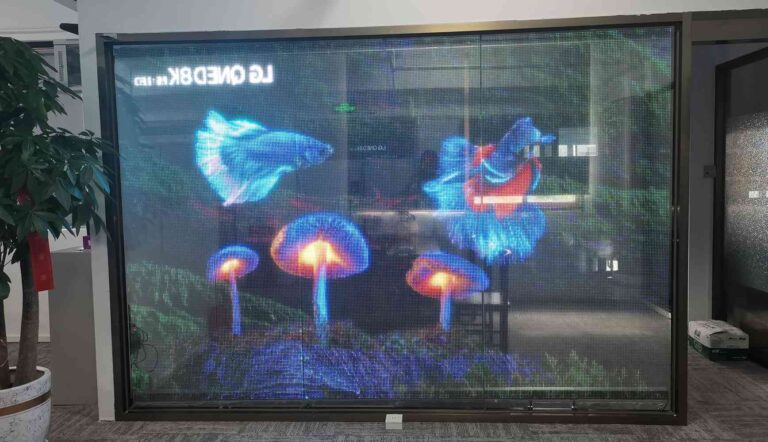
A broader pitch intentionally leaves substantial empty room between the LED pixels. This particular design enhances natural light penetration, wind passage, and visual openness. For structural glass walls and modern building facades, this feature remains vital. The installed screen absolutely must not completely block incoming sunlight or hide the original architectural style.
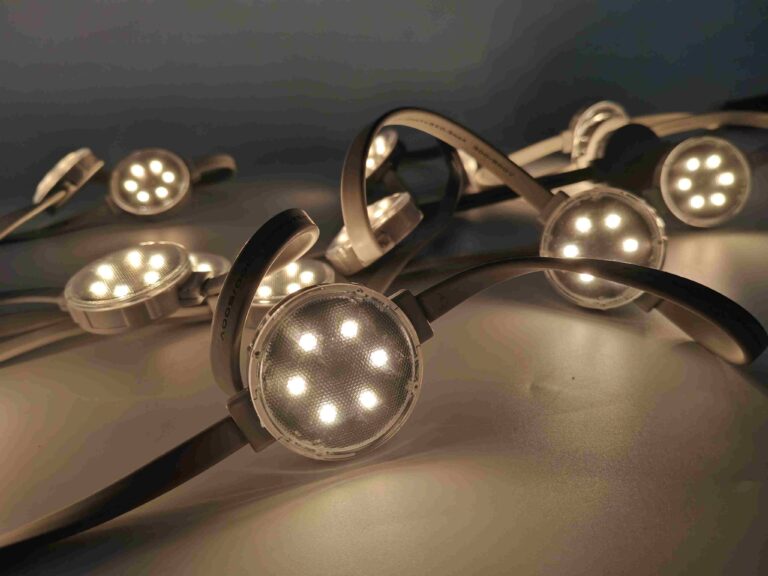
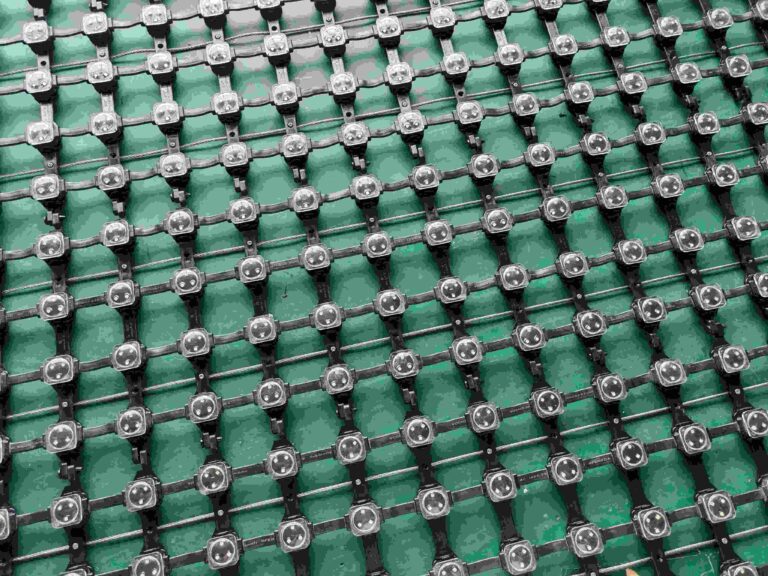
XinHe’s related LED mesh and crystal truss screen materials highlight transparent, easily manageable, adaptable, and slim display frameworks. These specific structures can easily integrate with glass surfaces and architectural visual projects without much trouble.
How Should Viewing Distance Guide Pixel Pitch Selection?
Viewing distance remains the primary element that assists purchasers in choosing between sharp resolution and excellent transparency. A display observed from merely 3 meters away simply does not require the exact same pitch as a massive facade watched from 80 meters away.
When Should Buyers Choose a Smaller Pixel Pitch?
A tighter pixel pitch works beautifully for close-up viewing environments. These locations include shop display windows, interior retail displays, trade show booths, and shopping center central areas. They also encompass product showrooms, performance stages, and interactive brand zones. In these specific setups, visitors frequently stand near enough to easily spot tiny image details.
If the planned content features tiny letters, detailed product shots, human faces, complex QR-style patterns, or intricate videos, a tighter pitch makes the presentation highly readable and visually appealing.
When Is a Larger Pixel Pitch Enough?
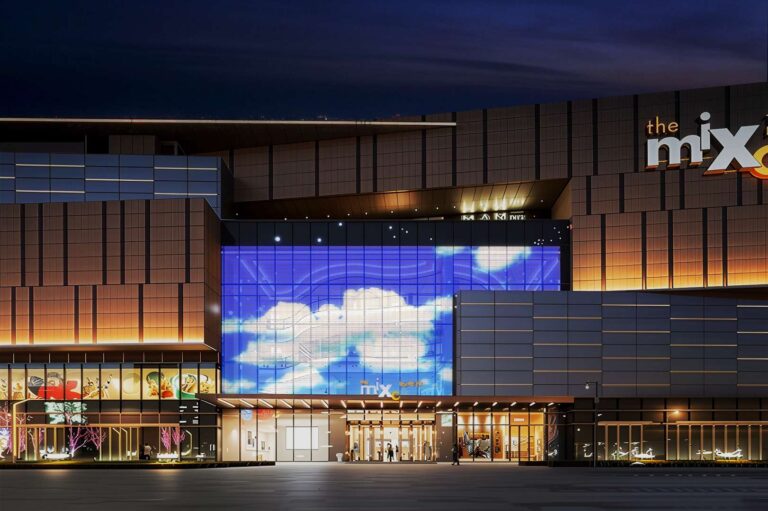
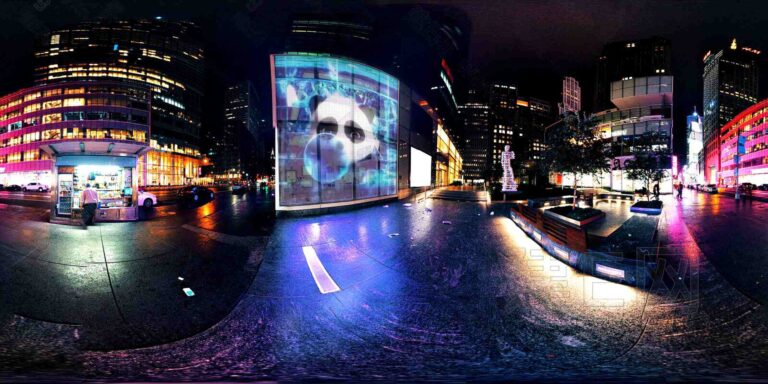
Huge architectural facades, massive outdoor advertising surfaces, city bridges, stadium outer walls, tourist attraction installations, and municipal landmark displays are normally seen from quite far away. Under these specific conditions, a broader pitch easily generates a powerful visual impact.
For long-range observation, the public primarily notices basic movement, solid color areas, corporate brand visuals, massive letters, and lively patterns. A broader pitch successfully cuts down costs and boosts transparency. It also decreases overall weight and keeps the underlying structure feeling quite open.
How Does Pixel Pitch Affect Resolution and Content Design?
Resolution involves far more than simply the screen’s basic technical specifications. It actively determines exactly what kind of media will appear attractive on the LED mesh screen.
What Content Works Better on Smaller Pitch Screens?
Tight pitch LED mesh screens handle complex visual content exceptionally well. They effortlessly display crisp corporate videos, sharp product photographs, readable subtitles, and promotional messages. This capability makes them highly practical for shop environments, special events, trade exhibitions, retail centers, and upscale business spaces.
For these particular installations, the media quality absolutely must match the screen’s capabilities. Crisp high-resolution graphics, strong visual contrast, and correctly scaled fonts remain essential. If the media layout is poorly planned, even a premium fine-pitch screen will look completely unprofessional.
What Content Works Better on Larger Pitch Screens?
Broad pitch screens pair wonderfully with striking, bold visual media. Smooth color shifts, massive corporate logos, straightforward catchphrases, moving graphic lines, holiday-themed displays, and architectural media art generally look fantastic on large-pitch LED mesh screens.
For building exterior installations, designers must plan the media specifically for distant viewing. Creators should completely avoid tiny text. Bold geometric shapes, deliberate slow motion, intense visual contrast, and a broad visual rhythm typically produce a superior outcome.
How Does Pixel Pitch Influence Transparency and Building Appearance?
Designers frequently pick LED mesh screens because these devices can broadcast media while allowing portions of the underlying building to remain visible. Pixel pitch heavily dictates this delicate balance.
Why Is Transparency Important for Facade Projects?
On a structural glass wall, excellent transparency successfully preserves natural sunlight, inside visibility, and the structure’s initial aesthetic appeal. This factor holds immense importance for retail centers, corporate towers, luxury hotels, transit stations, and massive commercial hubs.
If the chosen pitch is excessively tight, the display might appear overwhelmingly solid. This density can easily ruin the intended see-through effect and alter the building’s exterior far too drastically. Conversely, if the pitch is excessively wide, the display might be wonderfully transparent but severely lack clarity at close range.
How Can Buyers Balance Display and Architecture?
The ideal selection relies heavily on the primary project objective. If the structure requires a brilliant commercial advertising face, buyers might tolerate reduced transparency. However, if the installation absolutely must protect the glass aesthetic and natural interior lighting, a broader pitch frequently proves superior.
XinHe’s detailed LED grid screen comparison materials indicate that LED grid screens are generally much lighter and significantly more transparent than standard LED displays. This makes them highly appropriate for projects requiring a facade-friendly approach.

How Does Pixel Pitch Affect Project Cost?
Pixel pitch directly impacts the comprehensive financial budget. Purchasers absolutely must not merely request a basic square-meter price. They must also verify whether the proposed pitch actually suits the intended viewing environment.
Why Is Smaller Pitch Usually More Expensive?
A tighter pitch demands considerably more LED pixels within each square meter. This density heavily inflates raw material costs, control system requirements, electrical power planning, manufacturing difficulty, and quality testing efforts. Furthermore, it might necessitate superior content development to properly exploit the enhanced resolution.
For up-close retail or commercial installations, this extra expense might be completely justified. For distant exterior facade viewing, however, a tighter pitch might generate needless spending without providing any noticeable visual improvement.
How Can Larger Pitch Reduce Budget?
A broader pitch utilizes fewer pixels across each square meter. It can significantly drop the initial screen cost, decrease electrical power needs, and boost overall transparency. It also heavily simplifies the installation process across massive surface areas. For towering skyscrapers and huge outdoor building walls, this approach can make the entire project remarkably cost-effective.
The correct inquiry is not “Which pitch is the tightest?” Instead, buyers should ask, “Which pitch is perfectly adequate for the spectator’s typical distance and the planned media type?”
Why Choose Shenzhen XinHe Lighting Optoelectronics Co., Ltd as a Reliable Mesh Screen Supplier?
Shenzhen XinHe Lighting Optoelectronics Co., Ltd launched its operations in 2004. It concentrates heavily on LED point light sources, modern grid screens, LED mesh screens, exterior building lighting, and innovative transparent display systems. The enterprise supplies valuable services such as initial scheme design, detailed engineering budgeting, reliable product supply, and expert on-site guidance for architectural landscape and commercial advertising lighting projects.
For buyers organizing LED mesh screen installations, XinHe can expertly assist with proper product selection, pixel pitch strategy, visual effect planning, technical engineering consultation, and comprehensive project support. Its broad product categories include LED Pixel Light, LED Point Light, LED Mesh Screen, LED Building Lighting, and LED Transparent Film Screen. This variety helps clients select perfectly matched solutions for diverse facade, glass wall, retail commercial, and dynamic media display uses.
Conclusión
Selecting the proper LED mesh screen pixel pitch requires a careful harmony among typical viewing distance, visual display clarity, desired transparency, the installation budget, and the primary content goal. A tighter pixel pitch works wonderfully for up-close viewing and intricate visual content. Conversely, a broader pixel pitch is generally much better suited for massive building facades, distant commercial advertising, and huge outdoor media surfaces.
Before asking for a formal quotation, purchasers must firmly establish the exact installation site, typical viewing distance, total screen dimensions, intended media type, specific transparency requirements, required brightness levels, and available budget limits. With the correct pixel pitch, an LED mesh screen can easily produce a massive visual impact while keeping the underlying structure feeling bright, open, and aesthetically modern. Shenzhen XinHe Lighting Optoelectronics Co., Ltd can readily assist clients in picking appropriate mesh screen systems for diverse commercial, architectural, and outdoor advertising display initiatives.
FAQs
Q1: What pixel pitch is best for an LED mesh screen?
No single perfect pixel pitch exists for every situation. Close-up viewing installations usually demand a tighter pitch. Meanwhile, massive building facades and long-range advertising setups can frequently utilize a broader pitch quite effectively.
Q2: Does smaller pixel pitch always mean better image quality?
A tighter pixel pitch can certainly boost image crispness at a short distance. However, it also raises the overall expense and might severely reduce transparency. For distant observation, a broader pitch might be significantly more practical.
Q3: What details should buyers provide before choosing pixel pitch?
Purchasers should clearly specify the total screen dimensions, exact installation location, and typical viewing distance. They must also indicate indoor or outdoor usage, planned media type, specific transparency needs, necessary brightness levels, and the anticipated financial budget.





 Spanish
  English
  Arabic
  Russian
  French