

A factory acceptance test for an LED grid screen verifies that the manufactured system matches the approved project before it is packed and sent to site. This matters because a facade display may contain many repeated modules, control addresses, waterproof connections, and project-specific cable lengths. Finding a mismatch after international shipping can delay installation and make diagnosis harder. A useful FAT combines document review, sampling, full-system operation, visual checks, electrical checks, mechanical inspection, and clear evidence that follows each shipment package.
What Should Be Approved Before the Factory Test Starts
The buyer and supplier should freeze the tested configuration before the FAT date. The reference package should include the purchase order, approved model and density, elevation and module map, screen resolution, voltage, control protocol, power zoning, cable and connector schedule, mounting method, finish, labeling plan, spare-parts quantity, and packing list. Any approved deviations should be recorded so the inspection team does not compare production against an obsolete drawing.
Define the test scope and sampling plan
A large project may not be assembled at full facade size inside the factory. The FAT plan should therefore distinguish checks applied to every unit from checks applied to a representative assembled area. Confirm how many modules will be connected together, which production batches are represented, which tests use the complete controller configuration, and how failed observations will be corrected and retested.
How Should Product Identity and Workmanship Be Checked
Start with traceability. Labels on modules, cables, cartons, spares, and documents should use one consistent zone and item code. Check model, operating voltage, light color, protocol, pixel arrangement, cable direction, connector type, and mounting components against the approved bill of materials. Workmanship inspection should cover damaged housings, loose fasteners, incomplete potting, contaminated seals, deformed bases, inconsistent cable exits, and missing accessories.
Use the product specification as the baseline
El XH-Chuxing G20 LED grid screen is listed as model XH-CXG2001 with DC12V operation, RGB light, DMX512 control, and several pixel arrangements. Its published pitch options range from 50 by 50 mm to 50 by 100 mm, with corresponding differences in maximum power and screen weight. The FAT must verify the exact ordered configuration rather than treating every G20 module as identical.
Which Visual Tests Should Be Included
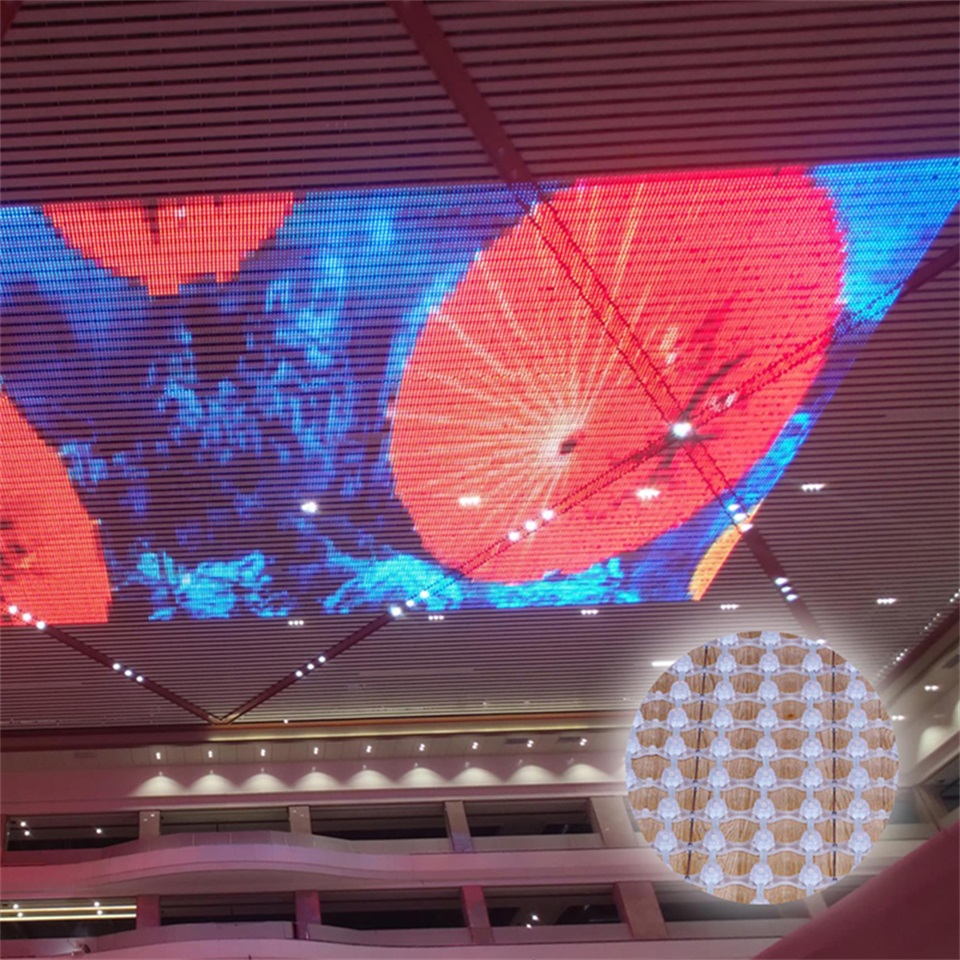
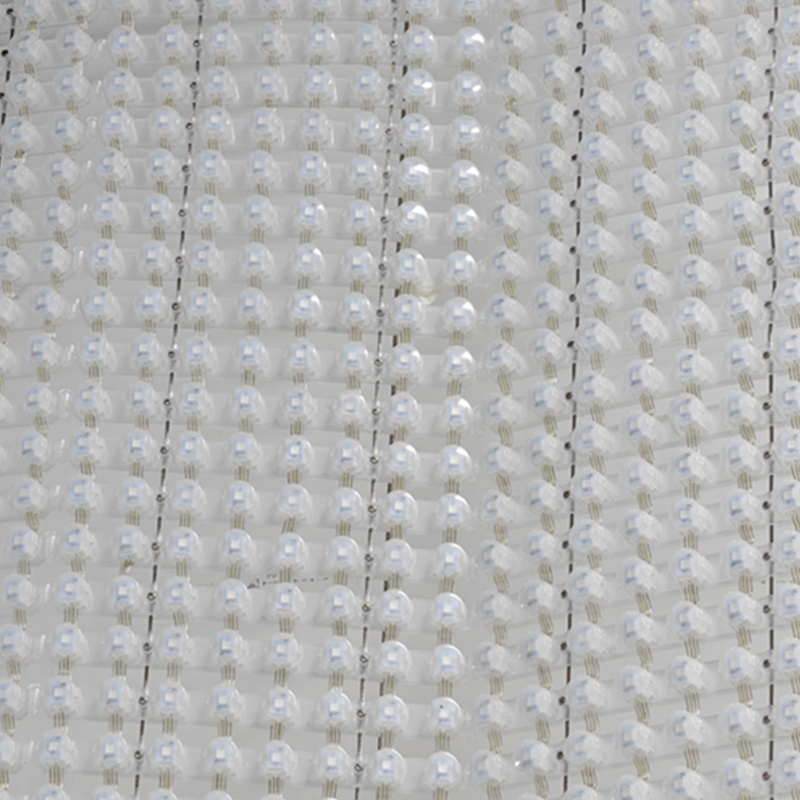
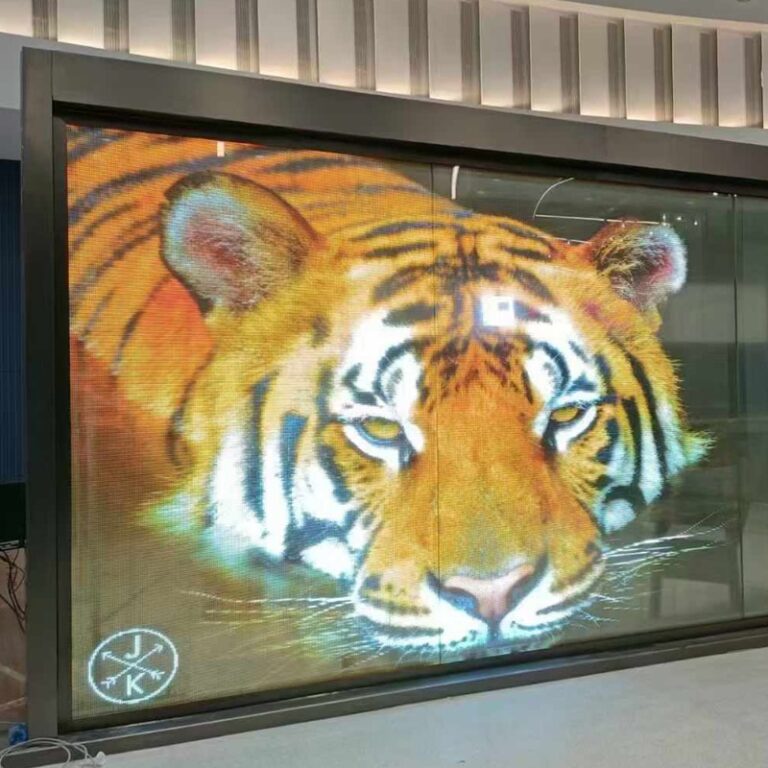
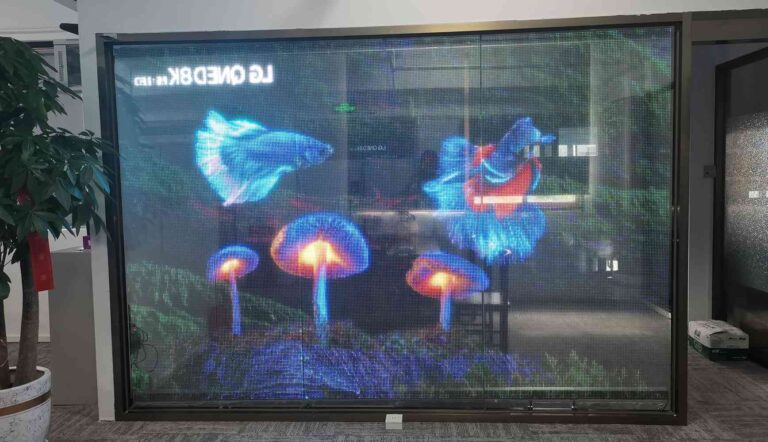
Operate the assembled sample with red, green, blue, white, black, gray, gradients, grids, diagonal lines, text, and motion. Solid colors reveal missing channels and inconsistent output; grids expose mapping and alignment errors; gradients reveal visible steps; moving content shows synchronization problems. Inspect from the intended viewing distance as well as close enough to identify individual faulty nodes.
Check uniformity across production batches
Mix modules from the beginning, middle, and end of the production run in the test assembly. Compare brightness, color, spacing, covers, and mechanical dimensions. If the project will be delivered in phases, confirm how replacement modules and spares will be matched. Record the approved brightness setting and controller file so a later site test can reproduce the factory condition.
What Electrical and Control Checks Are Required
Verify polarity, operating voltage, power-zone loading, connector engagement, addressing, and signal direction. Run demanding content at the highest approved test setting long enough to reveal intermittent resets, flicker, unexpected colors, or hot connections. Measurements should follow the agreed test procedure and use calibrated equipment where the contract requires it. Controller outputs and mapping files should correspond to the physical labels on the tested modules.
Test normal operation and recovery
Confirm start-up, shutdown, controlled restart, content change, and recovery after power interruption. Where the ordered system includes monitoring or signal-continuation features, demonstrate those functions according to the approved configuration. The general large LED grid screen planning guide helps connect factory tests with the final power, control, and module zoning used on the facade.
How Should Mechanical and Environmental Features Be Verified
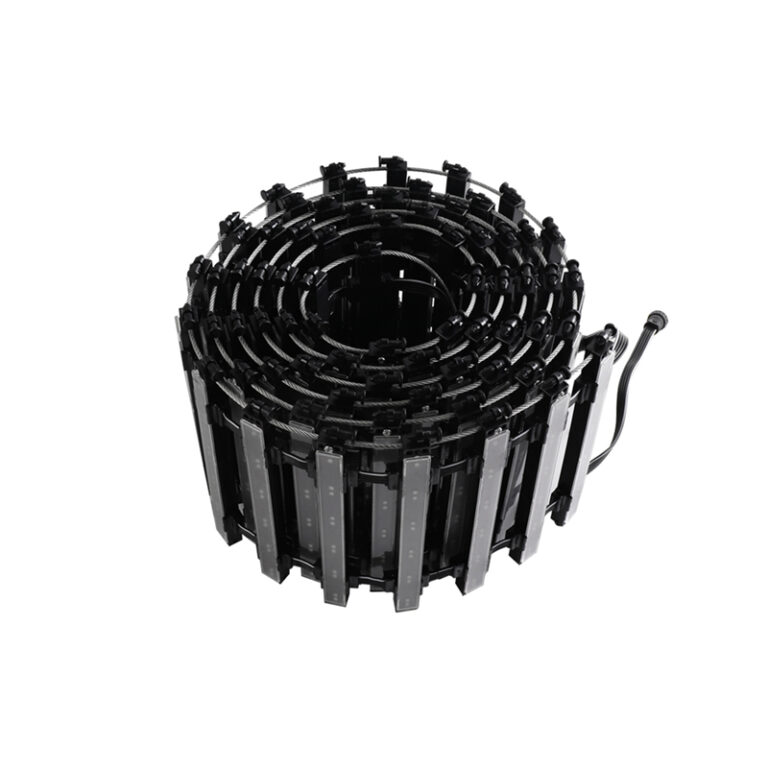
Inspect the pin-splicing, screw-fixed bases, steel-wire arrangement, module flatness, spacing consistency, and connection hardware. Confirm that rolled or folded handling does not place damaging stress on light nodes or cables. Published product ratings such as IP67, IK10, flame-retardant level, operating temperature, or salt-spray resistance should be supported by the agreed product documentation; a visual factory inspection does not replace formal type-test evidence.
What Evidence Should Close the FAT
The final report should list every test, result, instrument where applicable, tested sample identification, photos or video, open issue, corrective action, retest result, and approval status. Save the controller configuration, mapping file, approved test content, and version numbers. Carton numbers should link back to module zones so site teams can install and diagnose the correct parts efficiently.
Why Work With Xinhe Optoelectronics
Established in 2004, Optoelectrónica Xinhe focuses on point light sources and grid screens for architectural landscape and advertising lighting. The company’s published services include scheme design, engineering budgeting, product supply, and on-site guidance. Its Serie de pantallas de cuadrícula de pantalla gigante includes multiple configurations that require project-specific confirmation during production and acceptance.
Conclusión
A strong FAT converts project requirements into repeatable evidence before shipment. Freeze the configuration, verify identity and workmanship, test representative production modules with diagnostic content, check power and control behavior, inspect mechanical assembly, and connect every result to labeled cartons and site zones. Project teams should agree on the exact FAT scope with the supplier through the official contact page before production is completed.
FAQs
Does every LED grid screen module need to be powered during FAT
The contract should define the coverage. Identity and workmanship may be checked on every unit, while extended operation can use an agreed sample or assembled zone. Critical functions and production-batch representation should not be left ambiguous.
Which content is best for LED grid screen factory testing
Use solid RGB and white fields, black, gray gradients, geometric grids, diagonal lines, text, and moving patterns. Promotional video alone can hide pixel, mapping, and uniformity defects.
What files should be saved after the FAT
Keep the signed test report, photos or video, controller configuration, mapping file, tested content, calibration records where required, issue log, retest evidence, final bill of materials, and carton-to-zone list.








 Spanish
  English
  Arabic
  Russian
  French