

LED mesh screens have turned into a key part of architectural displays. They blend digital tech with building design in a smart way. These systems let buildings share messages in a lively manner. At the same time, they keep the original look of the structures. Their flexible setup and see-through quality help architects add media facades. This happens without messing up the balance of the space.
Structural Adaptability in Design
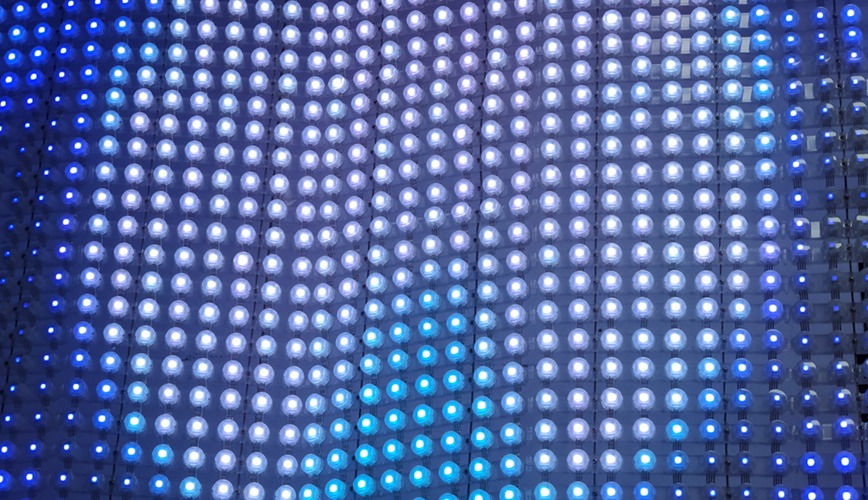
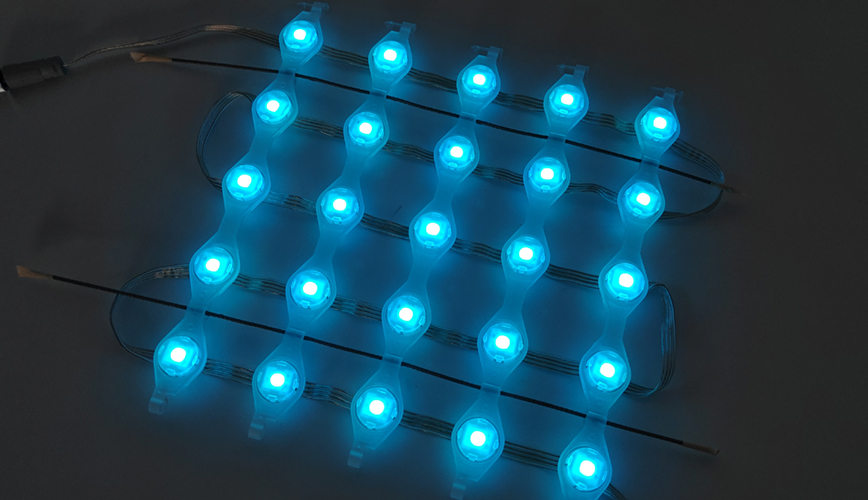
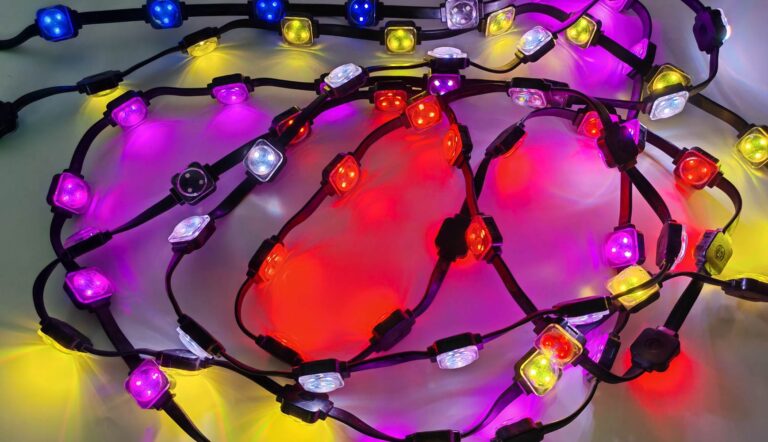
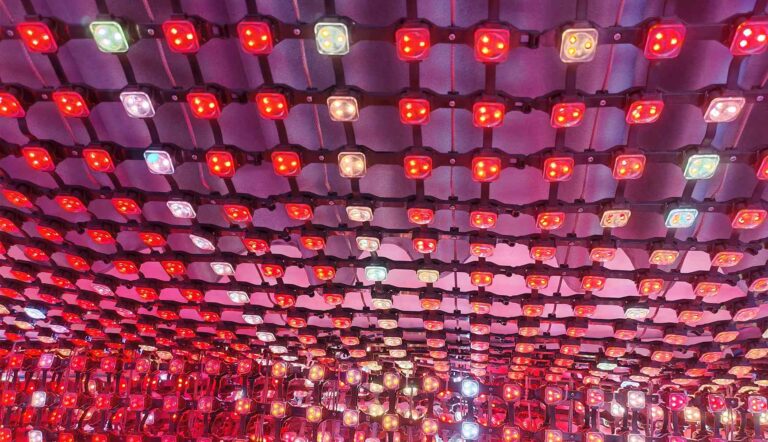
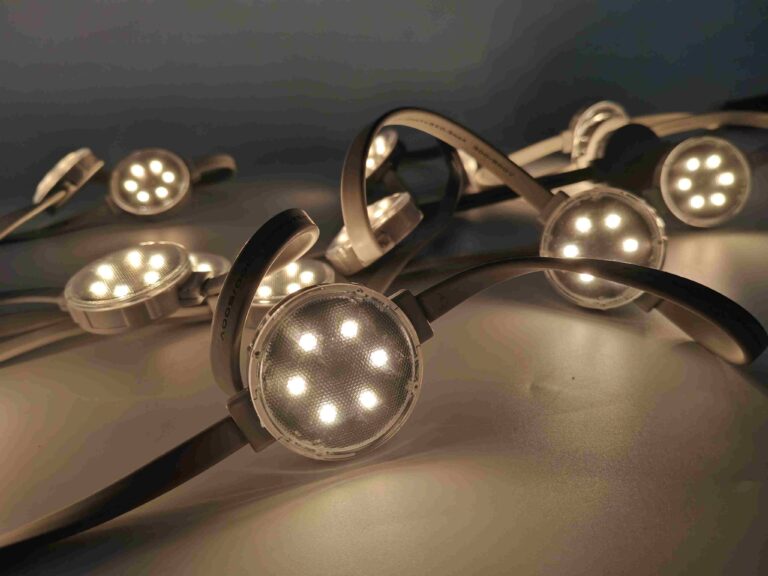
The ability to adapt structurally in LED mesh screens comes from their piece-by-piece and light build. Grid screen is a large pitch LED display screen launched to meet the display needs of large areas such as real estate projects, commercial centers, glass curtain walls, hotels, and high-rise building facades, while also considering the characteristics of lightness, thinness, and transparency. It is a spliced unit module composed of Светодиодный точечный источник света, PC card buckle base, steel wire and other components. This piece-by-piece setup makes it easy to expand smoothly over tricky building shapes. And because they weigh less, these systems put little stress on the outer walls or main frames. The bendable mesh fits well with rounded areas or uneven lines. So, it keeps the building’s shape whole. Yet, it adds useful digital parts. Plus, fixing things gets easier. You can swap out modules without hassle. And the fitting options work well with today’s building rules.
Transparency and Aesthetic Appeal
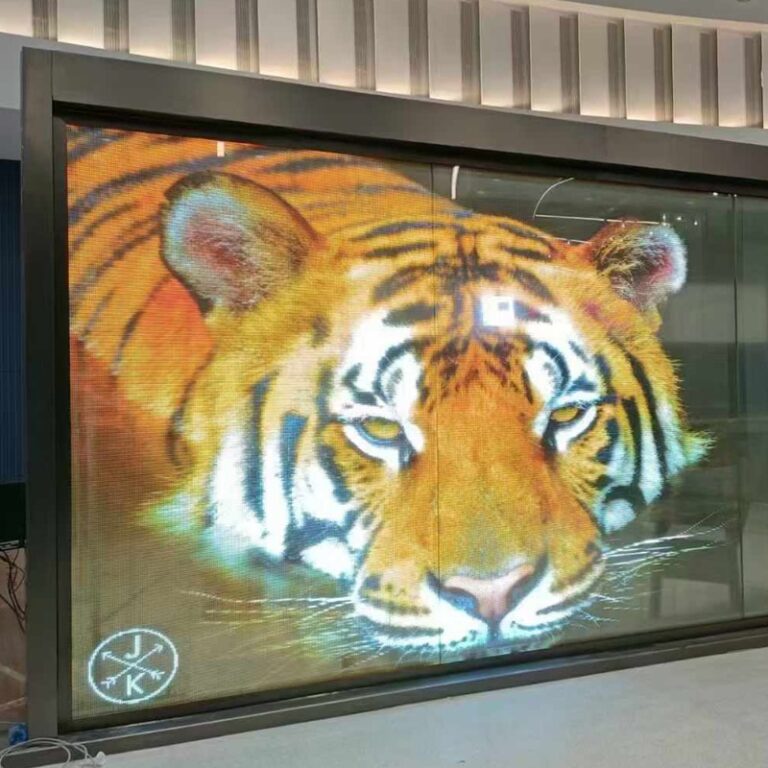
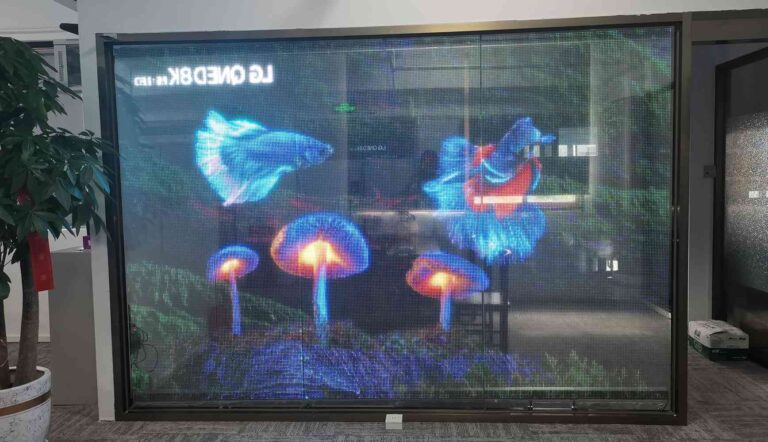
Being see-through stands out as a top benefit of LED mesh screens for architectural displays. The transparency of the LED Transparent Film Screen is excellent, making it currently the lightest, lightest, and most hidden LED display screen. It can attract a large audience for your advertisements in a very short period of time and increase your brand awareness. Whether in commercial or public places, LED crystal lattice screens can bring you more business opportunities and attention. This open setup lets natural light flow through. It also keeps views clear from both sides of the wall. As a result, you get a digital layer that boosts visual energy. But it does not block sunlight or air movement. In addition, The Xinhe Optoelectronics crystal truss screen features four major characteristics: light, transparent, flexible and thin. It is extremely easy to install and does not require a steel frame structure. It can be simply attached to the glass surface. Such see-through quality fits perfectly for mixing digital art or brand images into building outsides. And it stays in tune with materials like glass or metal.
How Do LED Mesh Screens Enhance Visual Communication in Architecture?
Today’s buildings often use digital media more and more. They change fixed structures into ones that talk to people. LED mesh screens give buildings a way to show who they are. They do this with moving images, color shifts, and lively stories that connect with watchers.
Dynamic Content Display Capabilities
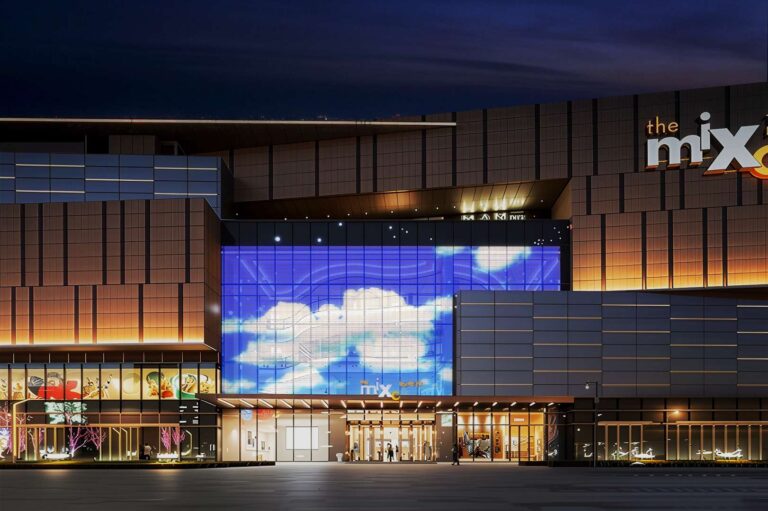
LED mesh screens give a lot of room for handling content. They handle bright video play, instant changes, and matched light effects over several walls. This works with clever control setups. It turns into an interactive digital screen upon power-up and can show videos, announcements, data visualizations, branding information, or creative graphics. This skill lets architects turn walls into places for tales. For example, they can show company info during work times. Or they can display cultural images at public gatherings. And all this happens without changing the building’s real shape.
Energy Efficiency and Sustainability Considerations
Being eco-friendly sits at the heart of current city planning ways. LED mesh screens use much less power than old billboard setups. They do this thanks to smart light parts and brightness that adjusts. Their long life means fewer fix-up costs. It also cuts down on electronic trash over years. Moreover, Its power-saving functionality also allows companies to keep their operations environmentally friendly while adopting next-generation display technology. These traits make them a good match for green power like solar panels. So, they fit well with eco certs such as LEED or BREEAM.
In What Ways Do LED Mesh Screens Contribute to Urban Design Innovation?
City spaces are turning into lively systems where buildings link right up with folks through sight-based tech. LED mesh screens act as main tools for this shift. They boost involvement and reshape city views.
Enhancing Public Engagement Through Interactive Media
Setups with moving lights build better ties between people and their areas. Things like motion detectors or phone links let the public join in. They make walls into quick-response spots that reply to steps or noises. At times like festivals or cultural happenings, these tools help with big art shows. And they build up a sense of community.
Integrating Lighting Design With Urban Identity
Displays in buildings with LED mesh tech add a lot to city branding plans. You can pick colors to fit what the city or business wants. They change through the day or with seasons. Brightness that adjusts keeps things comfy for walkers. It also saves power at night. By lighting up spots like travel centers or public marks in a smart way, these systems help with safe night walks in city parts.
Why Should Architects Choose Shenzhen XinHe Lighting Optoelectronics Co., Ltd as Their LED Mesh Screen Partner?
Picking a skilled maker matters a lot for big building display jobs. Shenzhen XinHe Lighting Optoelectronics Co., Ltd has set itself as a top player worldwide. They make strong LED mesh fixes made just for fitting into buildings.
Приверженность качеству и инновациям
XinHe Lighting puts focus on work based on research for new products. They mix toughness with fresh ideas. The Xinhe Optoelectronics crystal truss screen features four major characteristics: light, transparent, flexible and thin. This focus makes sure steady work in different weather setups. It also gives room for designers to create freely. The company gives options you can tweak. These include space between pixels and light strength levels. They suit both inside glass uses and outside walls.
Global Project Experience and Reliability
With lots of know-how in wall lighting jobs around the world, Shenzhen XinHe sticks to world safety rules. This means solid long-run work even in tough weather. Its engineering group works hand-in-hand with architects. They do this from idea stage to setup. So, each system fits just right with what the project aims for in looks, use, and eco-friendliness.
How Does the Future Look for Architectural Displays Using LED Mesh Technology?
As smart cities grow around the world, flexible display tech will keep shaping how buildings talk in city systems.
Emerging Trends in Architectural Media Facades
Coming changes will stress smart replies through systems run by AI for handling content. These can tweak images based on things like weather or crowd size. New material ideas will boost see-through levels more. They use super-thin bases like those in top film displays. For instance, The transparent LED film screen STJ SERIES does not require cumbersome constructions or complicated installations to be placed directly on glass surfaces. On top of that, piece-by-piece growth will let matched setups over many buildings. This forms linked sight networks across the city. They tie buildings to digital ways without breaks.
Заключение
LED mesh screens change architectural displays by mixing nice looks with smart tech. Their light build keeps building strength safe. It also lets open digital talks spread over city areas. For experts looking for solid new idea partners who can bring exact-made fixes worldwide, Shenzhen XinHe Lighting Optoelectronics Co., Ltd stands as a top pick. It blends forward-thinking design help with tested making skills.
FAQs
What differentiates an LED mesh screen from traditional LED panels?
LED mesh screens feature an open-grid structure allowing airflow, light penetration, and flexible installation on curved or irregular surfaces—unlike traditional solid panels that block visibility and limit design options.
Can LED mesh screens withstand outdoor environmental conditions?
Yes, high-quality LED mesh screens are engineered for durability against wind loads, moisture, UV exposure, and temperature fluctuations—making them suitable for long-term outdoor architectural use.
Are LED mesh screens customizable for specific building designs?
Absolutely. Manufacturers such as Shenzhen XinHe Lighting Optoelectronics Co., Ltd provide custom sizing, pixel pitch options, brightness levels, and control systems tailored to meet unique project requirements across different architectural contexts.





 Russian
  English
  Arabic
  Spanish
  French