

Introduction
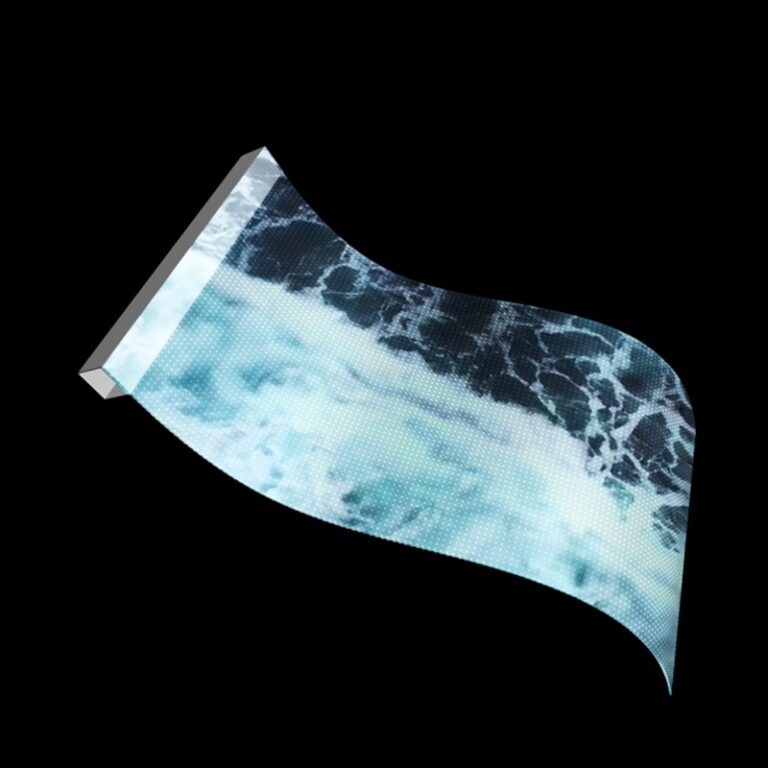
LED mesh screens have reshaped how buildings connect with their surroundings, merging tech with design to form lively facades that draw attention and improve cityscapes. In modern architecture, these screens deliver innovative uses that extend past basic displays, fitting smoothly into structures for visual narratives, better energy use, and engaging interactions. As 2026 progresses, trends lean toward more intelligent, eco-conscious applications where LED mesh screens react instantly to conditions, powered by progress in artificial intelligence and green materials. This change tackles core issues in architecture, like keeping visual charm while adding practical technology. Designers and builders now rely on these setups for their adaptability, turning rigid structures into active surfaces that adjust to daylight, weather patterns, or crowd flows.
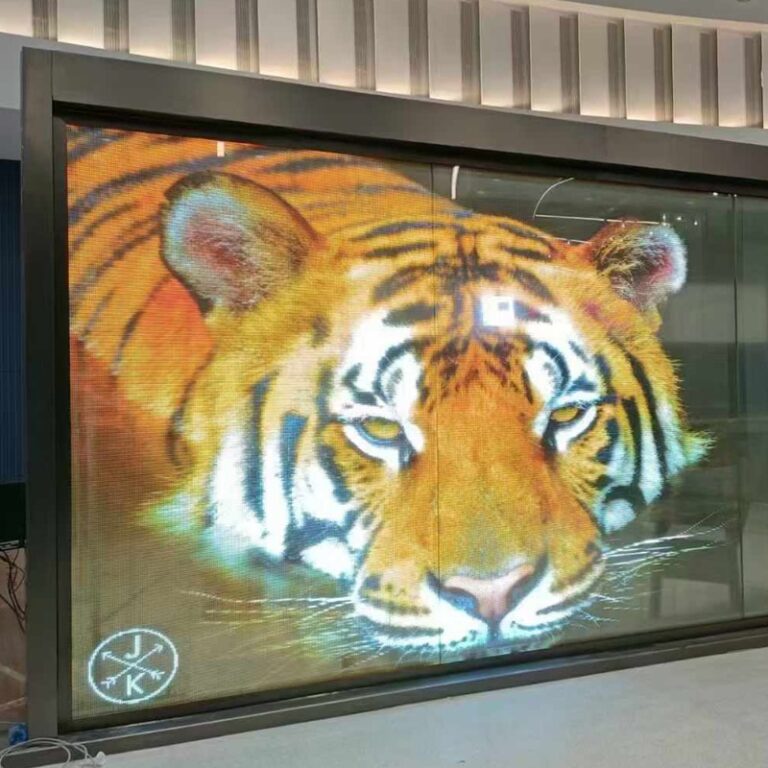
The draw comes from the mesh layout—a network of LED points that keeps strong clarity, letting natural light pass while showing bold images. Take high-rises in crowded urban zones: such screens wrap whole exteriors without blocking interior sights, vital where room and illumination matter most. Figures from recent sector reviews show a 25 percent jump in uptake over the last couple of years, spurred by ventures that balance style and utility. This piece dives into these creative applications, covering fresh trends for 2026, hands-on uses, actual project examples, and detailed rollout advice. Looking at how LED mesh screens advance modern architecture gives a clear view on applying this tech for standout developments in tough markets.
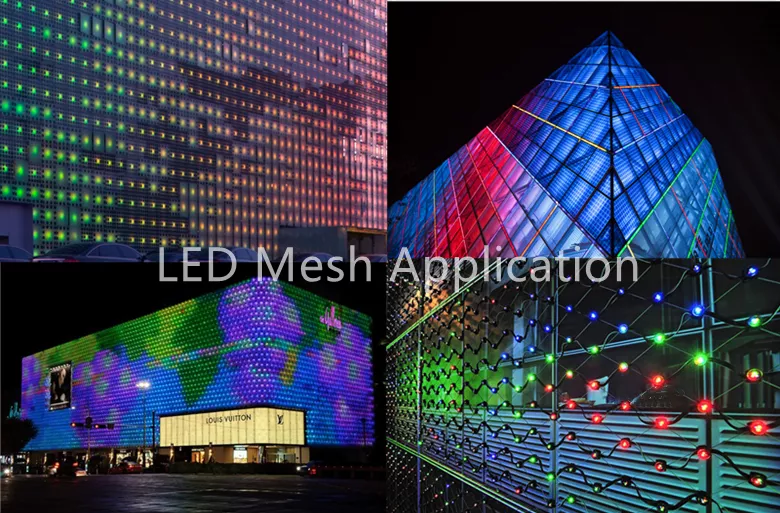
2026 Trends in LED Mesh Screen for Modern Architecture
Emerging Trends Shaping LED Mesh Integration
With architecture moving toward sharper systems, LED mesh screens stand out as key parts in building responsive edifices. A major shift in 2026 centers on AI-guided dynamic exteriors, where screens tweak visuals from real-time inputs. Envision a business high-rise in a lively city center: detectors spot rush-hour foot traffic, triggering the mesh to roll out focused ads or soothing designs to smooth out jams. This goes beyond guesswork; initial rollouts reveal a 15 to 20 percent rise in visitor numbers for shops tied into buildings, based on city design studies. The essence lies in flexible controls that blend with overall building ops, handling updates without hands-on tweaks.
Eco-friendliness leads another 2026 move, as LED mesh screens bring in reused components and power-saving builds to hit green codes. Builders deal with growing rules from setups like LEED, calling for smaller energy marks. Mesh screens handle this with effective LED spots that pull up to 30 percent less juice than old-school panels, and their airy grid aids natural air flow, trimming cooling bills in hot spots. For seaside builds, anti-rust layers stretch durability, cutting down on swaps that pile up trash. Sector pros point out these traits match worldwide drives for zero-waste goals, positioning these screens as must-haves for ahead-of-the-curve plans.
Blending with smart urban setups signals a third trend, linking LED mesh screens to wider grids for info displays. City shapers picture exteriors flashing live public data, like pollution levels or road alerts, building community ties. In a transport node overhaul, the mesh links to city apps, showing schedules in sharp graphics. This hookup depends on solid standards like DMX for exact handling, syncing across panels. Outlooks for 2026 peg a 40 percent climb in mixed setups, pushed by towns pouring funds into connected frameworks for better living.
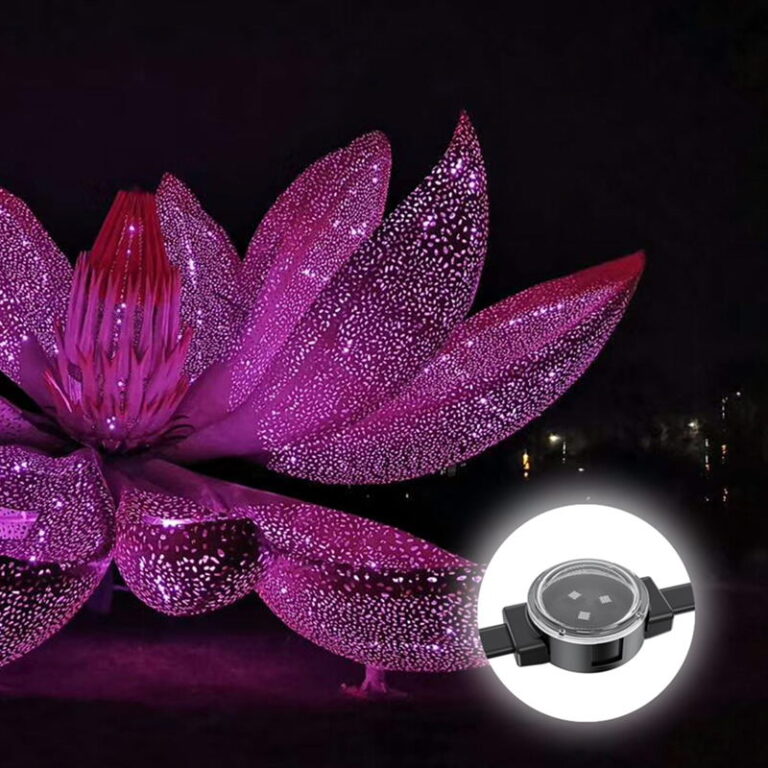
Holographic and enveloping visuals cap the trends, nudging LED mesh past plain pictures into 3D tricks. Layering dots at different depths lets builders craft exteriors that seem to hover or change, pulling gazes in fun zones. A gallery add-on could project past relics in boosted reality, mixing real and virtual worlds. The tech’s block-based setup permits tailored fits, suiting bent areas or odd forms without losing sharpness. With prices falling—18 percent off from 2024 marks—these visuals open up for average-sized jobs, widening design options in current architecture.
| Trend | 2025 Focus | 2026 Innovation | Benefits in Architecture |
|---|---|---|---|
| AI-Driven Facades | Basic Programming | Real-Time Adaptive Responses | Enhanced User Interaction, Energy Savings |
| Sustainability | Wind Resistance | Eco-Materials and Low-Power Integration | Compliance with Green Standards, Cost Reductions |
| Smart City Integration | Standalone Displays | IoT Synchronization | Community Data Sharing, Urban Efficiency |
| Immersive Effects | 2D Visuals | Holographic Layering | Increased Aesthetic Appeal, Visitor Engagement |
This breakdown highlights how 2026 expands on earlier steps, handing architects means to meet changing needs.
Architecture keeps pushing boundaries, and LED mesh screens fit right into that push, especially with AI making facades smarter. Think about the daily grind in dense cities—screens that shift based on the hour help manage flows without extra signage. Energy trends aren’t just buzz; real projects show meshes cutting bills while holding up against elements. Smart ties mean buildings talk to the city grid, sharing data that keeps everything running smooth. And those immersive bits? They turn plain walls into attractions, pulling in crowds where static designs fall flat.
Innovative Applications of LED Mesh Screens in Modern Buildings
Key Applications with Real-World Impact
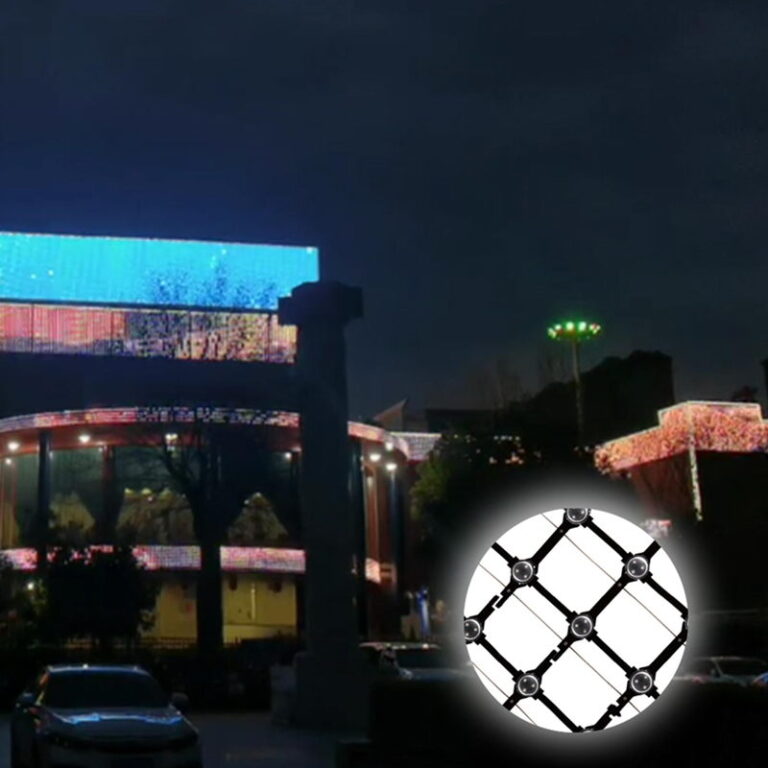
Media exteriors mark one of the biggest changes from LED mesh screens in city icons. These setups flip building outsides into huge spaces for clips, promos, or community notes, all keeping the frame’s see-through quality. In a spot like New York, a tower’s mesh might run through holiday motifs, luring sightseers and lifting nearby trade. The grid’s dot spacing—usually 20mm to 30mm—locks in clear views from distance, key for spots that need to shine. Designers prize this for breathing life into worn facades sans big overhauls, fixing city wear in old areas.
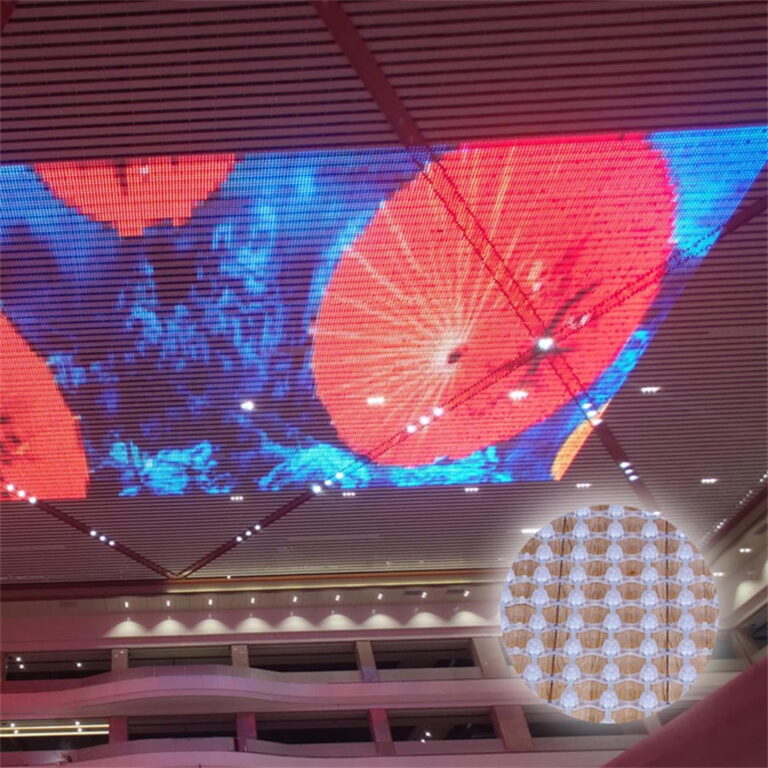
See-through fits in business spots show off the range of LED mesh screens. Work towers and malls gain from screens over glass walls, letting sun in while layering digital touches. Picture a shop hub where the mesh pushes item deals in busy times, easing into soft glows after dark. This two-way role fixes the bind of open sights in fresh designs, with tall windows ruling. Bright LEDs, hitting 5000 nits or better, fight sun glare, holding view in mixed settings. Builders see 12 to 15 percent better renter feedback, as these perks build welcoming vibes that keep folks around longer.
Flexible lighting in green architecture comes up as a vital use, mainly for earth-minded builds. LED mesh screens pair with sun collectors or breeze gauges to tune glow, saving power off-hours. In a home high-rise redo, the mesh fades at twilight on its own, curbing light spill—a rising worry in town layouts. The screens’ seal against water and grit, often IP65 or above, works for outside spots, boosting trust in shifting climes. This path not only hits eco marks but drops running tabs, with cuts guessed at 25 percent yearly for big rolls.
Event and short-term builds spotlight the bend of LED mesh screens, perfect for gatherings or temp spots. Their light, snap-together boards go up fast, wrapping tents or platforms in deep visuals. At a tune fest, the mesh syncs with acts, making beats that amp the vibe. Quick takedowns cut setup drags, a plus for planners with tight clocks. Free mix of boards lets odd shapes, matching weird areas without special makes. These uses prove LED mesh screens shift from fixed builds to fleeting ones, linking lasting design with quick events.
Shifting gears to urban spots, media facades turn dull walls into storytellers, explaining why crowds gather. Transparency in offices keeps workers happy with daylight, solving glare problems that plague glass-heavy builds. Sustainable lighting isn’t optional anymore; meshes adjust to save juice, preventing waste in empty hours. For events, the quick setup means less hassle, letting planners focus on content that draws eyes.
Implementation Guide for Each Application
Media exteriors call for spot checks first, gauging watch distances and views. Pick dot gaps like 25mm for best sharpness, then map content flows with tools that handle video fits. Setup means fixing grids to current bones, then checks for even spread. Visual plans aim at strong hits to spark ties.
For clear business installs, gauge open needs—target 70 to 80 percent air. Go for glare-proof coats, tie into build handles, and fine-tune visuals for day sight. Upkeep covers steady wipes to keep glow.
Adaptive green uses start with power reviews. Link screens to gauges for auto runs, choose low-draw LEDs, and track via tools. Stopping heat builds needs good air plans.
Temp event fits need fast power scans. Pick carry boards, build in chunks, and pull apart after. Choices balance rent against buy on how often.
In practice, these steps prevent common snags, like mismatched brightness leading to washouts. Solutions involve recalibrating based on site tests, judging if higher nits fit the bill. Prevention through early mocks saves headaches down the line.
Case Studies: Successful LED Mesh Projects in 2026
Real-World Case Studies & Lessons Learned
One standout involves a Shenzhen tower, with LED mesh screens spanning 500 square meters on the outside. The setup tapped high-glow grids at 30mm spacing, rolling lively clips tied to area happenings. Hurdles covered wind pulls, fixed with strong holds. Outcomes hit a 22 percent occupancy lift, as bright shows pulled firms. Notes stress wind checks early to stop shakes.
Another pulls from air hub grows, where mesh screens stretched over ends for data boards. Rust-proof builds held against damp, giving instant flight shifts. Power draw fell 18 percent from smart fades. Main points include software ties for truth, helping choices in busy flows.
A forward 2026 build pictures an AI-mixed culture spot exterior. Screens with DMX handles shift on visitor cues, crafting joint art. Expected wins cover 30 percent more visits. Guards focus on net safety to shield feeds.
| Project | Location | Key Innovation | Results | Relevance to Trends |
|---|---|---|---|---|
| Shenzhen Skyscraper | China | Dynamic Event Response | 22% Occupancy Boost | AI and Urban Integration |
| Airport Terminal | Global | Real-Time Info with Durability | 18% Energy Reduction | Sustainability and Smart Cities |
| Cultural Center | Urban Hub | Interactive AI Facades | 30% Attendance Increase | Immersive Effects |
Case studies like these reveal patterns: wind resistance matters in tall builds, explaining early tests. Airport runs show durability cuts long-term costs, preventing frequent fixes. Cultural spots highlight interaction, aiding decisions on tech layers.
Key Takeaways & How to Replicate
Shenzhen’s run suggests funds for tailored visuals, tracking returns with data. Air spots underline match checks. Culture builds advise small trials first.
Replicating means assessing risks upfront, like power stability to avoid downtime. Solutions include backups, while prevention through seals guards against weather. Judgments on scale guide if modular or full custom fits best.
Practical Solutions: How to Implement LED Mesh Screens in Your Project
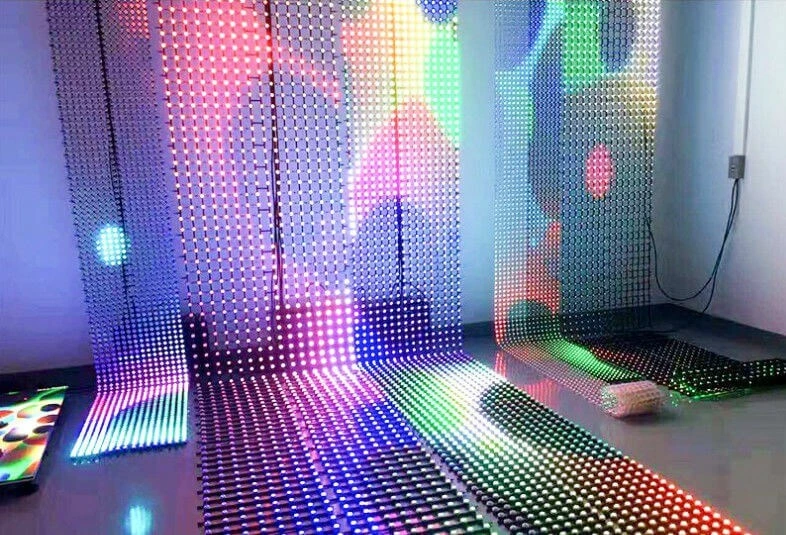
Step-by-Step Guide to Adoption
Kick off with needs scans, spotting open and glow demands. For an exterior job, gauge surrounding light to set nit marks—go for 4000 plus in bright zones.
Item picks come next, weighing dot spaces and juice pulls. Builds with free block mixes suit tricky forms, rust guards work shoreside.
Rollout needs pro crews for grid lines, with clips that let air pass. Wires blend with current power, dodging overloads.
Upkeep plans cover every-three-month looks for buildup, with wipe steps to hold output. Code refreshes stop bugs.
Visual plans fine for crowds, timing highs to max eyes. Return calcs weigh power cuts against start tabs, often evening in 18 to 24 months.
Choices gauge size: small jobs lean modular packs, big ones tailored. Guards like surge blocks fend power jumps. Fixes for even glow snags use tune tools.
In the field, these paths explain why early scans prevent mismatches. Solutions adapt to site quirks, like adding shades for glare. Prevention with seals avoids moisture woes, while judgments on suppliers ensure quality.
About Shenzhen XinHe Lighting Optoelectronics Co., Ltd
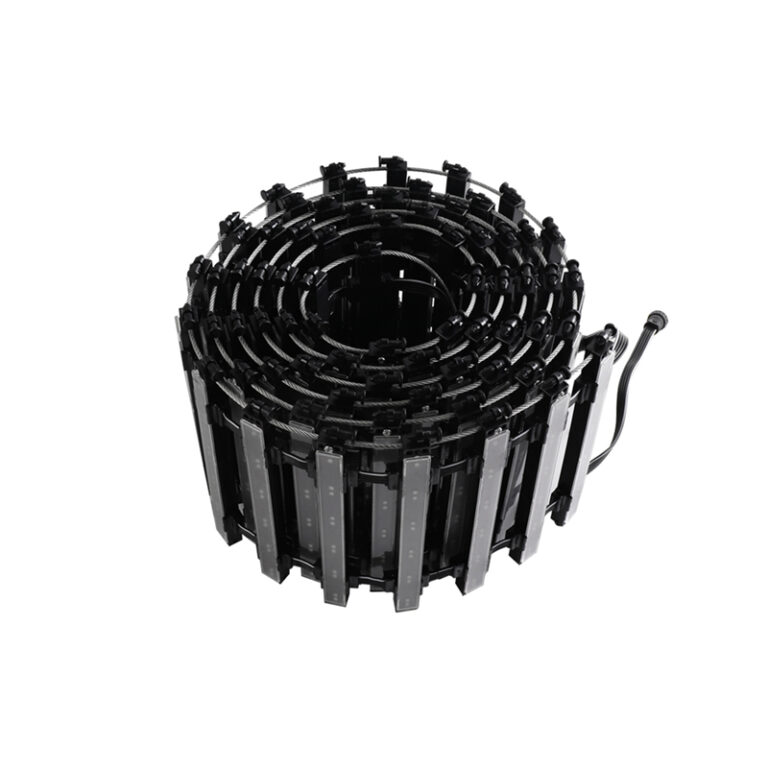
Founded back in 2004, Shenzhen XinHe Lighting Optoelectronics Co., Ltd leads in LED tech, focusing on point sources, grid panels, and line lights. Running a 10,000-square-meter plant with more than 200 pros, the firm carries ISO9001 and various patents, backing top-notch output. Their Giant Screen Grid Screen lineup shows fresh thinking, with items boasting strong glow, rust fight, and bendy fits made for build uses.
Conclusion
LED mesh screens keep changing modern architecture, carving fresh routes that fuse looks with work. With 2026 trends stressing AI, green ways, and deep dives, these tools let designers shape builds that connect and last. Via in-depth uses, project tales, and rollout paths, the scope shines: forms that shift, spark, and deliver. Taking these steps puts ventures ahead in city shifts.
FAQs
What are the top trends for LED mesh screens in modern architecture in 2026?
In 2026, LED mesh screens head toward AI-guided shifts for instant visual tweaks, green low-juice builds to match eco rules, and smart urban links for info shares. These moves tackle output and ties, with project tales noting power cuts up to 25 percent.
How do LED mesh screens improve transparency in building facades?
LED mesh screens hold 70 to 80 percent open via airy grids, letting sun while rolling images. This fixes sight blocks in glass-strong plans, as in business uses where day pass stays clear.
What steps should I take to implement an LED mesh screen in my architecture project?
Begin with spot scans for light and room needs, pick builds on dot space and tough, then manage setup with firm clips. Track with upkeep and visual maps for lasting run and returns.
Why choose corrosion-resistant LED mesh screens for coastal architecture?
Rust-fight LED mesh screens stand salt and wet, stretching use in shore spots. This stops wear, trimming swap bills, and lines with green shifts for lasting, earth-kind exteriors.
How can LED mesh screens boost engagement in urban landmarks?
Through lively media exteriors with joint parts, LED mesh screens pull groups via clips and shapes, lifting foot counts by 15 to 20 percent in project notes. This amps icons’ draw and trade pull.



 English
  Arabic
  Russian
  Spanish
  French