

Stadium preparations for the 2026 FIFA World Cup keep revealing how 2026 FIFA World Cup stadium lighting has become a major focus in venue modernization. The tournament spans 16 sites across the United States, Canada, and Mexico, so operators concentrate on fixtures that provide consistent coverage, lower power draw, and stronger visual elements for crowds and cameras alike. The move away from older floodlight designs toward LED platforms reflects practical needs—improved broadcast standards, increased spectator involvement, and reduced running costs over time.
Host venue projects make the direction evident. At Estadio BBVA in Monterrey, a dedicated LED sports lighting setup reached FIFA Standard A compliance. The installation allows for adjustable output, achieves more than 40 percent energy savings against prior systems, and adds color variation to generate engaging displays tied to match action or venue events. In Mexico City, Estadio Azteca pushes forward with facade work that incorporates LED banners positioned on columns and cross beams for choreographed colorful sequences, together with high-resolution LED screens spanning over 2,200 square meters on interior and exterior areas. These modifications turn the building envelope into a responsive surface that amplifies celebrations and night-time presence.
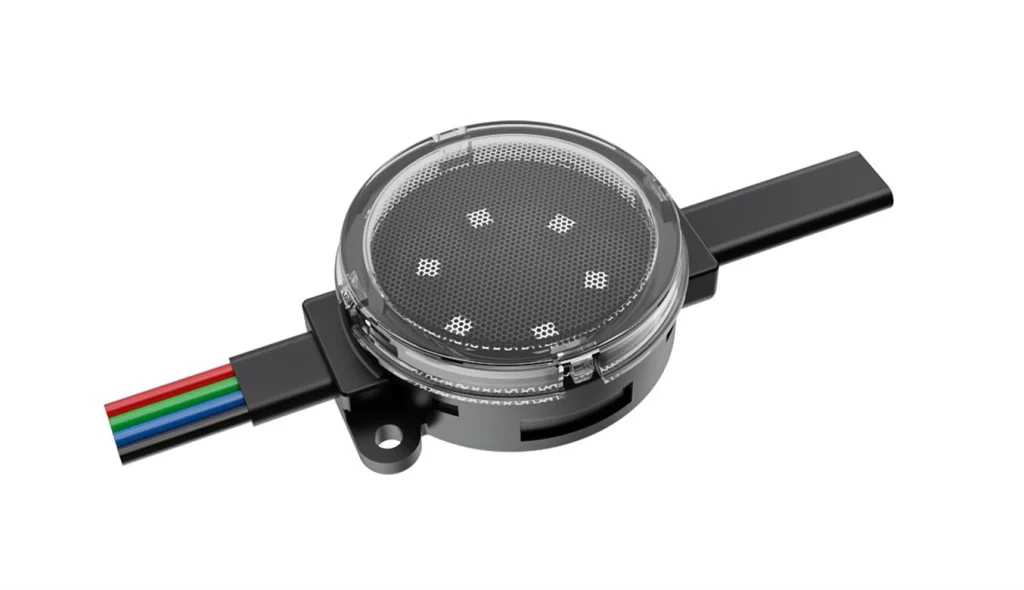
Patterns emerging from these sites underscore the growing role of programmable LED architectural lighting across major facilities. Venue teams look for equipment that extends beyond uniform field illumination to deliver controlled color shifts, timed patterns, and integration with other systems. On facades, smaller RGB fixtures prove effective for defining edges and building layered visuals. RGB LED point lights for facade applications match this evolution closely, delivering addressable pixels that support detailed animations and effects at the scale required for stadium-scale architecture.
Key Trends Shaping 2026 FIFA World Cup Stadium Lighting
Growth in Dynamic and Programmable Facade Applications
Facades shift from passive backgrounds to active components. Installations now favor programmable LED architectural lighting to orchestrate displays—color changes linked to scoring moments, branding elements, or timed sequences. Recent host venue examples show how color-enabled setups create visible spectacles from extended distances. The concept carries over to nearby zones, where fan zone dynamic lighting contributes to the overall tournament environment during extended match days.
Push Toward Energy Reduction and Environmental Responsibility
Tournament directives emphasize lower impact, and LED advancements meet that expectation head-on. Documented upgrades demonstrate cuts exceeding 40 percent in consumption, reinforcing sustainable LED for sports venues objectives. Efficient emitters combined with prolonged service intervals decrease long-term expenses and upkeep demands, particularly valuable in high-usage public structures.
Improved Engagement for Attendees and Media Coverage
Current standards go well beyond adequate field brightness. Responsive elements coordinate with arena programming, score displays, and sound reinforcement for unified impact. Enhanced vertical distribution supports superior video quality, while facade enhancements heighten visibility after dark and attract attention from surrounding districts.
Durability Demands in Exposed Positions
Mounting locations face constant exposure to precipitation, thermal cycles, and solar radiation. Effective sealing, resilient construction, and stable output through seasons remain critical for any facade-integrated solution.
The collective direction in 2026 FIFA World Cup stadium lighting generates demand for solutions that weigh visual capability, operational control, and resilience equally. Fixtures addressing these aspects find ready application in comparable event and architectural contexts.
How RGB LED Point Lights Support the Direction
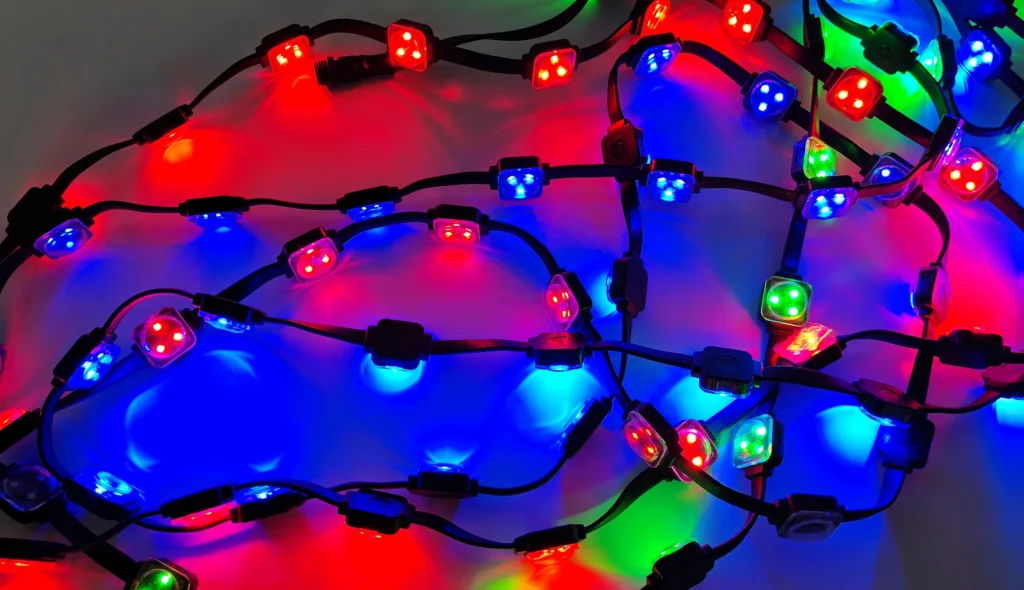
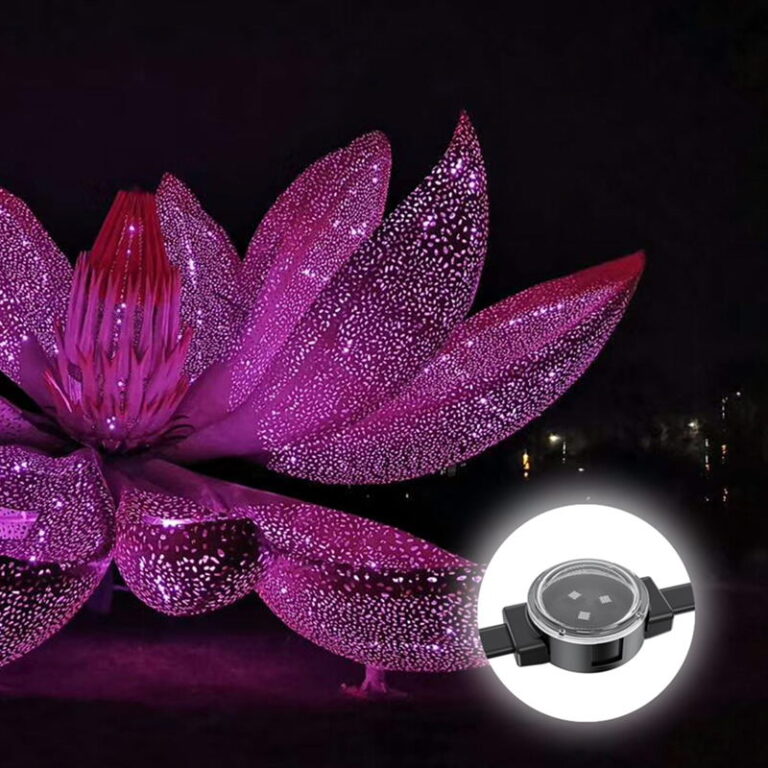
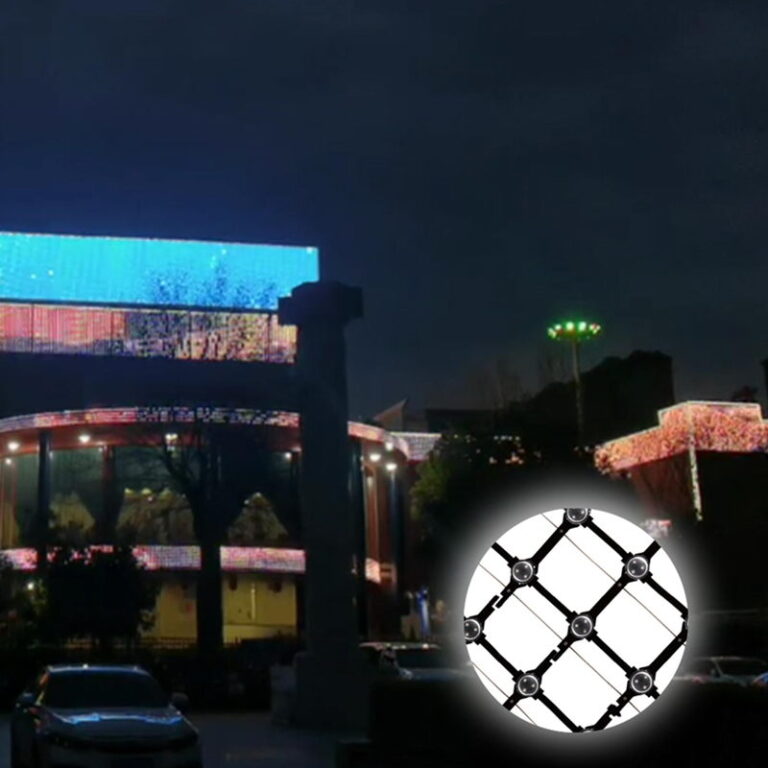
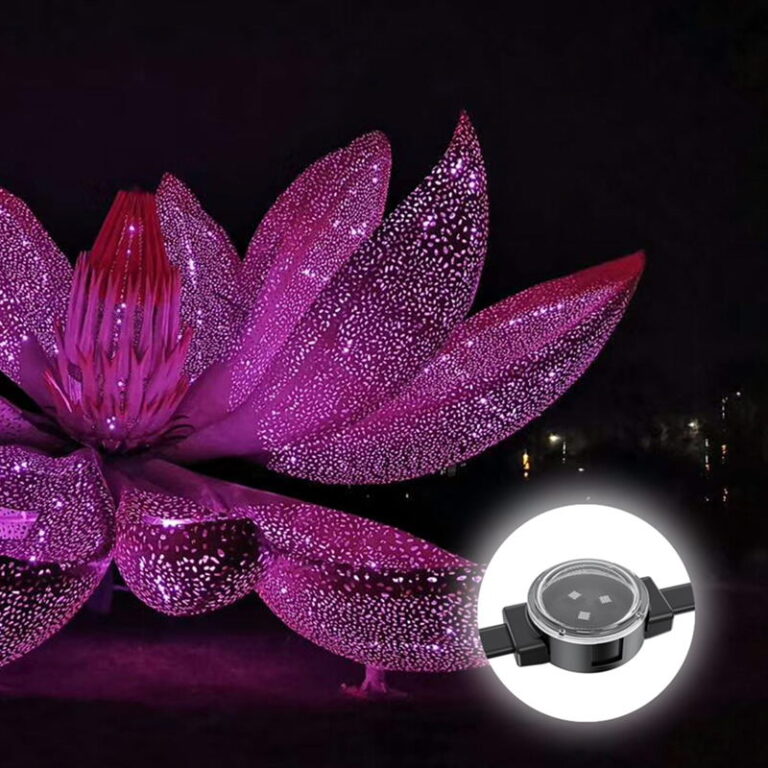
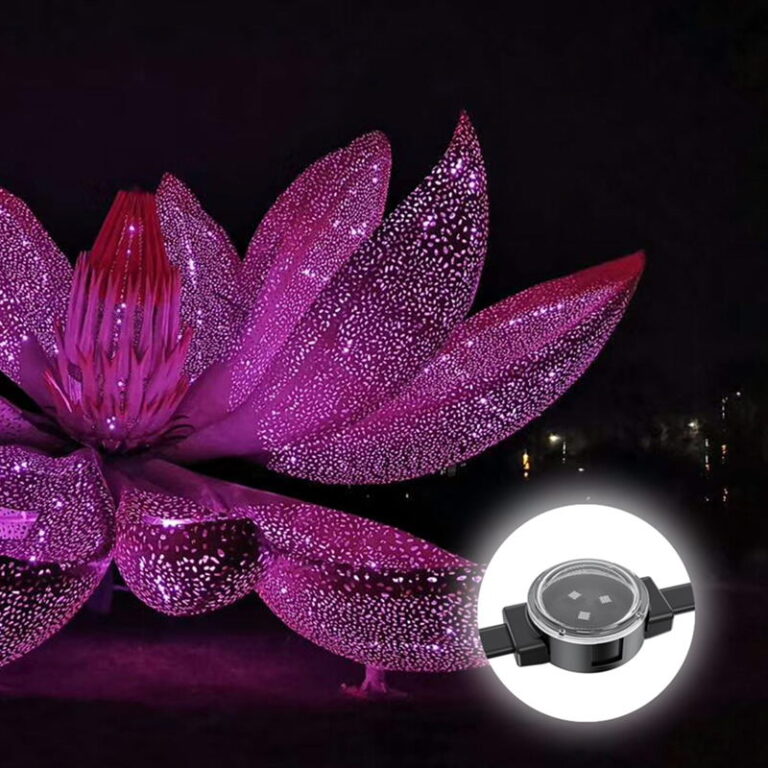
RGB LED point lights offer a direct response to many specifications surfacing from venue enhancements. Their reduced footprint and per-unit addressing facilitate precise facade detailing, from straightforward contours to elaborate motion sequences. Applied to exterior surfaces, they emphasize architectural lines and produce adaptive effects while preserving structural character.
Shenzhen XinHe Lighting Optoelectronics Co., Ltd offers products that correspond well to these criteria. The RGB LED point lights incorporate DMX512 interfacing for exact timing of color adjustments and event alignment. Such control suits programmable LED architectural lighting in broad installations. Brightness levels yield vivid, even RGB tones discernible over significant ranges, holding clarity amid varying ambient light.
Sealing stands as a primary attribute. IP67 classification protects against particulate intrusion and brief water contact, accommodating the exposure inherent in facade placements. This robustness mitigates failure risks across diverse weather patterns. Efficiency aligns with sustainable LED for sports venues targets—controlled consumption maintains brightness standards without excess draw.
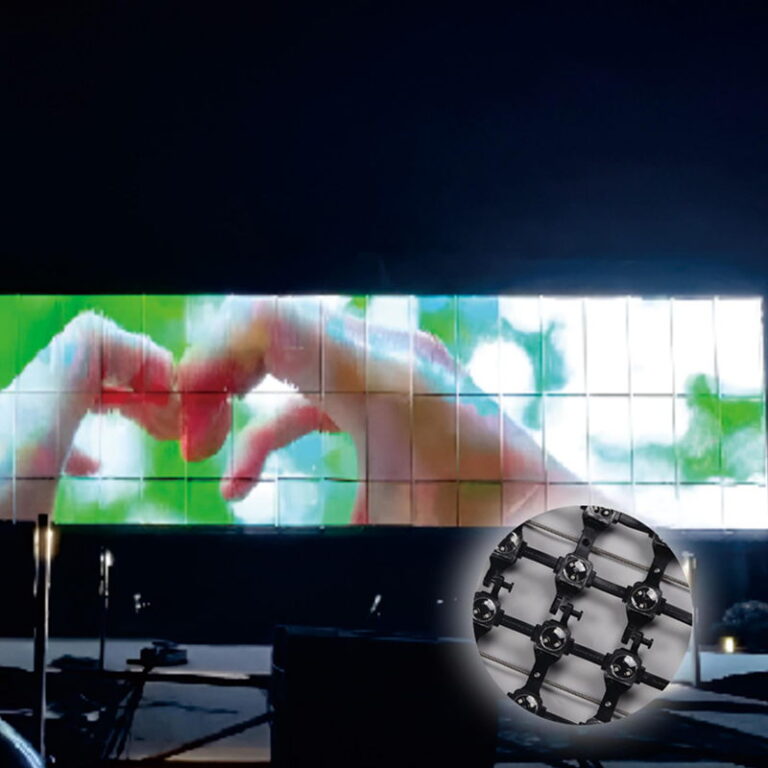
Mounting versatility enhances usability. Options include profile channels, cross-directional steel wire systems, or base fastening, fitting irregular or curved geometries. Addressable pixels enable pattern development, appropriate for media-oriented facade treatments or fan zone dynamic lighting configurations that interact with gatherings.
Field performance demonstrates these attributes across project types. Point lights delineate building profiles, execute responsive animations, and interface with control platforms for coordination with audio, video, or live inputs. In contexts informed by present venue progress, the blend of accuracy, luminous strength, and endurance yields dependable outcomes in both sheltered and open settings.
Additional considerations arise from ongoing industry observations. Many facade projects now integrate mixed-pitch configurations to balance resolution with viewing distance, allowing finer detail near ground level while maintaining impact higher up. RGB point lights adapt to such layering, providing scalable pixel density without uniform constraints. Longevity testing in accelerated weathering chambers confirms resistance to UV-induced degradation, supporting extended warranties common in commercial installations. Power supply options, including low-voltage DC feeds, reduce electrical hazards in wet environments, further suiting outdoor architectural use.
Integration with building management systems represents another layer of value. DMX compatibility extends to protocols like Art-Net or sACN, enabling centralized oversight alongside HVAC, security, and AV equipment. This connectivity proves useful in multi-purpose venues where lighting shifts between event modes and daily operations. Maintenance access also factors in—modular designs allow individual point replacement without disrupting adjacent units, minimizing downtime during peak seasons.
As venues continue refining their profiles ahead of major tournaments, RGB LED point lights emerge as a versatile tool for achieving balanced facade illumination. Their technical profile—combining programmability, robust output, and environmental tolerance—positions them effectively within evolving requirements.
Shenzhen XinHe Lighting Optoelectronics Co., Ltd: Specialist in LED Point Sources
Shenzhen XinHe Lighting Optoelectronics Co., Ltd commenced activities in 2004, concentrating exclusively on point light sources and grid screens supported by proprietary intellectual property. The organization delivers complete project support for extensive architectural landscape and advertising lighting endeavors, encompassing design conceptualization, budgetary planning, product provision, and installation oversight. The recognized “Bean” brand embodies sustained progress within the sector.
Significant advancements include the 2006 creation of an initial LED cold light exposed source, subsequently utilized for the 2008 Beijing Olympic emblems (“China Seal” and “Heaven and Earth Man”). Across more than two decades, XinHe solutions have supplanted numerous conventional neon equivalents, influencing refinements in point light fabrication techniques. Accreditations cover GB/T19001-2016/ISO9001:2015 quality management, GB/T24001-2016/ISO14001:2015 environmental protocols, and GB/T29490-2013 intellectual property governance. The “Bean” portfolio comprises over 80 independent patents, highlighting dedication to foundational innovation.
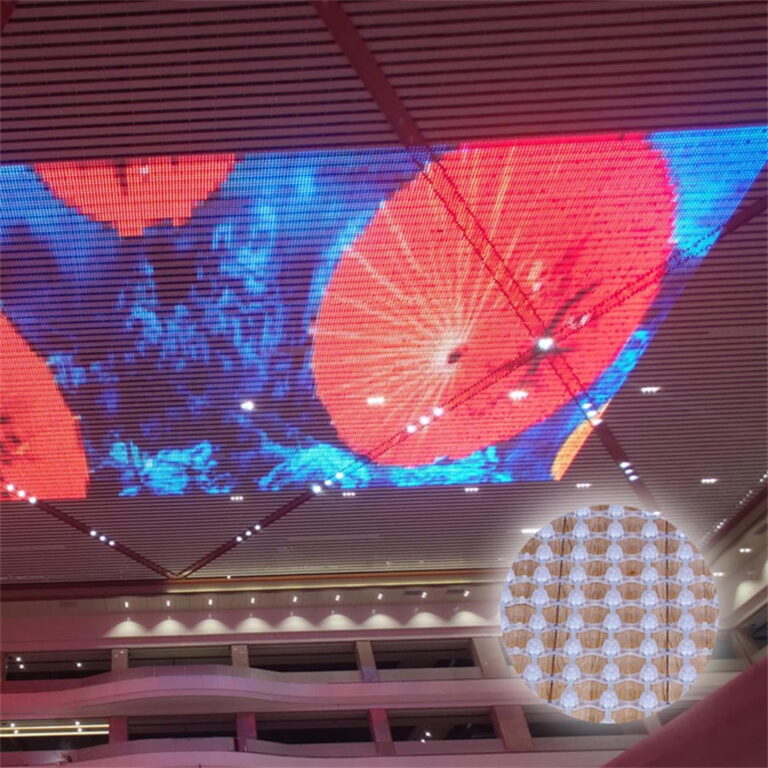
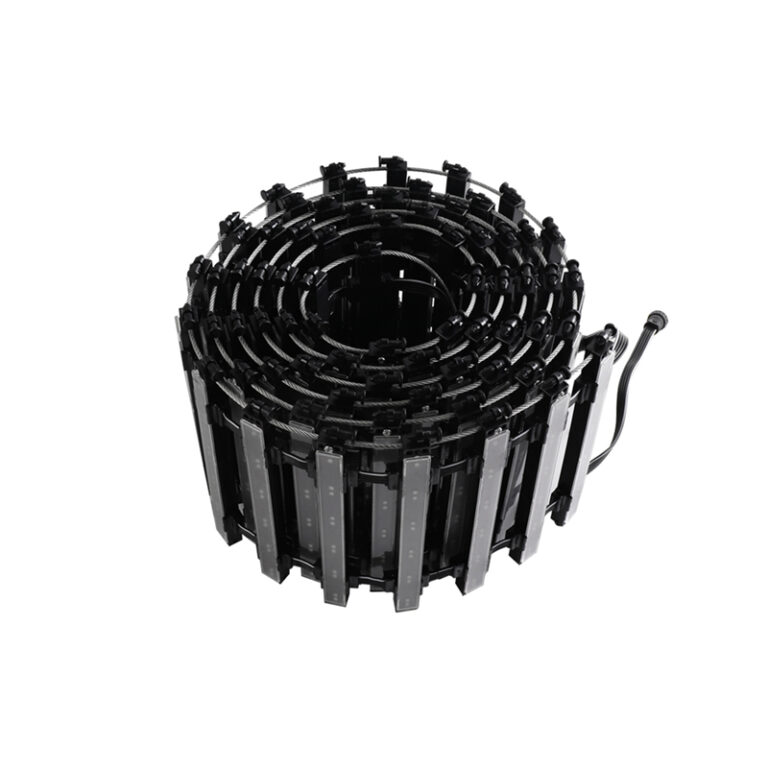
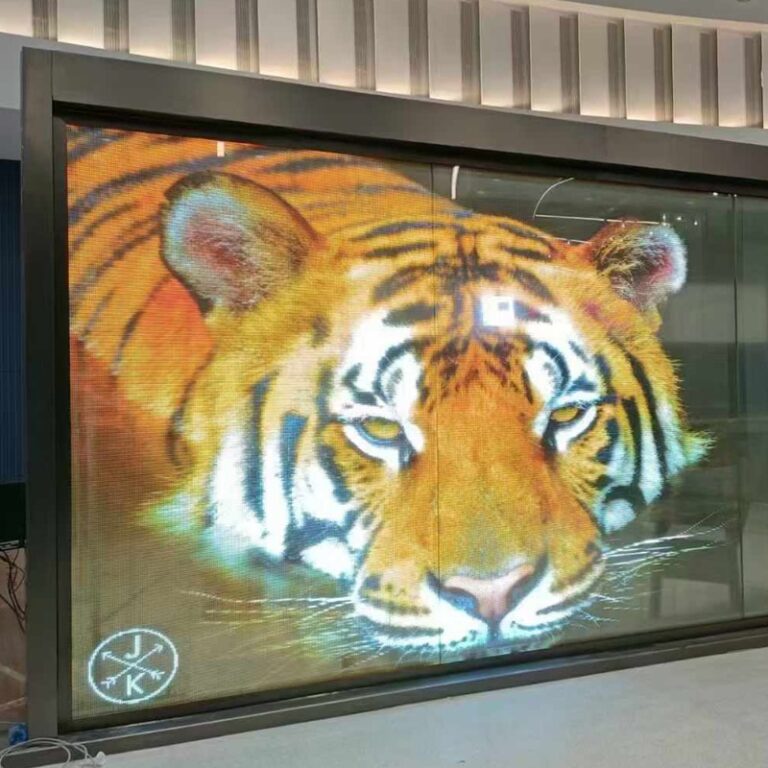
The 2024 introduction of crystal truss screens followed prolonged research efforts. Supported by contemporary manufacturing infrastructure and experienced personnel, XinHe sustains elevated criteria in durability, chromatic consistency, and energy metrics throughout its offerings.
Conclusion
Progress observed in 2026 FIFA World Cup stadium lighting indicates a trajectory toward cohesive systems that merge dynamic presentation, resource conservation, and dependable operation. RGB LED point lights, leveraging their programmable nature, potent RGB delivery, and protective engineering, furnish effective means for facade development consistent with these movements. Shenzhen XinHe Lighting Optoelectronics Co., Ltd supplies targeted proficiency in this arena, furnishing trustworthy products and thorough project backing.
Parties engaged in event-oriented or structural lighting endeavors may contact the organization to review customized implementations. XinHe stands prepared to assess the contribution of RGB LED point lights to dynamic facade illumination and related applications.
FAQs
What drives the major changes in 2026 FIFA World Cup stadium lighting?
Upgrades center on programmable configurations that facilitate color transitions, energy reductions frequently surpassing 40 percent, and heightened spectator participation through adaptive displays. Facade integrations commonly include LED components for aligned effects, echoing developments in programmable LED architectural lighting and sustainable LED for sports venues.
In what ways do RGB LED point lights help create dynamic facade effects?
They supply per-pixel management through DMX, intense RGB output for extended visibility, and IP67 protection for outdoor longevity. These properties render them suitable for contour definition and pattern formation in RGB LED point lights for facade scenarios shaped by venue advancements.
Why does energy efficiency matter so much for stadium lighting during major events like the 2026 World Cup?
Directives stress diminished environmental burden, and progressive LEDs realize considerable power economies while upholding essential luminance. This strategy trims operational expenditures and corresponds to sustainable LED for sports venues benchmarks evident in host venue enhancements.
What advantages do RGB LED point lights bring to fan zone setups?
Programmable attributes permit synchronization with activities, striking color selections capture interest, and solid construction manages external conditions. Adaptability fosters interactive settings in fan zone dynamic lighting across tournament proceedings.
How does IP67 protection benefit point lights in architectural facade projects?
It affords substantial safeguarding against dust and water contact, guaranteeing reliability in exposed locations under fluctuating circumstances. This steadfastness curtails service interruptions and sustains uniform performance in applications informed by 2026 FIFA World Cup stadium lighting trajectories.



 English
  Arabic
  Russian
  Spanish
  French