

The integration of LED point light sources into crystal truss screens has changed how visual depth and optical accuracy are reached in display systems. When placed carefully, each LED point works with the crystal matrix. This generates intricate light patterns that boost the sense of spatial layers and lifelike quality.
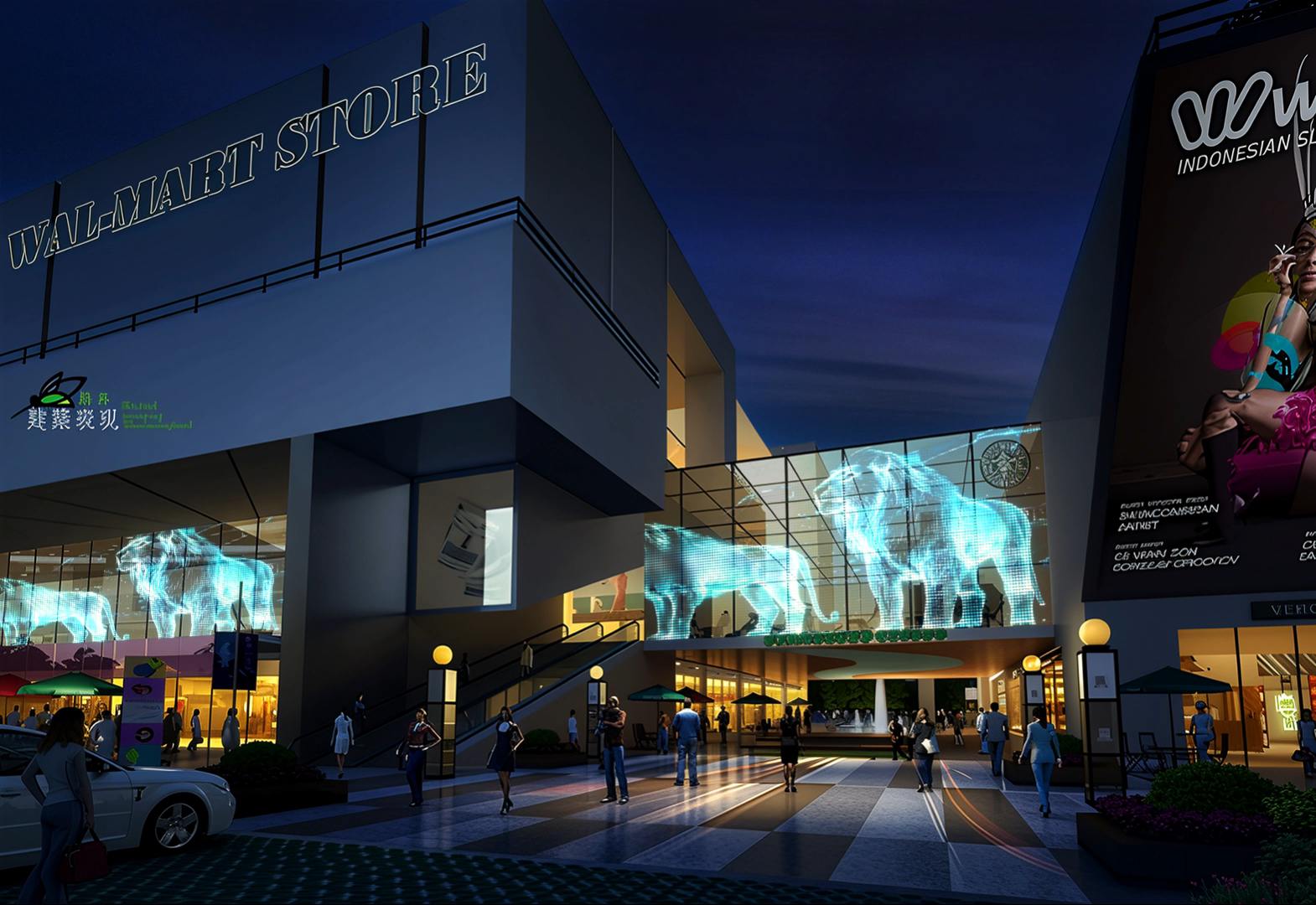
The Optical Interaction Between Light Points and Crystal Structures
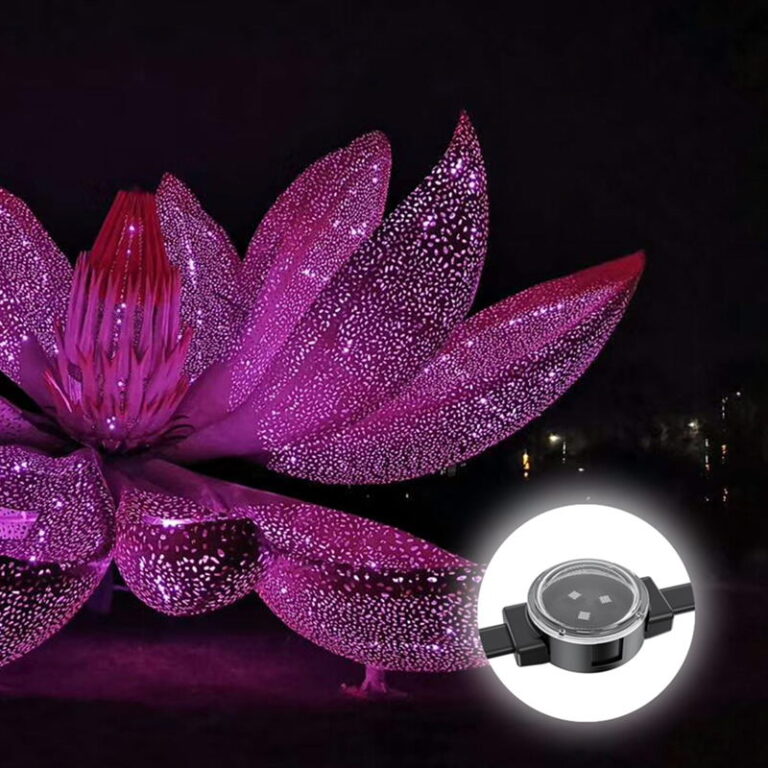
Each LED point sends out focused rays that bend through the tiny textured surface of the crystal layer. This creates sparkling reflections and bright fades. The mix of straight and scattered light forms a multi-layered visual area. It gives the sense of three dimensions on a flat surface. By adjusting ray directions and strength, creators can shape how space feels. They do this without changing the actual size of the screen. This is a key benefit for fitting into buildings and store window setups.
The Role of Pixel Density and Spatial Arrangement
A high number of pixels per area makes brightness shifts smoother. Gradients look steady instead of broken up. This evenness improves the real feel in digital pictures. It works well with see-through bases. Regular gaps between LED points keep brightness even across the whole display. Advanced mapping of pixels lets people mimic movement or layered see-through effects. These create engaging story visuals that change based on surroundings.
Why Are Crystal Truss Screens Becoming Central to Retail Window Displays?
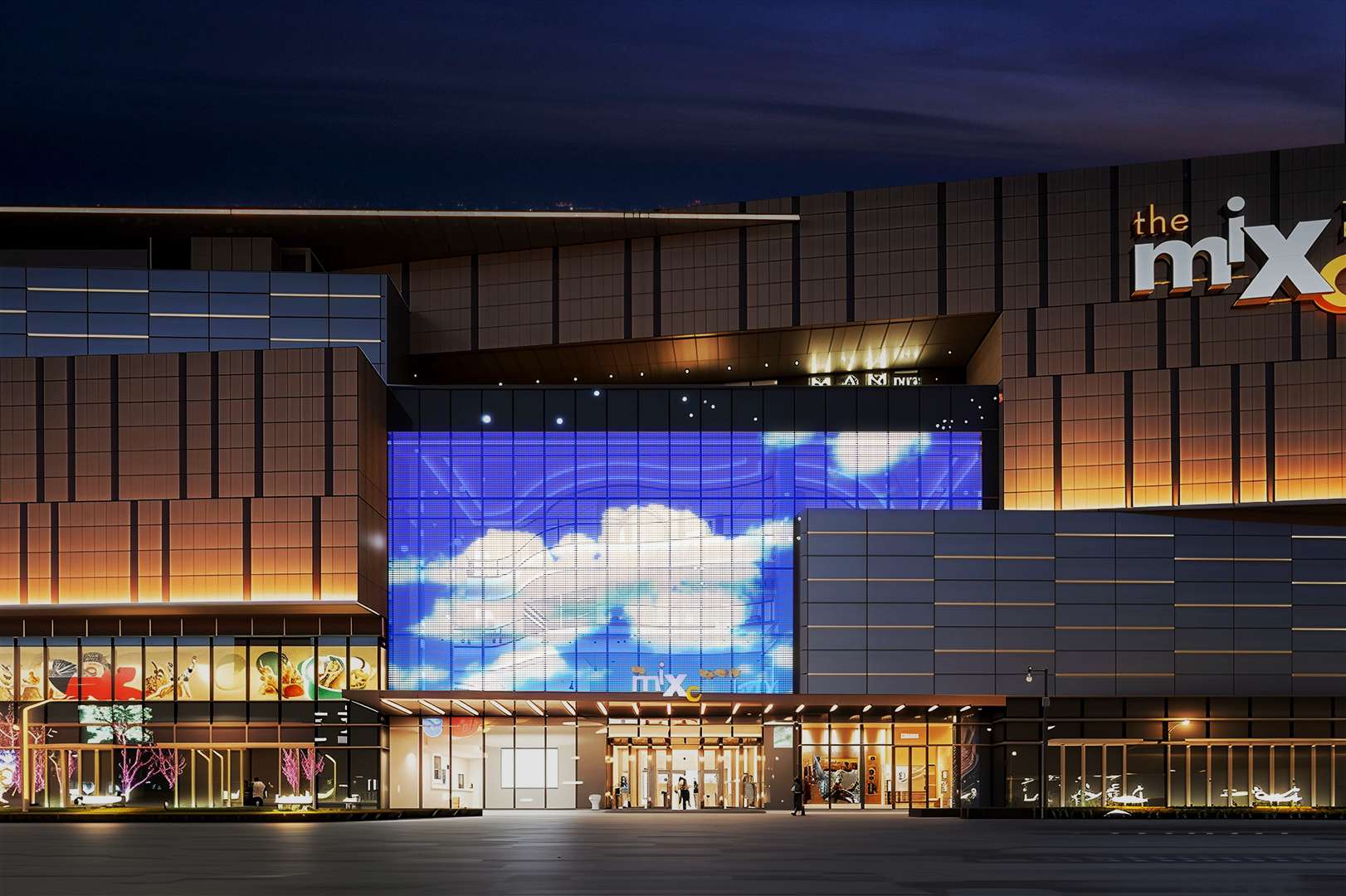
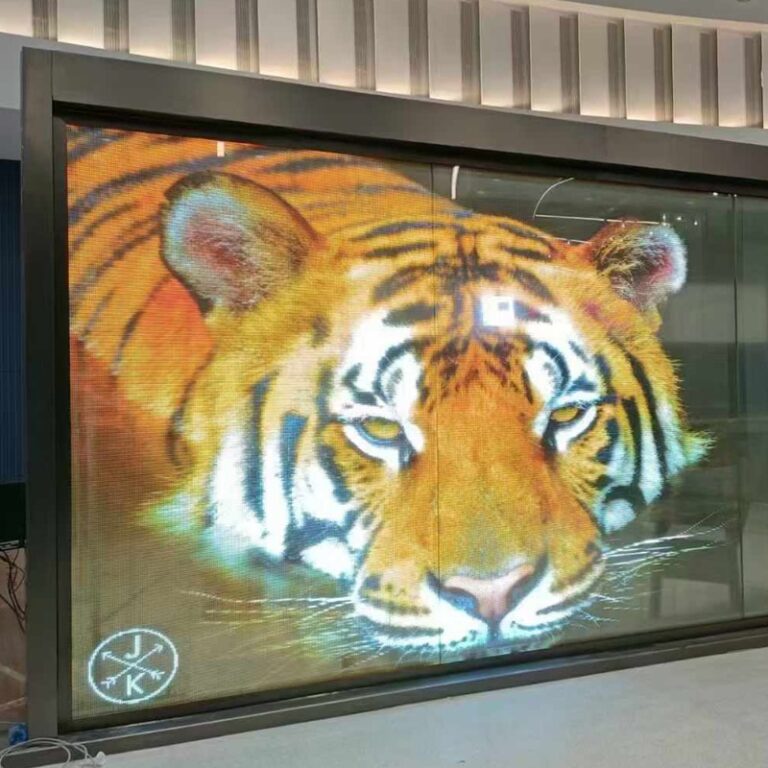
Crystal truss screens are reshaping current store designs. They blend strong see-through quality with bright LED light. This mixed setup lets brands show digital items while keeping sight of real goods behind the glass. It joins physical selling with online interaction.
Transparent Display Technology for Modern Retail Design
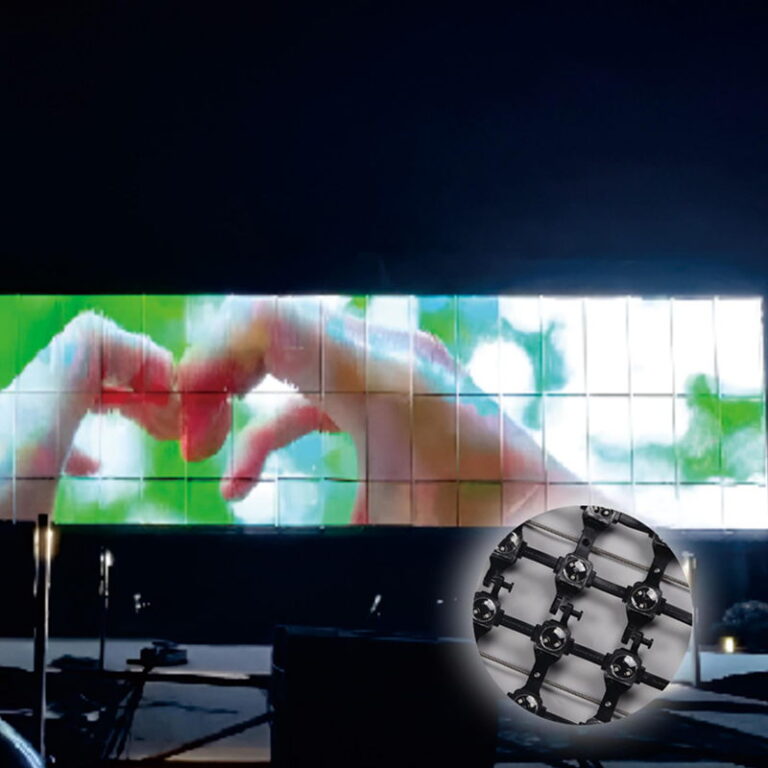
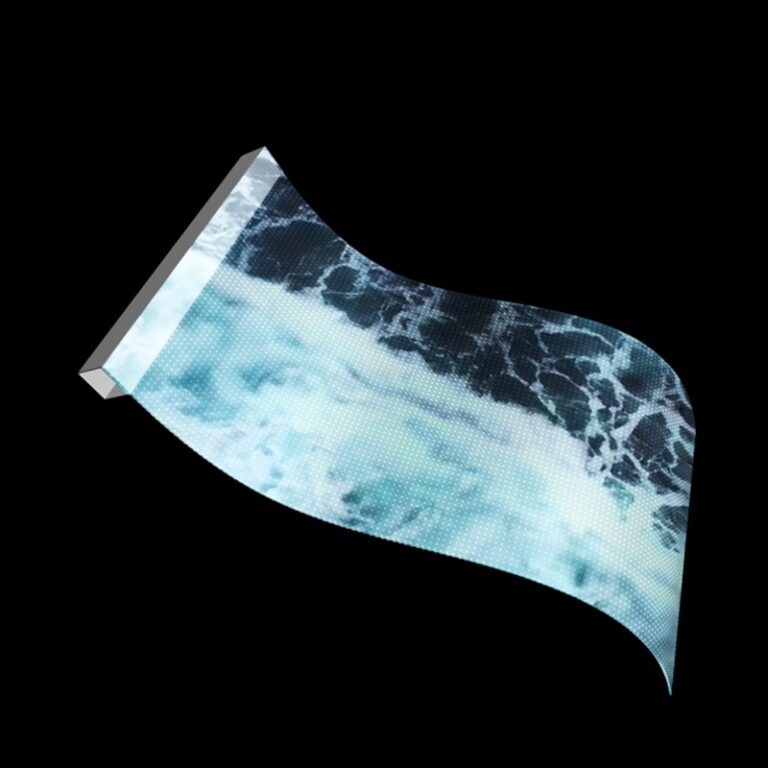
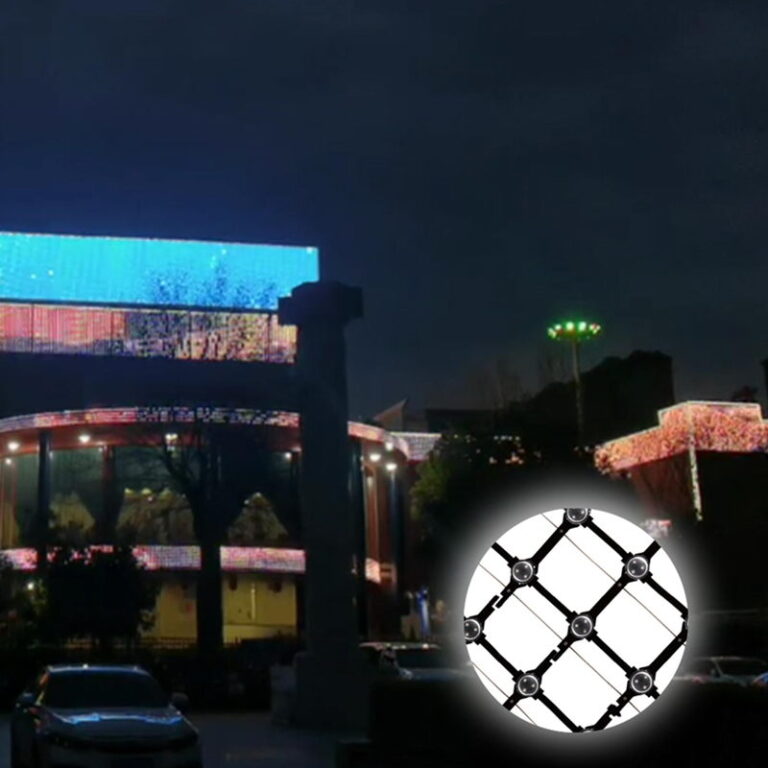
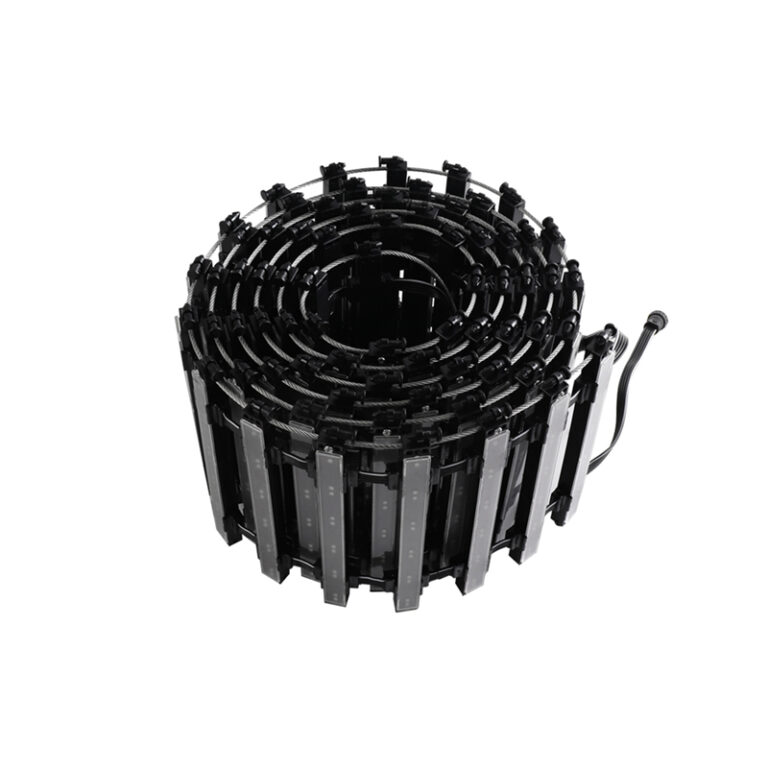
The Xinhe Optoelectronic crystal truss screen has four main traits: light, transparent, flexible and thin. It relies on flexible transparent film as the base for LED display modules. These modules have thicknesses below 2 mm. This allows simple setup without metal frames. Normal daylight flows through the build freely. It keeps an open space look while holding high brightness up to 6000 cd/m². Store owners get more options. They can place brand images right into building glass fronts or window dividers. This happens without blocking views of products.
Creating Immersive Customer Experiences Through Depth Perception
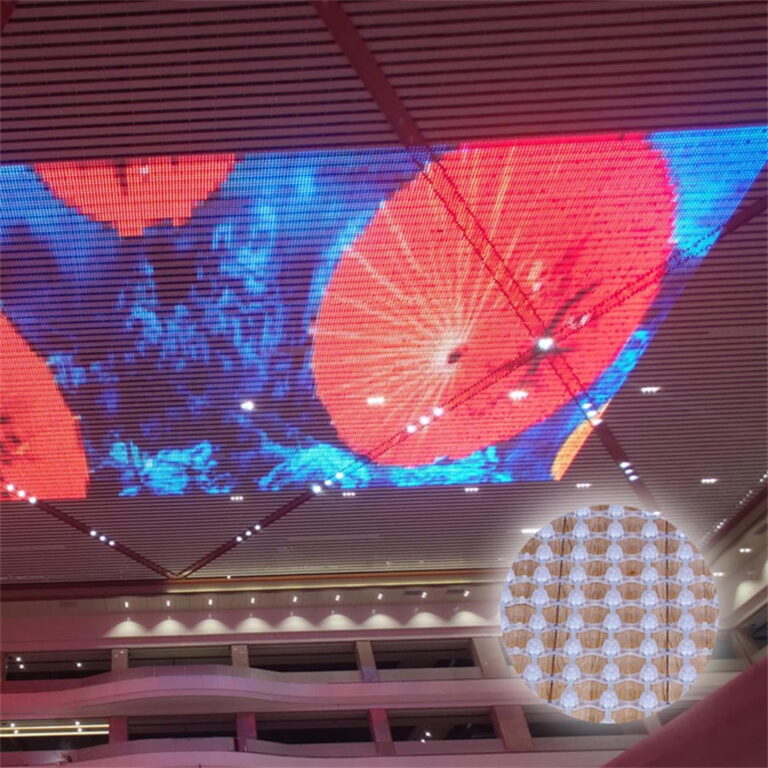
Layered images shown on crystal truss screens mimic full-volume scenes. These draw out longer focus from viewers. Managed brightness changes stop harsh light and ensure easy watching in different light settings. The depth effect from bent point lights boosts emotional ties. It pushes customers to connect more with the shown material. This is a vital part in high-end store plans.
What Technical Factors Determine the Performance of LED Point Light Sources?
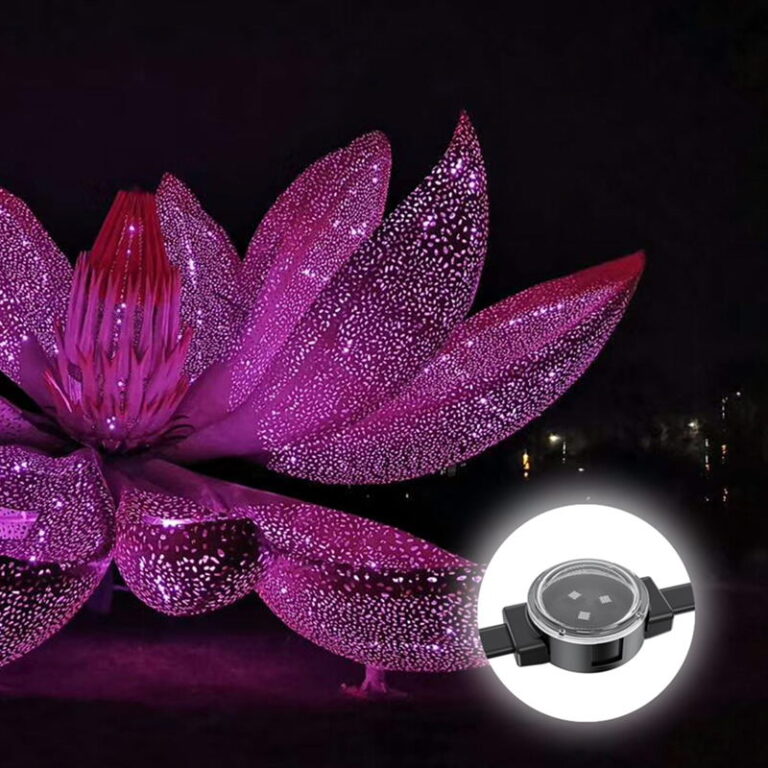
The work of LED point lights relies on several linked factors. These affect color truth, heat steadiness, and long-term use. In store settings with non-stop running, exact building matters a lot.
Key Parameters Affecting Illumination Quality
Color rendering index (CRI) shows how true colors look next to real light. This is crucial for clothing or gem displays that need exact shades. Luminous efficacy checks energy use against light output. It impacts both the sight effect and running costs. Adjustable ray spreads let creators fit light patterns to certain art or building goals.
Thermal Management and Longevity Considerations
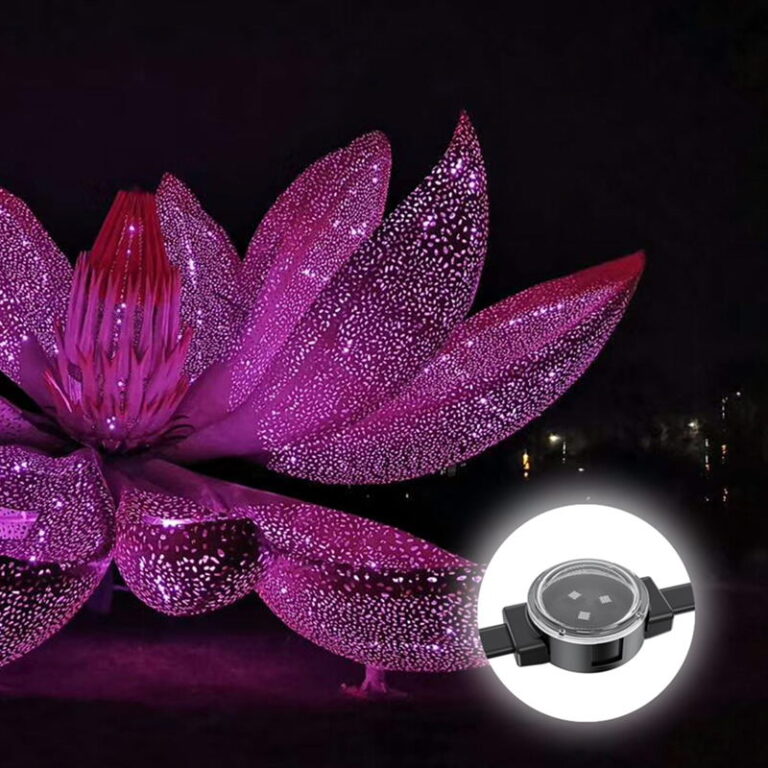
Our point light source products feature a complete sealed design. They include special smooth card slots. AB synthetic resin seals them, and waterproof male and female connectors handle the outgoing lines. This build gives safety up to IP67 levels. It also stops heat damage during long runs. Good air flow in truss setups keeps heat even. This holds steady light output over many use periods. Better materials like imported PC housings offer fire resistance (V-0 rating) and UV protection. These stop color fading after years in the open.
How Does Shenzhen XinHe Lighting Optoelectronics Co., Ltd Support Innovative Display Solutions?
Since 2004, Shenzhen XinHe Lighting Optoelectronics Co., Ltd has led in light tech advances. It stands as a top supplier of strong LED point light sources for building fronts and art media setups.
Shenzhen XinHe Lighting Optoelectronics Co., Ltd (hereinafter referred to as Xinhe Optoelectronic) focuses on research, development, and use of point light sources and grid screens. These have their own property rights. Their skills cover plan creation to on-site help for big building light projects around the world. The company’s “Bean” series products are famous for dependability and light accuracy. They appeared in key events like the Beijing Olympic Games’ “China Seal” emblem project.
Core Advantages Offered by XinHe Lighting Products
XinHe Lighting’s range covers adjustable pixel gaps, light temperatures, and control methods that match DMX512 systems. They earned GB/T24001-2016 idt ISO14001:2015 International Environmental System Certification. They also got GB/T9001-2016/iS9001:2015 International Quality System Certification. These show their focus on quality checks in making lines with auto SMT machines. These ensure right part placement. Their items show great lasting power through salt-spray tests, hit resistance at IK10, and average life over 30 000 hours. These traits are key for outdoor store fronts in changing weather.
How Can Designers Optimize LED Point Light Configurations for Enhanced Visual Impact?
To get the best space realness in crystal truss displays, people need to balance art goals with tech settings. Designers should think about factors like watch distance, nearby light levels, pixel gap evenness, and timing sync when setting up LED groups.
Strategies for Balancing Aesthetics and Functionality
Fade mapping helps even shifts between content levels. It avoids sudden brightness jumps that break the deep feel. Linking moving light patterns with outside triggers, like people walking or back music, builds better sense links between real area and digital story. Mixing fixed bright spots with action animations gives story options that fit season drives or event themes.
Integration Techniques for Seamless Architectural Alignment
Matching truss panel modules to current building shapes keeps build balance. It cuts setup trouble. Easy-to-use wire sets make upkeep simple without breaking sight flow over big glass areas. Live control programs can auto-tune brightness from sensor info on nearby lights. This boosts energy saving while keeping steady sight strength through day-night changes.
Conclusion
LED point light tech now plays a main role in updating see-through display setups. It mixes exact light building with user design ideas. Crystal truss screens use these small lights to make deep-image scenes. These blend digital stories with real building styles. With solid company handling and able team, we work closely with clients for shared gains in society, for customers, and for us. We aim to build the future of LED green light uses. Thanks to ongoing advances from reliable makers like Shenzhen XinHe Lighting Optoelectronics Co., Ltd, store owners can create deep settings where brand style grows in bright see-through ways.
FAQs
What makes LED point light sources suitable for transparent display systems?
Their small shape plus aimed light lets them fit into see-through bases smoothly. This avoids blocking views or cutting image sharpness.
How do crystal truss screens differ from traditional LED panels?
Unlike solid panels that hide backgrounds, crystal truss screens hold about 95% see-through quality. They show clear images. This lets people see both the content and real items behind it at the same time.
Can LED point lights be customized for specific retail environments?
Yes. Makers like Shenzhen XinHe Lighting offer custom setups. These include changeable light temperatures, pixel space options, and control matches (like DMX512). They ensure exact fits to varied building needs or brand wants.



 English
  Arabic
  Russian
  Spanish
  French