

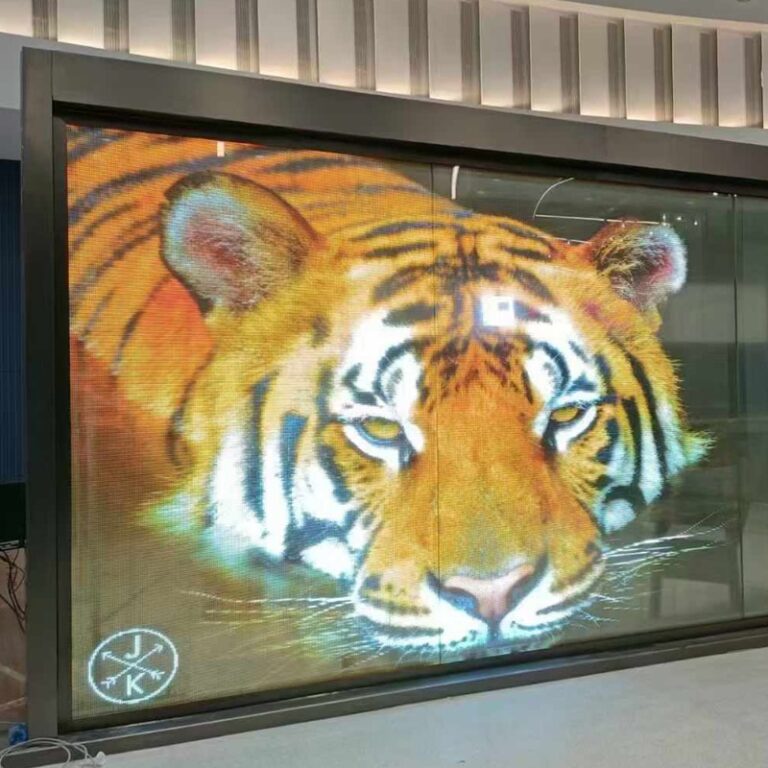
Stand across from a media facade at night and it’s easy to think you’re just looking at “a giant screen.” In reality, you’re looking at tens of thousands of tiny optical systems working in sync: LED chips, packaging, lenses, and control electronics. When those pieces are chosen well, the building looks like a smooth digital canvas. When they are not, you see banding, hot spots, broken colors, and wasted money.
For specifiers, integrators and owners, this is where Optical Science LED Pixel Lights, Chip Architecture, Visual Performance stops being a buzzword string and becomes a real design question. In this article we’ll walk through how chip architecture (SMD vs COB), beam angle, color consistency, and pixel pitch shape what people actually see on your facade, and how high-consistency LED pixel lights from Shenzhen XinHe Lighting Optoelectronics Co., Ltd support that visual quality in practice.
Understanding LED Pixel Lights as Optical Systems
From semiconductor chip to building-scale pixel
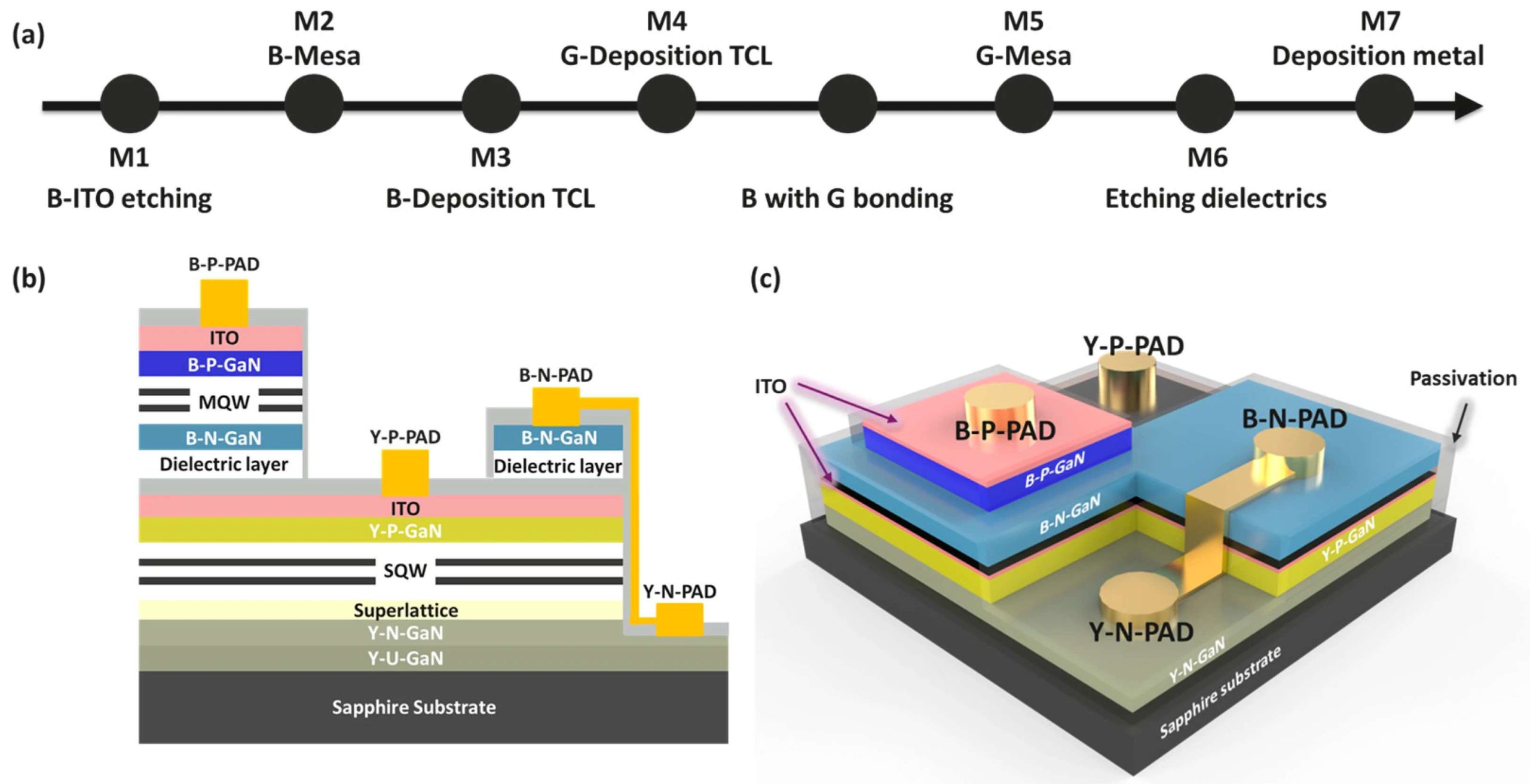
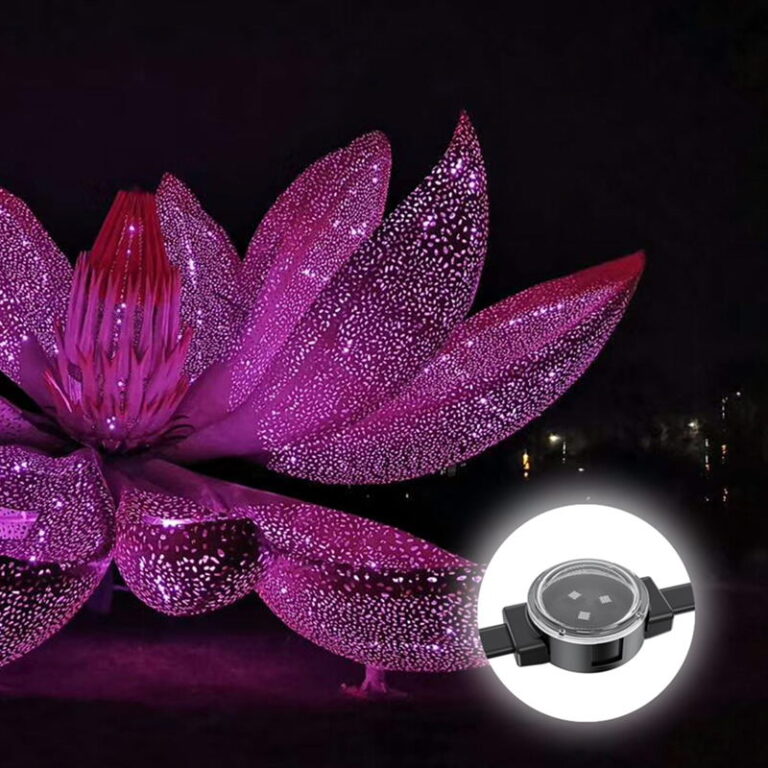
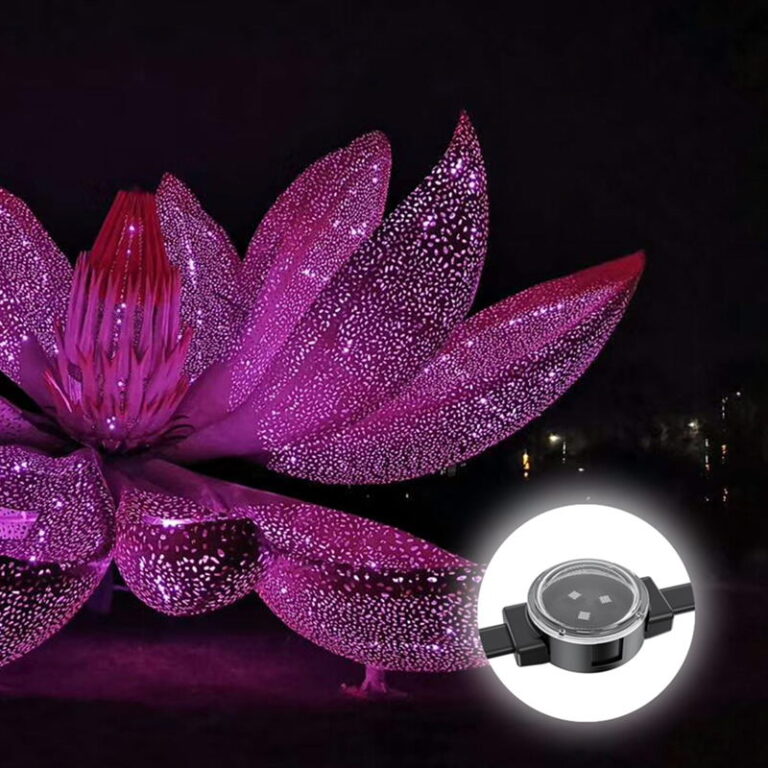
Every LED pixel light node is a small optical engine. At the core sits a semiconductor chip that converts electrical energy into light. Around that chip you have a package or encapsulation, phosphor, a small reflector cup or primary lens, and sometimes a secondary lens built into the housing. Together they determine:
how much light you get;
in which directions it is sent;
and how consistent the color appears between thousands of nodes.
In large facades, these microscopic decisions are scaled up across entire building skins. Because the human eye is extremely sensitive to color and brightness differences over large areas, small optical imperfections add up. Research on color vision and MacAdam ellipses shows that even relatively subtle chromaticity differences can become noticeable when repeated many times across a surface.
That is why serious facade projects talk about chip architecture and optical science, not just “RGB” and “lumens.”
Chip Architecture: SMD and COB in Real Media facades
How SMD packaging behaves on a facade
With SMD (Surface-Mounted Device) LED pixel lights, the red, green and blue chips sit in a small package soldered on the PCB. Inside each package you typically have a tiny reflector and a silicone or epoxy dome. For mid to large pixel pitches on building facades, SMD remains extremely common because it offers a mature supply chain, predictable performance and a reasonable price point at large scale.
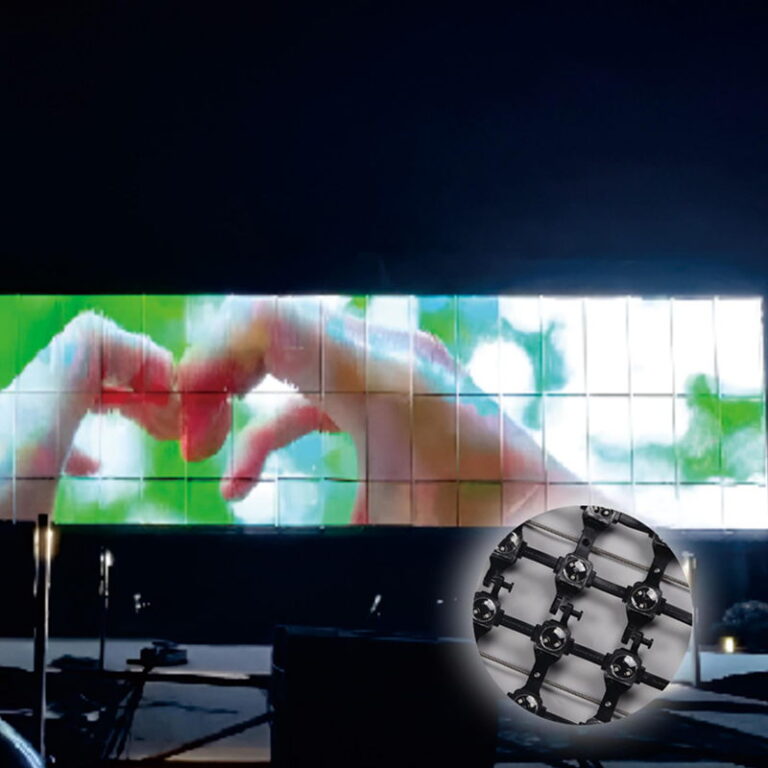
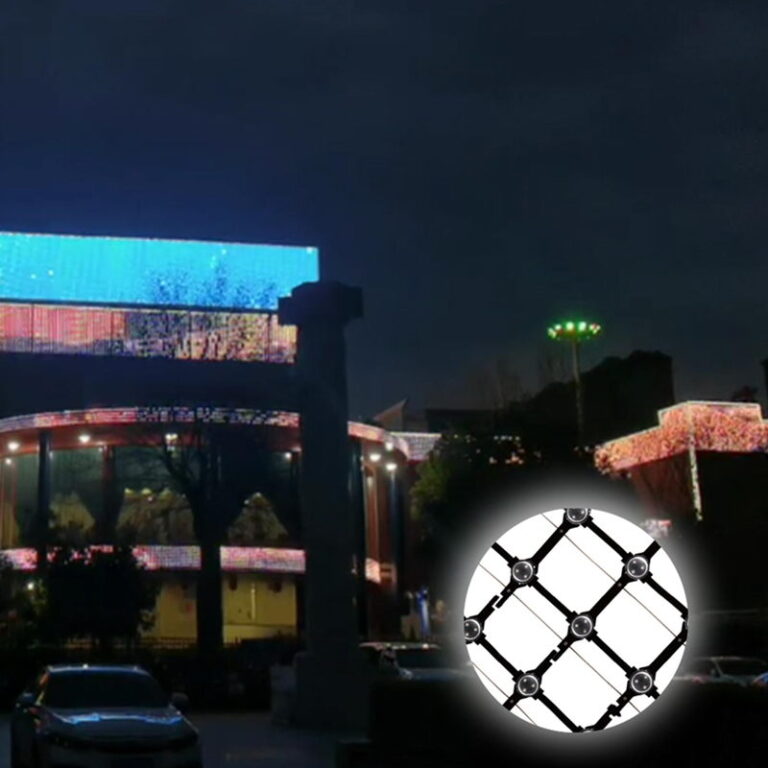
On a tower or bridge that is mostly viewed from 80, 150 or even 300 meters away, SMD nodes with pitches like 30–75 mm can blend into a surprisingly smooth image. At those distances, the physical gap between packages is no longer obvious, as long as the content is designed for that resolution and the nodes are installed with accurate spacing.
However, when you bring the audience closer—podium facades, city squares, transport hubs—the limitations of SMD packaging become easier to spot. The luminous surface is more discrete, off-axis viewing can feel harsher, and the “screen door” structure of individual dots may interfere with fine gradients or thin typography.
What COB brings to pixel density and visual comfort
COB (Chip-on-Board) takes a different approach. Instead of packaging each chip into a separate SMD, multiple bare chips are mounted directly on a substrate and encapsulated as a unified luminous surface. From an optical point of view, three things change immediately:
the emitting area becomes smoother;
viewing angles tend to widen;
and glare is easier to control with well-designed encapsulation.
Studies on integrated LED packages have repeatedly shown that this type of architecture can deliver more uniform luminance and better color mixing, particularly at close viewing distances or when higher pixel density is required.
Imagine a facade on a shopping mall where people stand just 10–20 meters away. With COB-based pixel lights, gradients and flesh tones in video content look continuous instead of speckled. A brand logo that uses subtle color transitions appears cleaner because each pixel behaves more like a tiny, soft light source rather than a point-like emitter.
Thermal paths, chip life and stability
Chip architecture also defines how heat leaves the system. If heat stays trapped, the LED junction temperature rises, and you see that over time as color drift and lumen depreciation. Long-term investigations into LED color stability in both lab and field conditions confirm that poor thermal design can cause noticeable shifts in chromaticity and brightness over several thousand hours.
COB assemblies often have more direct thermal paths from chip to substrate and then to the housing, while high-quality SMD designs use advanced die-attach and board materials to keep junction temperatures in check. For a media facade that runs six or more hours per night, year after year, these thermal choices are not just engineering details; they determine whether the facade looks “new” after five years or obviously aged.
XinHe’s engineering focus on point light sources and grid screens is built on this kind of packaging discipline: chip selection, encapsulation, and thermal routing are treated as part of visual performance, not just reliability. That directly benefits media facades where brand image and visual uniformity are part of the asset value.
Beam Angle and Luminous Distribution: Where the Light Actually Goes
Two projects can use the same LED chip type and still look completely different because of beam angle and distribution. Beam angle describes the spread of light from each pixel, typically measured between points where intensity falls to 50% of its peak.
On a tall tower that is mainly viewed from across a river, a narrower distribution can make the facade feel sharp and bright from far away. On a pedestrian street, that same narrow beam may look aggressive at the closest spots, with hot pixels and distracting glare. Wider distributions, often around 100–140 degrees, give softer, more forgiving visuals that are easier on the eyes of people walking close to the building, while still giving enough punch for mid-range viewing.
Horizontal and vertical distribution rarely need to be identical. Designers often want broad horizontal coverage so that people walking along the street can still read the content, combined with more controlled vertical spread to reduce light spill into interior spaces. By tuning the optical design of LED pixel lights—lens geometry, encapsulation shape, and internal reflectors—manufacturers can steer that beam to match the facade geometry and typical viewing positions.
For anyone responsible for the investment, this is where a quick site sketch pays off. Map where the audience actually stands, drives or lives relative to the facade, then match beam angle and luminous intensity to those realities instead of to a generic “wide beam” label on a datasheet.
Color Consistency: The Subtle Factor That Separates Clean from Patchy
When you first commission a new media facade, it’s tempting to focus on peak brightness and punchy color. Six months later, you start to notice something else: is the white really the same on every side of the building, and does the gradient in the brand animation look smooth or striped?
The science behind this feeling lives in MacAdam ellipses and SDCM (Standard Deviation of Color Matching). In simple terms, these concepts describe how much chromaticity variation a typical observer can see before saying “those two whites are different.”
LED researchers and module designers often target 2–3 step MacAdam ellipses for applications where uniformity matters. Technical papers on color-consistent modules show that tightening binning around this range dramatically reduces visible color differences across a surface.
For a media facade made of LED pixel lights, that translates directly to:
a building that looks like one coherent surface instead of many stitched-together zones;
brand colors that stay stable when you expand the system in a second phase;
and less time spent chasing “mystery color bands” during commissioning.
XinHe has grown up in exactly this kind of environment. The company has spent years specializing in point light sources and grid screens with independent intellectual property, and its product families for pixel lights are engineered for high consistency in both color and brightness. For integrators and lighting designers, that means fewer surprises when a project moves from sample to full-scale roll-out.
Pixel Pitch and Viewing Distance: Turning Optical Theory into Design Rules
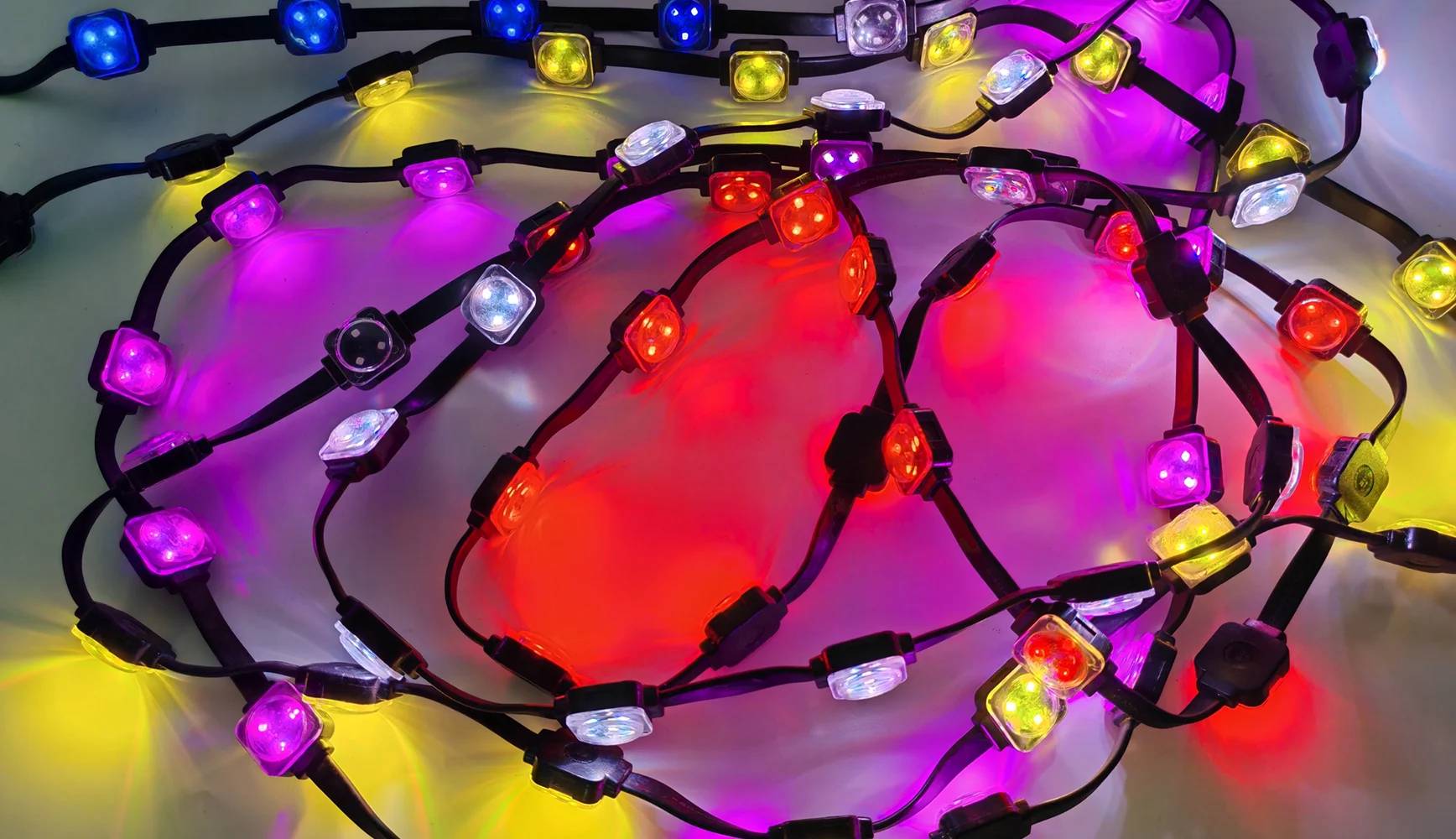
Pixel pitch is the center-to-center distance between adjacent pixels. It sets the maximum available resolution on a given facade and directly influences how close viewers can stand before they start to see individual points.
Independent technical briefs on direct-view LED consistently show the same pattern: smaller pitch yields higher pixel density, which supports shorter viewing distances and finer detail; larger pitch is more cost-effective over large areas but needs greater viewing distance for the image to blend.
A practical rule of thumb many designers use is to tie minimum comfortable viewing distance to pitch. For example, when your facade uses a pitch in the 20–30 mm range, viewers will typically need to be at least 20–30 meters away for video content to feel smooth. For long-range landmark effects, pitches of 50 mm and above can still look impressive, especially at night, as long as the content is designed for bold graphics rather than small text.
This is where Optical Science LED Pixel Lights, Chip Architecture, Visual Performance intersect in a very concrete way. Pixel pitch decisions drive how many nodes you need, which affects wiring, power distribution, control channels and structure. Chip architecture and optics then decide whether that pixel matrix produces a refined, comfortable image or a noisy, overly harsh one. When these are balanced correctly, the facade can carry both branding and storytelling without needing an overspec’d resolution that never gets used.
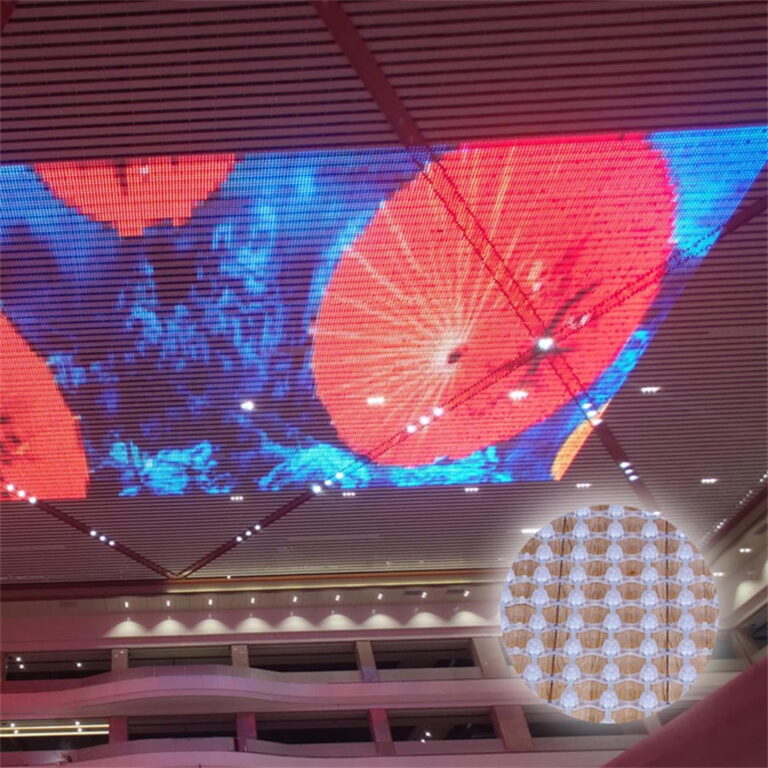
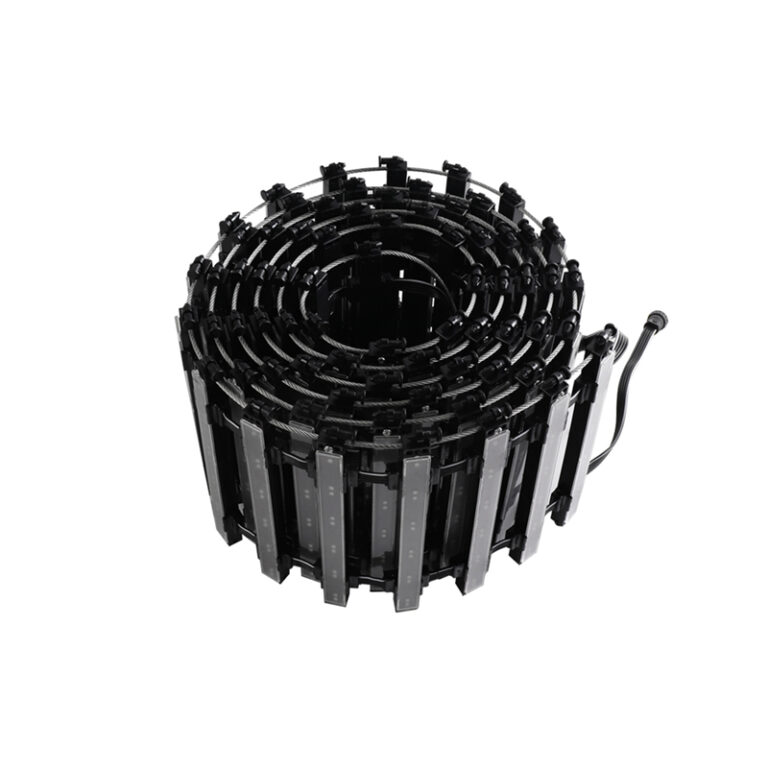
XinHe’s catalog of LED point lights and mesh systems covers a range of pitches and installation methods, which allows project teams to pick a configuration that fits both the viewing geometry and the structural conditions of glass curtain walls, louvers, or open steel frameworks.
Shenzhen XinHe Lighting Optoelectronics Co., Ltd: Focused on Point Light Sources and Grid Screens
Shenzhen XinHe Lighting Optoelectronics Co., Ltd was established in 2004 in Shenzhen and has grown with a clear specialty: research, development and application of LED point light sources and grid screens with independent intellectual property. Rather than trying to cover every segment of the LED industry, XinHe has concentrated on media facades, architectural landscapes and advertising lighting.
XinHe not only manufactures LED pixel lights and related luminaires, but also provides scheme design, engineering budgeting, product supply and on-site guidance for large-scale architectural and advertising projects. That combination is important for anyone responsible for a complex facade, because it means optical choices like SMD vs COB, beam angle, color binning and pixel pitch are made in the context of real projects, not just in a lab.
The company has built up a set of brands and series under this umbrella, along with international certifications and quality systems that support exports and long-term deployments. Its engineering teams are used to dealing with exposed media facades, curved structures, and retrofits where the pixel lights must integrate with existing glass or metal systems while delivering high color uniformity and physical robustness, from UV resistance to mechanical impact strength.
In short, XinHe positions itself not just as a component supplier, but as a partner for project teams that care about the optical science behind their facades and want high-consistency مصادر ضوء LED النقطية across the entire lifecycle of a building.
خاتمة
If you strip a media facade down to its essentials, it is a grid of pixels on a building. But if you look at it through the lens of optical science, it is a collection of choices about chip architecture, beam shaping, color consistency and pixel pitch that either work together or fight each other.
Choose SMD or COB without thinking about viewing distance, and you may end up with a facade that looks grainy up close or underwhelming from far away. Ignore beam angle, and pedestrians will complain about glare while distant viewers see a washed-out image. Overlook color binning and MacAdam steps, and six months after opening you may be staring at a patchwork of slightly different whites. Misjudge pixel pitch, and you either overspend on resolution nobody can see, or underspec and get a jagged, low-detail canvas.
When these parameters are treated as one integrated design problem—Optical Science LED Pixel Lights, Chip Architecture, Visual Performance as a single concept—you get facades that feel natural to look at, easy to control, and credible as long-term brand platforms. Shenzhen XinHe Lighting Optoelectronics Co., Ltd builds its LED pixel light and grid-screen portfolio around these same ideas: high-consistency chips, carefully engineered optics and project-level support that ties component specs back to real streets, plazas and skylines.
FAQs
How does chip architecture influence what my audience actually sees on the facade?
Chip architecture decides how light is generated, mixed and emitted at each pixel. SMD packages group RGB chips inside a small housing with its own optics, which is very effective for mid to large pixel pitches and long viewing distances because each node delivers a strong, well-defined light spot. COB architectures bring multiple bare chips onto one substrate and create a more continuous emitting surface, which improves color mixing and viewing comfort at short to medium distances. When you connect these choices back to real audience positions, you directly influence visual performance: sharpness, smoothness of gradients, and how forgiving the facade is when people walk right underneath it.
What role does beam angle play in Optical Science LED Pixel Lights, Chip Architecture, Visual Performance?
Beam angle is the bridge between chip architecture and how the facade behaves in the city. A narrow, punchy beam may be perfect for a high tower that people see from a riverbank, but uncomfortable for a low-rise retail facade where viewers stand ten meters away. Wider angles with well-designed distribution give you smoother luminance on glass and metal surfaces and a more relaxed viewing experience. When you plan a project, think in simple terms: where do people stand, drive or live relative to the surface, and what beam shape keeps the facade bright enough without turning every pixel into a tiny spotlight in someone’s eyes?
Why is color consistency such a big issue for brand-heavy media facades?
Brand-heavy facades often run the same key colors day after day—corporate blues, reds, or specific gradients. If color consistency is loose, viewers will start to see bands or patches where the same “white” or brand color looks slightly different from zone to zone. MacAdam ellipse and SDCM research make it clear that the eye is more sensitive than many people expect when a color shift repeats across large areas. High-consistency LED pixel lights, built around tight binning and stable chip architecture, keep those shifts small enough that the facade still reads as one coherent surface years after commissioning, even if modules are replaced or the project is expanded.
How should I think about pixel pitch and viewing distance when planning a new facade?
The easiest way is to start from the street instead of from the datasheet. Walk the site and mark the closest points where people will regularly view the facade—plaza edges, sidewalks, nearby windows. Then use pixel pitch guidelines from independent LED research as a sanity check: smaller pitch for shorter distances, larger pitch for long-range landmark effects. At 20–30 meters, a pitch in that same range will usually feel comfortable for bold video and graphics; if you want people ten meters away to read fine text, you need much tighter spacing or multi-chip pixel nodes. Once pitch is fixed, you can work back into load calculations, structure and content design.
What makes a supplier like Shenzhen XinHe Lighting Optoelectronics Co., Ltd a good fit for demanding media facades?
For demanding media facades, you want more than just a catalog of LED pixel lights. You want a partner that understands point light sources and grid screens as a complete system: optical science, mechanical design, power, control and installation. XinHe has been focused on this niche since 2004, concentrating on point light sources and mesh-type solutions with its own intellectual property and project experience in architectural and advertising lighting. That background means its high-consistency LED pixel lights are designed with color stability, optical performance and practical installation in mind, which is exactly what you need when your facade is supposed to carry




 Arabic
  English
  Russian
  Spanish
  French