

LED pixel dot lights represent a go-to choice for projects demanding individual control and durable outdoor performance, from building outlines to dynamic signage. These compact, addressable units—also called LED pixel dots, LED dot pixel lights, or programmable pixel nodes—combine high-brightness LEDs with onboard ICs in sealed housings, enabling precise color changes and patterns across arrays. As 2026 brings tighter efficiency standards and more complex facade designs, buyers face a wider range of options that can lead to costly mismatches if key details get overlooked. Voltage drop in long runs, waterproof failures under heavy rain, or protocol clashes with existing controllers top the list of frequent headaches in procurement.
This guide lays out the essential factors to weigh during sourcing. It draws from field experience in architectural and landscape installations, where the right specs cut maintenance and deliver consistent results over years. Focus stays on practical considerations that help procurement teams and installers avoid rework while matching fixtures to real project demands.
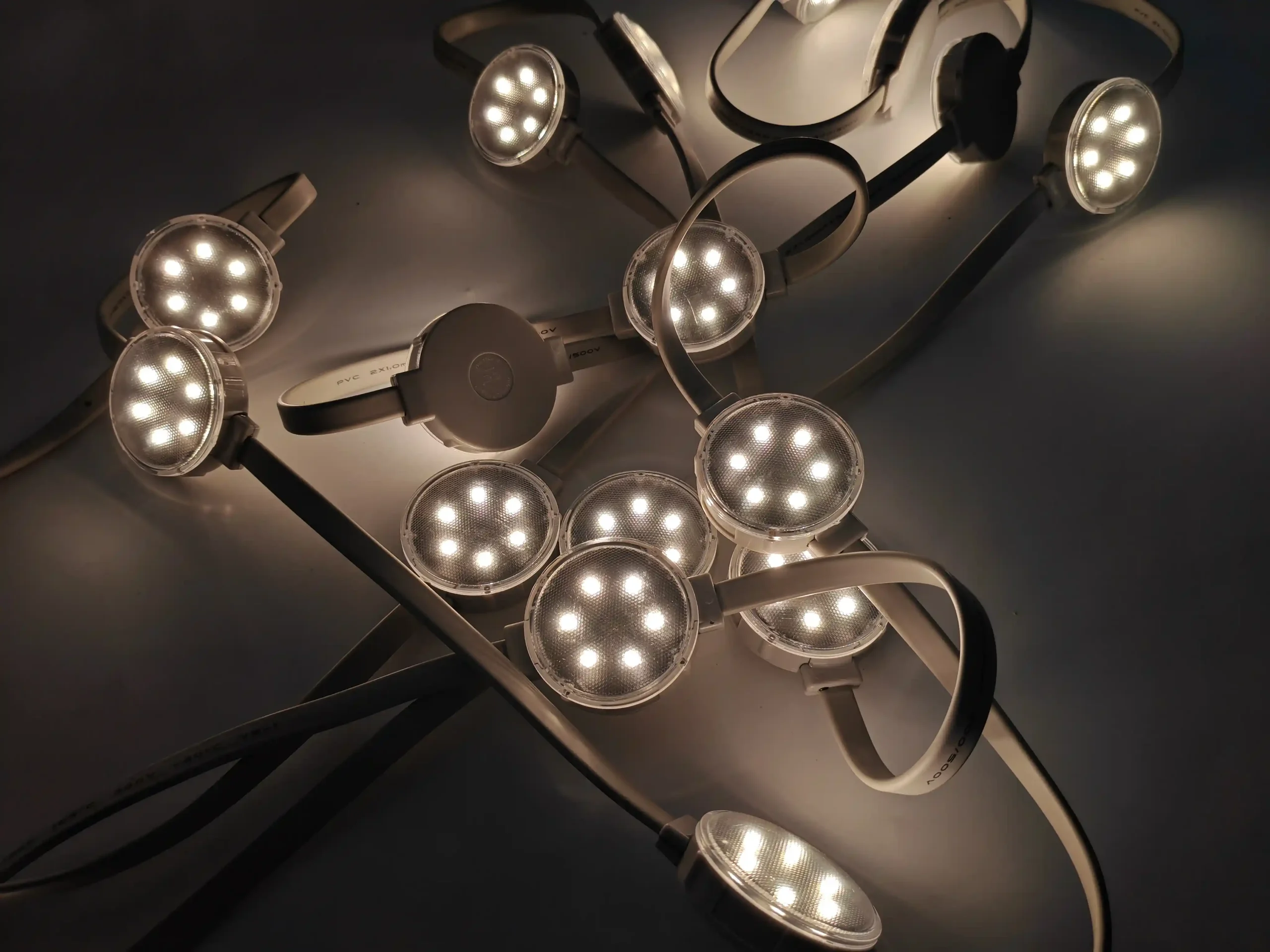
Understanding LED Pixel Dot Lights – Quick Basics Before Purchase
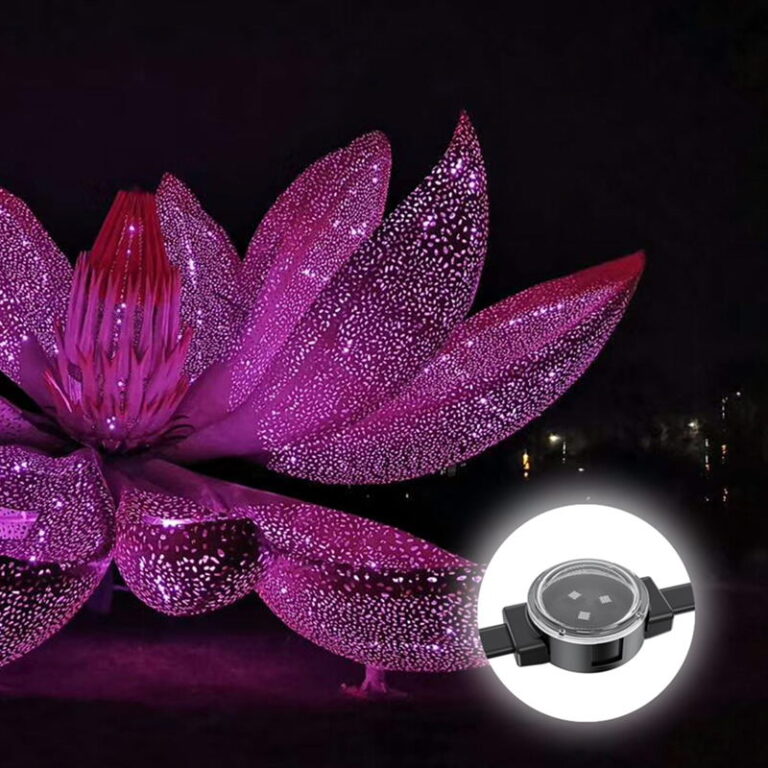
LED pixel dot lights operate as standalone emitters with built-in addressing, typically using SMD chips controlled via digital signals. Each unit processes commands independently, mixing RGB or RGBW channels for millions of hues or clean whites. Unlike continuous strips that limit flexibility or floods that lack granularity, these dots mount in custom patterns—strings, grids, or irregular shapes—for targeted effects.
Basic operation centers on low-voltage DC supplies, most often 5V, 12V, or 24V. Protocols like WS2811, UCS1903 for SPI-based chains, or DMX512 for pro-grade sync handle the heavy lifting. Lifespans push past 50,000 hours in standard conditions, with beam spreads of 120° to 180° providing even coverage without sharp edges. In coastal or high-humidity sites, poor sealing once caused frequent dead spots; better-rated units now prevent that through improved potting and connector designs.
Must-Know Specifications to Check Before Buying
Voltage selection shapes the entire system layout. DC24V handles longer strings with minimal drop—often 50 meters or more—making it the default for large facades. DC5V suits short, dense arrays but requires more frequent power injection. Always confirm the rating matches controller output to avoid mismatches.
IP protection stands out as non-negotiable for exterior work. IP67 blocks dust and handles temporary immersion, sufficient for most building perimeters. IP68 steps up for submersion-prone areas like bridge undersides or fountain edges. Look for silicone-sealed lenses and robust cable glands; weak points there lead to ingress over time.
Control protocol compatibility determines effect quality. WS2811 and UCS1903 work well for cost-effective programmable runs, while DMX512 integrates with architectural consoles for precise timing. Check gray scale levels—higher 16-bit options yield smoother fades in 2026-grade setups.
Power draw and brightness tie directly to visibility. Low-end dots at 0.3W to 1W fit subtle accents; 3W+ models throw farther for tall structures. Beam angle affects spread—wider for uniform washes, narrower for punch. Materials matter too: aluminum bases dissipate heat better than plastic in hot climates, and UV-resistant PC covers resist yellowing.
| مواصفة | Common Options | Best For | Notes to Watch |
|---|---|---|---|
| Voltage | DC5V, DC12V, DC24V | DC24V for long runs | Drop increases with length/lower V |
| IP Rating | IP67, IP68 | IP68 in wet/exposed areas | Verify test reports |
| Control Protocol | WS2811/UCS1903, DMX512 | DMX for pro sync | Confirm controller match |
| Power per Dot | 0.3–1W low, 3W+ high | Higher for distance | Balance with total load |
| Beam Angle | 120°–180° | 120° for even coverage | Narrower focuses intensity |
| Housing Material | Aluminum base + PC cover | Aluminum for heat/UV resistance | Check anti-UV claims |
These parameters form the backbone of reliable performance. Skipping one often cascades into field issues.
Common Pitfalls and Mistakes to Avoid When Buying LED Pixel Dot Lights
Water ingress remains the top failure mode in outdoor deployments. Cheap potting or thin gaskets crack under thermal cycling, letting moisture reach the board and cause shorts. Field reports show units with uncertified IP claims failing within 18 months in rainy regions; opt for suppliers providing immersion test data.
Voltage drop creeps in on extended chains, dimming distant dots or causing color shifts. A 100-meter run on DC5V without boosters once forced a full rewire mid-project. DC24V with strategic injection points cuts that risk significantly.
Color inconsistency plagues batches without tight binning. One facade saw noticeable hue drift across panels because tolerances were loose. Request sample sets and verify CRI or bin specs upfront.
Overlooking heat buildup shortens life in high-output models. Poor dissipation in enclosed mounts pushes junctions beyond limits, dropping output by 30% in a couple years. Aluminum-backed designs handle this better in direct sun.
Protocol mismatches waste time during commissioning. A DMX setup paired with SPI-only dots required emergency adapters. Always test compatibility with the full control chain before bulk order.
Low upfront cost often hides inferior ICs or thin wiring that fails early. Experience from signage jobs shows these shortcuts lead to 20–40% replacement rates in the first season.
Advantages That Make LED Pixel Dot Lights Worth the Investment
These fixtures deliver energy savings of 70% to 80% over neon equivalents, with far longer service intervals. A bridge outline swap cut annual power bills while eliminating bulb changes that once closed lanes. Programmability opens doors to seasonal updates or event-specific animations without hardware swaps.
No UV emission protects nearby surfaces from fading, and directionality reduces light trespass in urban settings. Durability in vibration-heavy spots—like amusement rides—outlasts fragile alternatives. In one landscape project, pixel dots held color accuracy through daily weather swings where older systems drifted.
Top Applications – Match Your Project Needs
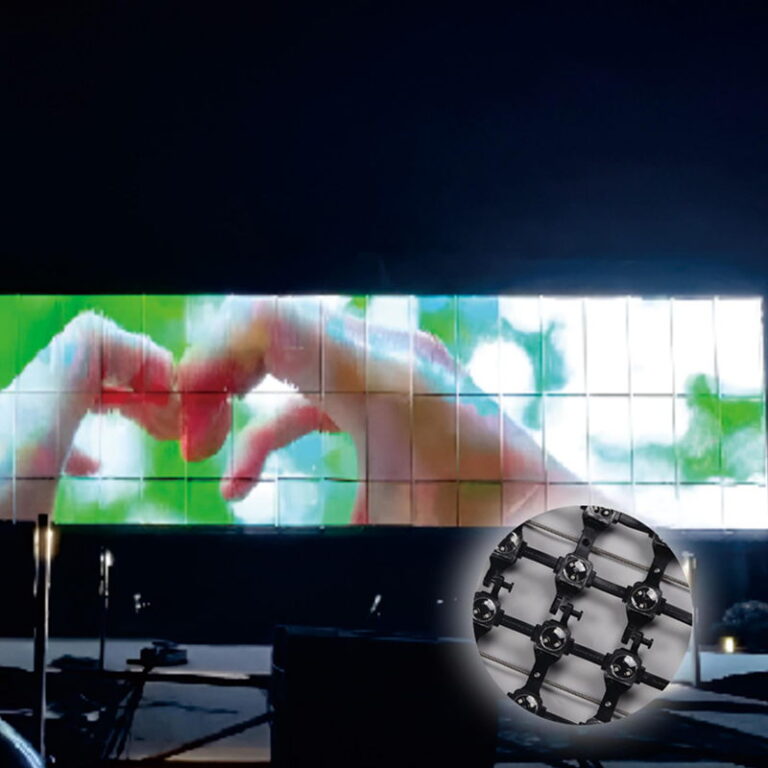
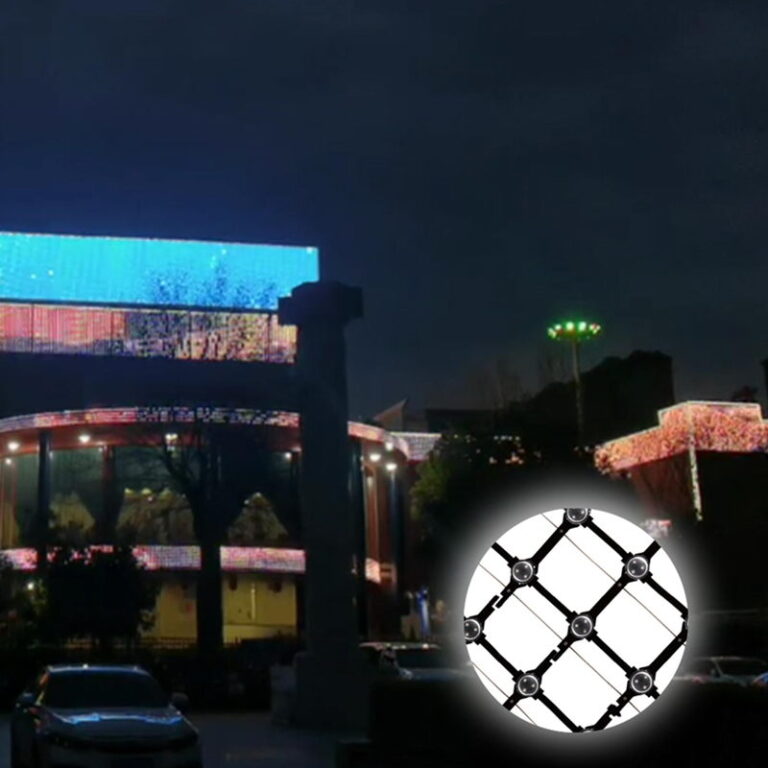
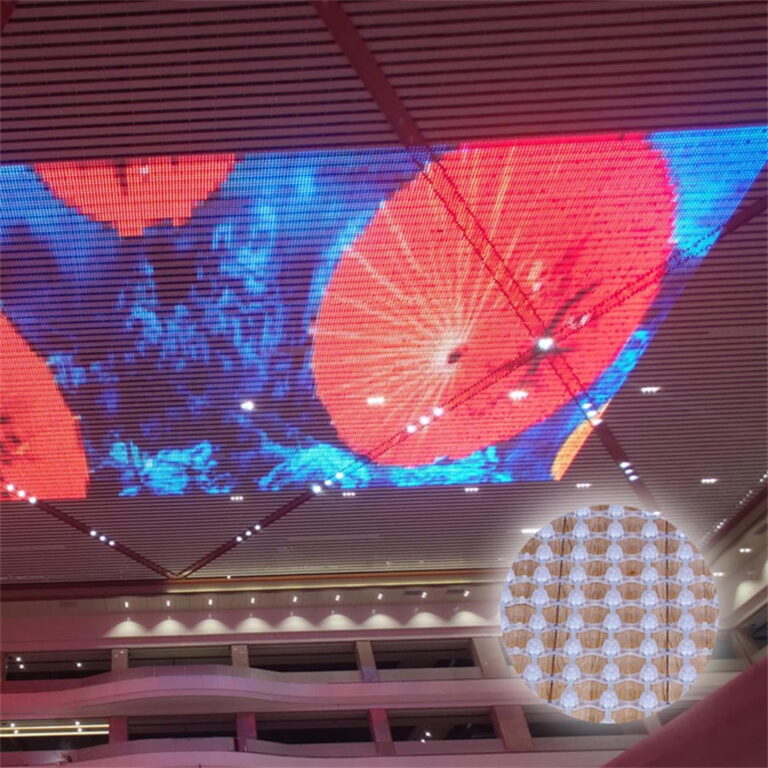
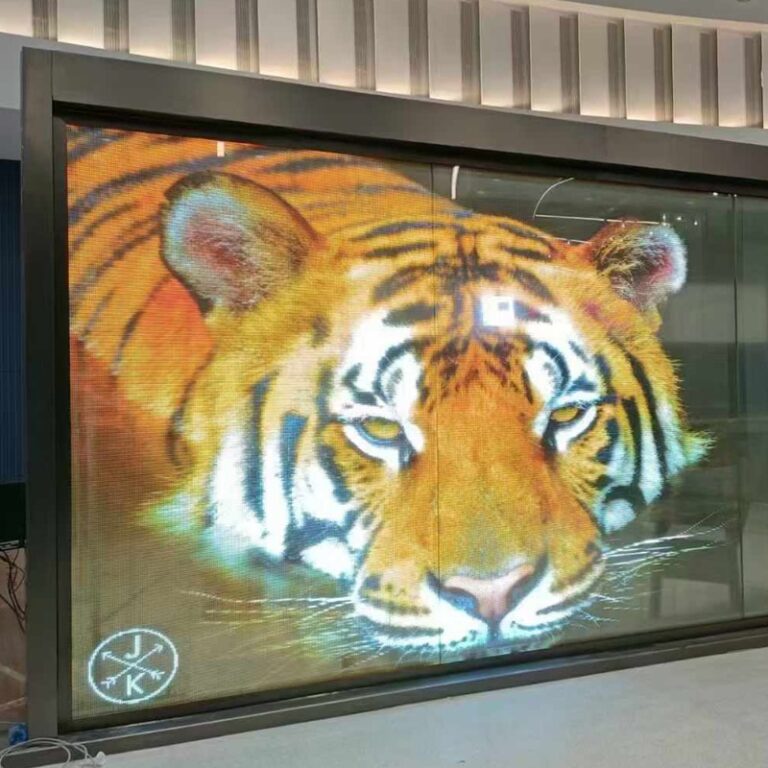
Facade and media walls use dense arrays for outlines and low-res content. RGBW dots create clean whites alongside vibrant shifts, suiting modern glass curtain walls. A mid-rise retrofit achieved subtle gradients at dusk with minimal spillover.
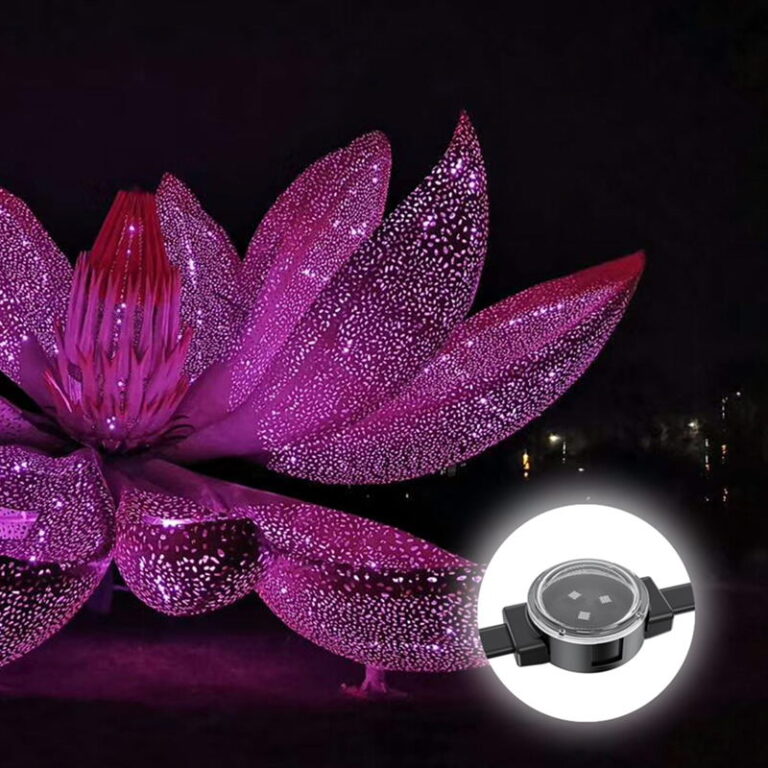
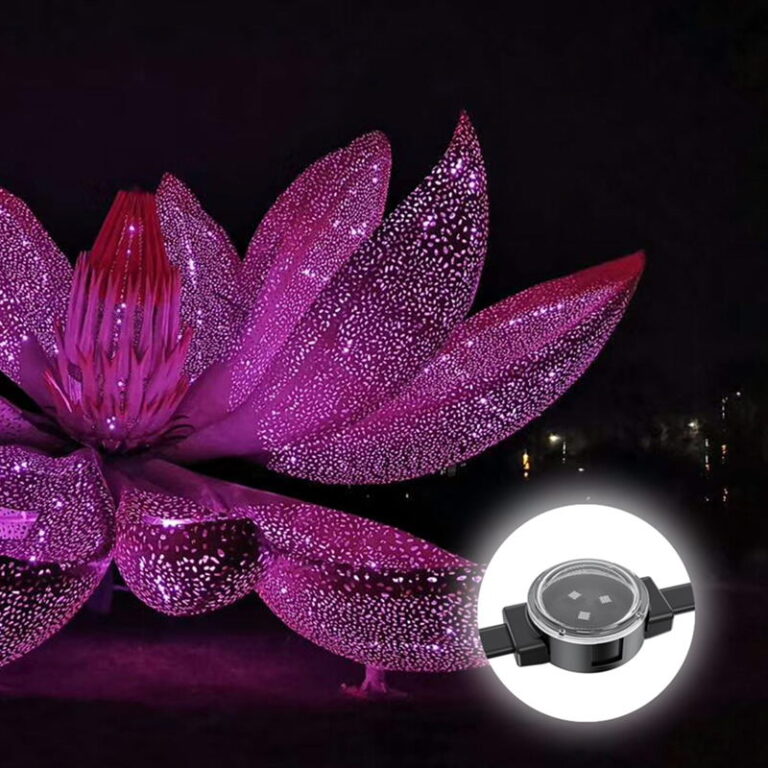
Landscape features and bridges benefit from flexible strings tracing contours. IP68 units highlight water elements or paths with directed beams that limit glare. Urban park installations integrated them into railings for safety boosts without overwhelming scenery.
Signage in retail or advertising employs them for animated channel letters and perforated panels. RGB modules draw eyes from distance in competitive zones.
Entertainment venues rely on them for immersive trails or accents. Tough builds withstand crowds and elements through heavy seasons.
Permanent holiday setups allow reprogramming for different themes, extending value beyond temporary events.
Step-by-Step Buying Guide – How to Choose the Right LED Pixel Dot Lights
Start with project scope: indoor or exposed? Static or animated? Budget constraints often favor DC24V for efficiency.
List requirements next. Prioritize IP rating for location, protocol for control system, and power for visibility needs. Build a checklist covering voltage, beam angle, materials, and warranty.
Evaluate suppliers through certifications—ISO quality, CE compliance, RoHS—and production details like reflow soldering or waterproof cycling tests. Request samples for uniformity checks.
Test small batches on-site. Verify color matching, signal stability over distance, and mounting ease. Adjust based on results before scaling.
Finalize with lifecycle math: upfront cost against reduced energy and maintenance. Durable options pay back faster in demanding environments.
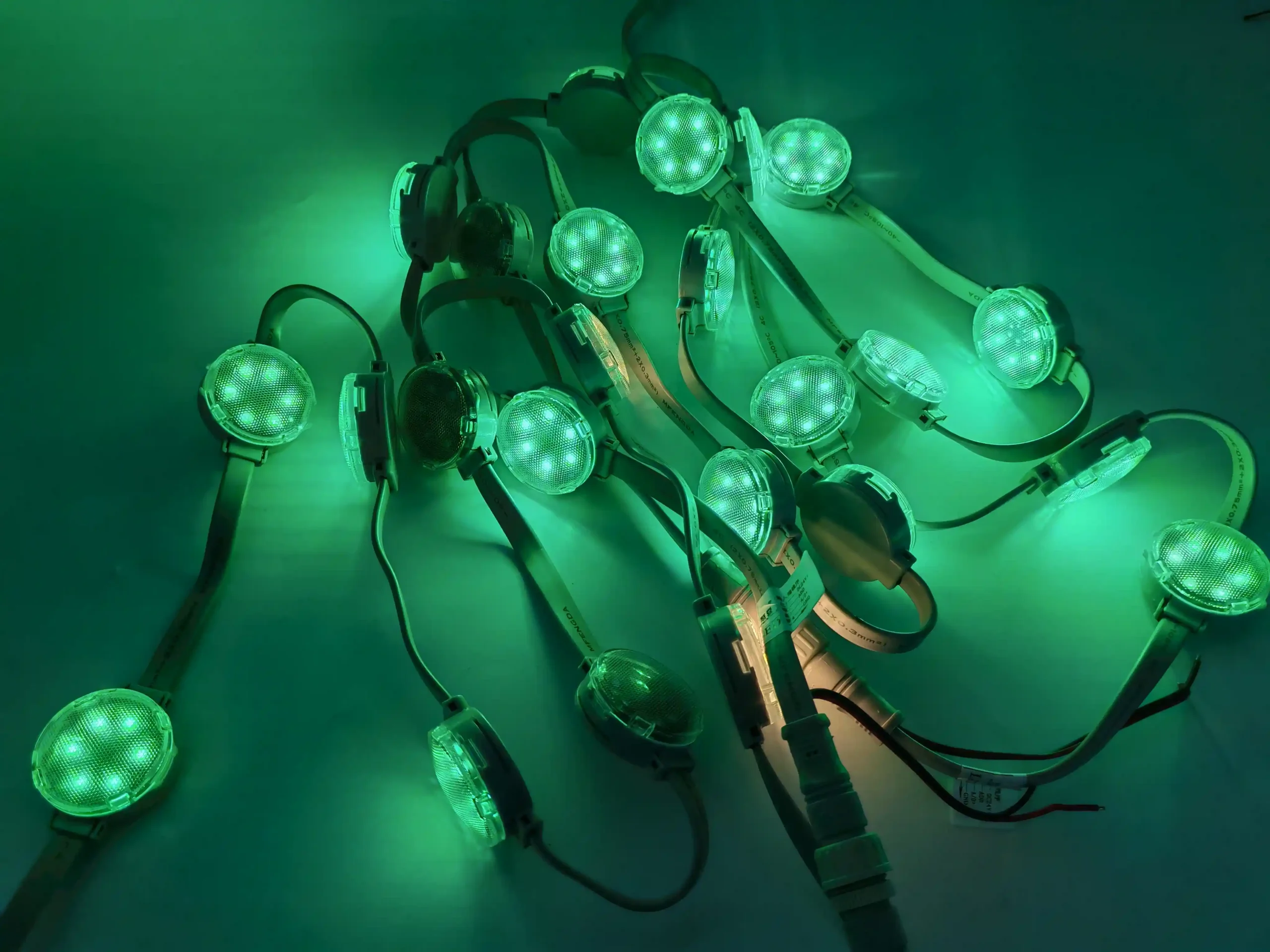
2026 Trends Impacting Your Purchase Decision
RGBW and RGBWW gain ground for better white rendering in mixed applications. Higher gray scales smooth transitions on media facades. IoT-enabled controls allow remote tweaks, fitting smart city rollouts. Enhanced IP68 with anti-UV compounds fights degradation in sunny areas. Lower power draws and recyclable housings align with green mandates.
Shenzhen XinHe Lighting Optoelectronics Co., Ltd – A Trusted Manufacturer
Shenzhen XinHe Lighting Optoelectronics Co., Ltd began operations in 2004 in Bao’an District, Shenzhen, focusing on point light sources with independent intellectual property. The 6000-square-meter facility employs over 250 staff and holds ISO9001:2015 quality certification, ISO14001:2015 environmental management, intellectual property system compliance, plus CE-EMC, CE-LVD, and RoHS approvals.
More than 80 patents back developments, including innovations in exposed cold sources. The company supplied the designated light for the 2008 Beijing Olympic “China Seal” and Paralympic emblems. The “Bean” series includes models like Classic H for standard use, Honor K for added durability, and programmable smart pixels for complex control. Production stresses waterproof immersion testing, reflow soldering, and precise patch assembly, driving annual volumes above 20 million units. This foundation supports consistent delivery for architectural, landscape, and advertising projects globally.
خاتمة
LED pixel dot lights offer strong versatility and reliability when specifications align with site conditions and control needs. Careful attention to voltage, sealing, protocols, and quality sourcing prevents common failures and maximizes return over time. As 2026 trends push toward smarter, more efficient options, informed decisions deliver lasting performance without repeated interventions.
FAQs
What IP rating should LED pixel dot lights have for outdoor use?
IP67 covers typical facade and landscape exposure with solid dust and water protection. IP68 adds margin in areas facing prolonged submersion or heavy storms.
How do I avoid voltage drop when buying LED pixel dot lights?
Choose DC24V models for longer chains and plan power injection points every 40–50 meters. Thicker cables and mid-string feeds keep brightness even across the run.
What control protocol is best for LED pixel dot lights in 2026?
DMX512 suits professional architectural sync with reliable timing. WS2811 or UCS1903 works well for cost-effective programmable effects in signage or smaller facades.
Why do cheap LED pixel dots fail quickly?
Inferior ICs, thin potting, and poor heat management lead to early shorts or dimming. Units without certified testing often show 30–50% lifespan reduction in real conditions.
Can LED pixel dot lights be customized for my project?
Suppliers frequently adjust housing shapes, cable lengths, color binning, and spacing. Discuss requirements early to confirm feasibility within production and validation limits.



 Arabic
  English
  Russian
  Spanish
  French