

LED mesh screens play a key role in today’s architecture. They change how light, structure, and digital media come together. These screens blend fresh design ideas with practical features. As a result, they form a vital part of current building styles. Unlike standard LED screens, LED mesh screens weigh less and bend easily. This quality helps with setup on curved or uneven areas. It opens many options for creative work. Their bendable nature also cuts down the weight on buildings. Thus, they offer a safer choice for big projects. Such flexibility lets architects weave digital art and messaging right into building designs.
The Integration of Light and Structure
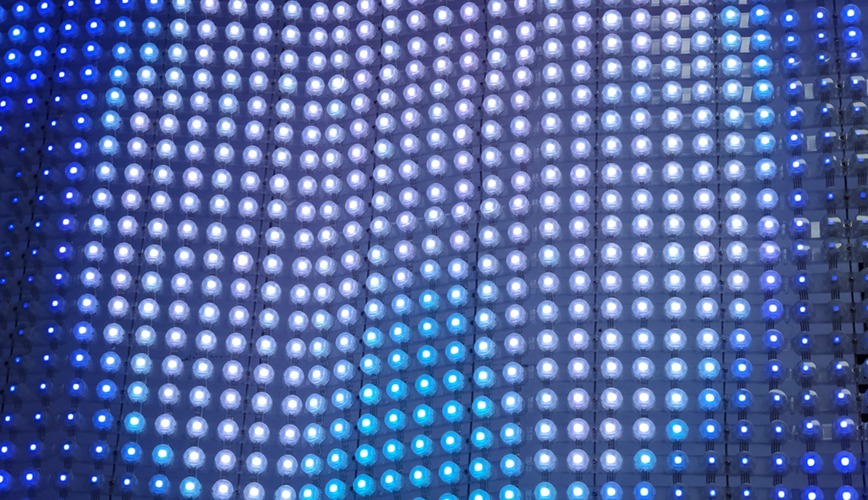
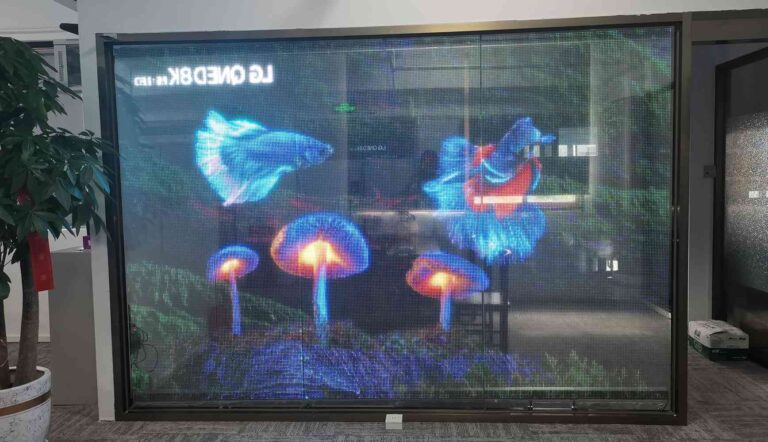
LED mesh screens mix lighting and architecture closely. They place light right into building parts. By using see-through materials, these screens keep views clear from inside and out. At the same time, they turn outer walls into glowing art spaces. Transparent LED Mesh Screen Where Clarity Meets Innovation. This see-through feature helps create walls that glow with light. Yet, they do not block open space. Designers can set up light patterns that change. Each shift in color or shape shows the building’s character or goal.
Enhancing Architectural Expression Through Digital Facades
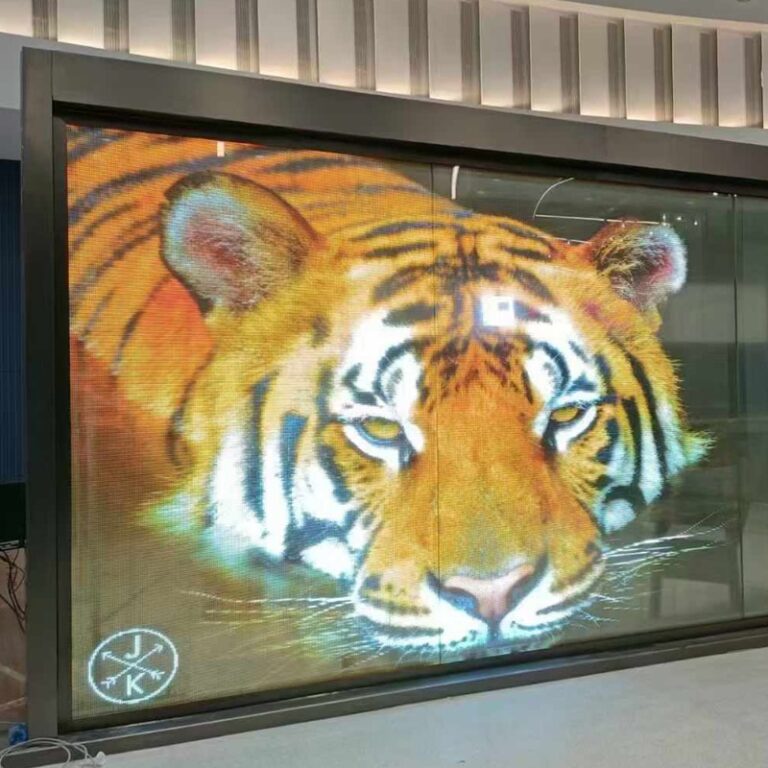
Digital walls with LED meshes turn fixed outer layers into active shows. Architects use light systems that can be programmed. These help share art stories or business marks in a lively way. The mix of light and see-through effects adds layers and movement. It makes building experiences feel alive. You can see this across city views. High‑Resolution Transparent LED Mesh Screen technologies improve picture sharpness. They do this while keeping the building’s core strong. Even detailed images look clear. Plus, they let daylight pass through without issues.
How Are LED Mesh Screens Applied in Modern Building Projects?
LED mesh screens show great range in use. They fit many types of buildings, from office towers to cultural sites. This links design ideas with tech skills well.
Applications in Commercial Architecture
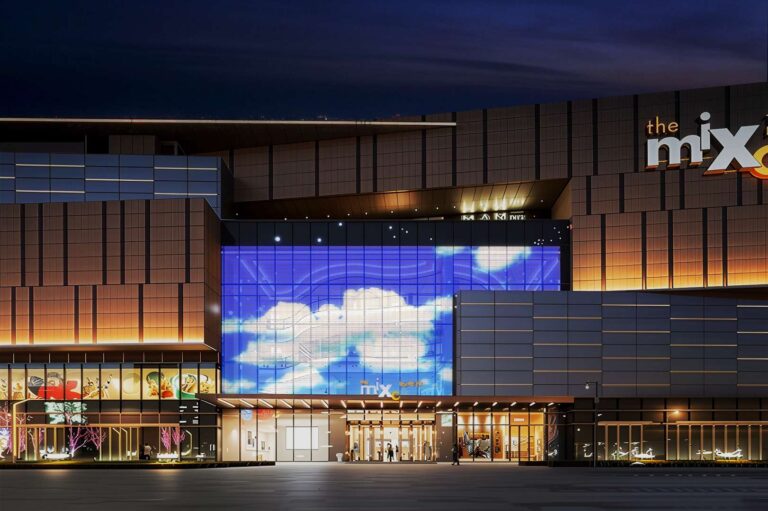
Shopping areas use LED mesh screens for bright ads. These blend well with glass walls. They also keep natural light coming in. Office buildings pick these for brand signs. At the same time, they serve as power-saving light options. Hotels use changeable shows to boost night looks. They project soft patterns. This improves stays for guests and highlights brand style. Transparent LED Mesh Screen for Building Facade applications show how setups can handle light needs and art at once.
Applications in Public and Cultural Spaces
Museums, theaters, and art halls use LED meshes for deep stories. They do this with light setups that match shows or events. City icons use big screens that react to weather data. For example, they note heat or air clean levels. This makes public art that changes with surroundings. Public buildings add low-power light systems. These stand for green goals. They also improve night sight for safety and guidance.
Why Are LED Mesh Screens Ideal for Sustainable Architecture?
Green building trends push architecture forward. LED mesh screens fit this well. They pair low power use with smart material choices.
Energy Efficiency and Environmental Benefits
LED tech uses far less energy than old light ways. This cuts running costs a lot over years. Energy‑efficient Transparent LED Mesh Screen solutions lower power needs. They do so while keeping light even on walls. The mesh design cuts material use versus full panels. Hence, it shrinks carbon impact from making them. Smart controls tweak brightness based on light around. This fine-tunes power spread from day to night.
Longevity and Low Maintenance Requirements
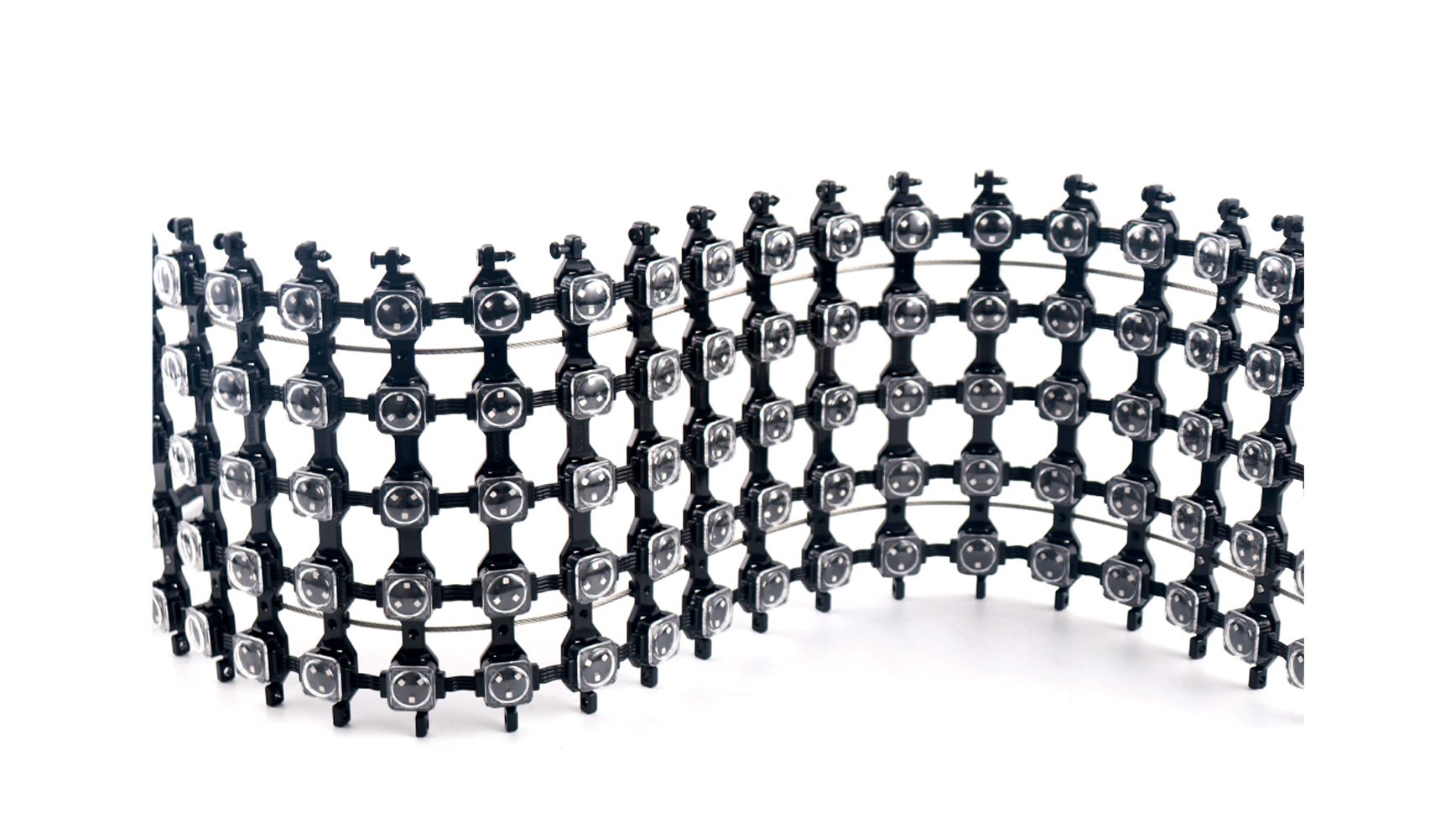
New LED mesh items have top diodes for long life. They last over many thousands of hours before fading. Weatherproof Transparent LED Mesh Screen builds handle rain, wind, sun rays, or heat shifts well. This makes them great for outside spots. Modular builds make fixes easy. You can swap single parts without taking down whole walls. So, it cuts stop times and full costs over years.
How Do LED Mesh Screens Influence Urban Landscapes?
More digital walls spread across cities worldwide. They shape city views by making buildings talk through visuals. This joins art with basic setups.
Creating Interactive Urban Experiences
City planners now add LED meshes to smart city plans. There, walls react to people walking or weather changes. These lively spots build ties between folks and buildings. They use instant visual replies. Public art projects lean on big setups with bendy see-through LEDs. This brings life to public areas during events or memories. Such uses turn normal streets into active digital spots. They mirror group spirit.
Balancing Technology with Architectural Harmony
Adding high-tech shows gives design room. Yet, keeping balance between digital parts and building shapes matters a lot. Designers need to set light strength right. This way, glow adds to the build form, not overpowers it. Flexible controls keep looks steady in different light settings. From busy city hearts to quiet edge areas, they hold function and grace in night views.
How Does Shenzhen XinHe Lighting Optoelectronics Co., Ltd Support Architectural Innovation?
Shenzhen XinHe Lighting Optoelectronics Co., Ltd leads in building light advances. As a focused maker, it supplies strong LED mesh screen systems for world projects. The firm’s skill comes from mixing exact engineering with design freedom via custom product work.
Company Expertise and Product Advantages
Shenzhen XinHe Lighting offers a wide set of items. This includes bendy, see-through, and weather-safe panels. They suit varied weather and design aims. Its full-service way covers idea talks, tech fit advice, setup checks, and after-use help. This makes projects run smooth from start to end. The company puts steady funds into research and growth. It focuses on new ideas for product changes. This brings top light quality, build trust, and long life for business hubs or big site setups around the globe.
Conclusion: The Future Outlook of LED Mesh Screens in Architecture
As cities grow into linked digital spots, the join of architecture and media will grow stronger. This happens through smart wall tech like LED meshes. The Future of LED Mesh Screens. Architects will keep using these not just for looks. Instead, they serve as key ways to share messages. These can react to social settings, nature cues, and user actions. This starts a fresh time where made spaces talk through sights. All while saving power sources.
FAQs
What are the main advantages of using LED mesh screens over traditional lighting systems?
LED mesh screens offer flexibility, energy efficiency, transparency, and dynamic visual capabilities that traditional lighting cannot achieve.
Can LED mesh screens be customized for specific architectural designs?
Yes, manufacturers like Shenzhen XinHe Lighting Optoelectronics Co., Ltd provide tailored solutions based on size, pixel pitch, color temperature, and installation requirements.
Are LED mesh screens suitable for outdoor environments?
Absolutely—LED mesh screens are designed with weather-resistant materials that ensure durability against rain, wind, UV exposure, and temperature fluctuations while maintaining optimal performance outdoors.





 Arabic
  English
  Russian
  Spanish
  French