

An LED mesh screen often covers hundreds or thousands of square meters. Because of this large size, a tiny shift in wattage or run time can deeply impact electricity costs. A handy power calculation helps building owners, ad operators, architects, and system integrators figure out energy use before they buy. This step also aids electrical planning and operating budgets. Furthermore, it supports long-term return-on-investment analysis.
Why Should You Calculate Power Consumption Before Buying?
Energy use impacts much more than your monthly utility bill. It also shapes power-distribution capacity and installation needs. Moreover, it guides your operating strategy and the total ownership cost.
Plan a More Accurate Budget
The screen price forms just one part of your project spending. Electricity bills will continue throughout the display’s entire service life. Figuring out annual and five-year energy costs lets buyers compare different proposals fairly. This way, they do not focus solely on the initial quote.
Specify a Safe Electrical System
The maximum connected load decides cable sizes and circuit breakers. It also dictates distribution cabinets and power-supply capacity. You must design the electrical infrastructure based on the manufacturer’s maximum power data. You should do this even if normal video content uses much less energy.
Build a Credible ROI Model
For advertising and commercial facade projects, electricity costs eat into net income. Including realistic energy expenses creates a highly useful payback forecast. It also helps operators plan ad rates, working hours, and brightness schedules.
What Information Should You Enter?
A solid calculation relies on project-specific inputs. Screen density and brightness can change the final consumption. Product configuration and daily operating conditions play big roles, too.
Screen Area and Maximum Power
Enter the active display area and the rated maximum power. Sometimes, power is listed per module. In that case, multiply it by the required module count.
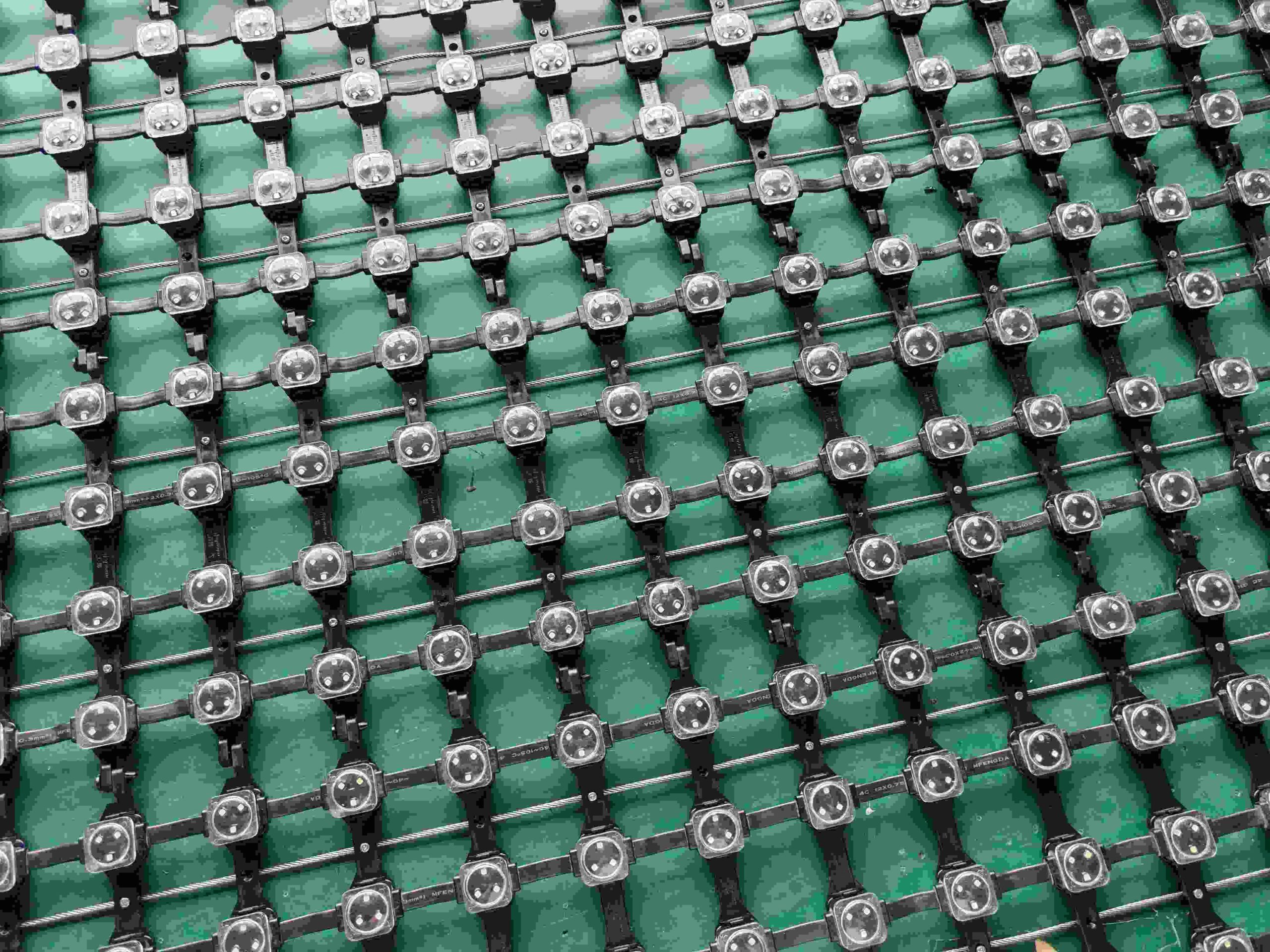
XinHe offers several LED mesh screen setups. Its G30 product page lists 48 W and 75 W options. Meanwhile, the L20006 series shows configurations ranging from 90 W to 180 W. Buyers must check the module size or screen area tied to each power value. They can find this detail in the final technical proposal.
Operating Hours and Average Load Factor
Maximum power stands for a high-output working state. Actual consumption shifts based on screen brightness and video content. Control settings and the share of white or bright images matter as well.
An average load factor helps create a truly realistic estimate. For early project planning, buyers should figure out low, expected, and high-consumption scenarios. They should avoid relying on just one single guess.
Electricity Price and Project Period
Enter the local electricity tariff per kilowatt-hour. Next, add the expected number of working days per year.
For a five-year forecast, think about possible tariff hikes. You should also consider seasonal schedules and maintenance shutdowns. Reduced working hours and time-of-use electricity pricing are important factors, too.
How Does the Calculator Estimate Energy Use?
The calculation needs to separate the maximum electrical load from the average energy use. The maximum load supports electrical-system design. At the same time, average consumption guides operating-cost forecasting.
What Formulas Should You Use?
Use the simple formulas below:
Maximum load (kW) = Screen area × Maximum power density ÷ 1,000
Average load (kW) = Maximum load × Average load factor
Daily consumption (kWh) = Average load × Daily operating hours
Annual consumption (kWh) = Daily consumption × Operating days per year
Five-year energy cost = Annual consumption × 5 × Electricity tariff
For a three-phase electrical system, approximate line current can be calculated as:
Current (A) = Power (W) ÷ [√3 × Line voltage × Power factor]
A qualified electrical engineer must complete the final cable, breaker, and distribution design. You must also think about local electrical codes and voltage drops. Power-supply efficiency, startup conditions, load balancing, and reserve capacity need careful thought as well.
What Does a Worked Example Look Like?
Imagine a 500 m² LED mesh screen. It has a maximum power density of 180 W/m². The display runs 10 hours per day, 365 days per year. It uses an estimated average load factor of 45%. The electricity price sits at USD 0.12 per kWh.
Maximum electrical load:
500 × 180 ÷ 1,000 = 90 kW
Estimated average load:
90 × 45% = 40.5 kW
Daily energy consumption:
40.5 × 10 = 405 kWh
Annual energy consumption:
405 × 365 = 147,825 kWh
Five-year energy consumption:
147,825 × 5 = 739,125 kWh
Estimated five-year electricity cost:
739,125 × USD 0.12 = USD 88,695
This result serves as a planning estimate. It is not a guaranteed consumption figure. Real performance will depend heavily on brightness and displayed content. Operating schedules, system efficiency, and outside weather conditions will also play a part.
How Can You Lower LED Mesh Screen Energy Costs?
Energy reduction must start with proper product choices and smart operating controls. The main goal is to cut needless power use. However, you must do this without hurting the screen visibility needed for your project.
Choose Suitable Pixel Density
Higher pixel density usually demands more light points. It also requires extra system capacity. Therefore, you should pick pixel spacing based on viewing distance and content detail. Screen size and the project budget matter just as much.
XinHe provides LED mesh screen products with many pixel-spacing options. These work well for flat and curved building setups. This variety allows buyers to match screen density to the actual site. As a result, they avoid buying a setup that goes beyond the project’s visual needs.
Schedule Brightness Intelligently
A screen rarely needs the exact same brightness all day long. Automatic brightness tweaks and scheduled dimming can lower average power use. At the same time, these features keep the display clearly visible.
You can set up distinct daytime, evening, and late-night modes. Video content with limited white areas helps save energy. Darker backgrounds and smooth transitions may also reduce the average power demand.
Keep the System Efficient
Poor electrical links and wrong voltage can harm your setup. Damaged power supplies and bad calibration cause similar issues. Together, these problems may lower system efficiency and overall reliability.
Routine checks and balanced electrical loads keep things running smoothly. Clean connections and good airflow are vital. Correctly configured control equipment also helps the LED mesh screen work exactly as intended.
Why Is Shenzhen XinHe a Reliable LED Mesh Screen Supplier?
Accurate energy estimates demand clear product specs and proper screen choices. They also require solid technical support from an experienced supplier.
What Support Does XinHe Provide?
Shenzhen XinHe Lighting Optoelectronics Co., Ltd has focused on LED point lights and LED grid-screen products since 2004. Its official website highlights automated production tools alongside OEM and ODM skills. The company offers project services that cover solution design and budgeting. They also provide product supply and helpful on-site guidance.
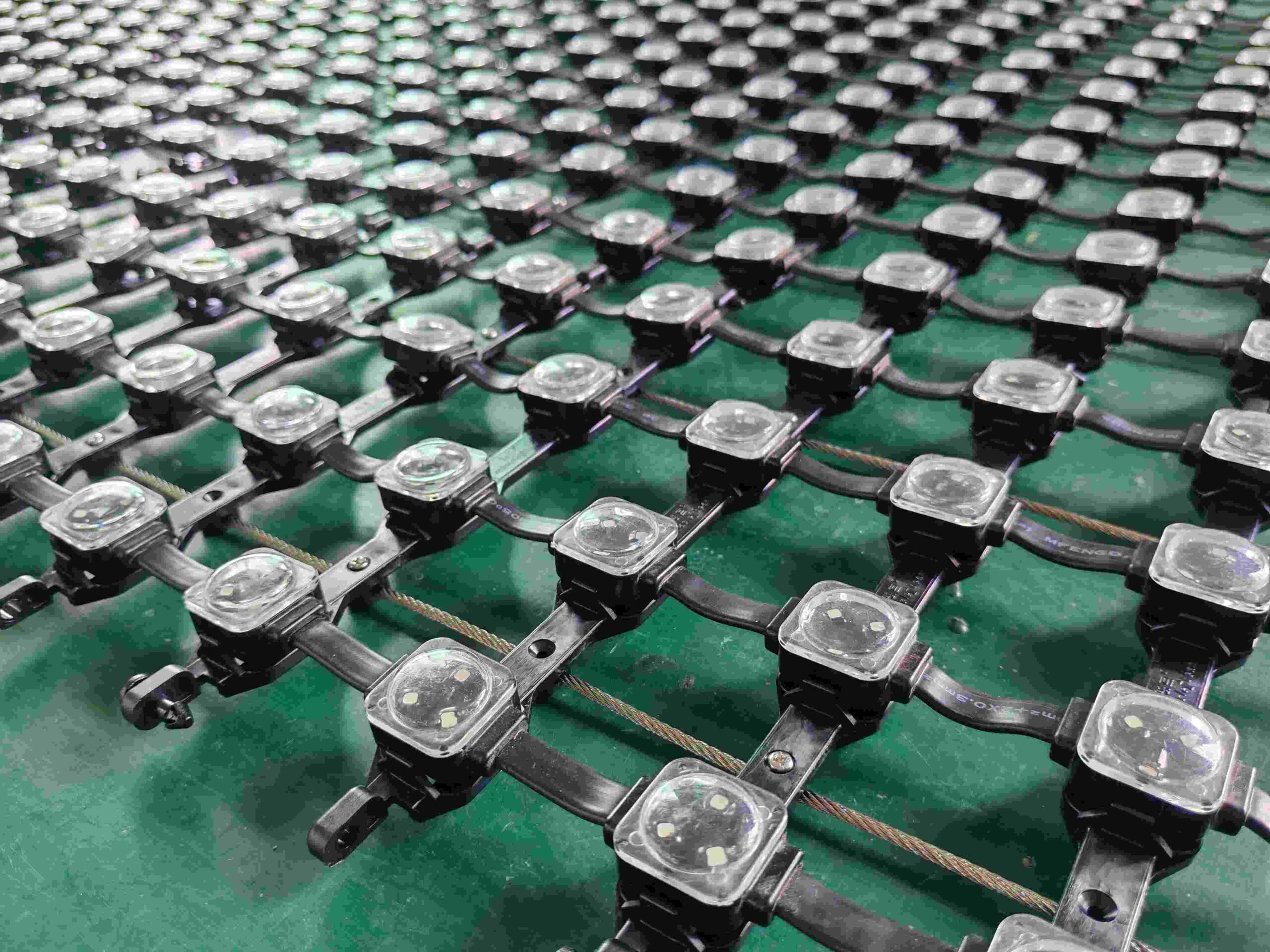
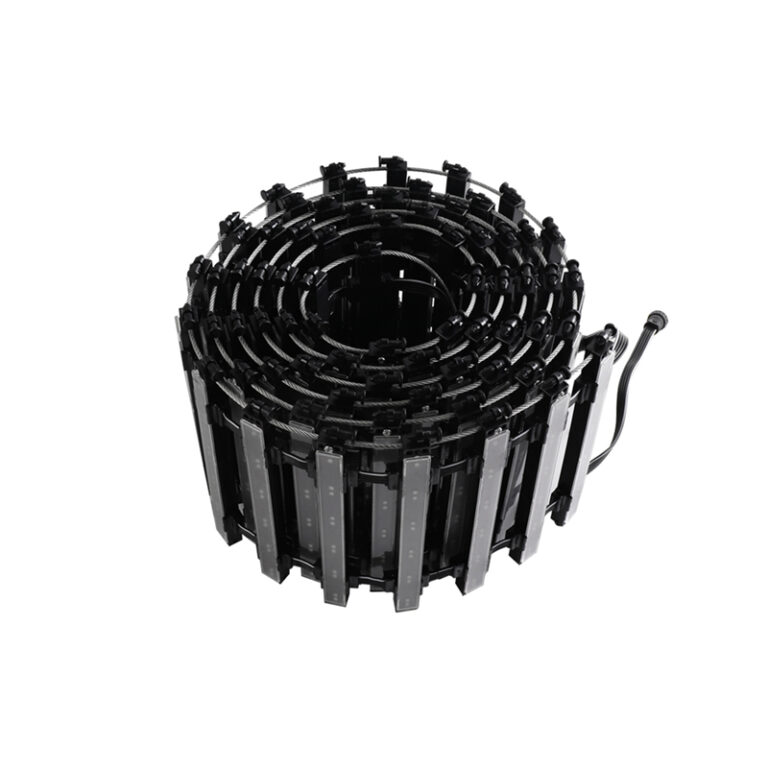
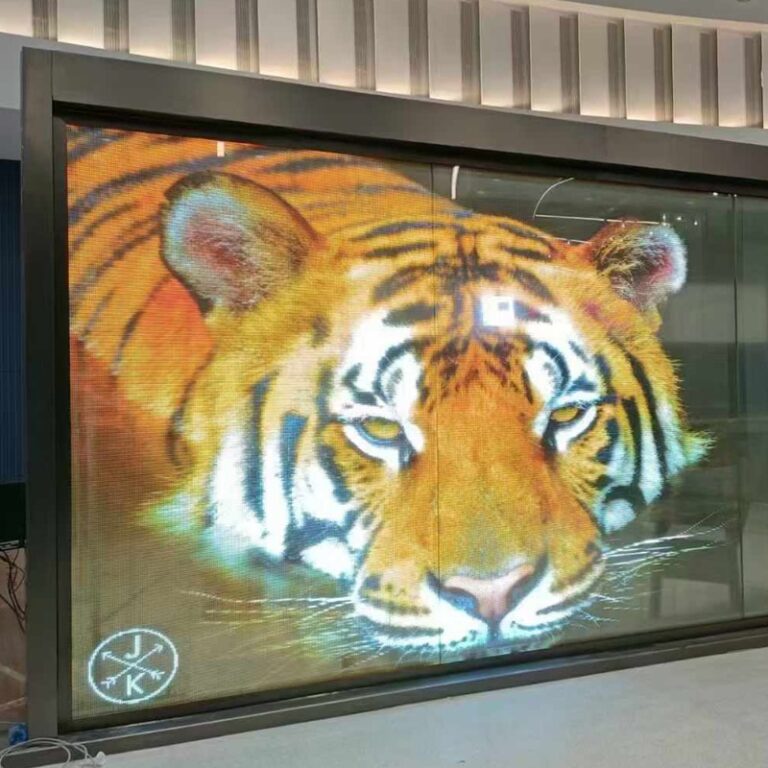
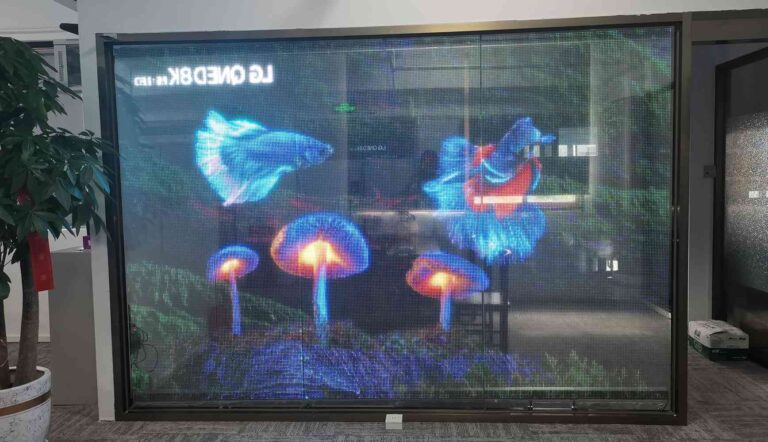
The company’s LED mesh screen lineup features modular and lightweight products. These fit solid walls, steel structures, and flat or curved glass curtain walls. Select models offer IP67 protection and multiple pixel-density choices. They also feature modular installation and various control setups for large indoor and outdoor display projects.
خاتمة
An LED mesh screen power consumption calculator turns technical specs into smart buying choices. Buyers simply enter the screen area, maximum power, and average load factor. They also add the operating schedule, electricity tariff, and project period. By doing this, they can estimate total kWh use, connected electrical load, and five-year energy costs.
For a trusty result, use the exact specs of your proposed LED mesh screen setup. Before installation begins, confirm all power data directly with the supplier. Finally, ask a qualified electrical engineer to check the complete power-distribution design.
FAQs
Is Maximum Power the Same as Normal Operating Power?
No, it is not. Maximum power mostly guides electrical capacity and safety planning. Normal operating power shifts based on brightness and displayed content. Control settings and daily run times change it as well.
Should Power Be Calculated by Square Meter or by Module?
Use the specific unit listed in your confirmed technical proposal. You can multiply per-module power by the total module count. Alternatively, multiply per-square-meter power by the active screen area. Just do not mix these two units in a single calculation.
Can the Five-Year Electricity Cost Be Guaranteed?
No, it cannot. It serves merely as an estimate based on current guesses. The actual cost may shift with changing electricity tariffs and brightness settings. Content types, weather, maintenance habits, and daily working hours also alter the final bill. A low, expected, and high-consumption forecast gives a much more useful budget range.






 Arabic
  English
  Russian
  Spanish
  French