

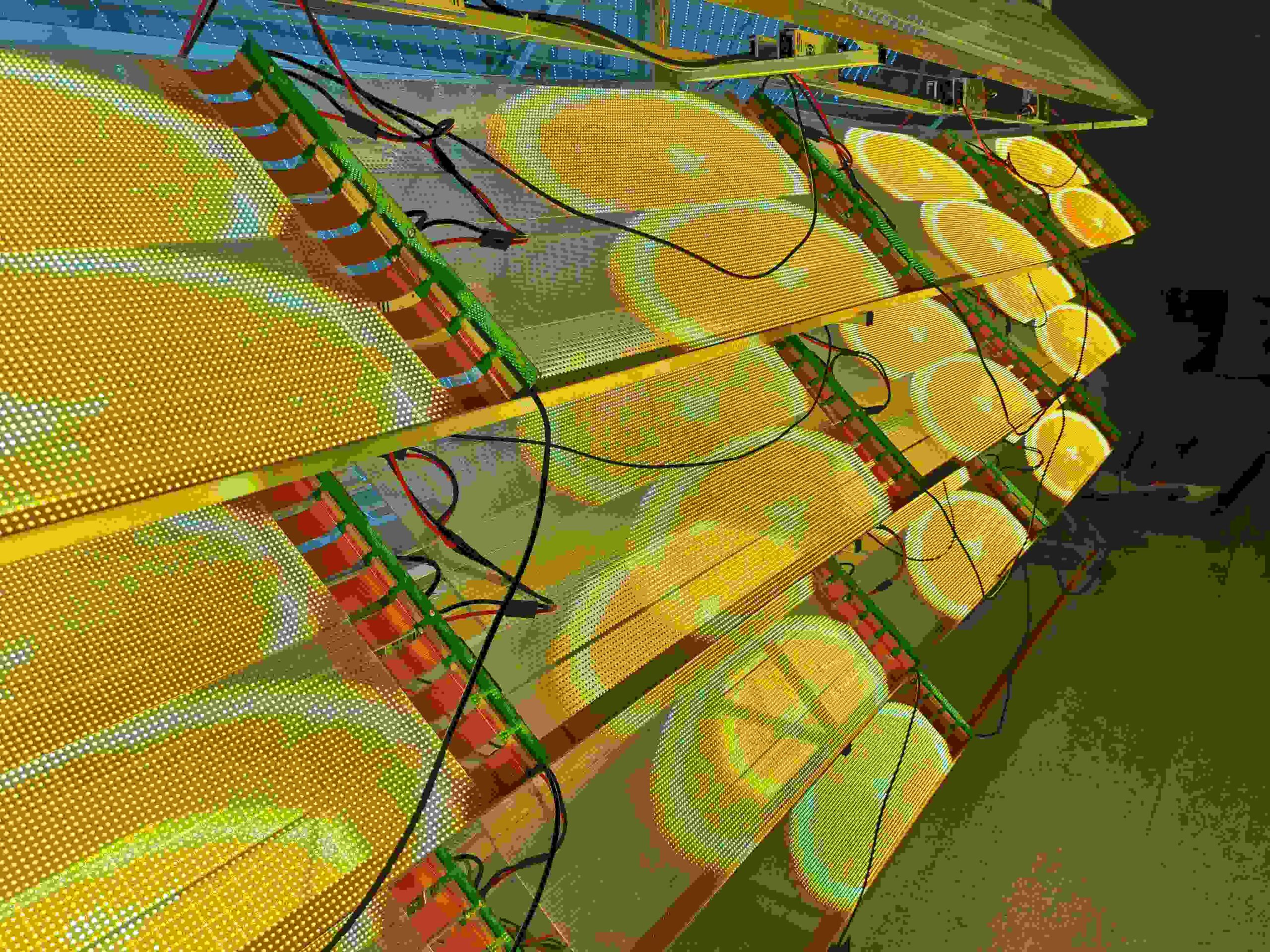
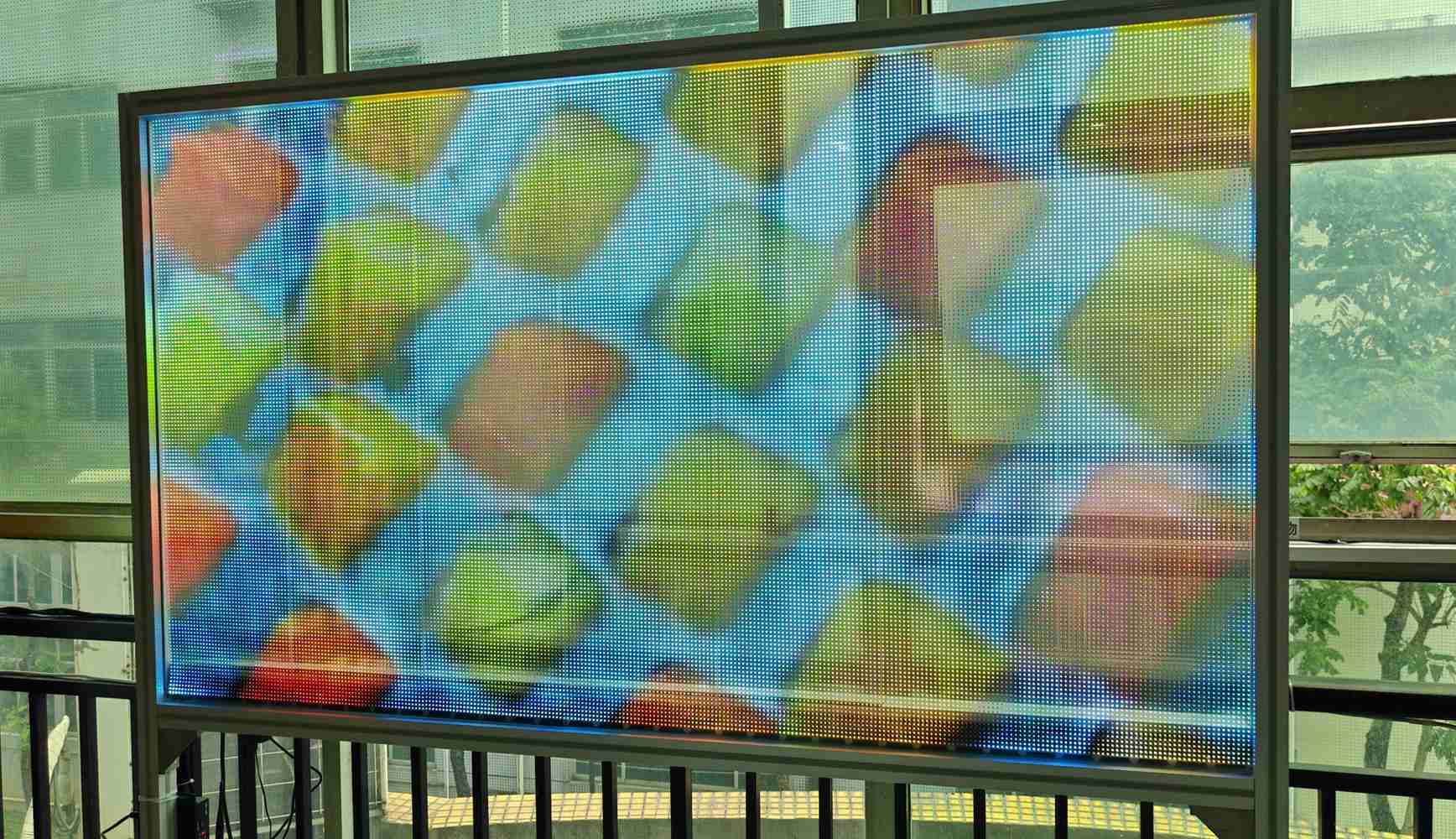
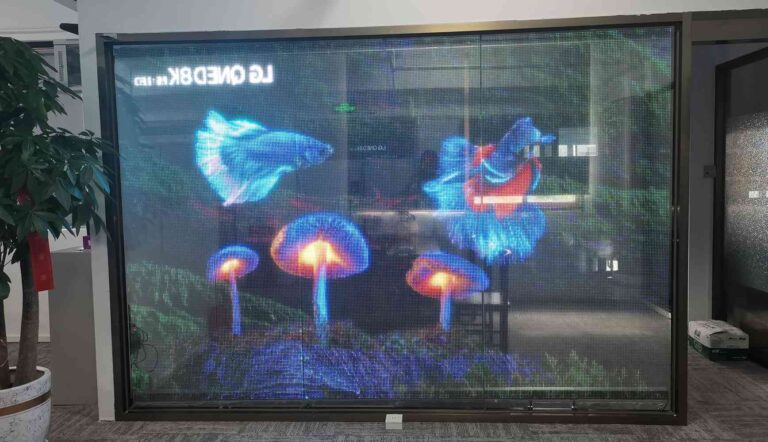
Innovative technologies that enable the projection of images on windows without obscuring light or interfering with architecture are of continued interest to businesses and property owners. Such is the case with the innovative شاشة LED شفافة ومرنة technology. Sometimes referred to as flexible transparent LED film, this extremely thin transparent display is fixed to glass or other surfaces and can transform windows into high-visible transparent displays for advertising and information, while preserving the natural light.
From managing retail store installations to controlling screens from within a corporate building or creating artistic installations, understanding how to correctly use and maintain your screens can ensure that your project runs smoothly. Instead of rehashing theory, we’ve put together a practical guide of tips based on the experiences of our screen installers and customers who have used screens on their own projects.
What Makes Flexible Transparent LED Film Different
Unlike traditional fixed and rigid LED panels the films are flexible, lightweight and in roll or sheet form. They can be cut to size and adhere to glass surfaces. The level of transparency of the film is determined by the pixel pitch and can be up to 70% or even 90% transparent, so people can look out of the window and see what is happening, but outside people can clearly see bright, colorful information being displayed.
When applied to a downtown Miami boutique hotel’s street front windows, transparent LED film created an open and light look by day and then transformed to an elegant digital display by night to greet guests and inform them of downtown events. Modern in concept and very popular with guests, it generated considerable additional foot traffic as well.
Key Benefits for Real Installations
These screens are super useful in situations where a normal screen would be to heavy or in the way.
- Preserves natural light — Important for retail stores and offices
- Easy to apply on curved or irregular surfaces
- Lightweight — Reduces structural load on buildings
- Quick installation compared to heavy video walls
- High transparency while still delivering strong visual impact
Many users comment that the maintenance of individual parts is easier than expected and that single modules or sections can be replaced by themselves without having to remove the complete system.
Planning Your Installation: What You Need to Know First
Good planning prevents most headaches.
Surface Assessment: Clean glass is important. If there is any dirt, grease or old adhesive it will show up and affect transparency and adhesion. In professional installations glass is cleaned thoroughly before application of the film. In some cases a special primer is also applied to the glass.
Power and Data Planning: These screens require reliable power and signal feeds. Plan the routes of cables as early as possible, especially for projects that span several floors. For a clean look, hidden conduits or edge channels can be used for routing cables.
Content Strategy for Transparent Displays: Bright, high contrast content works best for displays. In order to overcome the low visibility of fast moving images on transparent displays during the day, simple animations and text-based messages are created for daytime use and more dynamic content for night-time use.
Environmental Factors: Check the local weather, in high wind areas additional securing of the edges may be required. In extreme heat or cold the film and adhesive may be affected, therefore use products that are rated for these conditions.
Step-by-Step Installation Tips
Here’s how experienced teams typically handle the job:
- Measure twice, cut once — Precise measurements save expensive mistakes. Many teams create paper templates first.
- Team coordination — Larger installations work best with 3-4 people: one aligning, one applying, and others managing cables and power.
- Application technique — Start from the center and work outward to avoid air bubbles. Special squeegee tools help press the film smoothly against the glass.
- Cable management — Hide connections neatly. Good-looking installations often go unnoticed during the day, which is exactly the point.
- Testing — Always do a full system test before leaving the site. Check brightness, color consistency, and content playback from different viewing angles.
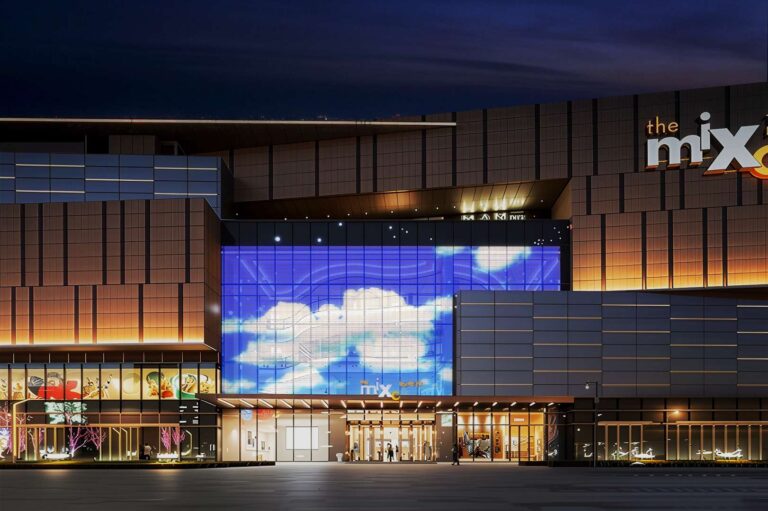
A shopping mall in Singapore covered over 200 square meters of transparent flexible LED film across a number of store fronts. Installation team members refined their method of work and were able to complete individual sections within two hours, completing the project ahead of schedule.
Common Challenges and How to Solve Them
Air Bubbles and Wrinkles Typically caused by a dirty surface or installer rushing through the application. Taking your time and making sure you are using the correct tools for the job can minimize most issues with air bubbles and wrinkles.
Signal Issues Flickering may be caused by interference or long cable runs. This can be addressed by ensuring that your quality system includes a good signal amplifier and appropriate grounding.
Daylight Brightness. One thing we have noticed with some cheaper films is that they can ‘bleed white’ in very bright daylight, whereas the better-grade products with higher nits ratings cope very well.
Removal and Replacement – Update Films When it comes time to remove the existing film to reapply new films, even the lowest quality films can be removed with very little residue left on the surface. For very large surfaces, however, it is still recommended to have a professional do the removal for you.
Maintenance Tips for Long-Term Performance
Once installed these screens require little maintenance, if they have been installed correctly.
- Gentle cleaning with microfiber cloths and approved solutions
- Regular software updates for the control system
- Periodic checks of connections, especially after storms
- Dust control in high-traffic areas
Many installations function properly and run for 5 years and more with regular maintenance.
Choosing the Right Partner for Your Project
To achieve your goals you will need to work with experienced suppliers who have knowledge of the technical details as well as the practical challenges of installation. Look for suppliers who are able to provide detailed drawings, provide on-site assistance as required and provide relevant case studies.
Xinhe Optoelectronic as a Point Light Sources and Grid Screens Supplier
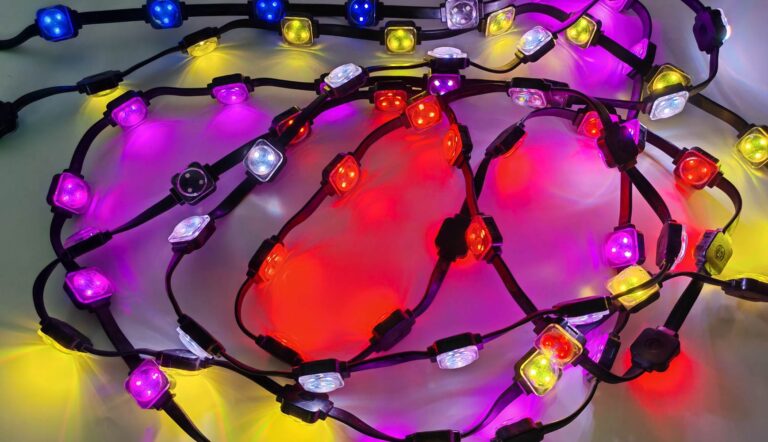
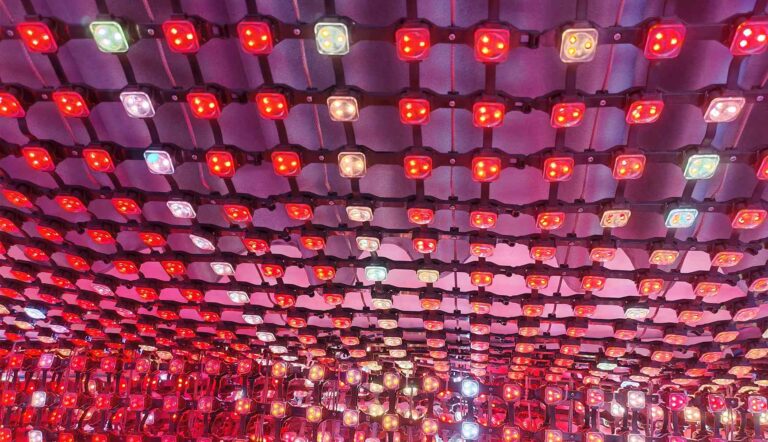
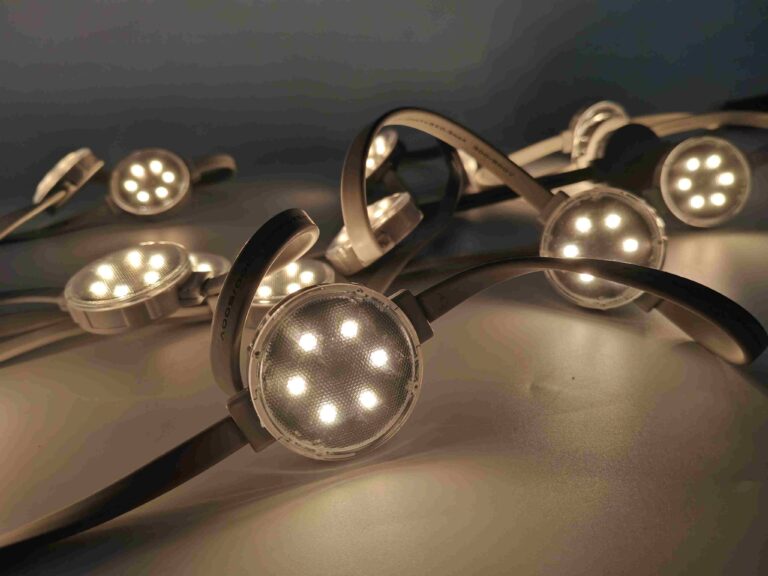
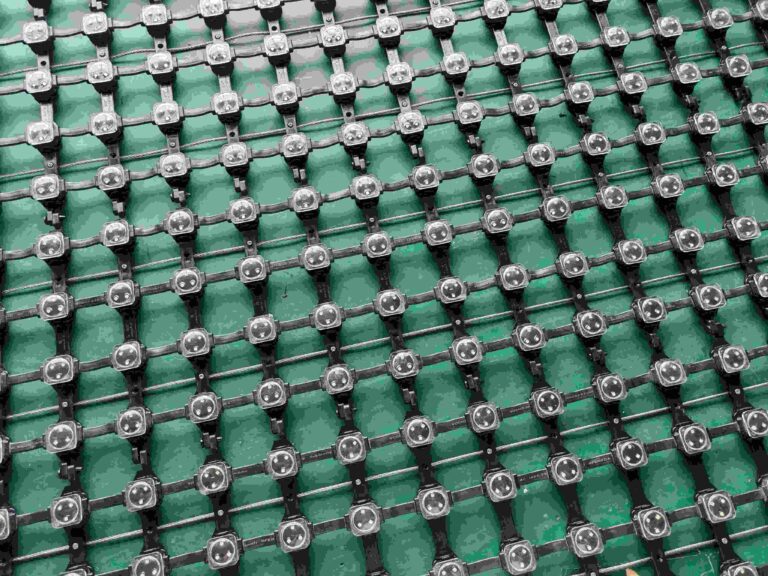
Shenzhen Xinhe Lighting Optoelectronics Co., Ltd., operating as Lanhe, has built a solid name since 2004 in the LED lighting and display industry. The company specializes in point light sources, grid screen systems, and innovative transparent display solutions including flexible transparent LED film.
With strong manufacturing capabilities and a focus on practical performance, they support both standard products and custom projects for architectural and commercial applications. Clients often appreciate their attention to detail, reliable product quality, and willingness to work through complex installation requirements. This hands-on experience has helped many businesses successfully deploy transparent LED solutions that deliver strong visual impact while maintaining design integrity.
خاتمة
Our cutting-edge LED flexible transparent screen technology offers creative individuals and property owners the opportunity to unveil the latest displays. The innovative films can be utilized to create an impressive visual experience while ensuring that no light, view or architectural feature is compromised by the installation, as long as it is thoughtfully designed and properly maintained.
The key to success is to plan, use good quality products and install them professionally. But to really make a difference in your market and to create great brand visibility and amazing customer experiences over time, then taking the time to get the details right upfront is crucial for businesses looking to make a difference.
FAQs
What is the main difference between LED flexible transparent screen and traditional LED displays?
Flexible transparent screens are thin, lightweight films that allow light and views to pass through, while traditional displays are solid panels that block everything behind them.
How difficult is it to install LED flexible transparent screen on glass?
With proper preparation and the right tools, experienced teams can install it relatively quickly. It’s much lighter and more flexible than rigid LED walls, but surface cleaning and precise alignment are important.
Can LED flexible transparent screen be used outdoors?
Yes, many systems are designed for outdoor use with good weather resistance. Always check the IP rating and make sure the installation accounts for wind and rain exposure.
How to maintain LED flexible transparent screen long time?
Over time screen should be cleaned gently and connections checked from time to time. Good quality films are resistant to everyday deterioration and can last few years in stores, shops, hotels, museums etc.
What should I consider when choosing an LED flexible transparent screen supplier?
Look for proven experience with transparent film products, good technical support, realistic performance specifications, and the ability to provide installation guidance or on-site assistance.





 Arabic
  English
  Russian
  Spanish
  French