

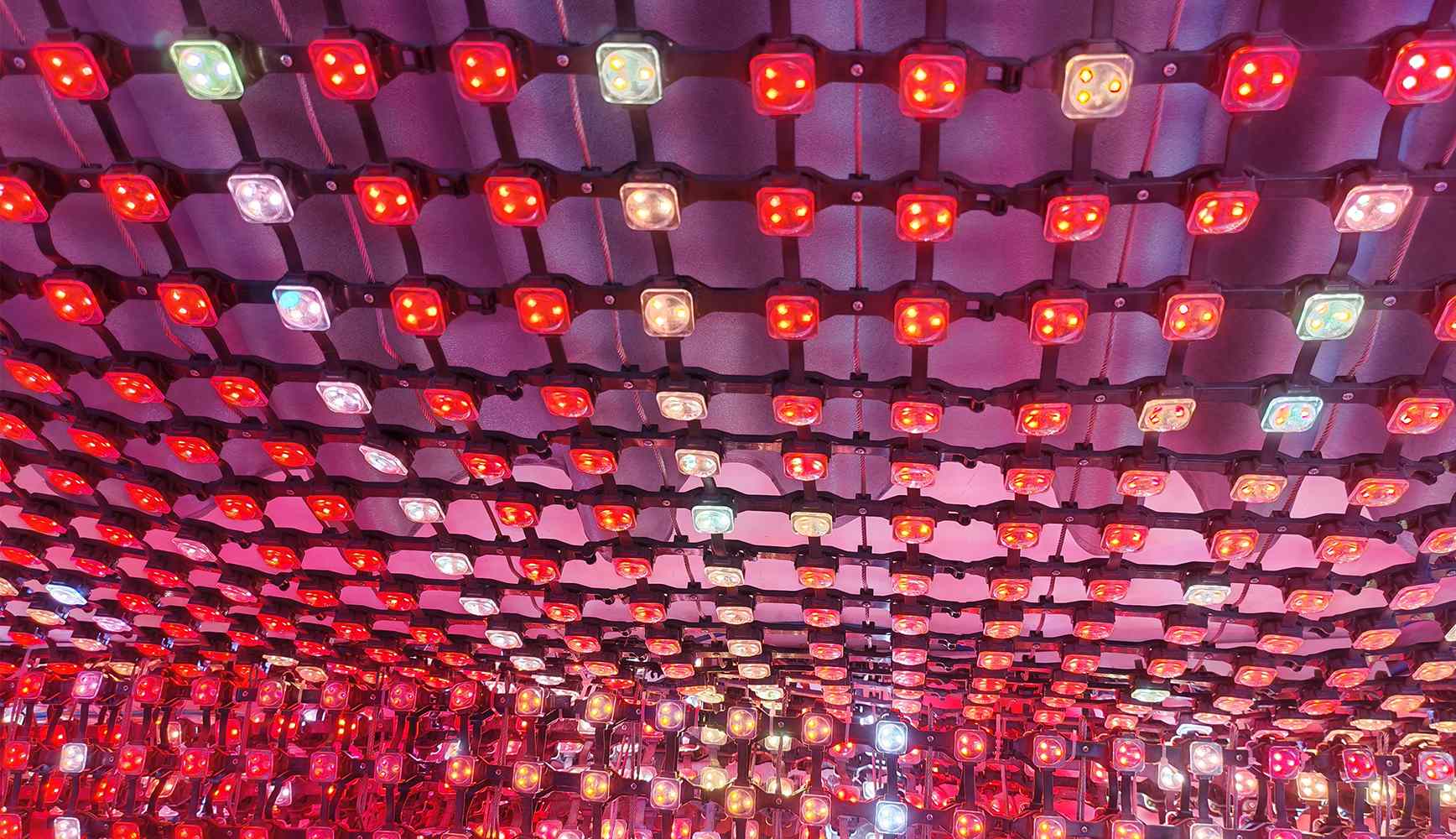
LED mesh screens are becoming very popular for high-rise building facades. They allow you to show massive digital visuals. At the same time, they do not hide the architecture behind them. Yet, once a display is placed several stories above the ground, wind turns into a huge engineering factor. The screen weight, openness, fixing method, module structure, and installation height all affect how the system reacts to wind pressure. For developers, contractors, media operators, and facade designers, checking the wind load early is vital. This early step can lower installation risks. It also helps avoid expensive structural changes later on.
Why Does Wind Load Matter for LED Mesh Screens on Tall Buildings?
Wind pressure normally gets much stronger as the installation height goes up. A screen placed close to the ground level faces very different weather conditions. In contrast, a screen mounted on the top section of a high-rise facade deals with harsh forces.
Because of this, LED mesh screen design must not look only at pixel pitch, brightness, or display size. The mechanical structure needs careful thought. It must work well as part of the total facade system.
Installation Height Changes Structural Requirements
High-rise buildings deal with stronger and more shifting wind conditions compared to shorter structures. Corners, rooftop zones, open plazas, and coastal areas often face very tough airflow patterns.
An LED mesh screen placed in these spots requires a very solid connection system. It also needs plenty of structural support. Project engineers should check the installation height and the facade orientation. They must also look at local wind conditions and the supporting structure before they decide on the final screen layout.
The actual wind-load values must be figured out using local building codes. They should also follow strict structural engineering rules. You cannot just guess these numbers based on the LED screen alone.
Large Display Areas Increase the Importance of Openness
A standard solid LED display creates a mostly unbroken surface. On the other hand, an LED mesh screen features open gaps between the lighting elements.
This open design lets some wind blow right through the display. It does not push directly against a fully solid face. For huge media facades, this trait proves highly useful. It helps drop the total wind resistance of the display system.
Even so, openness does not remove the wind load entirely. Cables, steel wires, lighting nodes, brackets, and supporting frames still feel the wind forces. They must be built to handle these pressures.
How Does Screen Transparency Affect Wind Resistance?
People usually talk about transparency for its visual appeal. But for facade projects, it plays a big structural role too. A more open display lets air flow freely through the screen. At the same time, it keeps the view and airflow clear behind it.
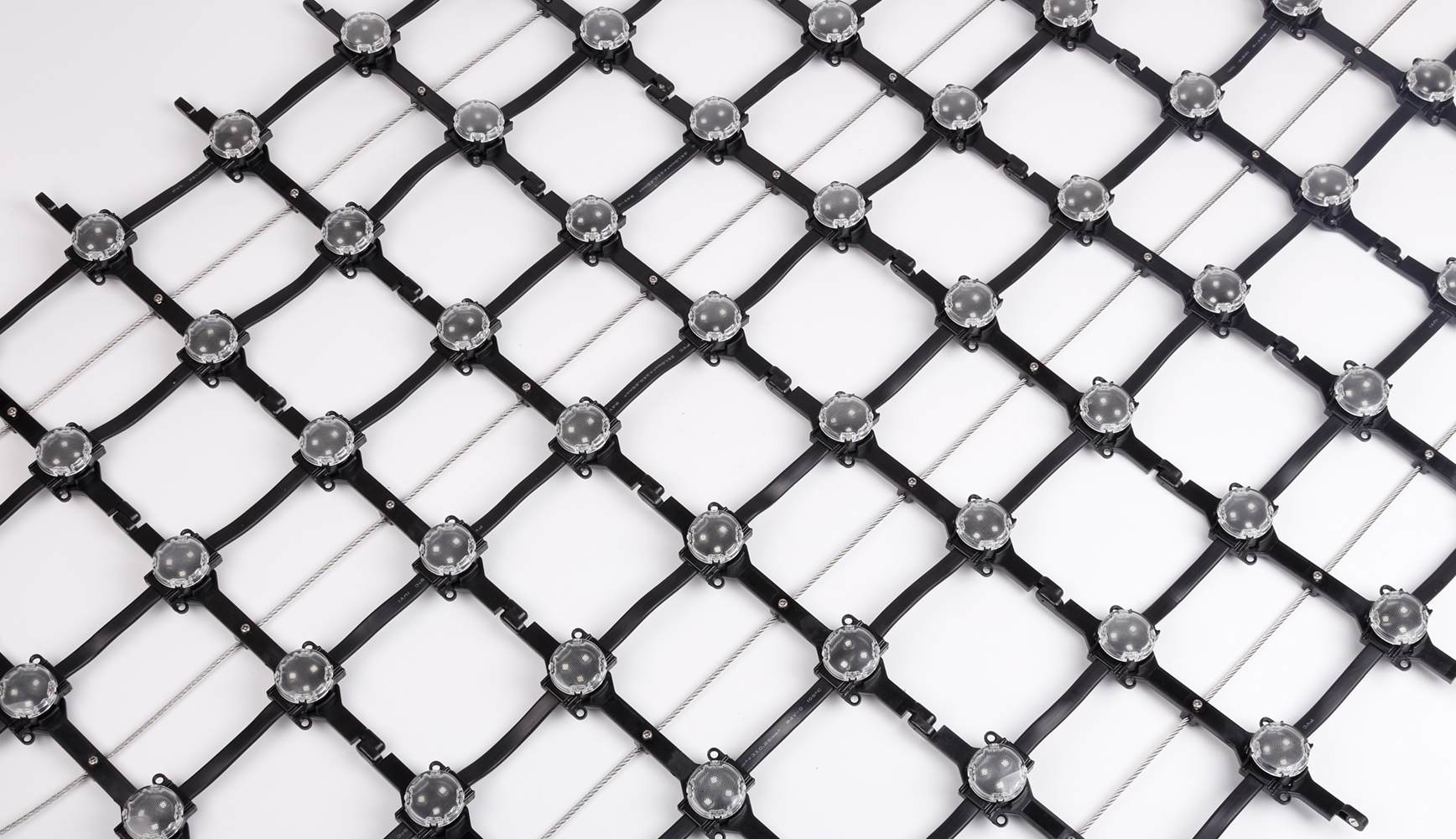
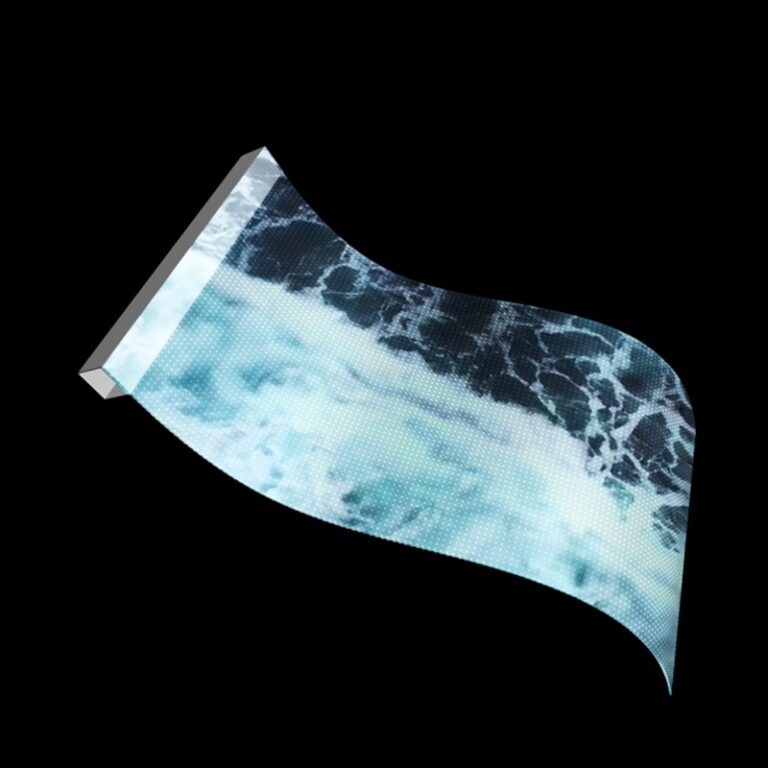
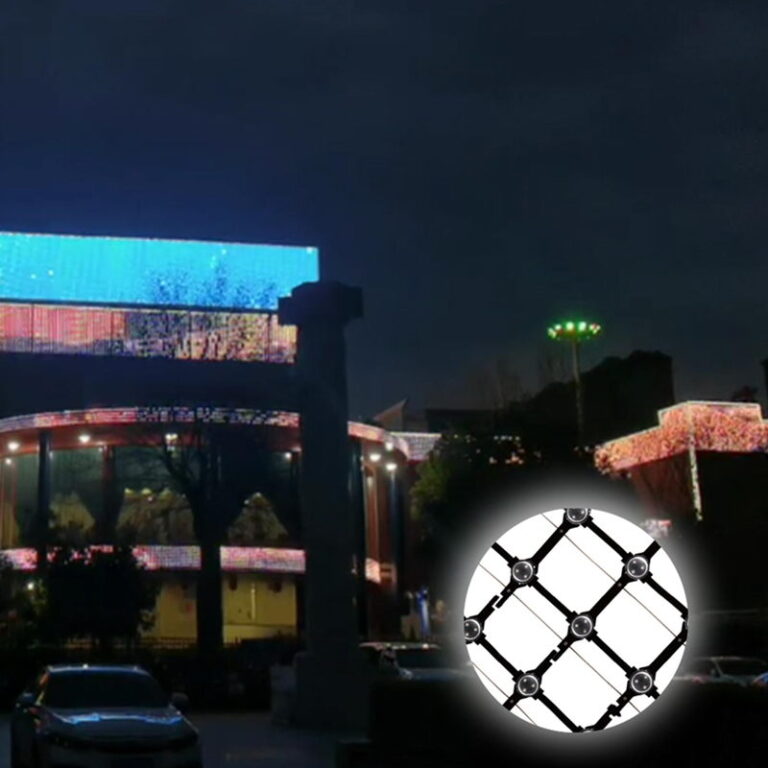
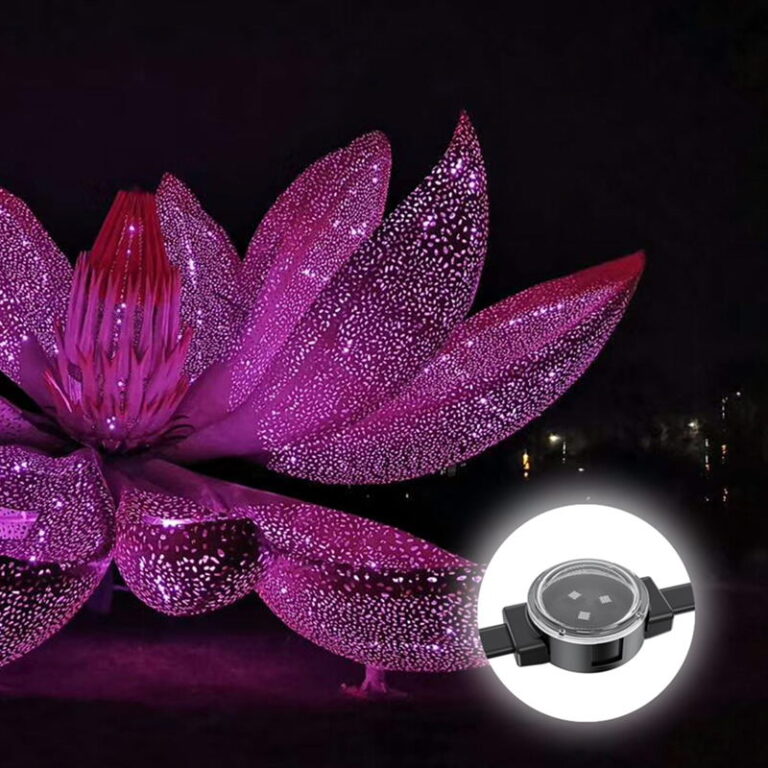
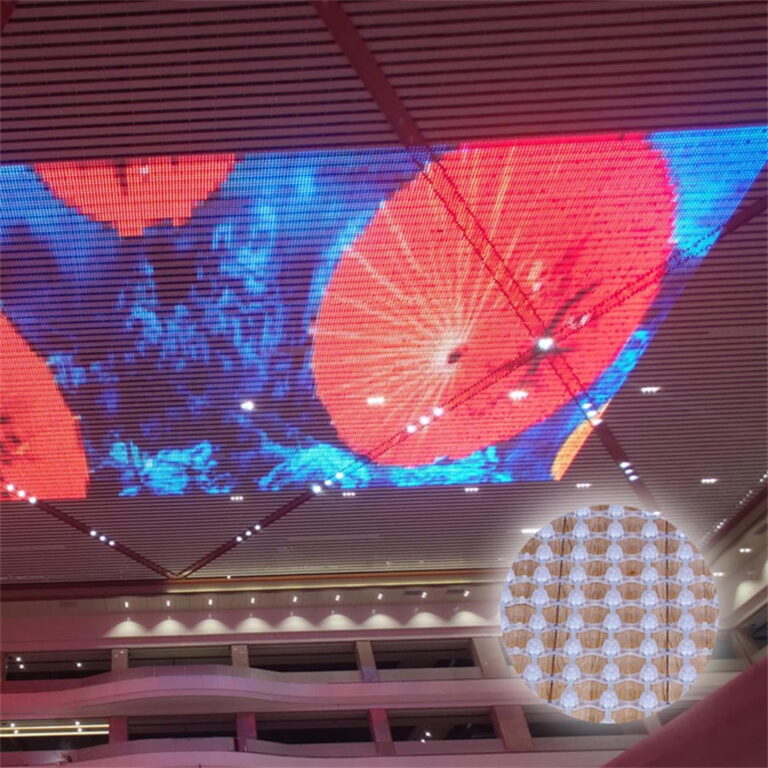
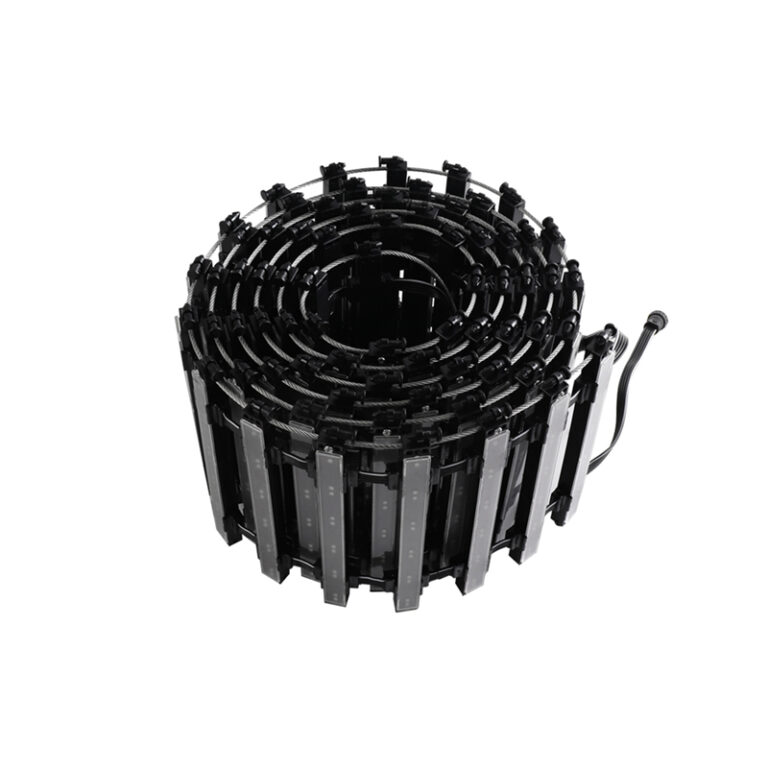
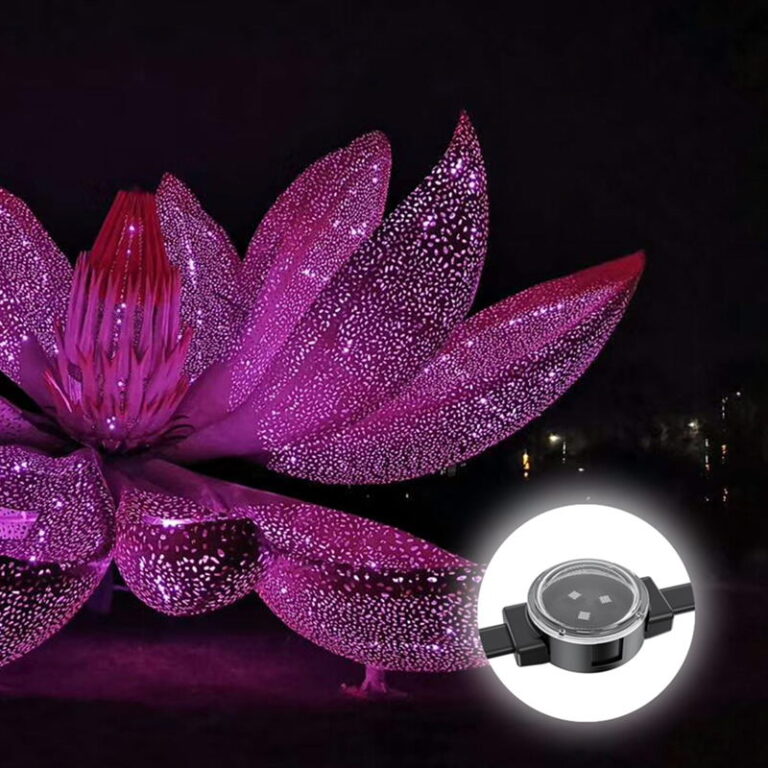
ال mesh screen structure from Xinhe Optoelectronics uses LED point light sources, PC fixing bases, steel wires, and modular parts. These elements combine to build a lightweight and fairly open display style.
Open Structures Can Reduce Wind Blocking
When air can pass through gaps in the screen, the display creates less steady resistance. This is much better than a completely closed surface of the exact same size.
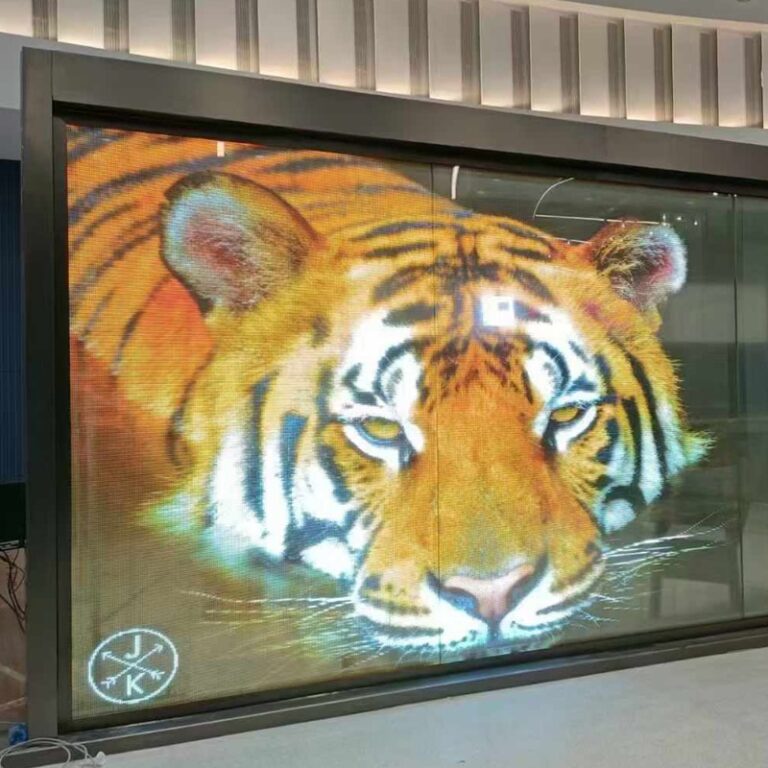
This feature is especially helpful for grand building facades, glass curtain walls, retail complexes, hotels, and cultural tourism projects. In these places, the display zones might cover hundreds or even thousands of square meters.
Designers still must weigh transparency against visual quality. Making the gaps wider can boost openness. However, this might lower the image detail when people look from close up.
Pixel Density Should Match the Viewing Distance
A higher pixel density can produce a much sharper image. But it also adds more physical parts across the facade.
For high-rise setups, the viewers usually stand far away from the screen. Because of this, a larger pixel pitch often gives a perfectly fine visual effect. Furthermore, it keeps the screen lighter and much more open.
Therefore, the right density needs to be picked based on the viewing distance and the installation height. The planned content and the building setting matter too. You should not just pick the smallest pixel pitch you can find.
Which Structural Features Matter Most in Wind-Exposed Projects?
The lasting performance of a facade display relies a lot on the connections. It matters how the single screen units join to each other and to the building itself.
A strong LED mesh screen system must pair a lightweight build with very solid mechanical links.
Steel Wire Fixing Helps Create a Flexible Modular Structure
Xinhe Optoelectronics mesh screens rely on steel-wire-based fixing and modular splicing. A few product series also feature bolt or pin connection setups. These help make the installation easier while keeping the screen units locked tightly together.
This smart design fits perfectly for large flat or curved building walls. The reason is that screen units can be put together right on the site. You do not have to move one huge, stiff cabinet.
Shipping them rolled or in tight packs can also cut down the shipping troubles for huge facade projects.
Connection Points Must Be Checked Carefully
Wind forces travel through the whole installation setup. Because of this, the strength of connectors, fixing bases, steel wires, bolts, brackets, and structural anchor spots is highly vital.
The mesh screen guides from Xinhe state that certain designs feature screw-fixed bases. They also have extra strong connection points. Each node can hold up against heavy pulling forces. These structural facts can boost the project stability. Still, the final wind resistance must be tested for each unique building.
How Should Waterproofing and Outdoor Durability Be Considered?
High-rise outdoor screens face more than just strong wind. Rain, UV rays, heat shifts, and long-term outdoor use also hurt the system reliability.
Because of this fact, the mechanical design and the weather protection must be planned together.
IP67 Protection Supports Outdoor Installation
Xinhe mesh screens feature tightly sealed lighting parts. They use AB synthetic PU potting and waterproof connectors. The stated protection level hits IP67 for many screen series.
This high rating makes the system great for both indoor and outdoor uses. These uses include building facades and glass curtain walls.
UV and Impact Resistance Matter Over Time
Outdoor facade displays might stay in their spot for many years. Thus, the materials must fight off UV damage, heat changes, hard hits, and constant mechanical strain.
The mesh screen designs from Xinhe use tough PC parts. They are known to fight off UV fading, hard impacts, tight tension, and harsh outdoor weather. Some series even boast IK10 impact resistance. They can run well in temperatures ranging from roughly -20°C to +60°C.
How Can Project Teams Reduce Wind-Related Installation Risks?
Wind-related troubles are much easier to handle during the design phase. It is harder to fix them after the installation starts.
Project teams must give the LED screen supplier full facade details before the making begins.
Share Accurate Building Information Before Ordering
Key project details include the exact installation dimensions, the facade material, and the installation height. You also need the screen orientation, the planned viewing distance, and the maintenance access. Brightness needs and local weather conditions are very important too.
Armed with these facts, the supplier can suggest a much better screen density. They can also plan the module setup, the fixing structure, and the proper installation method.
Coordinate with Structural Engineers Early
The LED supplier can share the product weight, the module sizes, the fixing facts, and the setup tips. However, the building wind-load math must be done by skilled structural experts. They must follow the local laws.
Early teamwork between the LED supplier, the facade contractor, the structural engineer, and the setup crew is vital. It can stop clashes between the display design and the building structure.
Why Choose Xinhe Optoelectronics for LED Mesh Screen Projects?
Shenzhen XinHe Lighting Optoelectronics Co., Ltd. has focused deeply on LED point light sources, grid screens, and building lighting uses since 2004. The company offers clear product supply, project planning help, cost planning, and on-site tips for huge building and ad lighting projects.
Its LED mesh screen choices blend modular setups, lightweight builds, and clear structures. They also feature IP67 protection and many density options. These traits make them perfect for grand building facades, glass curtain walls, retail ads, and cultural tourism displays.
خاتمة
Wind load stands out as a major factor when you design LED mesh screens for tall building facades. The installation height, the display area, the transparency, and the pixel density play huge roles. The fixing structure and the facade conditions also guide the final engineering plan.
The open and lightweight build of an LED mesh screen brings great perks for large facade projects. But it must never take the place of proper structural math. By picking the correct pixel density and using strong modular links, you gain safety. Adding good waterproofing and tough outdoor materials helps too. Bringing structural engineers in early lets project owners build massive digital facades. These facades will look stunning. They will also be much easier to install and keep running.
FAQs
Can LED Mesh Screens Reduce Wind Resistance Compared with Solid LED Displays?
Their open build lets more air flow right through the display. This trait can lower wind blocking when you compare it to a totally solid screen. Even so, the true wind-load performance must still be figured out for the exact building and setup.
Are LED Mesh Screens Suitable for High-Rise Building Facades?
Yes. Their lightweight, clear, and modular build makes them a great fit for grand building facades and glass curtain walls. They just need to be planned right and installed firmly.
What Information Should I Provide Before Ordering an LED Mesh Screen?
You need to share the installation dimensions, the building height, and the facade type. Also give the viewing distance, the needed brightness, the screen orientation, and the weather facts. Any structural rules are needed too. Then the supplier can suggest the best setup.



 Arabic
  English
  Russian
  Spanish
  French