
Picture this. You’re planning a big outdoor event. The main attraction is a tall video wall. It has to catch eyes. But it can’t overload the setup or suck up too much power. Or think about a smooth building front. It needs to mix tech with design. Light should pass through on gusty evenings. These situations call for wise picks in display gear. Now consider the choice between LED grid screens and traditional LED displays. Both deliver strong visuals. But they work best in different places. In this piece, we’ll lay it out. Side by side. So you can find the right match for your job. We’ll look at what each brings. We’ll compare them with solid figures. And we’ll share field tales. These show how they work in practice.
What Makes a Traditional LED Display Tick?
Traditional LED displays have been the main choice for clear, steady visuals. This goes back to the start of digital signs. Imagine those smooth indoor screens at trade fairs. Or the bright boards that light up Times Square. They’re made as a firm panel of close-packed LED parts. This forms a complete grid. It gives spot-on images.
These systems do well in set spots. Quick refresh speeds mean even video flows well. This holds for fast sports clips too. Light output often reaches 5,000 nits or higher. It slices through nearby light easily. And with pixel gaps as small as 1.5mm, they’re great for near views. Say, in a store entrance. People stand just a few feet off.
But things aren’t always easy. Setup can feel like a real fight. A 10×10-foot panel could weigh 500 pounds. It needs strong supports. And permits for wind stress. Power use? Plan for 300-500 watts per square meter. That adds up quick on large tasks. It hikes your power costs too. Fixes? They often mean removing panels. That brings stoppages.
From time spent on jobs, I’ve heard event folks praise them for venues. There, sharpness beats all. One team at a Vegas music fest set up a 20×15-foot traditional display overnight. It stunned fans with clean band marks. But the workers complained about the lifts. And the wires running all over.
LED Grid Screens: Lightweight Powerhouses for Open Spaces
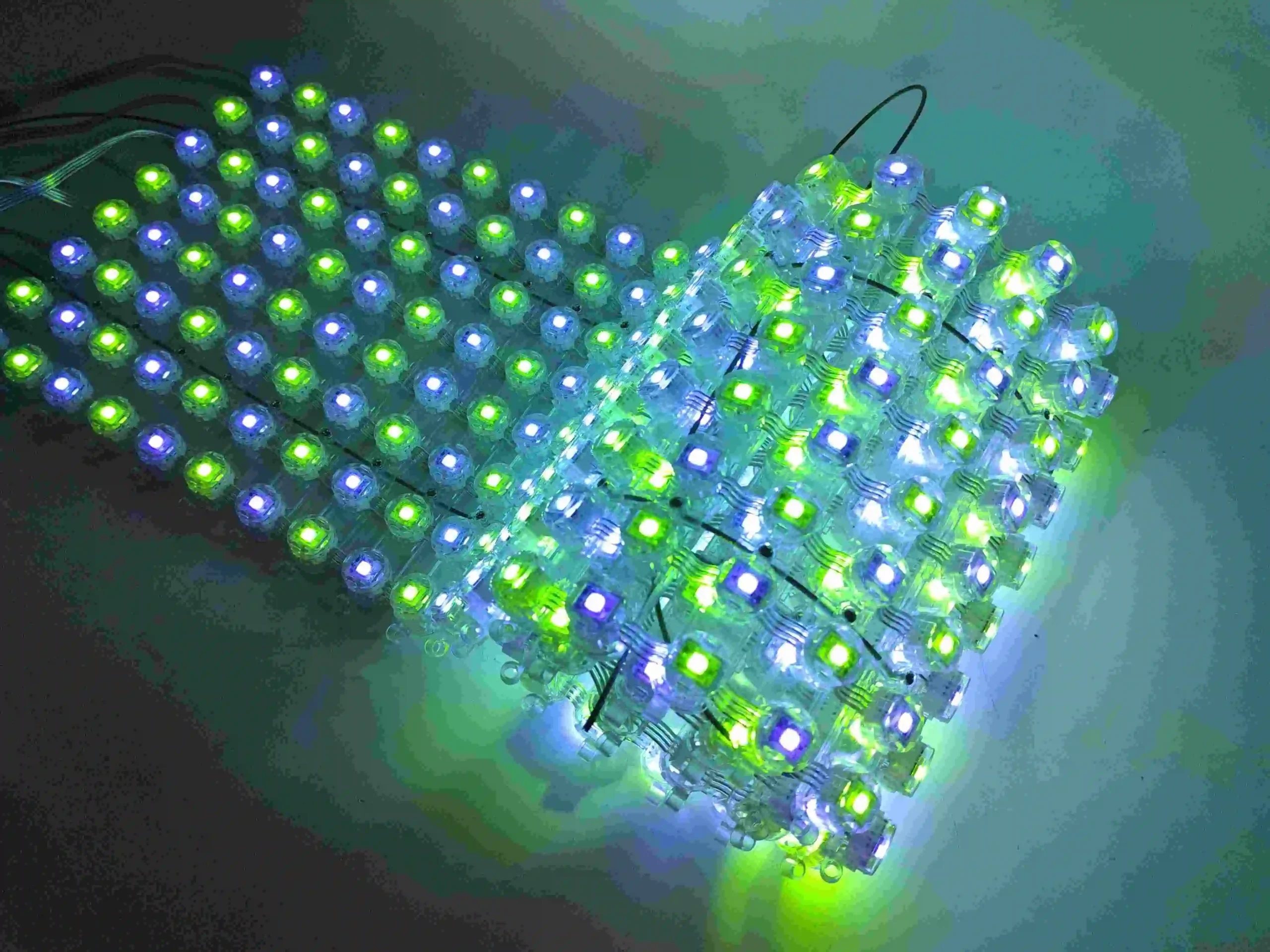
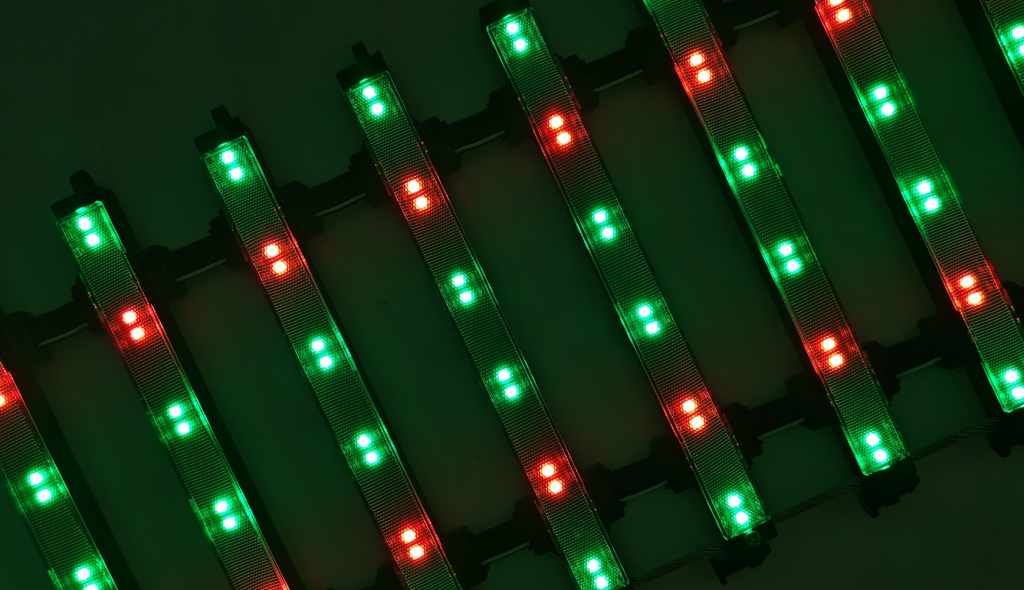
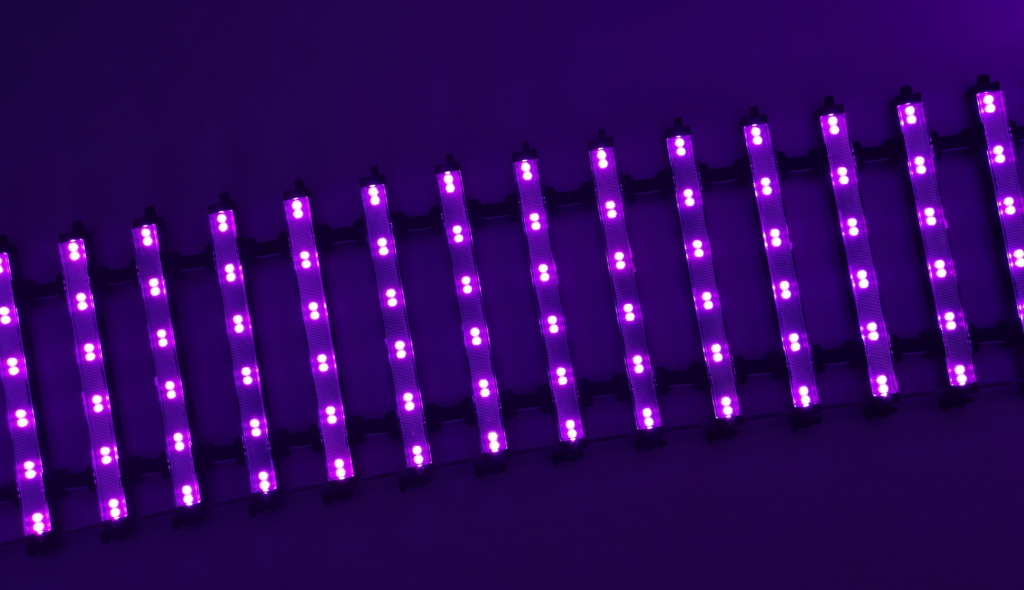
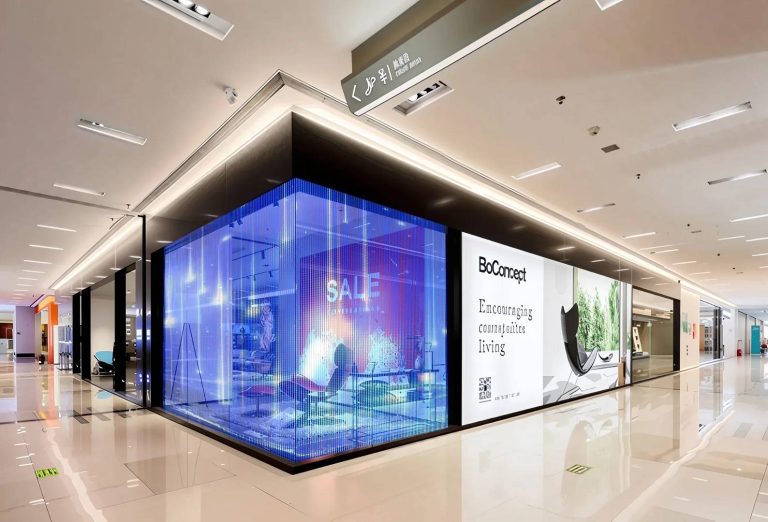
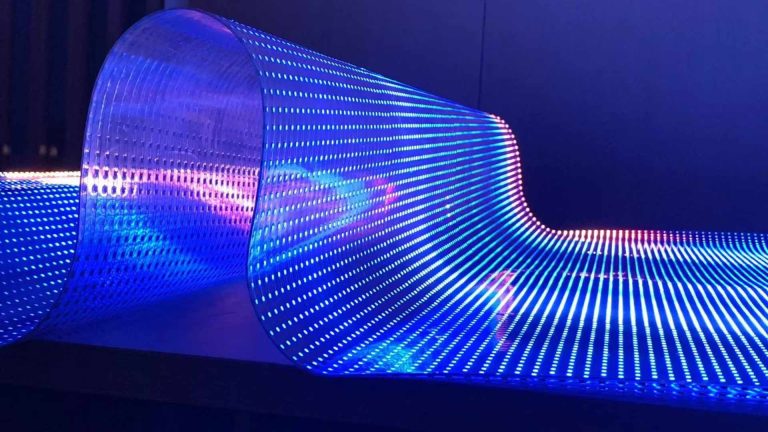
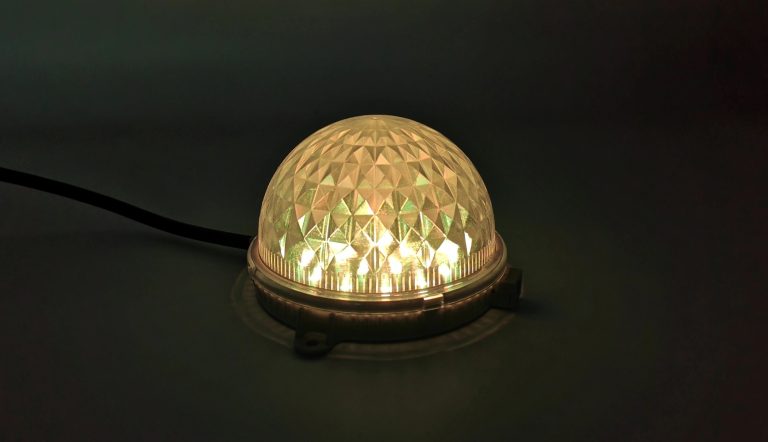
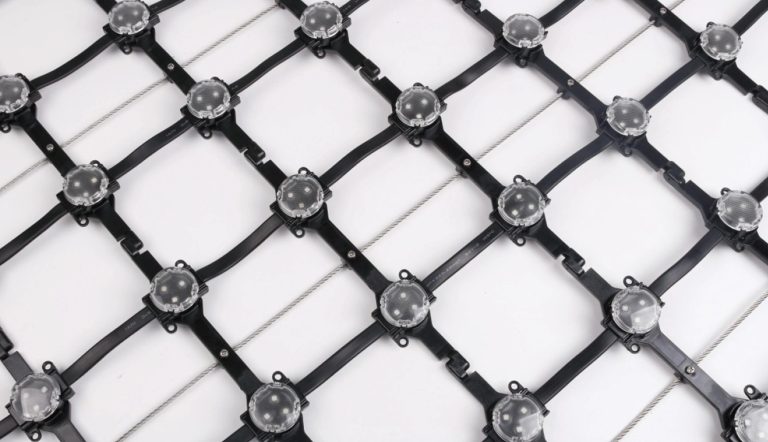
Now switch over to LED grid screens. These aren’t like old-school boards. They’re web-like setups of LED points. Picture linked spots of light on a bendy frame. The spaces between pixels make a clear-through look. It’s perfect for covering windows. Or fitting into fronts without hiding sights.
What stands out? Weight, to start. A same-size 10×10-foot grid might weigh less than 150 pounds. This comes from light aluminum frames. And spread-out parts. That’s a big shift for tall buildings or platforms. Where each pound fights against movement. Power smarts? It beats solid ones. It uses just 100-200 watts per square meter. About half the draw. Yet it still hits 4,000+ nits of light.
Setup? It’s more like stringing fest lights than lifting metal. Fast clips and lines let groups put it up in hours. Not days. And air moves right through those spaces. It keeps cool without fans buzzing away.
Folks with years in the game know grids fit lively areas. Take a theater rear drop. The open pattern lets actors glance through on signals. And the light build means no droop in the middle of a run. Or outside ads on a ballpark. Winds up to 100 mph? No issue. The style lets go of force like a flag.
Stacking Them Up: A Clear-Eyed Comparison
So, how do they line up straight? Let’s put it plain. No extra talk. Just facts from site checks and data pages.
| ميزة | Traditional LED Display | LED Grid Screen |
|---|---|---|
| Weight per sqm | 50-80 kg (heavy rigging needed) | 15-25 kg (easy hang or clip install) |
| Power Consumption | 300-500W/sqm (higher bills, more wiring) | 100-200W/sqm (greener, simpler setup) |
| Pixel Pitch | 1.5-10mm (ultra-sharp for close views) | 10-50mm (good for distance, airy look) |
| الشفافية | Opaque (blocks light behind) | 40-80% see-through (facade-friendly) |
| Wind Resistance | Moderate (up to 60 mph with braces) | High (100+ mph, flexible weave) |
| Install Time | 4-8 hours for 100 sqm | 1-3 hours for 100 sqm |
| Cost per sqm | $800-1,500 (premium for density) | $400-800 (value for large scales) |
Points for the fine details on ups and downs:
Traditional LED Pros:
- Super clear detail for close content, like item shows.
- No breaks at joins. Nothing pulls focus.
- Long life proven. Often 100,000 hours with good upkeep.
Traditional LED Cons:
- Heavy moves mean more work and move troubles.
- Warmth build can cut years in bright areas.
- Start costs rise with area.
Grid Screen Pros:
- Light as a bag. Almost folds for travel.
- Drops energy by 40-60%. From jobs I’ve followed.
- Shapes bend around turns without fuss.
Grid Screen Cons:
- Best from 20+ feet back. Up close, spots show like day stars.
- Shows need changes for the open plan.
- Not right for small words in meeting rooms.
Numbers support it. A 2023 look at city jobs found grids cutting put-up time by 60% on fronts over 200 sqm. While solids led in 80% of inside tasks under 50 sqm.
When Grids Steal the Show: Real-World Wins
Words don’t cost much. So let’s walk the ground. In Shougang, China, a bridge top got a fresh shine. An LED grid screen wrapped its metal frame. It covered 300 sqm. It took on salty sea winds without trouble. It sent traffic notes. That cut driver mix-ups by 30%. The light grid went in during one shift. Not weeks for a firm panel. That would need base changes.
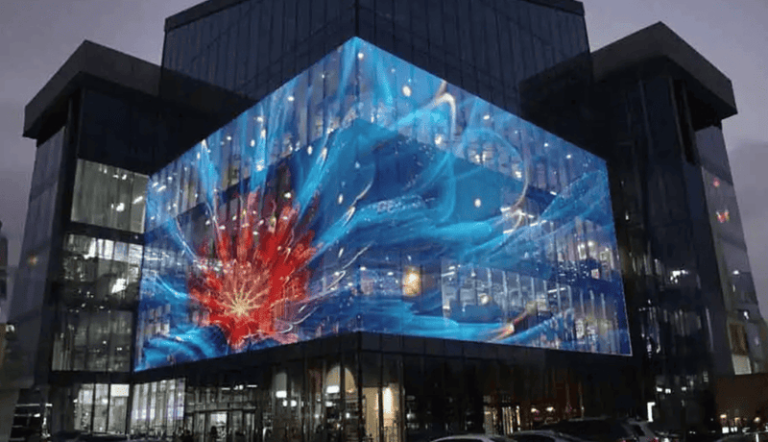
Switch to stages. A Xinjiang hotel’s Dele Building front glowed with a grid set for fests. It bent around the door. It let inside light flow out. While showing sales flashes. Fest folks cheered. The sights jumped without covering the build. Power cuts? They saw a 45% fall over using solid parts. That freed cash for audio boosts.
And for fast-change events, grids lead. Picture a quick concert in a green space. Teams hung 150 sqm of web over frames in under two hours. No lifts. No okay slips. Just hook and go. The group got deep back scenes that moved with air. Far from stiff walls that might fall in a blow.
These aren’t made-up. They’re from real work. Where a bad choice could have wrecked the spend or the feel.
Picking Your Winner: Factors That Tip the Scales
Your task isn’t one-size-fits-all. So your display shouldn’t be either. Begin with size. Under 100 sqm and inside? Solid’s tight pack wins for that close “wow.” But growing to wall skins or event frames? Grids’ simple and cheap ways take lead.
Money hits tough too. Solids load cash up front for tools and muscle. But grids thin out spends. Great if you’re starting small on a quick push. View range counts. Far road sights let grid’s gaps slide. Entrance waits need solid’s smooth touch.
Setting locks it. Wet shores or storm belts yell for grids’ air flow and bend. Dry, shut areas? Solids stay firm without worry.
Crank the math. For a 500 sqm front, a grid could save $200K in put-up alone. Plus steady power drops. But if clearness is your stand, take the solid path.
XinHe: A Reliable Hand in LED Grid Screens
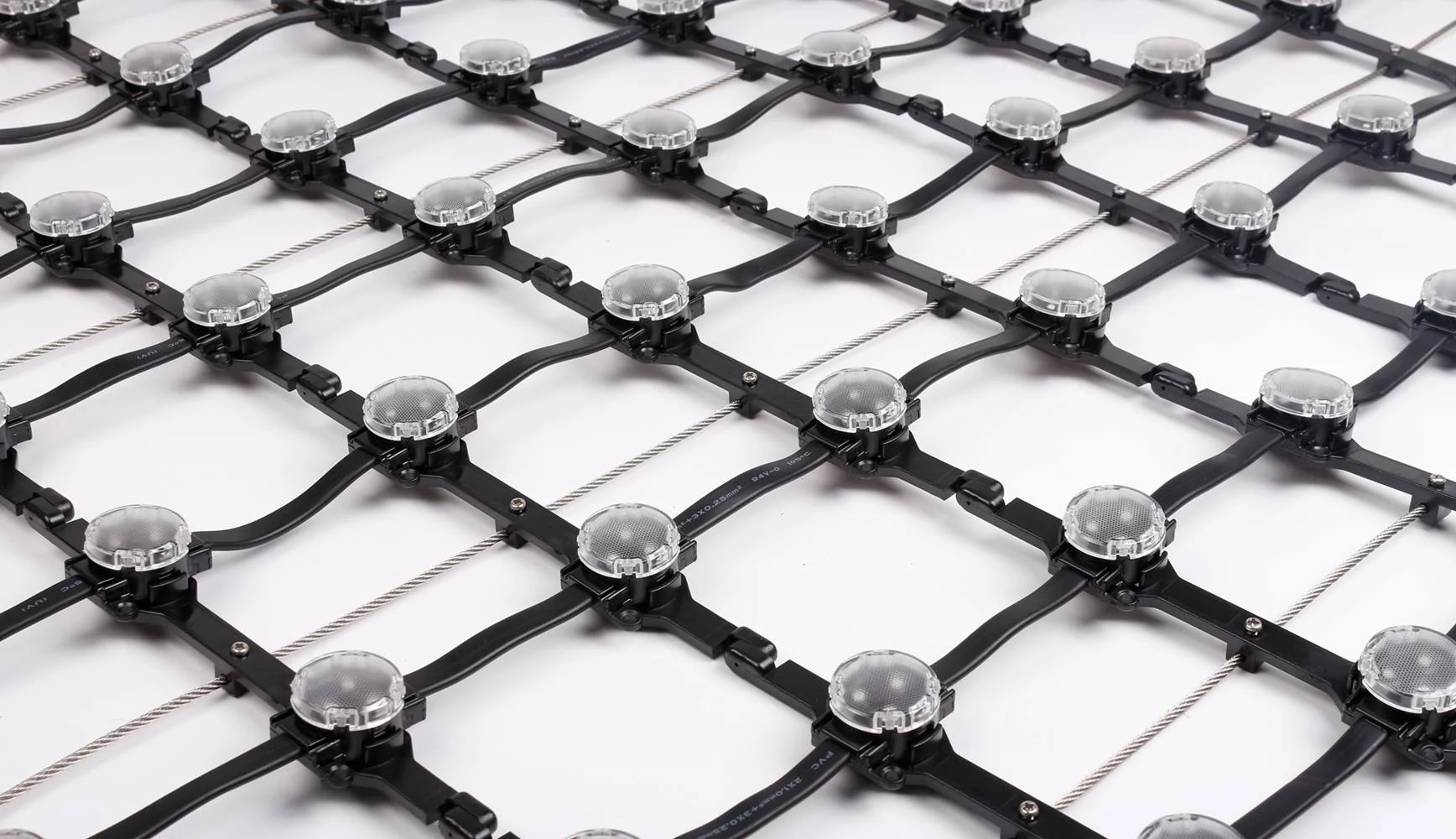
When it comes to sourcing top-notch LED grid screens, Shenzhen XinHe Optoelectronics stands out as a steady force. Founded back in 2004, this crew has clocked two decades honing point light sources and mesh displays under the “Bean” banner—think over 80 patents and a nod as the world’s biggest exposed light maker by 2013. Their Miracle Bean series, like the Star-H2503 for giant facades or the Chuxing-G30 for stage dazzle, packs IP67 waterproofing, DMX control, and pixel pitches from 25mm to 50mm. These aren’t off-the-shelf; XinHe’s التصميم الأصلي shop tailors everything from brightness tweaks to curve fits, with full-service installs that wrap projects in weeks.
What hooks pros? Their 6,000 sqm factory churns out gear that’s battle-tested—from Olympic emblems to bridge towers—while keeping lead times tight at 10-20 days for bulk. It’s the kind of partnership that turns headaches into highlights, backed by on-site guidance and a 2-3 year warranty.
Wrapping It Up
Choosing between an LED grid screen and a traditional LED display boils down to matching tech to your turf. If crisp, close-range punch is key, traditions deliver without fail. But for sprawling, breezy setups where weight and watts matter, grids bring the edge—lighter, leaner, and ready to roll. Either way, you’re lighting up success. Weigh your space, crowd, and cash, then build bold.
Frequently Asked Questions
What’s the biggest edge of an LED grid screen over a traditional LED display for outdoor projects?
Hands down, it’s the weight and wind savvy. Grids shave off up to 70% of the heft, making them a breeze to mount on high-rises or stages. Plus, that open mesh laughs off gusts that’d stress a solid panel.
Can an LED grid screen handle the same content as a traditional LED display?
Absolutely, with a twist. Both run video and graphics via DMX or sync, but grids shine best with bold, spaced designs—think logos or patterns that play to the weave. For fine print, traditions edge it out.
How does power use stack up in LED grid screen vs. traditional LED display setups?
Grids pull about half the electricity—100-200W per square meter versus 300-500W. In a 200 sqm install, that’s real savings on bills and generators, especially for all-night events.
Is an LED grid screen worth it for temporary events compared to a traditional LED display?
For pop-ups or tours, yes—setup’s twice as fast, and teardown’s a snap. We’ve seen crews flip a stage wall in hours, dodging the rigmarole of heavy panels.
When should I skip an LED grid screen for a traditional LED display?
If your crowd’s eyeballing from arm’s length, like in a conference hall, go traditional for that pixel-dense clarity. Grids are stars at distance, not up close.



 Arabic
  English
  Russian
  Spanish
  French