

Builders and designers use LED point lights often. You can find them on architectural facades, landscape lighting, signage, bridges, media walls, and permanent decorative installations. However, picking the right fixture is just the first step. The control protocol changes how your system handles signal stability, wiring, programming, scalability, and maintenance. DMX512 and SPI stand out as two regular choices for programmable LED point lights. Each one suits specific project needs. You should compare them before you buy anything. This step helps you stop controller mismatches. It also prevents unstable effects and expensive fixes during installation.
What Is the Main Difference Between DMX512 and SPI for LED Point Lights?
Both protocols handle dynamic RGB or RGBW effects well. However, they sort their data in different ways. The ideal choice relies heavily on your project size. It also depends on cable distance, budget, control requirements, and plans for future expansion.
How Does DMX512 Work?
People rely heavily on DMX512 for professional lighting control. A single DMX universe holds up to 512 channels. A basic RGB pixel usually takes up three channels. Meanwhile, an RGBW pixel normally needs four. This neat channel setup makes DMX512 a great fit for complex projects. These jobs require fixtures with clear addressing and coordinated control. Furthermore, Art-Net’s official documentation describes a DMX universe as exactly 512 channels.
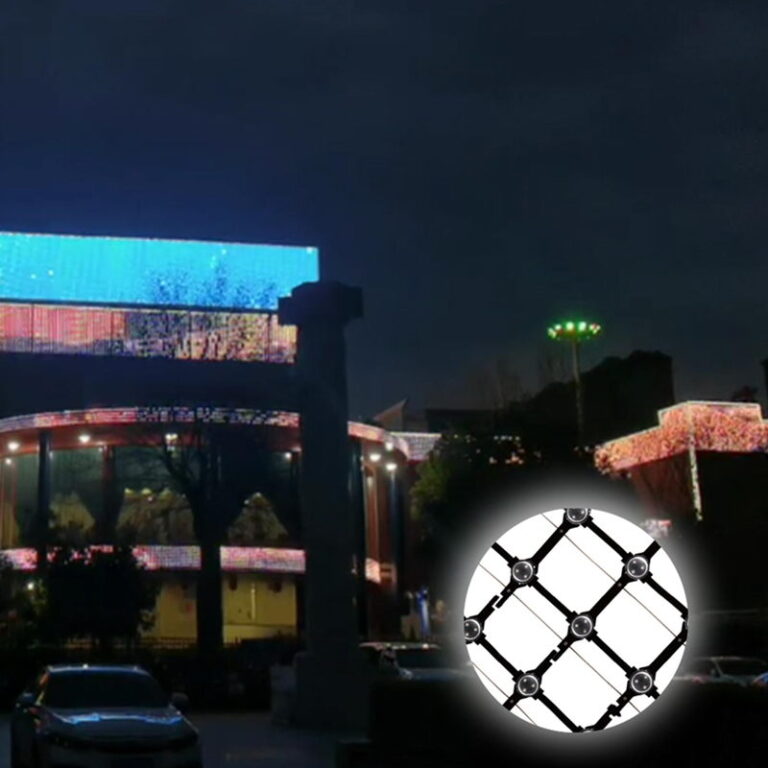
Buyers frequently pick DMX-based LED point lights for large structures. These include building facades, hotels, public landmarks, and commercial complexes. In these places, smooth system integration matters a lot.
How Does SPI Pixel Control Work?
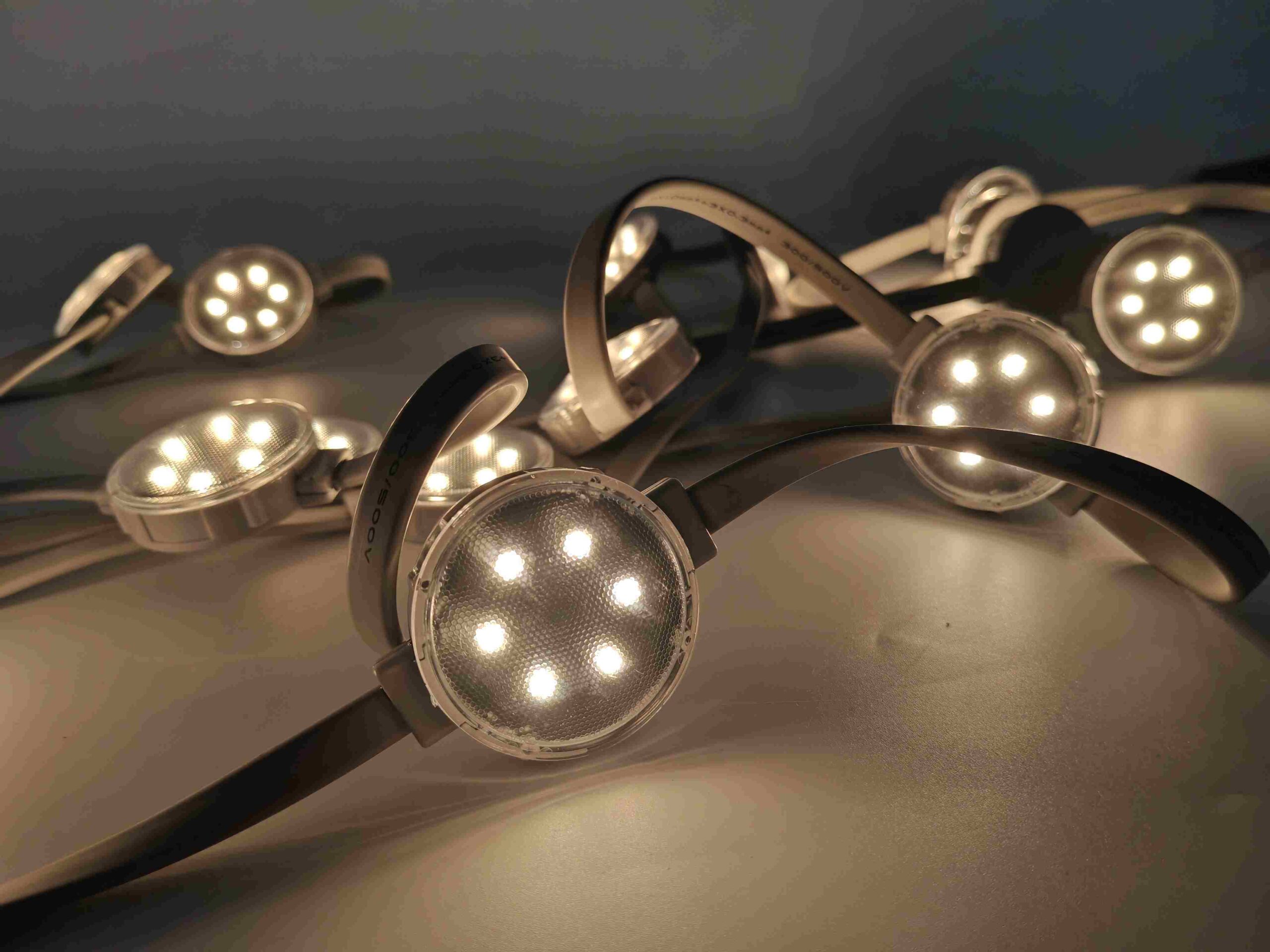
SPI-style pixel systems normally push digital data down a long line of addressable pixels. Popular pixel IC families feature WS2811 and UCS1903. You can find both listed in XinHe’s LED pixel guidance for SPI-based chains. This method delivers rich visual effects using fairly simple hardware. Therefore, it remains a popular pick for signs, decorative displays, holiday lighting, and smaller creative setups.
Data mostly flows through one pixel to the next in this setup. Because of this, you must check a few things carefully. Always review controller compatibility, signal distance, wiring layout, and fault behavior before starting.
Which Protocol Is Better for Large or Complex Projects?
System architecture grows more vital as pixel count and cable distance go up. A basic control method might work perfectly for a small sign. However, that same setup might fail on a multi-story facade.
Why Is DMX512 Often Chosen for Architectural Lighting?
DMX512 blends smoothly into professional lighting ecosystems. It also offers a very clear addressing structure. This protocol proves highly useful for demanding tasks. You will want it when a project needs multiple zones, synchronized scenes, or scheduled effects. It also helps when you must connect with lighting consoles and network control.
You can split larger projects across multiple universes. This division makes future expansion and system planning much easier to predict.
When Does SPI Make More Sense?
SPI becomes very practical when pixels sit close to the controller. It works best when wiring stays simple and saving money is your main goal. Installers use it often for decorative arrays, eave lighting, signage, and smaller programmable displays.
Long cable runs require extra care from installers. They must pay close attention to signal amplification and controller placement. Cable quality and proper power injection also become critical factors.
How Do DMX512 and SPI Compare in Cost and Maintenance?
Buying the cheapest fixture or controller rarely leads to the lowest total project cost. Many other expenses add up quickly. You must also consider installation labor, commissioning, troubleshooting, replacement access, and future expansion.
Which Option Can Reduce Installation Risk?
DMX512 might carry a higher upfront cost for the control system. However, its organized addressing structure and professional ecosystem help a lot. They make commissioning and fault isolation much simpler. This benefit holds great value for high-rise facades or public projects. In those places, reaching broken parts later can cost a lot of money.
SPI systems generally provide lower starting costs for compact projects. This is especially true when cable runs remain short. It also helps if the controller already supports the exact pixel IC you plan to use.
What Should Buyers Check Before Ordering?
Always check key details before purchasing your equipment. You must confirm the control protocol, IC model, and operating voltage. Also, verify the RGB or RGBW configuration, pixel quantity per output, and cable length. Finally, review the connector type, power requirements, and outdoor protection rating.
We suggest running a small sample test first. Use your intended controller, power supply, and the actual cable distance. This quick trial can expose hidden compatibility issues before you start bulk production.
Which Protocol Should You Choose for Your Application?
No single winner exists for every lighting project. The correct choice relies on your required effects and the installation environment. You must also think about the operating scale and long-term maintenance needs.
Choose DMX512 When Scalability Matters
DMX512 stands out as a solid option for commercial facades, bridges, cultural landmarks, and hotels. It also works wonderfully for large landscape projects and installations connected to professional lighting systems. It proves especially useful when you expect centralized control, future expansion, or synchronized programming.
Choose SPI When Simplicity Matters
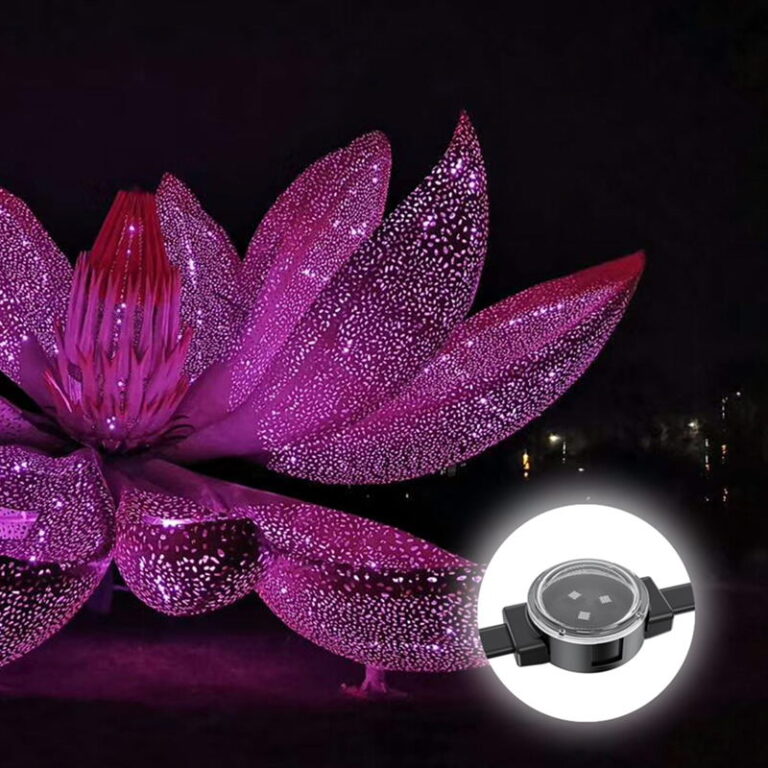
SPI usually fits perfectly for signs, small media features, and residential decorative lighting. It is also great for permanent holiday lighting and other cost-sensitive projects with manageable control distances. It can produce flexible pixel effects easily. Best of all, it skips the heavy complexity of a larger professional network.
Why Consider XinHe for LED Point Light Projects?
Picking a protocol gets much easier when your fixture supplier helps. They need to match product specifications to the electrical and control requirements of your installation. This matching process is extremely important for customized outdoor and facade projects.
A Specialized LED Point Light Supplier
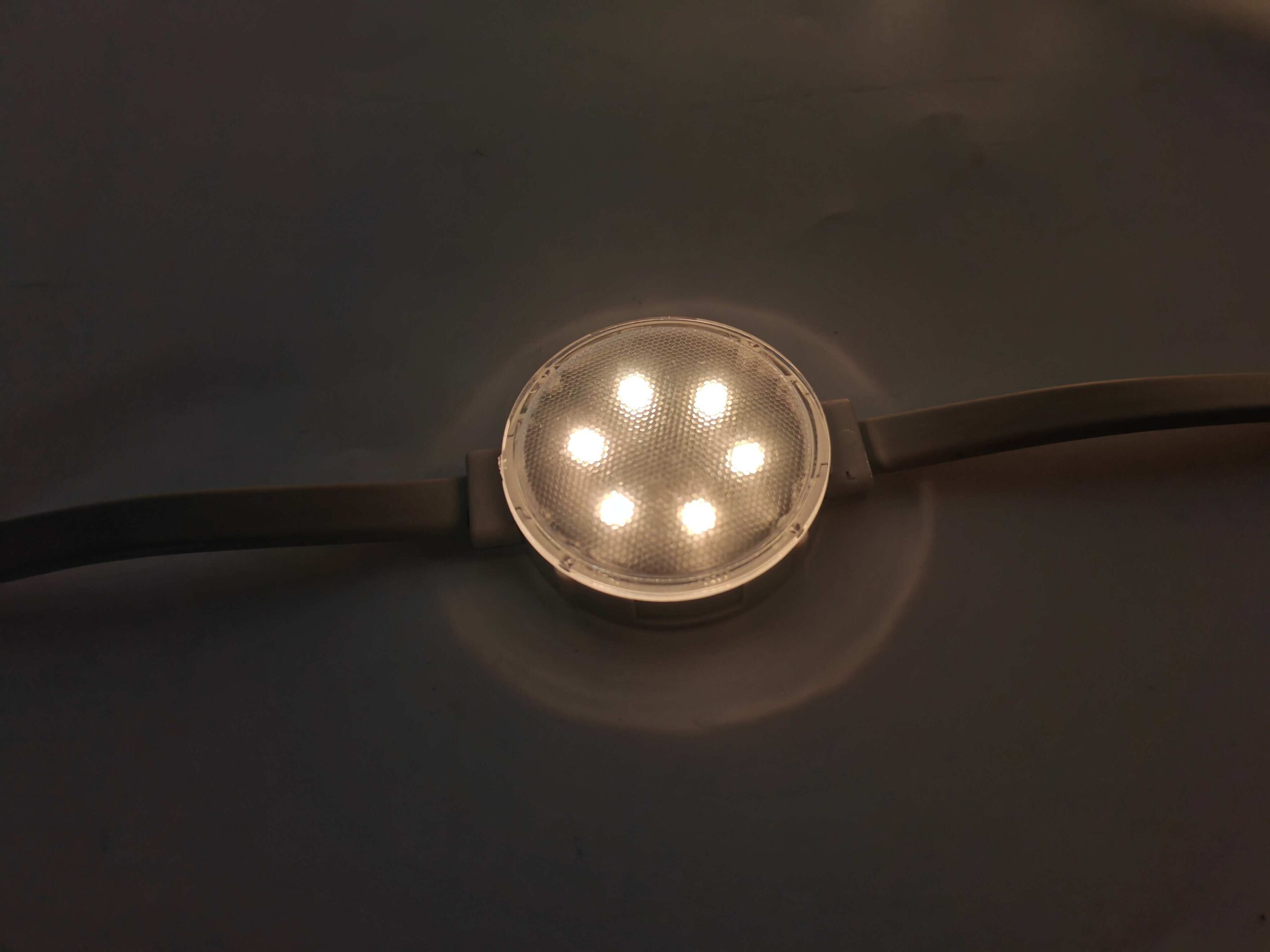
Shenzhen XinHe Lighting Optoelectronics Co., Ltd notes that it has focused entirely on LED point light sources and related display products since 2004. Its broad portfolio includes programmable LED point lights meant for architectural and decorative applications. Furthermore, XinHe offers reliable IP67 DMX512 LED point lights. These offerings feature DC12V RGB models designed for building decoration and landscape projects.
The company also supplies helpful project-related services. These include solution design, engineering budgeting, product supply, and on-site guidance. This support gives project buyers a very practical advantage. They can easily discuss fixture specifications, control compatibility, installation conditions, and customization before placing a bulk order.
What Is the Best Choice for Your Project? Conclusion
DMX512 and SPI can both generate stunning programmable LED point light effects. However, they serve very different priorities. DMX512 generally fits better for professional projects. These jobs demand structured addressing, scalability, integration, and easier maintenance. On the other hand, SPI looks attractive for compact, cost-sensitive installations. In those setups, simple architecture and dense pixel effects hold the most importance.
Your final decision must consider the complete system rather than just the protocol alone. You should carefully match your LED point lights, controllers, power supplies, cables, and software. Planning your installation distances from the very beginning also helps. This careful planning will improve system stability and reduce commissioning problems later.
FAQs
Can DMX512 and SPI LED Point Lights Use the Same Controller?
They cannot do this automatically. A few controllers do support multiple protocols. Even so, the output format, pixel IC, voltage, and wiring must match the LED point lights exactly. You should always verify this compatibility before ordering any parts.
How Many RGB LED Point Lights Can One DMX512 Universe Control?
A single DMX universe gives you exactly 512 channels. Suppose each independently controlled RGB pixel uses three channels. In that case, one universe can theoretically manage 170 RGB pixels. This setup leaves just two channels unused. Meanwhile, RGBW pixels typically require four channels. That specific layout allows you to control up to 128 pixels per universe.
Is DMX512 Better Than SPI for Outdoor Facade Lighting?
DMX512 often stands out as the stronger choice for large professional facades. It earns this spot because it supports structured addressing, system expansion, and professional lighting integration. However, SPI can still perform quite well outdoors. You just need to plan carefully. Make sure your signal distance, controller placement, power distribution, and fixture specifications are all set up properly.




 English
  Arabic
  Russian
  Spanish
  French