

Introduction
When architects and building owners consider digital signage for glass-faced structures, they often face a tough trade-off: show bold visuals or keep clear views. Traditional LED walls might block light and views. That’s where transparent LED screens step in. They open up fresh design possibilities—letting a facade beam dynamic content while preserving the view behind the glass. In short: you get advertising or branding power and maintain visibility through the facade.
What Are Transparent LED Screens?
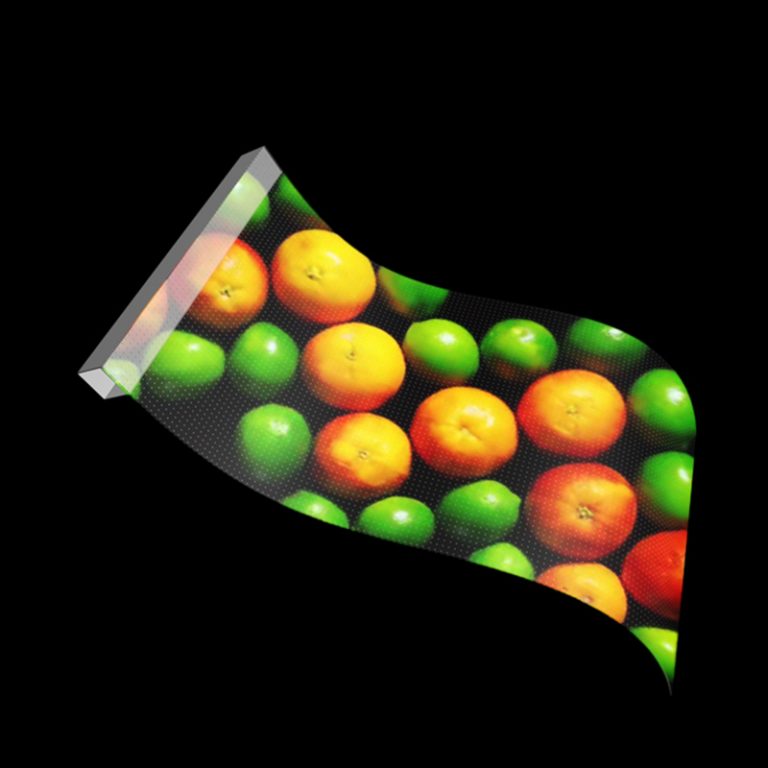
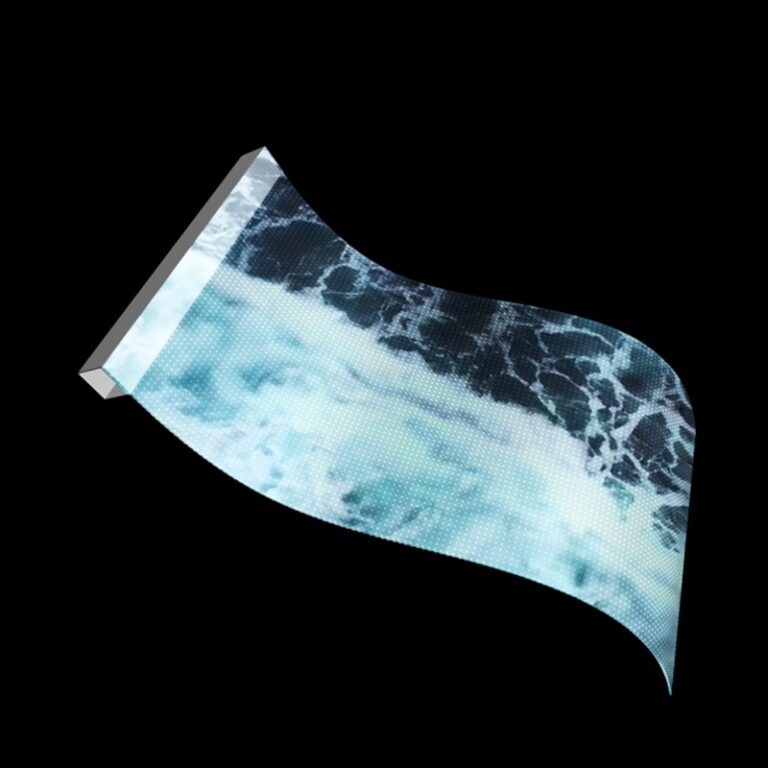
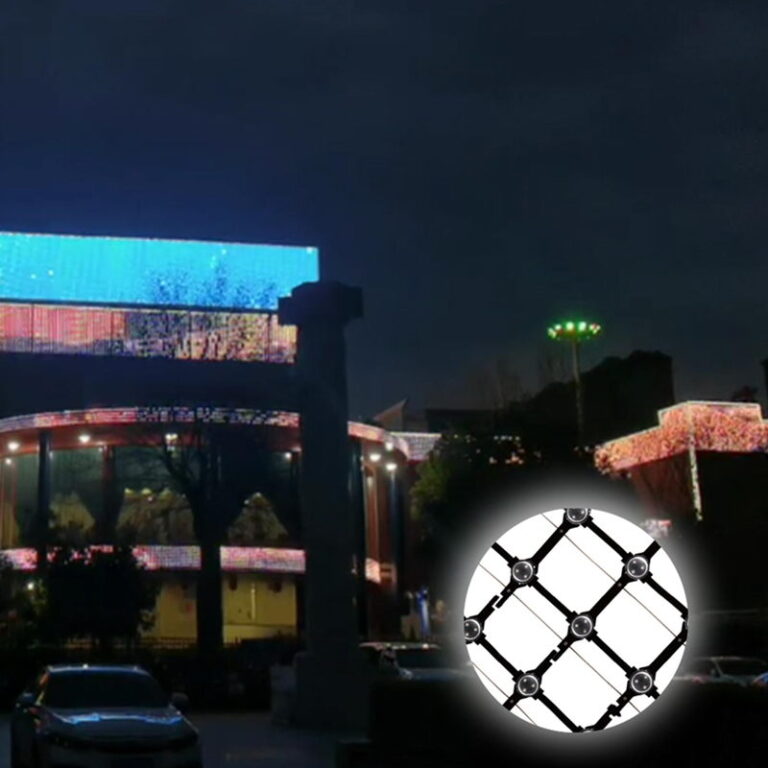
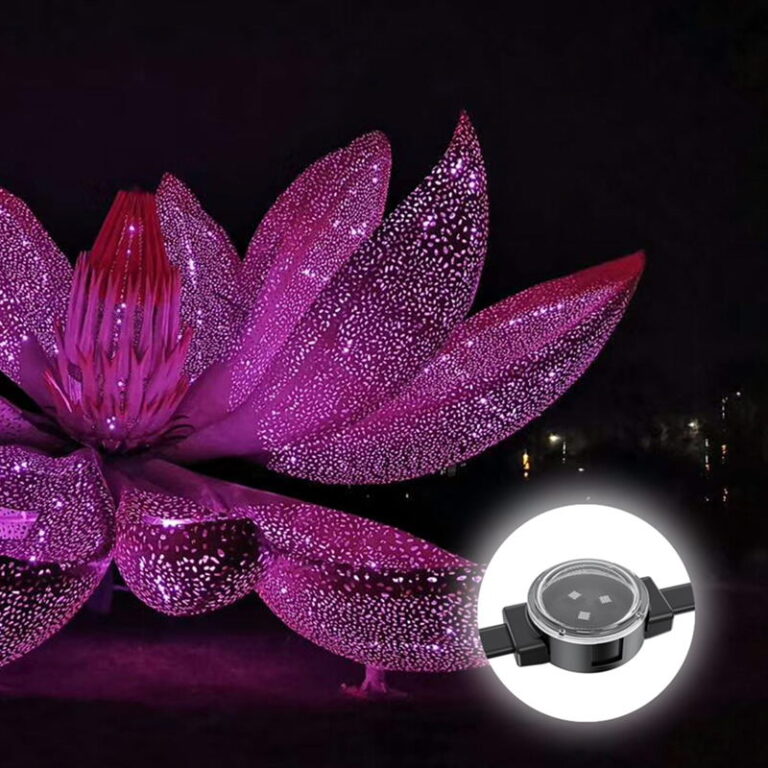
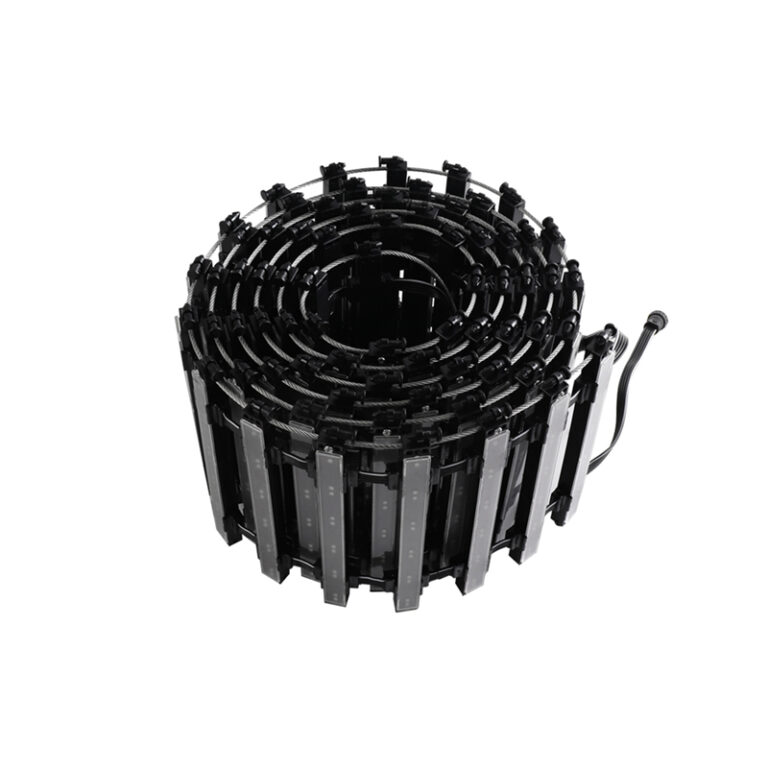
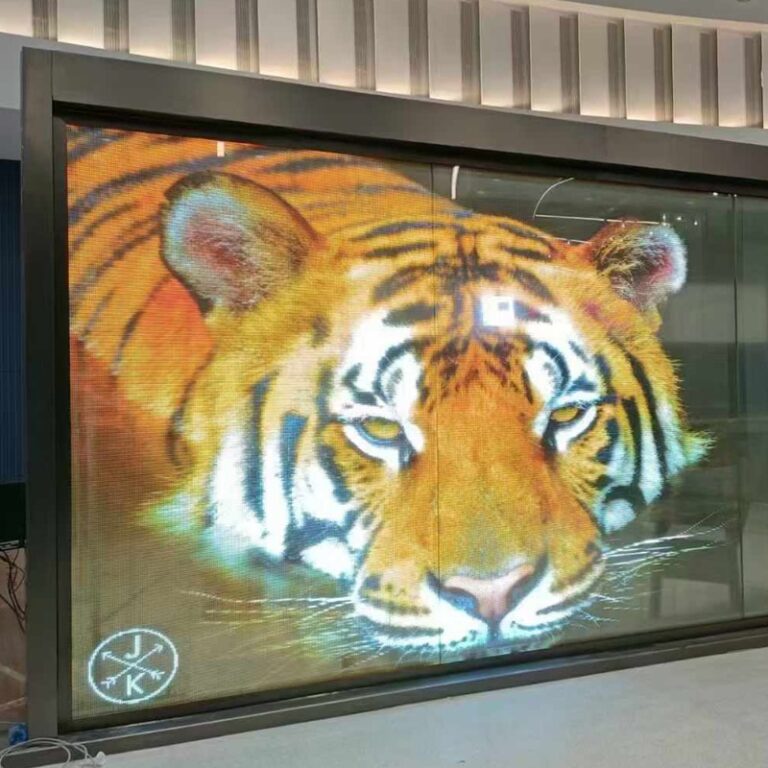
Transparent LED screens are display modules built into lightweight film, mesh or panel systems that attach directly to glass curtain walls or window surfaces. Because they use LED point light sources spaced out across a transparent medium, they allow light and views to pass through behind the screen.
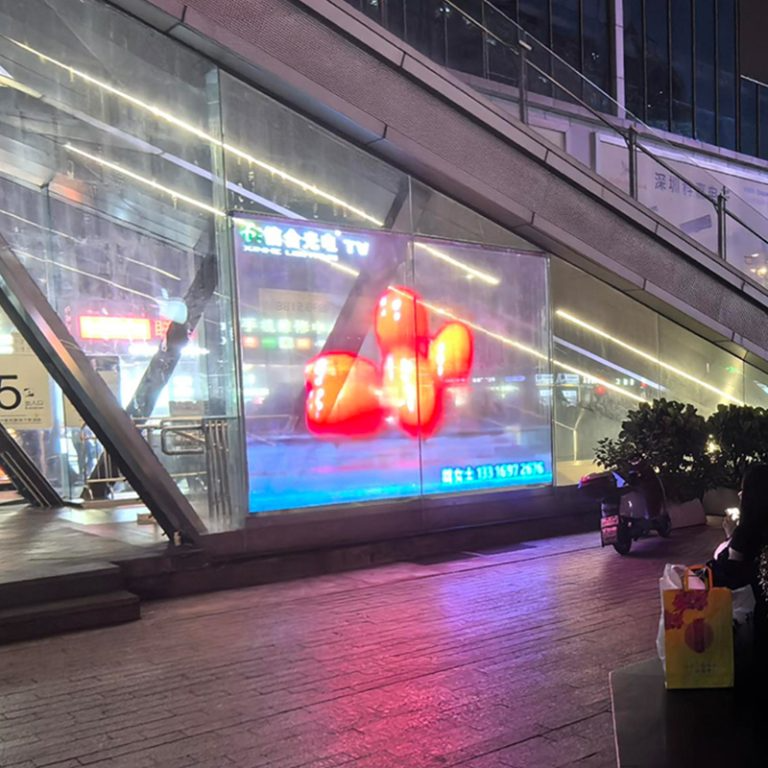
Key features:
- High transparency rate (often 60-80 % or more)
- Thin and lightweight construction to minimise load on glass
- High brightness (to compete with daylight)
- Ability to display full colour video, text and imagery
- Flexible mounting options: film, mesh, panel
In practical terms, you can install the screen on a building’s glass facade and still see inside—or outside—while the screen runs visuals. This transforms windows from passive surfaces into high-impact digital elements.
Why Building Facades Benefit from Transparent LED Screens
Preserve Views while Adding Brand Impact
Imagine a retail store on the ground floor of a shopping plaza. With a transparent LED screen, shoppers walking by see both an eye-catching animated logo and the luxury products behind the glass. The screen doesn’t block the view; it enhances it.
For corporate towers, that means floor-to-ceiling glass remains showing city vistas, interiors or daylight, while the exterior gains a digital face. This dual role boosts aesthetics and branding simultaneously.
Enhanced Daylight and Energy Benefits
Because transparent LED systems allow natural light inside and views out, they reduce the need for heavy blackout panels or opaque signage. That translates to better occupant comfort and daylighting, which supports energy efficiency.
For example:
- A 70 % transparency screen still lets most daylight through
- Minimal obstruction means less need for interior lighting during the day
Lightweight, Low Structural Impact
Older glass facades or retrofits often struggle with heavy LED walls. Transparent LED modules typically weigh far less, which means:
- Glass stresses stay low
- Fewer structural modifications needed
- Faster installation
Outdoor-Ready for Both Day & Night
Modern transparent LED screens offer high brightness (2000–5000 nits or more) so they remain visible in direct sunlight. They also come with weather-proofing (IP ratings) for outdoor façade use. This combination makes them viable for full exterior use rather than just interior displays.
Flexibility for Curved or Irregular Facades
Many new buildings use curved glass or irregular shapes. Transparent screens come in film or mesh forms that flex or wrap around curved surfaces. That means no longer being limited to flat walls. You can turn entire glass towers into dynamic canvases.
Real-World Considerations: What to Watch Before Installing
Technical parameters to check
Here is a table of the key specs and how they matter for building facades:
| Spec | Why it matters for facades | Typical target value |
|---|---|---|
| Transparency rate | Maintains natural view and daylight | 60 %+ for outdoor glass |
| Pixel pitch | Determines resolution vs cost | 6 mm–16 mm for facade use |
| Brightness | Competes with ambient daylight | 3000 nits or more |
| Module thickness / weight | Minimises impact on glass & structure | < 15 kg/m² or film style |
| Weather resistance (IP) | Enables outdoor durability | IP65 or better |
| Structural load on glass | Prevents damage to facade | Confirm with glass vendor |
Pain points often seen on projects
- Installing a heavy LED wall on glass without verifying load capacity
- Choosing low-transparency screens that block views and daylight
- Installing screens without considering viewing angles or brightness in daylight
- Using modules not rated for outdoor use or harsh environment
- Poor cabling or support behind glass leading to sagging or visual artifacts
Example scenario
A commercial tower retrofit in a downtown business district replaced plain glass panels with transparent LED screens. The result: day-time clarity of office interiors remained, while evenings brought dynamic branding to the facade. The install was completed in eight weeks. Owner noted 15% increase in visibility for tenants and positive feedback from passers-by.
Installation and Maintenance Insights
Transparent LED facade installations require careful planning:
Installation tips
- Verify the glass panel support and structure before mounting
- Use light adhesive or mechanical fixes suitable for thin modules
- Ensure cables are hidden and don’t obstruct transparency
- Align modules precisely to maintain visual continuity across panels
Maintenance tips
- Clean the modules regularly—dust and grime reduce transparency and brightness
- Inspect for module wear, wiring damage or loose fixings every 12-18 months
- Keep spare modules ready for quick swap-outs to minimise downtime
A proactive maintenance plan keeps the display looking sharp and functioning correctly without interfering with building operations.
The Future of Building Facades with Transparent Displays
As the demand for digital architecture grows, transparent LED screens will become a standard part of façade design rather than an add-on. Expect:
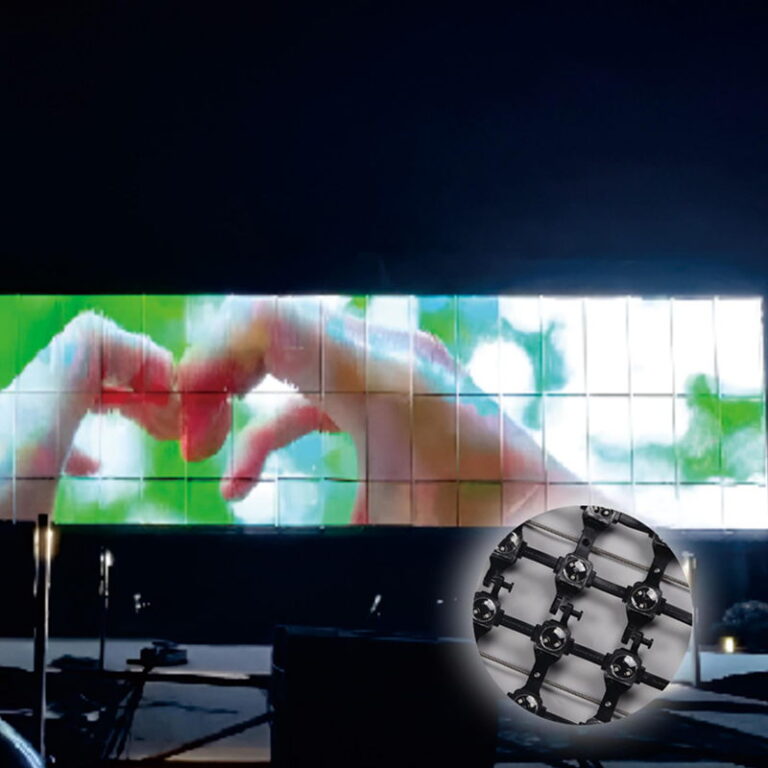
- Glass curtain walls that double as animated exterior surfaces
- Smart lighting and display systems integrated with building management
- Higher transparency rates and thinner modules enabling near-invisible screens
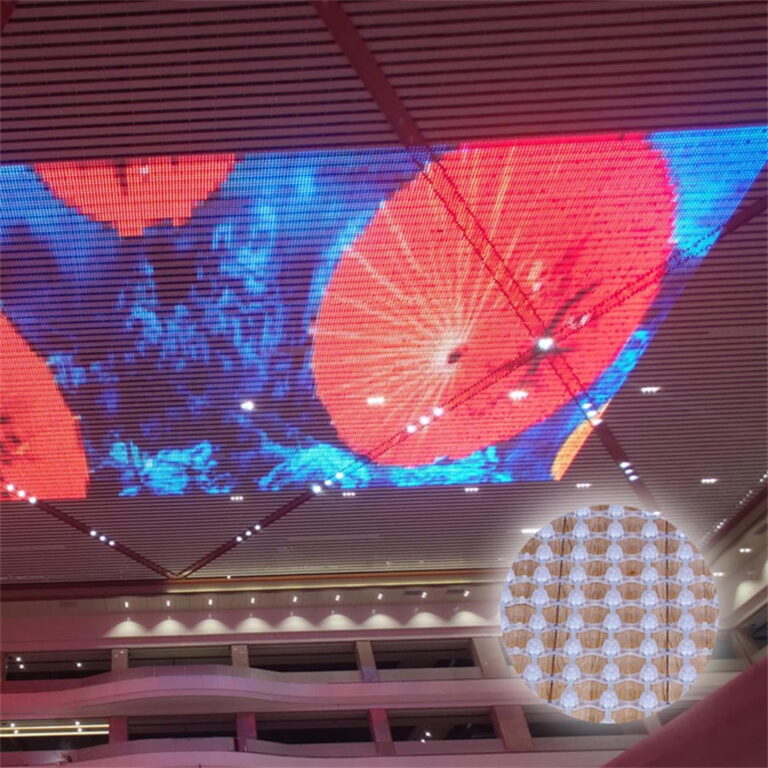
- Multi-layer glass media walls showing adverts, information or ambient visuals without compromising views
In essence: the building facade becomes both scenery and screen.
Shenzhen XinHe Lighting Optoelectronics Co., Ltd
Shenzhen XinHe Lighting Optoelectronics Co., Ltd. (operating under the website “ledpointlight.com”) has been active in the LED display industry since 2004. They focus on designing and manufacturing LED point lights, LED building lighting and especially LED flexible transparent screen solutions. Their facility includes production lines, quality control systems and finishes tailored to large-scale architectural facades. Their experience helps building owners and installers convert glass walls into high-impact digital surfaces while retaining views and daylight.
Conclusion
Transparent LED screens offer a rare win in facade design: they let you showcase digital content without sacrificing natural light or scenic views. Whether you’re upgrading a retail storefront or outfitting a landmark tower, the right screen transforms your building’s exterior into a dynamic canvas—day and night. When done right, you retain daylight, preserve transparency and boost visual impact—all at the same time.
FAQs
Q1: How do transparent LED screens preserve views on building facades?
They use spaced-out LED point light sources embedded in a clear medium, allowing light and vision to pass through while showing content.
Q2: Are transparent LED screens suitable for both indoor and outdoor glass facades?
Yes. Outdoor versions deliver high brightness and weather-proofing, while indoor versions prioritise higher transparency and lighter weight.
Q3: How does module thickness affect building facade installation?
Thinner, lighter modules reduce structural load on glass curtain walls, making installation easier and less disruptive to views.
Q4: Will transparent LED screens interfere with daylight inside the building?
If you choose a high transparency screening (60 % or more) and match brightness correctly, daylight and views remain largely unaffected.
Q5: How do I maintain a transparent LED screen on a facade to keep views and visuals sharp?
Regular cleaning, visual inspection of modules and wiring, and quick swaps of faulty modules will keep both the display and transparency performing well.



 English
  Arabic
  Russian
  Spanish
  French