

Transparent LED display technology is now a key option for retail shops and commercial buildings. It also helps architectural projects show digital content. It does this without hiding natural light or changing the building’s original look. The Crystal Truss Screen is a great choice among these options. It has a very thin build and lets a lot of light through. You can also install it in many ways. Still, buyers often just look at how bright or nice a transparent LED display is. They tend to miss a crucial technical detail. That detail is pixel pitch.
Picking the proper pixel pitch impacts picture clarity and the viewer’s experience. It also changes how much light passes through, the energy used, and the total cost. The right pixel pitch helps the screen show the desired images. At the same time, it keeps the screen light and clear for glass setups. Because of this, retail brands and building designers must think carefully. Engineering firms should also check the pixel pitch. They need to look at viewing distance and where the screen will go. The display’s main goal matters too. They should not just pick the smallest pitch they can find.

Why Is Pixel Pitch Important for Crystal Truss Screen Selection?
You must know how pixel pitch changes screen performance before buying a Crystal Truss Screen. Pixel pitch is the gap between two LED dots next to each other. A smaller pitch usually packs more pixels into a space. This creates sharper picture details. On the other hand, a larger pitch lets more light pass through. This makes it a better option for people watching from far away.
How Does Pixel Pitch Affect Image Quality?
People often stand close to the screen in indoor commercial spaces. For instance, they might be near mall doors or retail shop windows. Exhibition halls are similar. In these spots, shoppers might watch digital ads from just a few steps back.
A smaller pixel pitch creates smoother pictures in these cases. It also makes text sharper and improves video quality. For instance, P4 or P5 transparent LED displays work very well here. They are ideal when people need to read detailed content from a short distance.
Yet, a smaller pixel pitch is not always the best pick. More pixels mean the screen needs more LED parts. This extra hardware can raise the price. It might also block a bit more light. Buyers must weigh picture quality against the building’s design goals.
How Should Different Pixel Pitches Be Used in Different Projects?
Every project has unique viewing setups. Because of this, no single pixel pitch fits all uses perfectly.
The Crystal Truss Screen line from Optoélectronique Xinhe offers many pixel pitch choices. These include P4, P5, P6, P8, P10, P16, and P20. These options help meet varied needs. They handle different viewing distances and light needs. They also support various visual goals.
What Pixel Pitch Is Suitable for Retail Storefronts?
Shop fronts aim to grab the buyer’s eye. At the same time, they want to keep the items behind the glass visible. A transparent LED display must offer a striking digital show. However, it should not turn the glass into a solid, dark wall.
Shoppers stand very close to the glass at luxury shops and car showrooms. Brand display areas are similar. A smaller pixel pitch helps keep pictures crisp. It also makes product videos and promo clips look sharp.
Still, keeping the glass clear matters a lot. Buyers must be able to see the items and the store layout inside.
What Pixel Pitch Works Better for Architectural Glass Facades?
Big building tasks often involve glass curtain walls or large commercial sites. Transit hubs are another example. These places usually have long viewing gaps. People might watch the screen from many meters away.
A larger pixel pitch gives good enough visual results here. It also lets more light in and lowers the system’s power needs. In addition, it keeps the screen light. This low weight makes transparent LED setups great for huge walls.
Teams must think about a few things for building exterior projects. They should check the setup height and the viewing gap. The nearby area and the type of media shown are also vital.

How Does Pixel Pitch Influence Transparency and Brightness?
Being able to see through the glass is a huge plus for the Crystal Truss Screen. Normal LED displays do not have this feature. Even so, the pixel pitch you pick directly alters this clear view.
Why Does Higher Pixel Density Affect Transparency?
A smaller pixel pitch packs more LED parts into one area. This setup boosts picture details greatly. However, it can shrink the empty gaps between the LED dots.
A larger pixel pitch normally gives a clearer view. This happens because more daylight can travel through the screen’s frame.
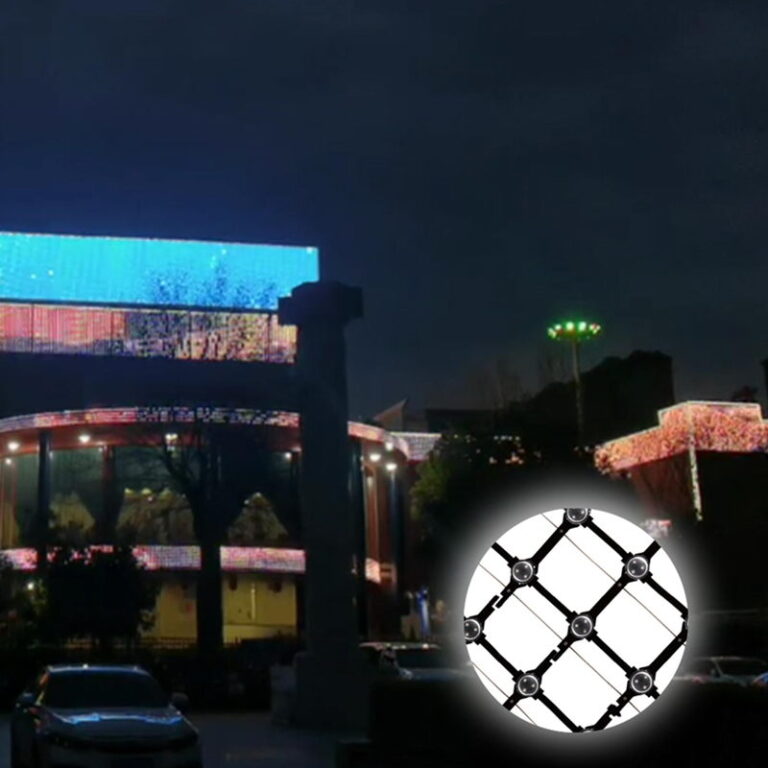
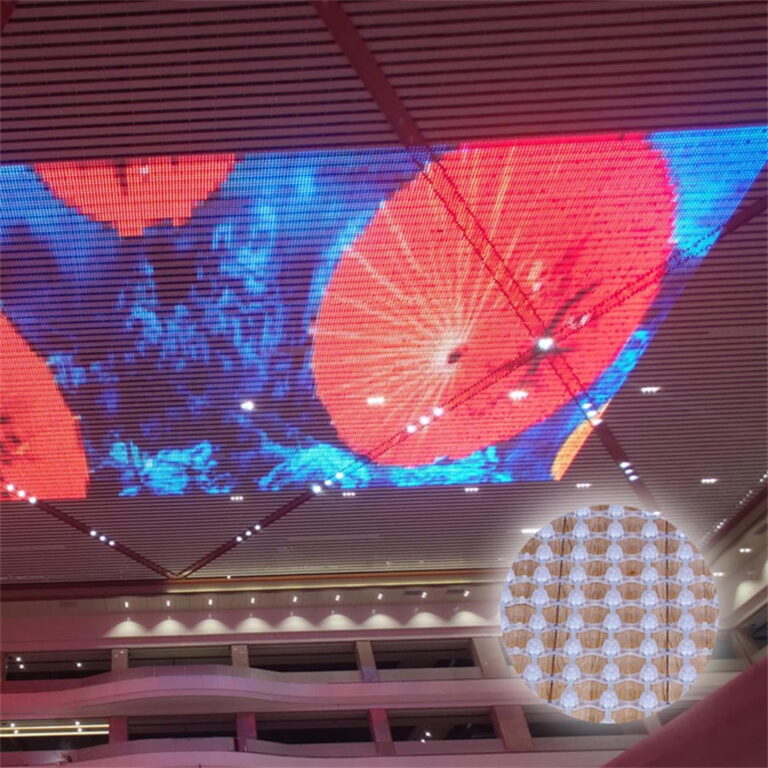
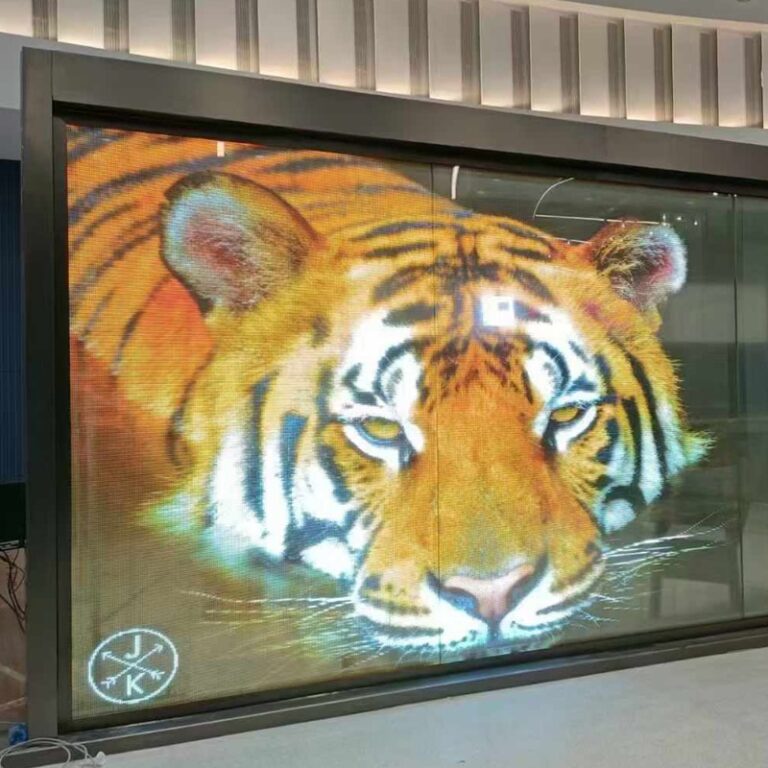
The Crystal Truss Screen by Xinhe Optoelectronics uses a very clear film base. It also features tiny metal grid tech. Certain setups can reach nearly 95% clarity. This lets sunshine enter the room while the digital screen still works well.
Should Brightness Be Considered Together With Pixel Pitch?
Yes, it should. The needed brightness relies on the setup area.
Indoor shop screens might not need super intense light. On the flip side, glass walls facing the sun need much stronger light. This extra brightness keeps the content easy to see.
Xinhe’s Crystal Truss Screen items can produce very bright and clear visual results. Some of these products reach brightness levels that fit commercial and building needs perfectly.
A good vendor will check brightness, clarity, and pixel pitch all at once. They should not just suggest a single spec on its own.
What Other Factors Should Be Considered Before Choosing a Crystal Truss Screen?
Pixel pitch matters a lot. Yet, buyers must look at it along with the setup space and the project’s main targets.
Does Installation Location Affect Pixel Pitch Selection?
Yes, it does. The exact same screen model might act differently based on its location.
For instance, a screen inside a mall might focus on close-up picture quality. A building exterior might care more about letting light in. Viewing gaps and saving power are also big factors there.
Project teams need to check a few facts before picking a model:
- Setup height and how far viewers will stand
- Indoor or outdoor settings
- The needed level of clear view
- The kind of media to show
- Glass layout and mounting style
Should Future Maintenance Be Considered?
Huge commercial screens usually run for many years. Because of this, planning for future repairs is a key step.
A good pixel pitch can cut down on wasted money. It also makes sure the screen fits long-term needs. Project managers must look past the first buying price. They need to think about daily running costs and repair ease. Swapping out parts should be simple too.
Why Choose Xinhe Optoelectronics for Crystal Truss Screen Projects?
Shenzhen XinHe Lighting Optoelectronics Co., Ltd. has focused on LED point light sources since 2004. They also make grid screens and building lighting tools. The firm offers product delivery and project mapping. They provide engineering help and custom designs for commercial and building lighting tasks.
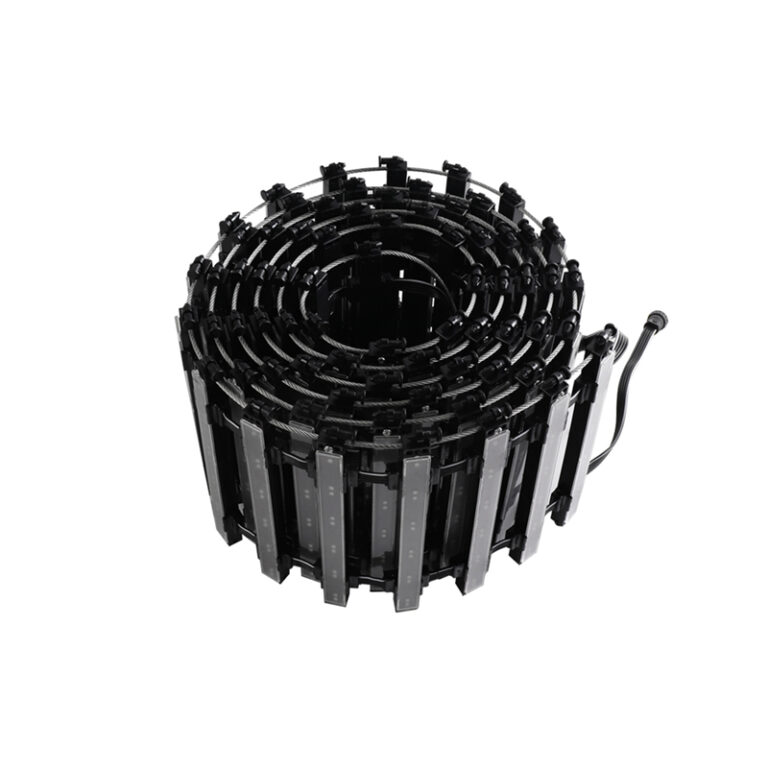
Their Crystal Truss Screen items offer flexible setup and a very thin build. They let lots of light pass through and come in custom sizes. These screens also work well with many glass types. Xinhe Optoelectronics uses expert making methods and strict quality checks. They have strong technical support teams. This helps clients build solid transparent LED display setups.
Conclusion
Picking the correct pixel pitch is a vital step. It matters a lot when buying a Crystal Truss Screen for shops and buildings. A smaller pixel pitch gives sharper pictures for close-up viewing. Meanwhile, a larger pixel pitch offers a clearer view. It also saves money for massive wall projects.
The top choice relies on viewing distance and the setup spot. Media needs and light goals play a part too. The project budget is also key. Companies and designers should weigh these facts together. This helps them find a good mix between strong visuals and building design.
FAQs
What Is the Best Pixel Pitch for a Crystal Truss Screen?
There is no perfect pixel pitch for all tasks. Smaller pitches like P4 or P5 fit close-up viewing well. On the other hand, larger pitches like P10, P16, or P20 work nicely for big buildings. These are ideal when people look from far away.
Does Smaller Pixel Pitch Mean Better Crystal Truss Screen Performance?
Not in all cases. A smaller pixel pitch boosts picture details. However, it can raise prices and block more light. The proper choice rests on the project’s exact needs.
How Do I Choose a Crystal Truss Screen Supplier for My Project?
A trusted vendor will offer good pixel pitch advice. They base this on setup spaces and viewing gaps. Light needs, clear views, and overall goals matter too. They must also provide technical help and custom designs.


 French
  English
  Arabic
  Russian
  Spanish