

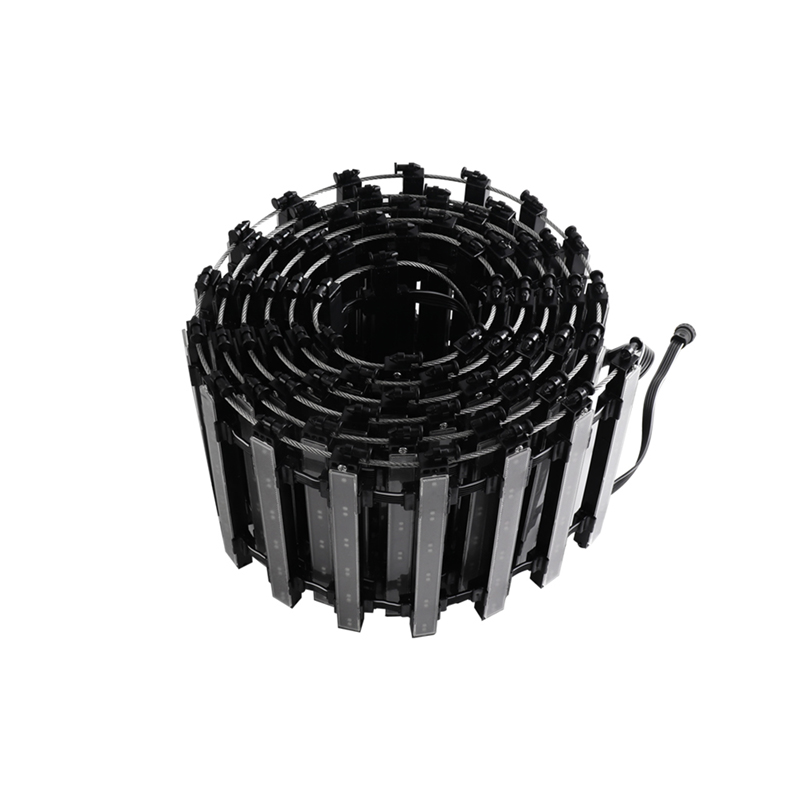
Shipping a large LED grid screen is not a routine carton-counting exercise. The display must arrive in an order that supports safe unloading, protected storage, efficient lifting, correct facade sequencing, and traceable commissioning. Because grid-screen units can be rolled for transport and assembled on site, logistics can reduce volume compared with rigid cabinets, but only when packaging protects point lights, cables, connectors, and mounting parts from compression and confusion. A project logistics plan should connect the factory module map directly to the installation sequence.
What Information Should Drive the Shipping Plan
Begin with the as-approved elevation, zone map, installation program, access equipment, delivery restrictions, storage conditions, and lifting strategy. Confirm whether the facade will be installed by floor, elevation, bay, or vertical drop. The packing list should follow that same sequence. Also record maximum carton dimensions and weights allowed by the transport route, loading dock, goods lift, crane, hoist, scaffold, or roof access.
Create a carton to facade zone map
Every package should identify project, elevation, zone, module range, quantity, gross and net weight, handling orientation, and related accessory cartons. Use matching codes on the physical screen units, drawings, controller map, and installation checklist. A carton-to-zone map lets the site team release only the packages needed for the next work area instead of opening the full shipment to locate one component.
How Should Rolled Grid Screen Units Be Protected
The packaging design must control bending radius, compression, abrasion, impact, moisture, and movement. Protective layers should separate light nodes and prevent connectors or metal hardware from pressing into adjacent surfaces. Cable tails need secure but gentle restraint. Cartons or cases should support the roll evenly and prevent heavy items from being stacked where they could deform bases or stress wiring.
Match packing to the exact product configuration
Le XH-Fanxing L20006 LED grid screen is published with different pixel arrangements, maximum power values, and screen weights. Its listed screen weights range from 3.1 kg to 6.5 kg for the displayed configurations. Logistics calculations must use the ordered unit and packed dimensions, not a generic product-family estimate. Include mounting parts, power and control equipment, cables, spares, and packaging in handling-weight calculations.
How Should Containers and Vehicles Be Loaded
Plan loading so packages cannot slide, tip, or carry loads they were not designed to support. Keep moisture-sensitive electrical equipment protected and separate sharp structural parts from screen units. The unloading sequence matters: items needed first at site should not be trapped behind later-phase materials. Photograph the completed load, security measures, carton condition, and seal information before dispatch.
Prepare for transport and customs handoffs
Commercial documents, packing lists, marks, quantities, and weights should agree. The consignee needs the delivery schedule, vehicle or container details, site contact, unloading requirements, and process for reporting visible damage. For international work, the buyer and logistics provider should confirm current customs, import, labeling, and documentation requirements for the destination rather than relying on assumptions from an earlier shipment.
What Should Happen When the Shipment Reaches Site
Inspect seals and external packaging before unloading, then record dents, water marks, punctures, or shifted loads. Count packages against the packing list and photograph exceptions before materials are moved. Open selected cartons according to the inspection plan and verify labels, product condition, connector protection, and accessories. Quarantine damaged or unidentified items so they do not enter the installation sequence accidentally.
Use controlled temporary storage
Store units in a dry, secure area with stable support and clear aisles. Respect package orientation and stacking limits defined by the supplier. Separate materials by facade zone and protect labels throughout handling. Power supplies, controllers, and receiving equipment should remain traceable to their electrical and data zones.
How Can Logistics Support Faster Installation
Create daily or weekly installation kits that combine the correct screen modules, mounting parts, cables, connectors, labels, and drawings for one zone. Deliver kits to the work face only when the access platform and installation team are ready. This reduces searching, repeated movement, and the risk that components for several elevations become mixed.
Coordinate lifting with modular assembly
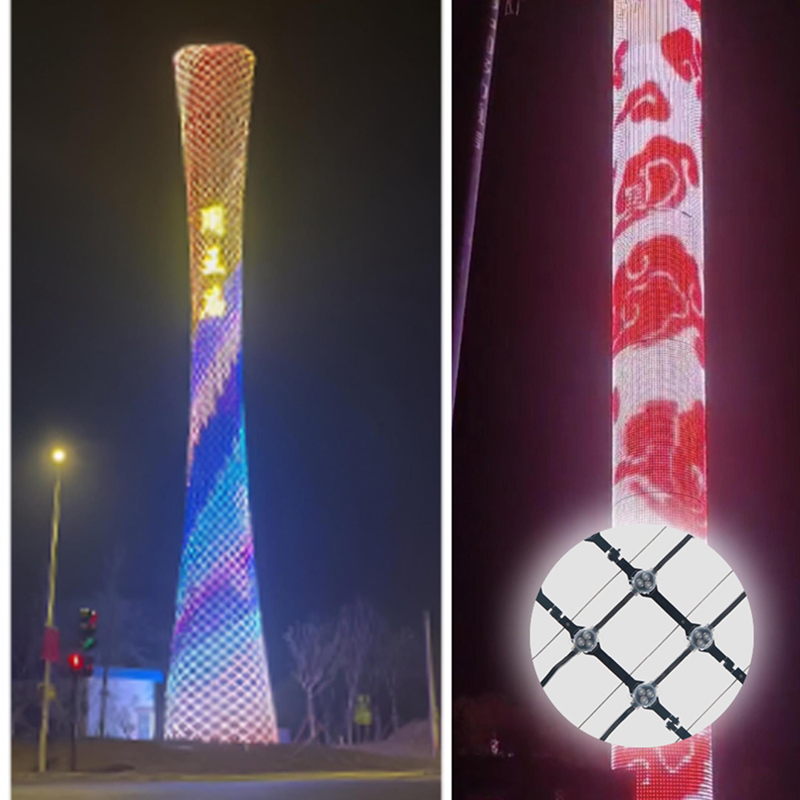
Xinhe describes its grid screens as modular, with pin splicing and steel-wire fixation intended to support efficient assembly. The XH-Chuxing G30 page lists screen weights of 1.8 kg and 2.25 kg for its displayed configurations. Those product values can inform planning, but lifting points, temporary supports, wind limits, crew roles, and safe-work methods must be engineered for the complete project and site conditions.
What Records Are Needed for Installation and Claims
Maintain receipt records, delivery photos, damage reports, carton opening logs, zone issue sheets, missing-item reports, and transfer records between storage and installers. Link damaged products to carton numbers and photographs before disposal or repair. Keep packing materials until the agreed inspection window closes when claim procedures require them.
Why Choose Xinhe Optoelectronics for Grid Screen Projects
Founded in 2004, Optoélectronique Xinhe specializes in point light sources and grid screens used in architectural landscape and advertising lighting. Its published services include product supply, solution design, engineering budgeting, and on-site guidance. The current LED grid screen product range includes modular systems whose configuration should be coordinated with packaging, labeling, transport, and installation plans.
Conclusion
Good logistics preserves product quality and installation logic from factory to facade. Pack by zone, protect rolled units from compression and abrasion, load in unloading order, inspect before acceptance, store by elevation, and issue complete installation kits. The plan should use verified project weights and dimensions and remain linked to the module, power, and control maps. Confirm project-specific packing and delivery needs with the supplier through its official contact page before dispatch.
FAQs
Can LED grid screen modules be rolled for shipping
Xinhe’s project information states that finished unit screens can be rolled for packing and shipment. The permitted roll method and protection must follow the exact product configuration and supplier instructions.
Should LED grid screen cartons be packed by installation zone
Yes. Zone-based packing improves traceability and lets installers release materials in facade sequence. It also reduces repeated handling and helps isolate shortages or transport damage.
What should be checked immediately after delivery
Check transport seals, external damage, moisture evidence, package count, labels, and selected internal condition. Photograph exceptions before moving or opening affected packages and follow the agreed claim process.








 French
  English
  Arabic
  Russian
  Spanish