

Shopping malls have changed dramatically in the last decade. Foot traffic isn’t guaranteed anymore, tenants expect stronger visibility, and OOH (out-of-home) advertising costs keep climbing. At the same time, malls are under pressure to stay visually fresh without turning every campaign into a construction project.
This is exactly why LED flexible transparent screens have moved from “interesting new tech” to a practical, ROI-driven solution for modern mall environments. By turning glass façades, railings, and storefront windows into dynamic digital surfaces, malls can reduce operating costs, elevate tenant branding, and keep the property visually active—all without blocking daylight or covering up architecture.
Below is a deep look at how this technology works and why it’s becoming a core media asset for shopping centers worldwide.
Why Shopping Malls Need a Smarter OOH Strategy
Mall operators deal with a recurring set of challenges:
- Printed campaigns get expensive fast. Seasonal promotions require constant reprints, overnight installs, and disposal of old materials.
- Lightboxes and rigid LED cabinets age poorly. Lamps burn out, acrylic yellows, and heavy structures require ongoing maintenance.
- Tenant expectations keep rising. Brands want more freedom to express their identity and run timely campaigns without high setup costs.
- Renovation budgets are tight. Even small design upgrades can involve metal frames, structural adjustments, and downtime.
The reality is simple: malls need high-impact visual messaging that doesn’t increase operational complexity. LED flexible transparent screens fit that need almost perfectly.
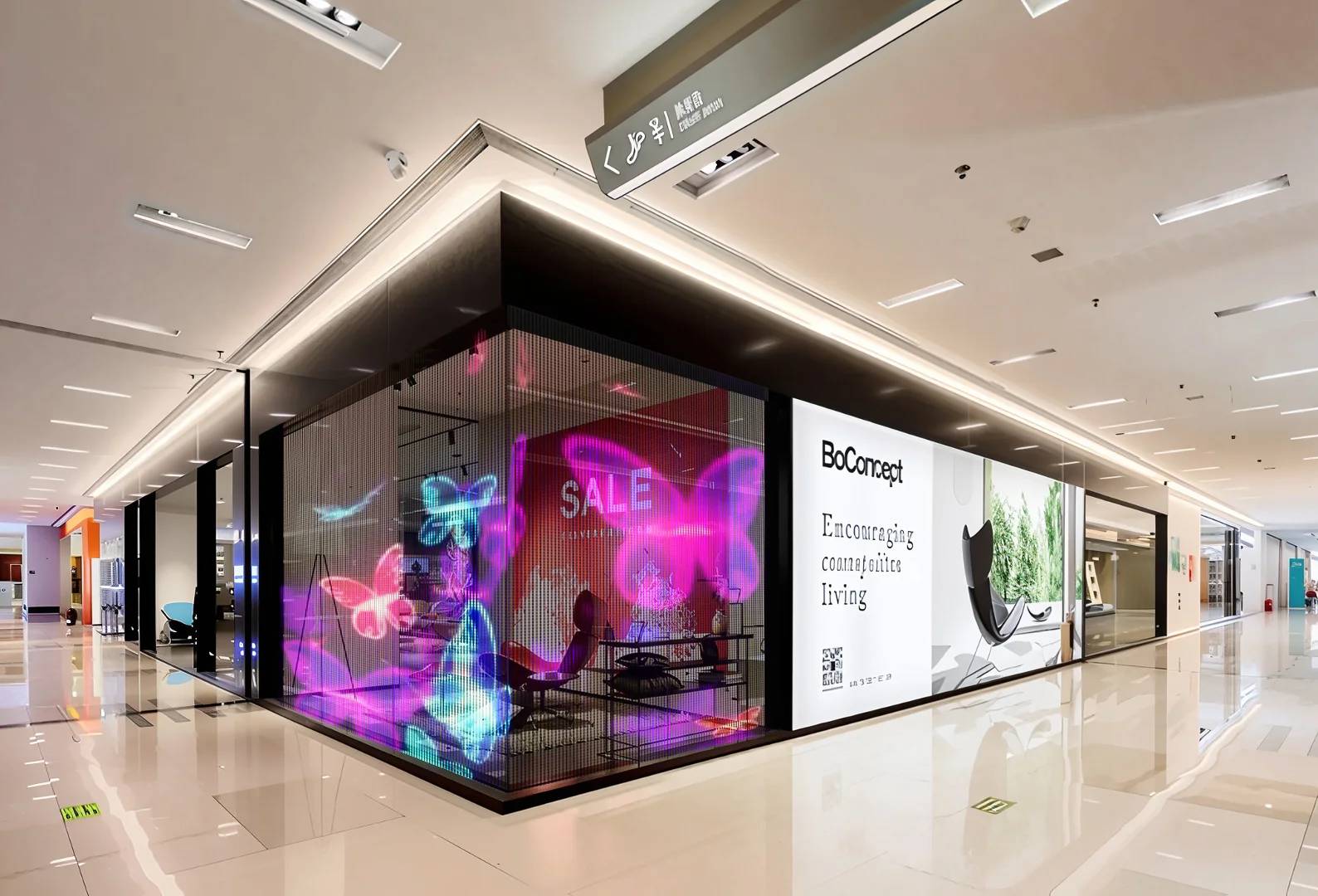
What Makes LED Flexible Transparent Screens Different?
Unlike bulky LED cabinets, these screens use an ultra-thin transparent film as the LED carrier. The film is flexible, extremely light, and designed to mount directly onto glass—even curved or irregular surfaces.
Key traits include:
- Thin form factor (under 2 mm)
- High transparency (near 95%) so the mall stays bright and open
- High brightness (up to 6000 cd/㎡) for sunlit atriums and glass façades
- Cuttable and bendable modules that adapt to almost any design
- Quick installation without metal frames or heavy support
- Compatibility with video, animation, text, and interactive content
- Remote and cluster management for multi-screen environments
For malls with large curtain walls, glass storefronts, or open atriums, the physical fit is nearly perfect.
How LED Flexible Transparent Screens Reduce OOH Costs
This is where mall operators see the biggest win. The long-term cost reductions are not theoretical—they’re real and noticeable.
No More Constant Printing and Manual Campaign Changes
Traditional mall marketing relies on:
- Weekly or monthly poster swaps
- Multiple vendors
- After-hours installation teams
- Frequent reprints due to fading or damage
With digital content, updates happen in seconds. Marketing teams can push a “New Arrivals” animation to every storefront in the building without touching a single piece of paper.
Result: Lower recurring spending, fewer late-night installs, and faster campaign execution.
No Metal Frames or Large Construction Work
Rigid LED screens typically require:
- Steel framing
- Heavy brackets
- Power routing upgrades
- Ceiling structure reinforcement
LED flexible transparent screens skip all of that. They:
- Mount directly on existing glass
- Require minimal wiring
- Can be installed quickly with far fewer personnel
This cuts both upfront cost and downtime—critical for malls that can’t afford days of disruption.
Lower Energy Use Than Traditional LED Cabinets
The thin-film design uses advanced LED packaging and efficient heat-dissipation structures. The result is:
- Lower power consumption
- Longer component life
- Reduced cooling needs
For malls running digital signage nearly 12–16 hours a day, this makes a measurable difference on utility bills.
Centralized Software Control Reduces Management Costs
Most malls have fragmented signage systems—lightboxes, standalone screens, tenant-owned displays. Managing them is messy.
LED flexible transparent screens allow:
- Multi-screen scheduling
- Remote updates for all areas
- Automatic playlist rotation
- Control of façade, atrium, and storefront displays from one interface
Marketing teams save hours every week, and tenants enjoy more timely promotions.
How These Screens Boost Tenant Branding
Beyond cutting costs, LED flexible transparent screens help malls strengthen relationships with tenants and increase leasing value.
Storefront Windows Become High-Impact Digital Billboards
Imagine a fashion tenant launching a new collection. Instead of swapping posters or installing temporary screens, their storefront window becomes a full digital experience:
- Models in motion
- Detail close-ups
- Color story transitions
- Limited-time promos
And the best part? Customers can still see into the store. The screen doesn’t block merchandise or interior lighting.
Malls Can Sell Premium Media Packages
As more malls adopt these screens, they’re creating new revenue streams by offering:
- Digital storefront packages for tenants
- Atrium-screen advertising slots
- Seasonal campaign placements
- Building-façade promotional takeovers
The screens essentially transform glass surfaces into rentable media assets—something static posters could never deliver at scale.
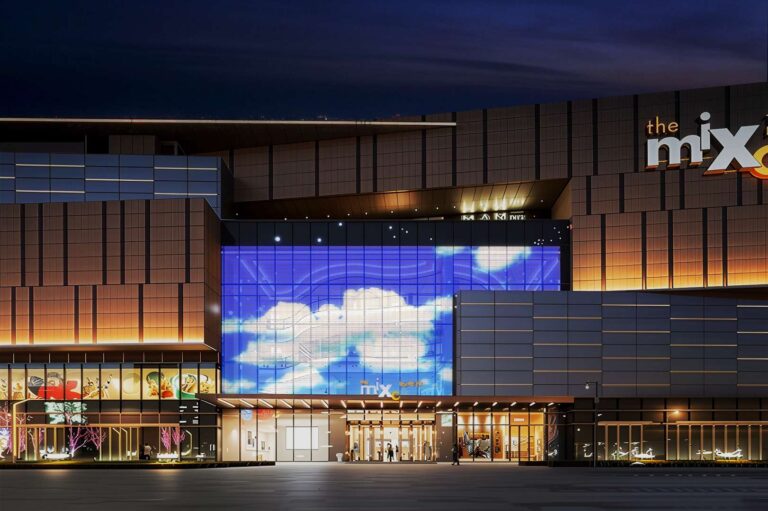
Large Glass Curtain Walls Become Signature Mall Features
A mall’s exterior is its identity. LED flexible transparent screens allow the property to:
- Run synchronized nighttime shows
- Celebrate holidays with animated themes
- Feature brand partners during major events
- Turn the building into a landmark visual attraction
Because the screen remains clear when content is off, the architecture always stays clean and modern.
Unlock Modern Content: AR, 3D, Sensor-Driven Interaction
Today’s shoppers respond to digital experiences. These screens support advanced content formats such as:
- Interactive elements triggered by movement
- Animated “floating” graphics
- Soft 3D effects on transparent layers
- Dynamic transitions tailored to foot traffic patterns
This lets malls build memorable moments without installing bulky hardware.
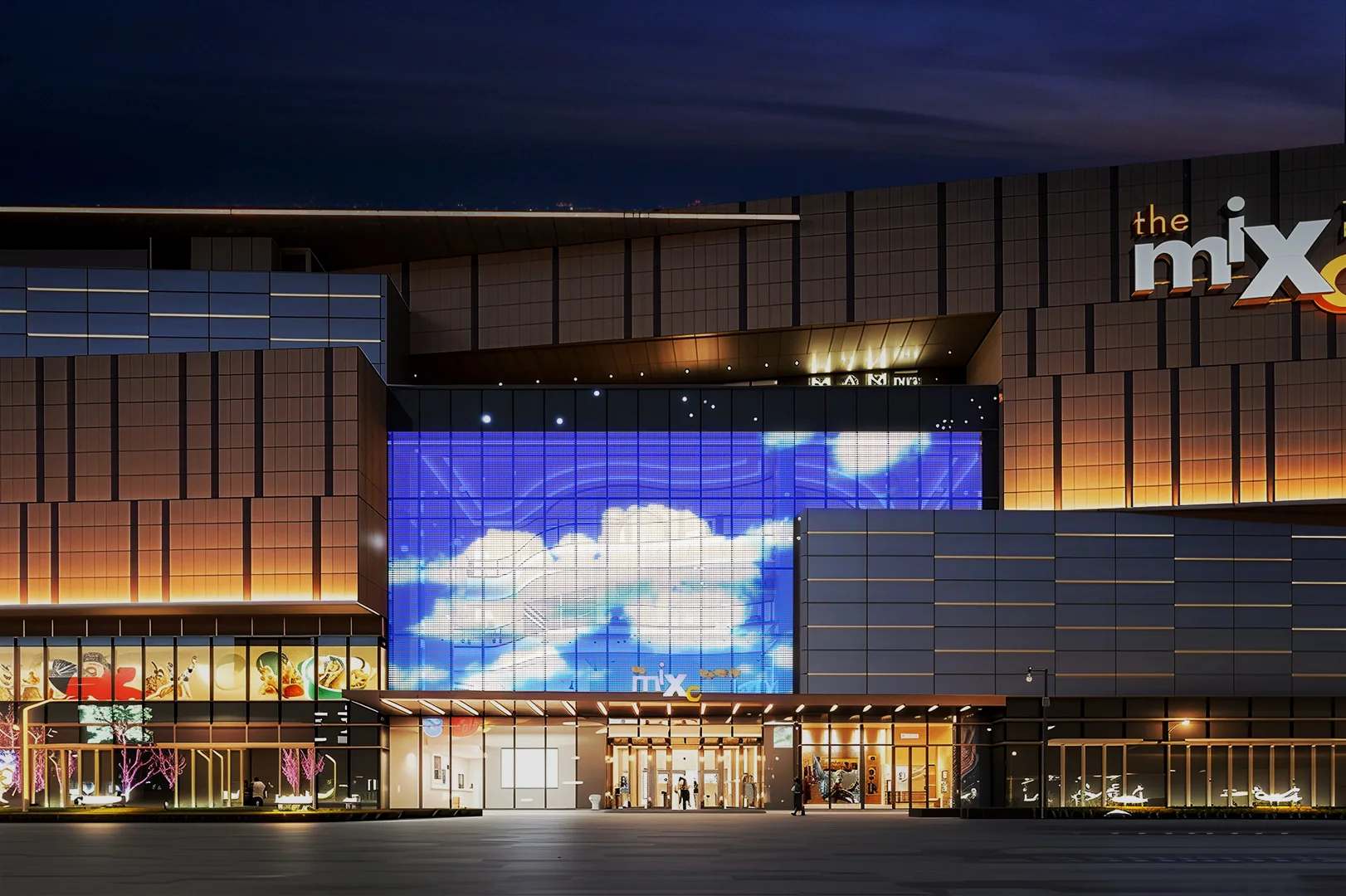
Where Shopping Malls Use LED Flexible Transparent Screens
This technology shows up in multiple mall zones:
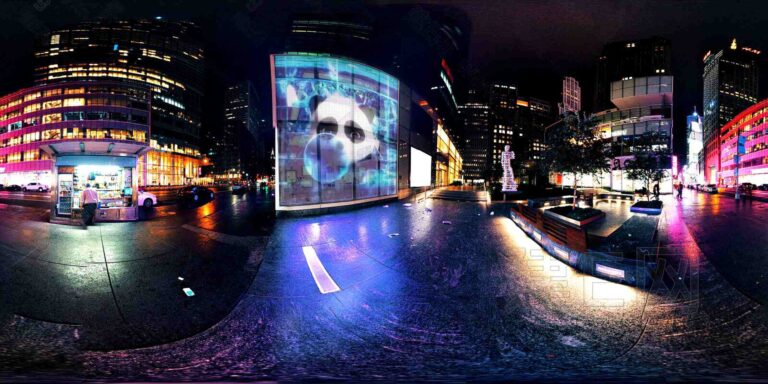
Facade Curtain Walls
Large-scale animated branding, nighttime light shows, city-event tie-ins.
Storefront Windows
Tenant promotions, seasonal product stories, synchronized mall campaigns.
Glass Balustrades & Guardrails
Ambient animations that add life to multi-level atriums.
Elevator Hoistways & Escalator Zones
High-traffic areas with strong visual impact.
Pop-Up Shops & Temporary Installations
A digital upgrade without installing permanent structures.
About Shenzhen XinHe Lighting Optoelectronics Co., Ltd.
Shenzhen XinHe Lighting Optoelectronics Co., Ltd., founded in 2004, has built a strong reputation in the LED display and architectural lighting sector. The company specializes in LED flexible transparent screens, grid screens and LED point-light systems for large commercial, retail and architectural projects.
XinHe’s strengths include:
- A complete production system with strict quality control
- Multiple international management certifications
- Independent R&D with numerous patents
- Long-term project support—from planning to on-site guidance
- A consistently reliable product line used in global installations
Its LED flexible transparent screens feature high transparency, ultra-thin construction, mini-LED design, remote cluster control, strong color purity and stable performance—making them a solid match for malls aiming to modernize their visual media while minimizing operational disruption.
Conclusion
Shopping malls are no longer just retail centers—they’re experience-driven destinations. To stay competitive, operators need visual tools that keep the property dynamic without overwhelming the budget.
LED flexible transparent screens deliver exactly that. They cut OOH spending, speed up campaign execution, elevate tenant branding, and turn glass surfaces into premium digital assets. With streamlined installation and flexible content control, the technology helps malls move toward a more modern, profitable and visually engaging future.
FAQs
How do LED flexible transparent screens cut OOH costs for shopping malls?
They eliminate constant poster printing, reduce installation labor, require no steel frames, and allow remote content updates. The long-term savings are substantial compared with traditional signage.
Are LED flexible transparent screens bright enough for large mall façades or sunlit atriums?
Yes. They are designed with high brightness levels that maintain visibility even in strong natural light.
Do these screens block daylight or reduce visibility into stores?
No. Their high-transparency film keeps the glass clear, preserving natural lighting and visibility while displaying digital content.
Can malls manage multiple LED flexible transparent screens from one system?
Absolutely. They support centralized scheduling, multi-screen playback and remote updates across the entire mall.
Are LED flexible transparent screens suitable for curved or irregular glass surfaces?
Yes. They can be cut, shaped or bent, making them ideal for curved façades, corner installations and custom architectural designs.





 French
  English
  Arabic
  Russian
  Spanish