

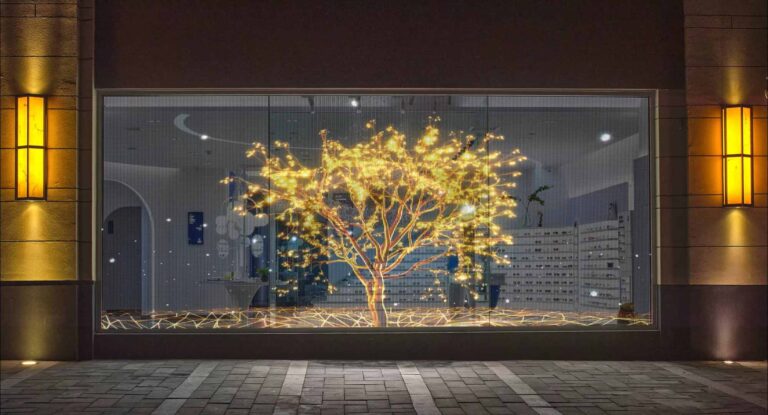
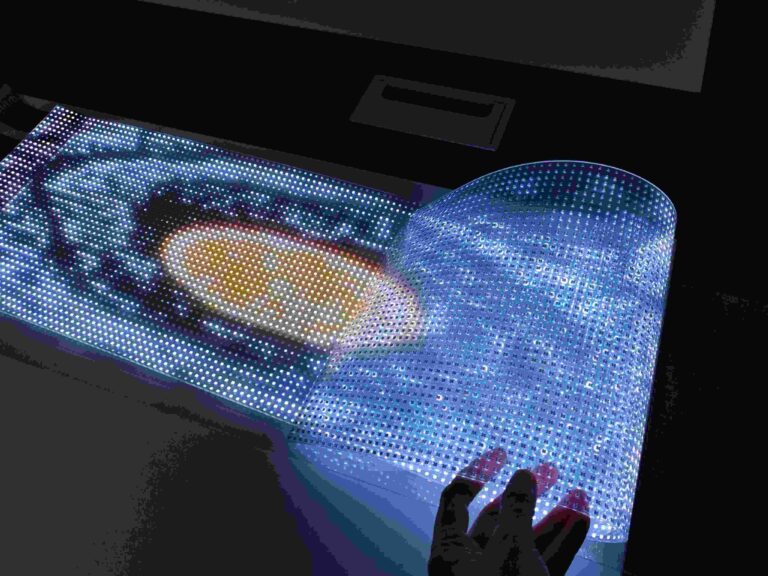
People often use transparent LED film screens in retail windows, malls, and showrooms. They also appear in offices, exhibitions, and on glass façades. These displays show digital content. At the same time, they let you see clearly through the glass. But how much does a transparent LED film screen actually cost in 2026? The answer involves much more than just a simple price per square meter. Many details shape the final budget. For example, pixel pitch, screen size, and brightness matter. Installation, control equipment, and power use also play a big role. You must also think about customization, shipping, and maintenance. This guide breaks down the main cost factors. As a result, buyers can compare different quotations with better accuracy.
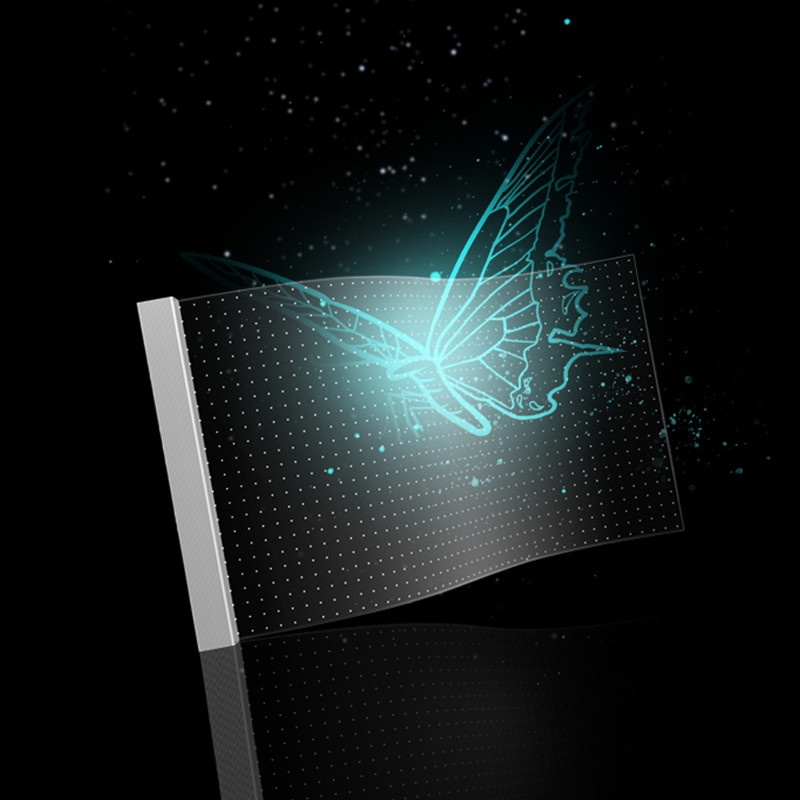
How Much Does a Transparent LED Film Screen Cost per Square Meter?
You will not find one fixed price per m² for flexible transparent LED film. Instead, quotes change based on your specific needs. They depend heavily on the desired visual quality and the unique conditions of your project.
How Does Pixel Pitch Affect Price?
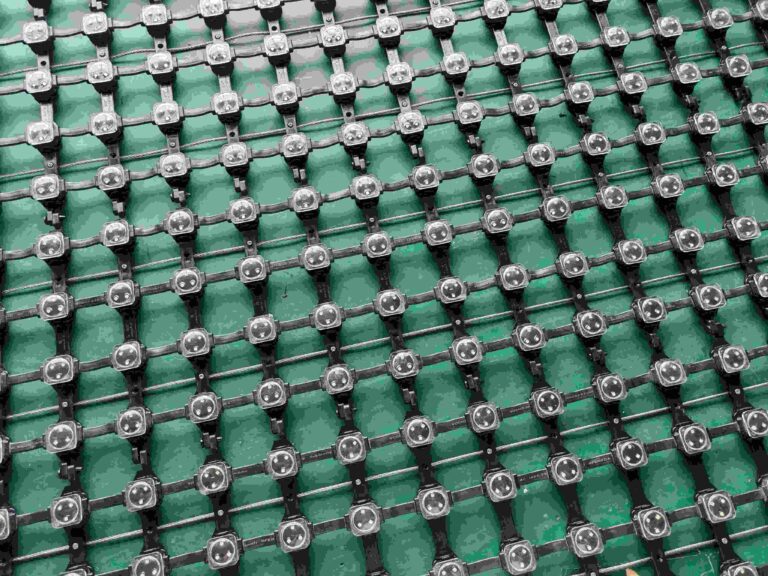
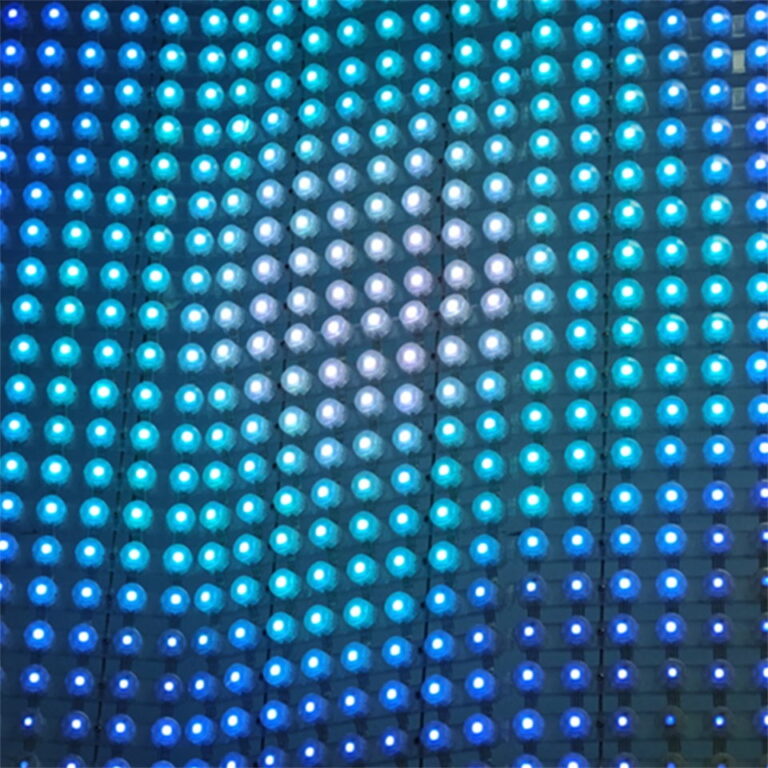
Smaller pixel pitches pack more LEDs into every square meter. This setup delivers sharper image details. It works best when people stand close to the screen. XinHe’s product line features P4, P5, P6, P8, P10, P16, and P20 models. Their official specifications reveal different pixel densities. These range from 62,500 dots/m² for the P4 model down to 2,500 dots/m² for the P20 version.
A finer pitch makes sense for retail windows where shoppers look closely. However, larger displays often sit further away from the audience. In those cases, choosing P10, P16, or P20 models can save money.
How Do Size and Customization Change the Quote?
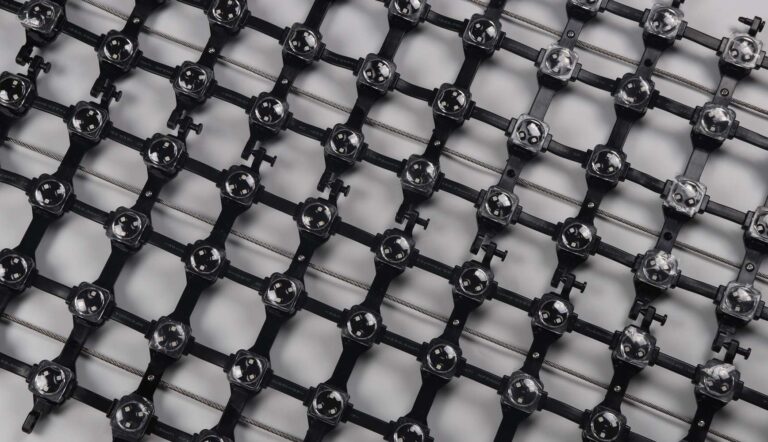
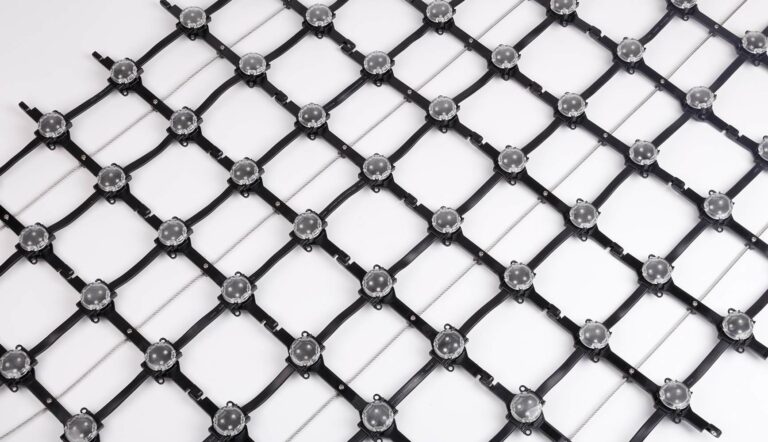
Curved glass and irregular windows often need special engineering work. Custom dimensions demand extra effort as well. XinHe notes that its film screens easily adapt to various sizes and shapes. Meanwhile, trimming the film relies on the specific direction of the module.
You should share specific details to get a helpful quotation. Please provide the exact glass dimensions and the typical viewing distance. You also need to describe the installation environment, the kind of content, and your expected brightness levels.
How Much Should You Budget for Installation?
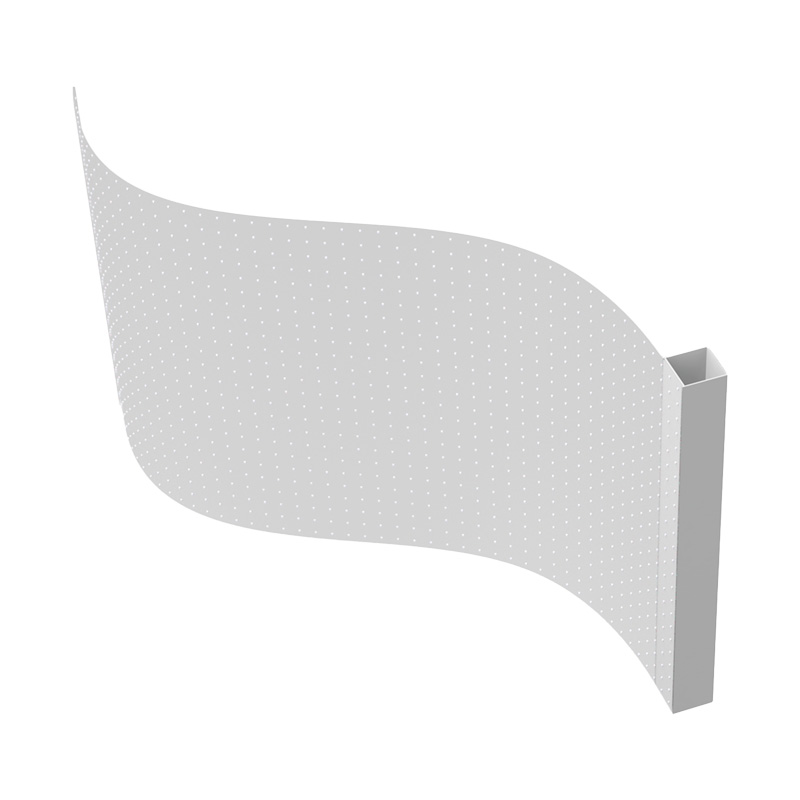
Installing flexible transparent LED film is often simpler than setting up a standard rigid LED wall. Even so, several steps still impact the total cost. Site access and proper glass preparation matter a lot. Electrical work, careful cable routing, and final system testing also add to the expense.
Can Direct Glass Installation Reduce Costs?
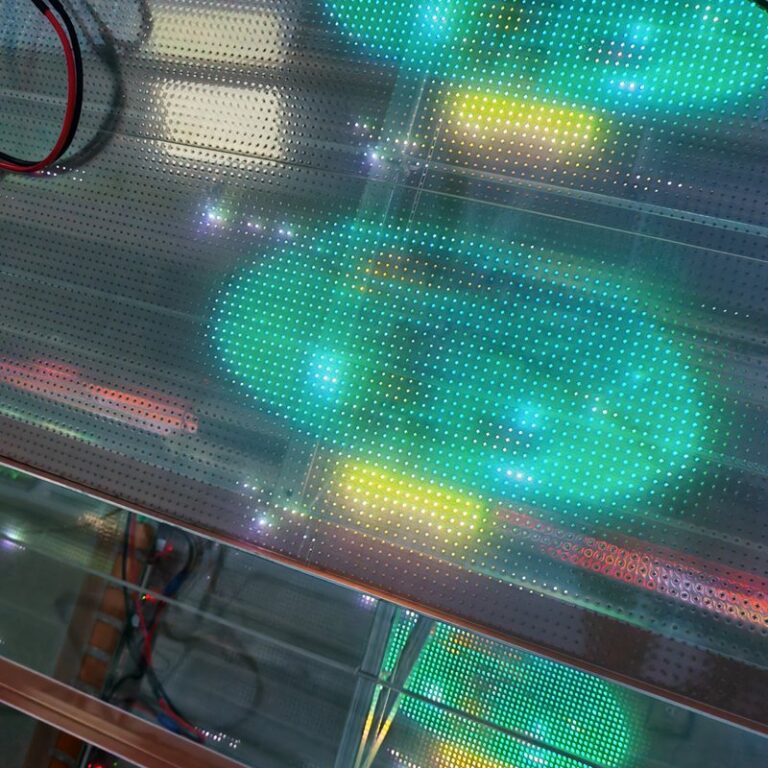
XinHe designs its transparent LED film for direct mounting onto glass. This method avoids bulky steel frames during suitable projects. Furthermore, the product specifications highlight other setup options. These include lifting systems and simple double-sided tape methods.
These simple methods can lower both structural and labor expenses. Yet, large commercial projects still demand special tools. You might need access equipment and skilled electricians. Cable management, thorough testing, and expert technical support remain necessary.
What Site Conditions Can Increase Installation Cost?
Certain site conditions will drive up your labor costs. Tall windows and curved glass make the job harder. Restricted access, tricky wiring, and late-night work also add to the bill. Always check your quotation carefully. Make sure it covers power supplies, receiving cards, and cables. It should also include mounting materials and professional technical guidance.
How Much Power Does Flexible Transparent LED Film Use?
Electricity costs add up quickly when a screen operates for many hours every day. Power usage changes based on several factors. These include the pixel pitch, brightness levels, and the type of media content. Your daily operating schedule plays a big part too.
Which Power Figure Should You Use for Budgeting?
XinHe shares clear average power usage numbers. Models from P4 to P10 use about 200 W/m². The P16 version draws roughly 130 W/m², while the P20 needs only 80 W/m². However, maximum power use can hit 600 W/m² on certain finer-pitch screens.
You can calculate a basic cost estimate easily. Just multiply the total screen area by the average W/m² and your daily running hours. Then, multiply that result by your local electricity rate. For instance, imagine a 20 m² P10 display. If it averages 200 W/m², it will draw roughly 4 kW during operation.
Can Brightness Settings Lower Running Costs?
Yes, they certainly can. A storefront usually requires high brightness during sunny daytime hours. Later in the evening, the screen needs much less light. You can easily adjust these brightness settings. Smart schedules will help you cut down on energy waste.
What Hidden Costs Should Buyers Include?
The display modules represent just one piece of the total price. Buyers must also plan for extra hardware. You will need specific services to keep the whole system running smoothly over time.
Which Hardware Costs Are Easy to Miss?
Suppliers often quote several items separately. These include control systems, power supplies, and signal cables. Receiving cards, mounting accessories, and spare parts might also carry extra charges. XinHe offers Nova/Carlet as reliable control-system choices for its flexible transparent LED film products.
What Other Project Costs Should Be Included?
International orders bring additional expenses. You must pay for freight, secure packaging, and import duties. Taxes, customs clearance, and local truck delivery add to the final bill. Furthermore, creating video content costs money. Routine cleaning, regular maintenance, and buying replacement parts belong in your long-term budget.
Why Does Supplier Choice Affect the Final Cost?
Finding the lowest unit price does not guarantee a cheap project. Choosing the right product matters greatly. Good customization support and steady manufacturing quality are vital. Fast after-sales service helps you avoid very expensive mistakes later.
Why Consider Shenzhen XinHe Lighting Optoelectronics Co., Ltd?
Shenzhen XinHe Lighting Optoelectronics Co., Ltd started its focused work in 2004. Since then, the company has developed and produced LED point-lights and grid-screens. They offer excellent LED flexible transparent screens alongside ODM/OEM services. Their flexible transparent LED film lineup spans from P4 to P20 models. These products feature lightweight modules and highly transparent designs. They also ensure easy, glass-friendly installation.
Because of these features, XinHe serves as a highly practical supplier. Distributors, local retailers, and busy signage companies trust them. Designers and project contractors also rely on their customized transparent display solutions.
What Is the Smartest Way to Finalize Your 2026 Budget?
A solid budget must cover many different areas. You need to count the display area, pixel pitch, and brightness levels. Do not forget control equipment and installation accessories. Labor, freight, customs duties, and daily electricity also matter. Finally, include costs for content creation, spare parts, and regular maintenance.
Conclusion: Budget for Total Value, Not Just Price per m²
The best value does not always mean buying the finest pixel pitch. It also does not mean picking the cheapest quote. Instead, the true best choice delivers the right visual impact. It must fit your specific installation space perfectly. Moreover, it should offer steady and predictable long-term costs.
Always ask for a detailed, itemized quotation before you order. This document should list the flexible transparent LED film separately. It must also detail the control equipment, installation parts, logistics, and any optional services. This clear breakdown helps you compare different suppliers fairly. It stops you from picking a cheap starting price that causes huge expenses later.
FAQs
1. Is P4 Transparent LED Film Always More Expensive Than P10 or P20?
Finer pixel pitches demand a higher LED density. They need more tiny components, which naturally drives up the price. However, the final cost relies on many other things. Screen area, custom shapes, and brightness levels affect the total. Your order quantity, the chosen control system, and special project needs play a part too. Therefore, base your final choice on the actual viewing distance. Focus on your real display goals instead of just looking at the pixel pitch.
2. Does the Price per m² Include Installation?
No, it does not always cover the setup. Some quotes only pay for the bare display modules. Other offers might include power supplies, smart controllers, and cables. They could also provide mounting brackets or helpful technical support. You should request a fully itemized quote before comparing bids. This way, you understand exactly what the listed price actually buys.
3. How Can I Get a More Accurate Transparent LED Film Quotation?
Start by gathering your exact glass dimensions. Collect clear installation photos or detailed drawings. Note the viewing distance and any special site conditions. Mention your preferred pixel pitch if you know it. Also, list your daily operating hours, the final destination country, and the required quantity. Sharing these specific facts helps the supplier immensely. They can then suggest a perfect setup and figure out your total project costs with much better accuracy.



 French
  English
  Arabic
  Russian
  Spanish